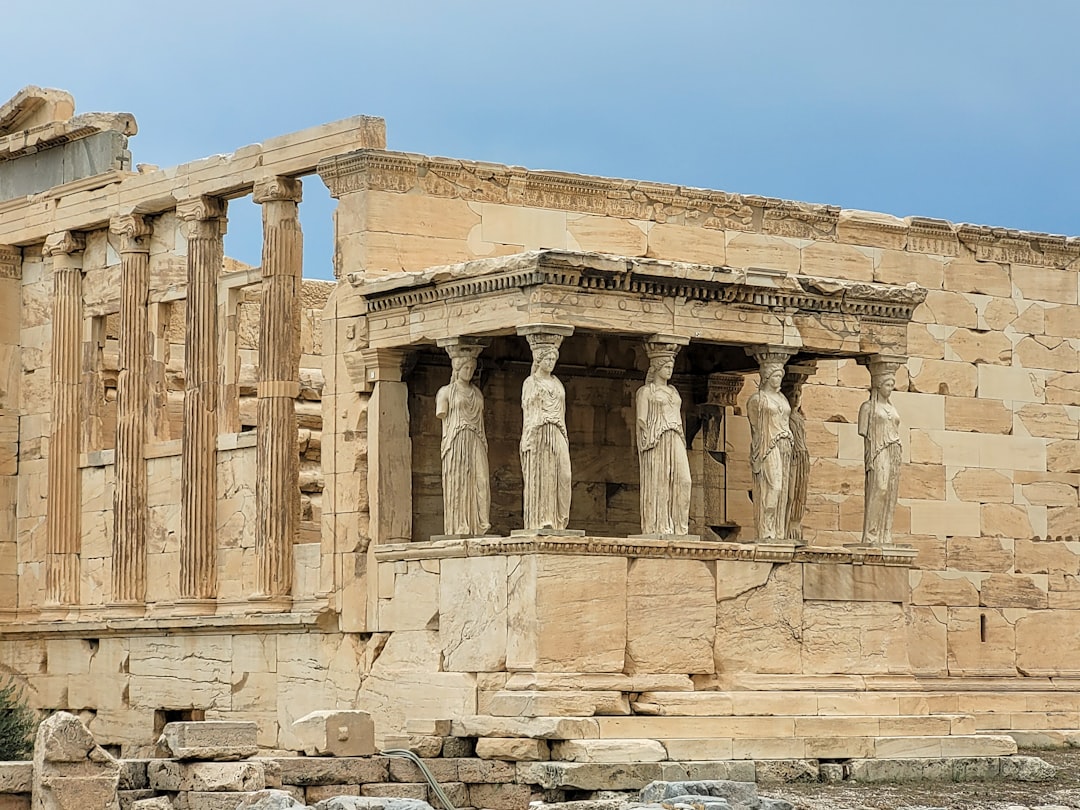
Ancient Greece, a civilization renowned for its rich tapestry of mythology, philosophy, and art, also held a profound belief in the power of prophecy. Timing prophecies, in particular, played a crucial role in shaping the decisions and actions of individuals and city-states alike. These prophecies were not merely vague predictions; they were often intricately tied to specific events, seasons, or celestial occurrences.
The Greeks believed that understanding the right moment for action could lead to success or disaster, making timing prophecies an essential aspect of their cultural and spiritual life. The significance of timing in these prophecies cannot be overstated. It was believed that the gods communicated their will through oracles and signs, guiding mortals to act at the most opportune moments.
This belief system fostered a deep respect for the divine and a sense of urgency in adhering to prophetic messages. As such, timing prophecies became a lens through which the ancient Greeks viewed their world, influencing everything from personal decisions to state affairs.
Key Takeaways
- Ancient Greek timing prophecies were central to their culture, guiding decisions and societal actions.
- Oracles, especially the Delphic Oracle, played a crucial role in delivering prophetic messages with specific timing.
- Various divination methods were used to determine the precise timing of future events.
- Timing in prophecies influenced political, military, and personal decisions in ancient Greece.
- The legacy of these timing prophecies continues to fascinate and is compared to modern predictive techniques today.
The Role of Oracles in Predicting the Future
Oracles served as intermediaries between the divine and humanity in ancient Greece, providing insights into the future that were believed to be divinely inspired. These prophetic figures were often associated with specific locations, such as Delphi or Dodona, where individuals would seek guidance on matters ranging from personal dilemmas to national crises. The oracles were revered not only for their ability to predict future events but also for their capacity to interpret the will of the gods, making them central figures in Greek society.
The process of consulting an oracle was steeped in ritual and tradition. Individuals would approach the oracle with offerings and questions, seeking clarity on their paths. The responses received were often cryptic, requiring interpretation by priests or priestesses who understood the nuances of divine language.
This complexity added an element of intrigue to the practice of prophecy, as the timing of actions based on these responses could significantly alter outcomes. Thus, oracles were not just predictors of fate; they were pivotal in shaping the course of history through their guidance.
The Delphic Oracle and its Influence on Ancient Greek Society

Among the many oracles in ancient Greece, the Delphic Oracle stood out as the most prestigious and influential. Located at the sanctuary of Apollo in Delphi, this oracle attracted visitors from all over the Greek world, including leaders, warriors, and common citizens seeking wisdom. The Pythia, a priestess of Apollo, would enter a trance-like state and deliver prophecies that were often enigmatic yet profoundly impactful.
The Delphic Oracle’s influence extended beyond individual consultations; it played a significant role in shaping political decisions and military strategies. The reverence for the Delphic Oracle was evident in its involvement in major historical events. City-states would often consult the oracle before embarking on wars or significant undertakings, believing that divine guidance could ensure victory or avert disaster.
The famous maxim “Know thyself,” inscribed at Delphi, encapsulated the oracle’s emphasis on self-awareness and moral integrity. This focus on introspection and ethical decision-making resonated deeply within Greek culture, reinforcing the idea that timing prophecies were not merely about predicting events but also about understanding one’s place within a larger cosmic order.
Methods of Divination and Prophecy in Ancient Greece
The ancient Greeks employed various methods of divination to seek insights into the future, each with its unique practices and significance. One common method was augury, which involved interpreting the behavior of birds as omens. Observers would analyze flight patterns, calls, and interactions among birds to discern messages from the gods.
This practice was particularly important for military leaders who sought favorable signs before engaging in battle. Another prevalent method was casting lots or using oracle bones, where random selections were believed to reveal divine will. This method was often employed when decisions needed to be made quickly or when clarity was lacking.
Additionally, dream interpretation played a vital role in divination; dreams were seen as messages from the gods that required careful analysis. Each method reflected a deep-seated belief in the interconnectedness of human actions and divine influence, emphasizing that timing was crucial in interpreting these signs accurately.
The Importance of Timing in Ancient Greek Prophecies
| Prediction Method | Time Period | Accuracy | Notable Practitioner | Purpose |
|---|---|---|---|---|
| Oracle of Delphi | 8th century BCE – 4th century CE | Varied; often cryptic | Pythia (Priestess) | Political and military decisions |
| Astrology | 5th century BCE onwards | Moderate; based on celestial events | Nechepso and Petosiris (later Hellenistic) | Personal and state forecasting |
| Augury (Bird Flight) | 6th century BCE onwards | Subjective interpretation | Augurs (priests) | Military and civic decisions |
| Dream Interpretation | Throughout Ancient Greece | Variable; symbolic | Artemidorus | Personal guidance and prophecy |
| Mathematical Cycles (e.g., Metonic Cycle) | 5th century BCE | High for calendrical predictions | Meton of Athens | Timing of festivals and eclipses |
In ancient Greek culture, timing was not merely a matter of chronological order; it was imbued with spiritual significance. The Greeks believed that certain moments were charged with divine energy, making them more auspicious for specific actions. This belief extended to agricultural practices, military campaigns, and personal endeavors.
For instance, planting crops during particular lunar phases was thought to yield better harvests, while launching military offensives at strategically chosen times could determine victory or defeat. The concept of kairos—an opportune moment—was central to Greek thought regarding timing. It emphasized that success depended not only on preparation but also on recognizing and seizing the right moment to act.
The Greeks understood that failing to heed prophetic advice regarding timing could lead to dire consequences, reinforcing the notion that divine guidance was essential for navigating life’s complexities.
Famous Examples of Timing Prophecies in Ancient Greece
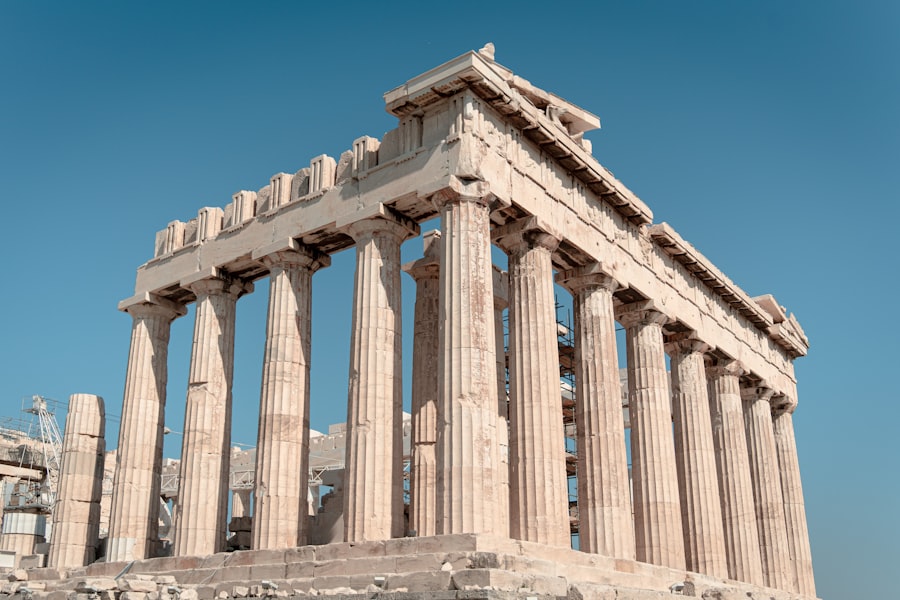
Several notable instances illustrate the profound impact of timing prophecies on ancient Greek society. One such example is the prophecy given to King Croesus of Lydia by the Delphic Oracle before he waged war against Persia. The oracle warned him that if he attacked, he would destroy a great empire.
Croesus interpreted this as a sign of his impending victory over Persia but failed to recognize that it referred to his own empire’s downfall instead. His misinterpretation led to disastrous consequences, highlighting how critical timing and understanding were in interpreting prophetic messages. Another famous example involves the Trojan War, where various prophecies influenced key decisions made by leaders like Agamemnon and Achilles.
The Greeks consulted oracles before embarking on their fateful journey to Troy, seeking guidance on when to strike and how to ensure victory. The timing of their actions—whether it was launching an attack or waiting for favorable omens—played a pivotal role in shaping the war’s outcome and ultimately led to both triumphs and tragedies.
The Influence of Timing Prophecies on Decision-Making
The influence of timing prophecies on decision-making in ancient Greece cannot be overstated. Leaders and citizens alike relied heavily on prophetic guidance when faced with critical choices. The belief that divine forces dictated the right moment for action instilled a sense of urgency and caution among individuals seeking direction.
This reliance on prophecy often led to a culture where decisions were made with careful consideration of celestial alignments and omens. In political contexts, leaders would consult oracles before making significant decisions that could affect their city-states’ futures. The fear of acting against divine will often resulted in delays or changes in strategy based on prophetic advice.
This dynamic created a complex interplay between human agency and divine influence, where individuals sought to align their actions with what they believed was predetermined by higher powers.
The Accuracy of Ancient Greek Timing Prophecies
The accuracy of ancient Greek timing prophecies remains a topic of debate among historians and scholars.
Often shrouded in ambiguity, prophetic statements could be molded to fit various outcomes depending on how individuals chose to act upon them.
This flexibility allowed for a perception of accuracy that may not have been entirely grounded in objective reality. Moreover, confirmation bias played a significant role in how prophecies were perceived. When events unfolded in ways that aligned with prophetic predictions, they were celebrated as accurate forecasts; however, failures or misinterpretations were often overlooked or rationalized away.
This phenomenon contributed to a culture where prophecies were revered despite their inherent uncertainties, reinforcing the belief that divine guidance was both powerful and essential for navigating life’s complexities.
The Legacy of Ancient Greek Timing Prophecies
The legacy of ancient Greek timing prophecies extends far beyond their historical context; they continue to resonate within contemporary discussions about fate, free will, and decision-making processes. The philosophical inquiries sparked by these prophecies have influenced various fields, including literature, psychology, and even modern-day predictive analytics. The Greeks’ emphasis on timing as a critical factor in decision-making has left an indelible mark on how societies approach uncertainty and seek guidance.
Furthermore, the fascination with oracles and divination practices has persisted throughout history, inspiring countless works of art and literature that explore themes of prophecy and fate. From Shakespearean tragedies to modern films depicting prophetic visions, the allure of predicting the future remains a compelling narrative thread woven into human storytelling.
Comparing Ancient Greek Timing Prophecies with Modern Predictive Methods
When comparing ancient Greek timing prophecies with modern predictive methods, one can observe both similarities and differences in approach and understanding. Today’s predictive analytics rely heavily on data-driven models and statistical analysis to forecast outcomes across various domains such as finance, healthcare, and technology. Unlike ancient practices rooted in divine interpretation and spiritual beliefs, modern methods emphasize empirical evidence and mathematical precision.
However, both systems share an underlying desire to understand uncertainty and make informed decisions based on available information. Just as ancient Greeks sought guidance from oracles during pivotal moments in their lives, contemporary individuals often turn to data analytics for insights into future trends and behaviors. This parallel highlights humanity’s enduring quest for knowledge about what lies ahead—a quest that transcends time and cultural boundaries.
The Enduring Fascination with Ancient Greek Timing Prophecies
The enduring fascination with ancient Greek timing prophecies speaks volumes about humanity’s intrinsic desire to comprehend fate and navigate uncertainty. These prophecies shaped not only individual lives but also entire civilizations by influencing critical decisions throughout history. The intricate relationship between divine guidance and human agency continues to captivate scholars and enthusiasts alike.
As modern society grapples with its own uncertainties—be it through technology or philosophical inquiry—the lessons drawn from ancient Greek prophecies remain relevant today. They remind us that while we may strive for control over our destinies, there exists an ever-present interplay between timing, choice, and the unknown forces that shape our lives. In this way, ancient Greek timing prophecies endure as a testament to humanity’s quest for understanding amidst life’s complexities.
In exploring the fascinating world of ancient Greece, one can gain insights into the predictive practices of the time, particularly in relation to oracles and their significance in decision-making. For a deeper understanding of these ancient predictions and their timing, you can read more in this related article: Ancient Greece and the Art of Prediction. This resource delves into the methodologies and cultural contexts that shaped the prophetic traditions of the era.
WATCH THIS! 🚨 Divers Found THIS at the Bottom of the Sea—Scientists Still Can’t Explain It
FAQs
What methods did ancient Greeks use for prediction?
Ancient Greeks used various methods for prediction, including oracles (such as the Oracle of Delphi), astrology, interpreting omens, and consulting seers or prophets. These methods were often tied to religious and spiritual beliefs.
What was the role of the Oracle of Delphi in ancient Greek predictions?
The Oracle of Delphi was one of the most famous prophetic institutions in ancient Greece. People from all over the Greek world visited the Pythia, the priestess at Delphi, to receive cryptic predictions and guidance believed to be inspired by the god Apollo.
How accurate were ancient Greek predictions considered to be?
The accuracy of ancient Greek predictions varied and was often ambiguous. Many prophecies were deliberately vague, allowing for multiple interpretations. Their perceived accuracy depended largely on faith and the context in which they were delivered.
Did ancient Greeks have a concept of timing in their predictions?
Yes, timing was an important aspect of ancient Greek predictions. Prophecies often included references to specific times or events, though these were sometimes symbolic or open to interpretation rather than precise dates.
Were predictions in ancient Greece used for political or military decisions?
Yes, predictions and oracles played a significant role in political and military decisions. Leaders and generals frequently sought prophetic advice before battles or important state actions to gain divine approval or insight.
How did ancient Greeks interpret natural phenomena as predictions?
Ancient Greeks often interpreted natural phenomena such as eclipses, comets, or unusual animal behavior as omens or signs from the gods, which could predict future events or warn of impending dangers.
Is there any connection between ancient Greek prediction methods and modern practices?
Some ancient Greek prediction methods, like astrology and the interpretation of omens, have influenced modern practices in divination and fortune-telling. However, modern science does not support these methods as reliable predictors of future events.