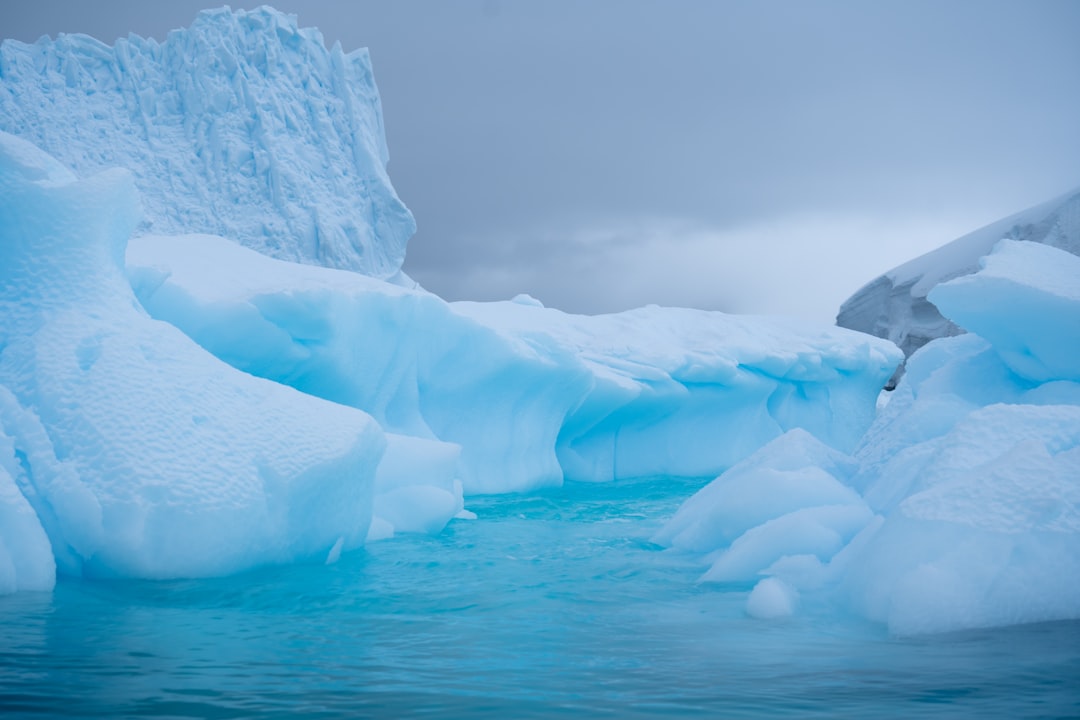
The concept of prehistoric human migration to Antarctica is a topic that has intrigued researchers and historians alike. While the continent is often perceived as an inhospitable land of ice and snow, the possibility that early humans ventured into this extreme environment raises questions about their adaptability and resilience. The allure of Antarctica lies not only in its stark beauty but also in the mysteries it holds regarding human history.
The idea that prehistoric peoples might have traversed its icy expanses challenges conventional narratives about human migration patterns and survival strategies. Antarctica, largely uninhabited today, presents a unique case study for understanding human migration. The continent’s isolation and harsh climate have led many to assume that it remained untouched by human hands until modern exploration.
However, emerging theories suggest that early humans may have reached its shores during periods of climatic change, driven by the search for resources or new territories. This article delves into the various aspects of prehistoric human migration to Antarctica, exploring the evidence, theories, and implications of such movements.
Key Takeaways
- Prehistoric human migration to Antarctica is a topic of great interest and speculation due to the harsh environment and isolation of the continent.
- Theories and evidence of prehistoric human migration to Antarctica are largely based on archaeological findings and genetic studies of ancient populations.
- Climate change likely played a significant role in prehistoric human migration to Antarctica, as it may have opened up new areas for settlement and resource exploitation.
- Prehistoric humans in Antarctica used specialized tools and technology to survive in the extreme conditions, including bone and stone implements for hunting and shelter construction.
- Evidence of prehistoric human settlements and structures in Antarctica suggests that ancient populations were able to adapt and thrive in the challenging environment.
Theories and Evidence of Prehistoric Human Migration to Antarctica
Several theories have emerged regarding the potential for prehistoric human migration to Antarctica. One prominent hypothesis suggests that during warmer climatic periods, such as the Pleistocene epoch, the ice sheets that currently dominate the continent may have receded, creating temporary habitable zones. These areas could have provided early humans with opportunities for hunting and gathering, leading them to explore the region.
In addition to climatic factors, the presence of marine resources may have attracted prehistoric peoples to Antarctica. The surrounding Southern Ocean is rich in marine life, including seals and fish, which could have provided sustenance for early human groups.
Fossilized remains of marine animals found on the continent suggest that these resources were available even in ancient times. However, concrete evidence of human presence in Antarctica remains elusive, with few artifacts or structures discovered to date. This lack of physical evidence has led some scholars to question the extent of human migration to the region.
The Role of Climate Change in Prehistoric Human Migration to Antarctica
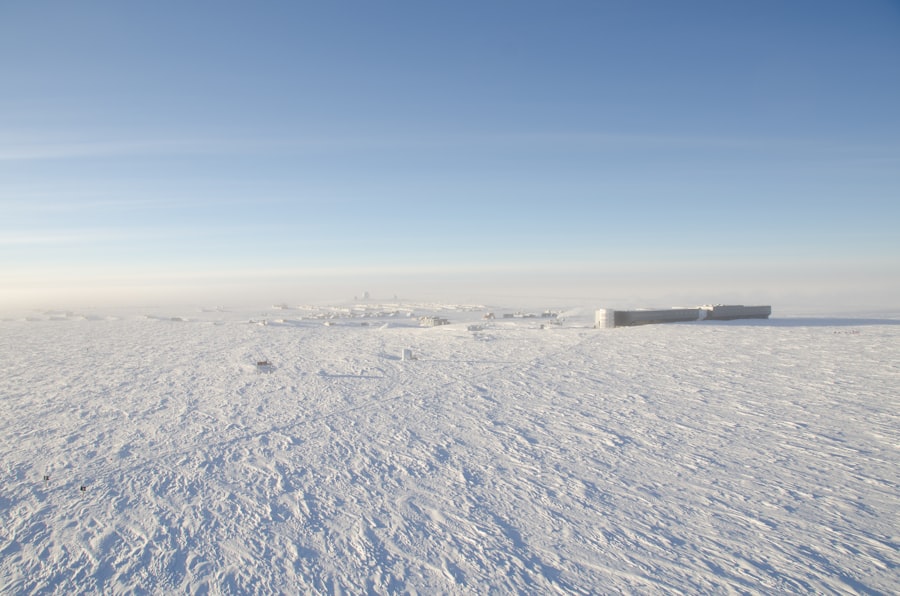
Climate change has played a pivotal role in shaping the migratory patterns of prehistoric humans. During periods of warming, ice sheets would have melted, creating more hospitable environments for early human populations. This phenomenon is particularly relevant when considering the potential for migration to Antarctica.
As glaciers receded, land bridges may have formed between continents, allowing for easier access to previously isolated regions. Such climatic shifts would have influenced not only the availability of resources but also the routes taken by migrating groups. The impact of climate change on human migration is evident in various archaeological findings across the globe.
For instance, evidence from sites in South America indicates that early humans adapted their hunting strategies in response to changing environmental conditions. Similar adaptations could have occurred in Antarctica if prehistoric peoples ventured there during warmer periods. Understanding these dynamics is crucial for comprehending how climate change influenced human behavior and settlement patterns in extreme environments.
Tools and Technology Used by Prehistoric Humans in Antarctica
| Tools and Technology | Description |
|---|---|
| Stone Tools | Used for cutting, scraping, and hunting |
| Bone Tools | Used for making needles, awls, and harpoons |
| Wooden Tools | Used for building shelters and making spears |
| Fire | Used for warmth, cooking, and protection |
| Animal Skins | Used for clothing and shelter |
The tools and technology employed by prehistoric humans would have been essential for survival in the harsh Antarctic environment. Early humans were known for their ingenuity and resourcefulness, developing a range of tools suited for hunting, gathering, and shelter construction. In colder climates, they relied on materials such as bone, stone, and wood to create implements that facilitated their daily activities.
If they had indeed migrated to Antarctica, it is likely that they would have adapted their tool-making techniques to suit the unique challenges posed by the icy landscape. Evidence from other regions suggests that prehistoric humans utilized sophisticated hunting strategies and tools to exploit available resources. For example, the use of harpoons and nets for fishing would have been crucial in a marine-rich environment like Antarctica.
Additionally, the construction of shelters using available materials would have been vital for protection against extreme weather conditions. The adaptability of early humans in developing tools and technologies highlights their capacity for survival in diverse environments, including potentially inhospitable ones like Antarctica.
Prehistoric Human Settlements and Structures in Antarctica
The existence of prehistoric human settlements in Antarctica remains a subject of speculation due to the continent’s extreme conditions and lack of archaeological evidence. However, if early humans did inhabit parts of Antarctica during warmer periods, it is plausible that they established temporary camps or settlements near resource-rich areas. These sites would likely have been strategically located near coastlines or areas where marine life was abundant.
The structures built by these prehistoric peoples would have been rudimentary yet functional, designed to provide shelter from harsh weather while facilitating communal living and resource sharing. Evidence from other regions inhabited by early humans suggests that they constructed simple dwellings using available materials such as ice blocks or animal hides. If similar practices occurred in Antarctica, it could provide insights into how these groups adapted their architectural techniques to suit their environment.
Prehistoric Human Adaptations to the Harsh Antarctic Environment
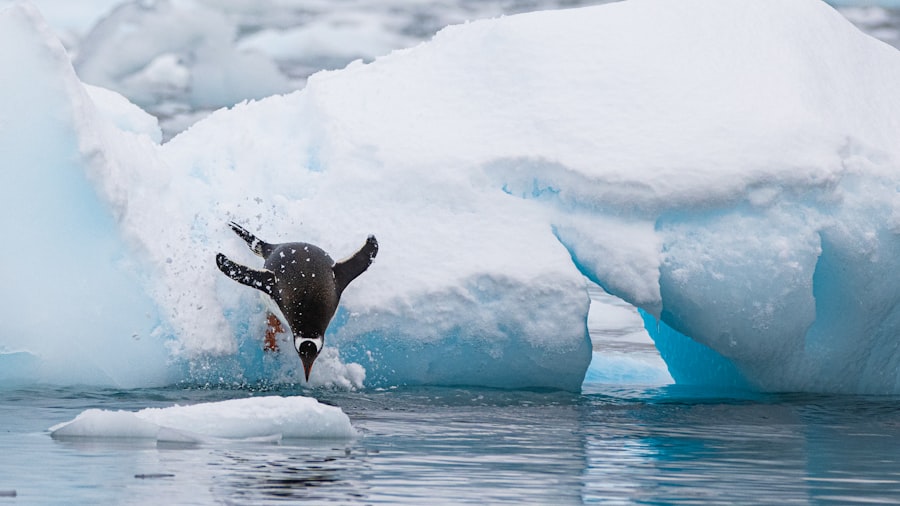
Surviving in Antarctica would have required significant adaptations from prehistoric humans. The extreme cold, strong winds, and limited vegetation present formidable challenges for any population attempting to thrive in such an environment. To endure these conditions, early humans would have needed to develop specialized clothing made from animal skins or furs to insulate against the cold.
Additionally, their dietary practices would likely have evolved to include a reliance on marine resources available in the surrounding waters. Social structures may also have played a crucial role in adaptation strategies. Cooperation among group members would have been essential for hunting large marine mammals or gathering food resources efficiently.
The sharing of knowledge regarding survival techniques and resource management would have fostered resilience within these communities. Understanding how prehistoric humans adapted to such a challenging environment can shed light on their remarkable capacity for survival and innovation.
Interactions and Relationships with Antarctic Wildlife
The interactions between prehistoric humans and Antarctic wildlife would have been a defining aspect of their existence on the continent. If early humans ventured into this region, they would have encountered a variety of species adapted to the harsh conditions, including seals, penguins, and various seabirds. These animals would not only have served as vital food sources but also played a role in shaping cultural practices and beliefs among early human populations.
The relationship between humans and wildlife is often characterized by a complex interplay of dependence and respect. Early humans likely developed hunting strategies tailored to specific species, utilizing their knowledge of animal behavior to increase their chances of success. Additionally, interactions with wildlife may have influenced spiritual beliefs or cultural narratives within these communities.
Understanding these relationships can provide valuable insights into how prehistoric peoples viewed their environment and their place within it.
Cultural and Spiritual Significance of Antarctica to Prehistoric Humans
Antarctica’s cultural and spiritual significance for prehistoric humans is a largely unexplored area of research. If early humans inhabited parts of the continent, it is conceivable that they developed unique cultural practices tied to their experiences in this extreme environment. The isolation and beauty of Antarctica may have inspired spiritual beliefs or rituals centered around nature and survival.
The harshness of the environment might have fostered a deep respect for nature’s power and fragility, leading to practices aimed at maintaining harmony with their surroundings. Exploring these cultural dimensions can enrich our understanding of how prehistoric humans perceived their world and navigated the challenges posed by living in such an unforgiving landscape.
The End of Prehistoric Human Presence in Antarctica
The reasons behind the potential end of prehistoric human presence in Antarctica remain speculative due to limited evidence. Climate change likely played a significant role in this process; as temperatures fluctuated and ice sheets expanded again, previously habitable areas may have become uninhabitable once more. This cyclical pattern of warming and cooling could have forced any existing populations to migrate elsewhere in search of more favorable conditions.
Additionally, competition for resources with other species or groups may have contributed to the decline of human presence in Antarctica. As environmental conditions changed, early humans might have faced challenges in securing food sources or maintaining social structures necessary for survival. Understanding these factors can provide insights into how environmental dynamics influenced human populations throughout history.
Modern Scientific Research on Prehistoric Human Migration to Antarctica
Modern scientific research continues to explore the possibility of prehistoric human migration to Antarctica through various interdisciplinary approaches. Archaeologists, climatologists, and anthropologists collaborate to analyze geological data, fossil records, and climate models that shed light on past environmental conditions. Advances in technology allow researchers to reconstruct ancient climates and assess how these changes may have impacted human behavior.
While definitive evidence remains scarce, ongoing studies aim to uncover artifacts or remnants that could confirm human presence on the continent. The integration of genetic studies also offers new avenues for understanding migration patterns among ancient populations. By piecing together these diverse strands of research, scientists hope to build a more comprehensive picture of how prehistoric humans interacted with their environment across different regions.
Implications and Future Studies on Prehistoric Human Migration to Antarctica
The implications of studying prehistoric human migration to Antarctica extend beyond mere curiosity; they challenge existing narratives about human adaptability and resilience in extreme environments. Understanding how early humans may have navigated such challenges can inform contemporary discussions about climate change and its impact on migration patterns today. Future studies should focus on interdisciplinary approaches that combine archaeological findings with climate data to create a more nuanced understanding of past human behavior.
Additionally, exploring indigenous knowledge systems related to environmental stewardship can provide valuable insights into sustainable practices that resonate with contemporary challenges faced by societies worldwide. In conclusion, while evidence for prehistoric human migration to Antarctica remains limited, ongoing research continues to unravel the complexities surrounding this intriguing topic. By examining theories, adaptations, interactions with wildlife, cultural significance, and modern scientific inquiries, researchers aim to illuminate the potential narratives surrounding early human presence on this enigmatic continent.
Recent studies on Pre-Ice Age human migration to Antarctica have sparked significant interest in the scientific community, as researchers explore the possibility of ancient human presence on the icy continent. An intriguing article that delves into this topic can be found on Real Lore and Order, which discusses the potential routes and motivations behind such early migrations. For more detailed insights, you can read the full article by visiting Real Lore and Order. This article provides a comprehensive overview of the theories and evidence surrounding this fascinating subject, offering a glimpse into the mysteries of human history and migration patterns.
WATCH THIS 🧊The US Military Confirmed It: What’s REALLY Under the Antarctic Ice?
FAQs
What is the theory of Pre-Ice Age human migration to Antarctica?
The theory suggests that humans may have migrated to Antarctica before it was covered in ice, around 200,000 years ago. This is based on evidence of ancient tools and artifacts found on the continent.
What evidence supports the theory of Pre-Ice Age human migration to Antarctica?
Evidence includes the discovery of stone tools and other artifacts that date back to a time when Antarctica was ice-free. These findings suggest that early humans may have been able to reach and inhabit the continent.
How did early humans reach Antarctica before it was covered in ice?
It is believed that early humans may have reached Antarctica by using boats or rafts to navigate across the ocean. The presence of ancient tools and artifacts on the continent supports the idea that early humans were capable of seafaring.
What implications does the theory of Pre-Ice Age human migration to Antarctica have?
If the theory is proven true, it would significantly change our understanding of early human migration and their ability to adapt to different environments. It would also shed light on the capabilities of early humans as seafarers.