Prehistoric innovations mark a pivotal chapter in the story of human evolution, serving as the foundation upon which modern civilization is built. These early advancements, often born out of necessity, reflect the ingenuity and adaptability of our ancestors. As you delve into this fascinating era, you will discover how the development of tools and the mastery of fire transformed the lives of early humans, enabling them to thrive in diverse environments.
The innovations of this time were not merely practical; they were also instrumental in shaping social structures, cultural practices, and even the very essence of what it means to be human. Understanding prehistoric innovations requires you to appreciate the context in which they emerged. The challenges faced by early humans were immense, from harsh climates to the need for sustenance.
In response, they developed tools that enhanced their ability to hunt, gather, and protect themselves. Fire, too, played a crucial role in their survival, providing warmth, protection, and a means to cook food. As you explore these innovations, you will gain insight into how they laid the groundwork for future advancements and how they continue to influence our lives today.
Key Takeaways
- Prehistoric tools and fire were crucial innovations that transformed early human life and survival.
- The evolution of tools marked significant advancements in hunting, food preparation, and daily tasks.
- Mastery of fire provided warmth, protection, and new cooking methods, greatly impacting health and social structures.
- Tools and fire facilitated early human migration by enabling adaptation to diverse environments.
- The legacy of these innovations continues to influence modern technology and cultural development.
The Importance of Tools in Prehistoric Times
Tools were indispensable to prehistoric humans, serving as extensions of their physical capabilities. You can imagine early humans crafting rudimentary implements from stones, bones, and wood, each designed for specific tasks such as cutting, scraping, or hunting. These tools not only made daily tasks more efficient but also allowed for greater success in securing food and resources.
The ability to create and utilize tools marked a significant leap in cognitive development, showcasing problem-solving skills and creativity that set early humans apart from other species. As you consider the importance of tools, think about how they facilitated social cooperation and communication among groups. The sharing of knowledge regarding tool-making techniques likely fostered a sense of community and collaboration.
You might envision groups gathering around a fire, exchanging ideas and skills while crafting tools together. This social aspect of tool-making not only enhanced survival but also laid the groundwork for cultural development, as shared practices and innovations became integral to group identity.
Evolution of Ancient Tools
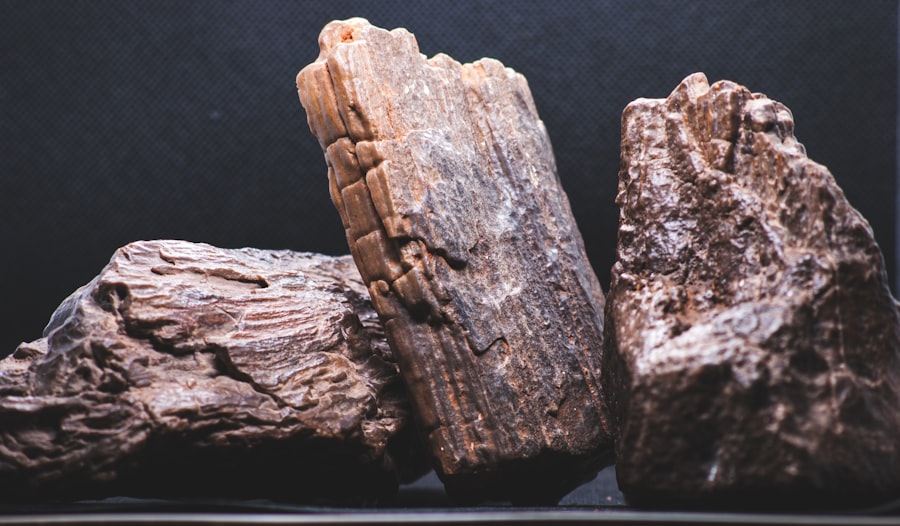
The evolution of ancient tools is a testament to human ingenuity and adaptability. As you trace the progression from simple stone implements to more sophisticated tools, you will notice a remarkable transformation in design and functionality. Early tools were primarily utilitarian, focusing on basic needs such as hunting and gathering.
However, over time, these tools became more specialized and refined. You can observe this evolution through various archaeological findings that reveal a timeline of innovation—from the crude hand axes of the Paleolithic era to the finely crafted blades of the Neolithic period. As you explore this evolution further, consider how environmental factors influenced tool development.
Different regions presented unique challenges that required tailored solutions. For instance, in areas abundant with large game, tools designed for hunting became increasingly advanced, while in regions rich in plant life, tools for gathering and processing food took precedence. This adaptability not only highlights human creativity but also underscores the interconnectedness between people and their environments.
The Discovery and Control of Fire
The discovery and control of fire stand as one of humanity’s most significant achievements in prehistoric times. Imagine the moment when early humans first harnessed fire—an event that would change their lives forever. Fire provided warmth during cold nights, protection from predators, and a means to cook food, making it easier to digest and safer to consume.
As you reflect on this monumental discovery, consider how it transformed daily life and survival strategies for early humans. The ability to control fire also had profound implications for social dynamics. You can envision groups gathering around a fire at night, sharing stories and forging bonds that strengthened their communities.
This communal aspect of fire not only provided physical warmth but also fostered emotional connections among individuals. The flickering flames became a focal point for social interaction, allowing for the exchange of ideas and cultural practices that would shape future generations.
The Impact of Fire on Prehistoric Society
| Invention | Approximate Date | Region | Purpose/Use | Significance |
|---|---|---|---|---|
| Stone Tools (Oldowan) | 2.6 million years ago | Africa | Cutting, scraping, hunting | Earliest known tools, foundation for human technology |
| Control of Fire | 1 million years ago | Africa/Asia | Cooking, warmth, protection | Enabled dietary changes and social development |
| Bow and Arrow | ~70,000 years ago | Africa/Europe | Hunting at distance | Improved hunting efficiency and safety |
| Needle (Bone) | ~50,000 years ago | Europe | Sewing clothes | Allowed creation of fitted clothing for cold climates |
| Pottery | ~20,000 years ago | East Asia | Storage and cooking | Preserved food and enabled sedentary lifestyles |
| Wheel | ~5,500 years ago | Mesopotamia | Transportation and pottery making | Revolutionized transport and craft production |
Fire’s impact on prehistoric society was multifaceted and far-reaching. As you think about its role in daily life, consider how it enabled longer periods of activity after sunset. With firelight illuminating the darkness, early humans could engage in social activities, tool-making, and even storytelling long into the night.
This extension of productive hours likely contributed to the development of more complex social structures and cultural practices. Moreover, fire played a crucial role in shaping diets and health. Cooking food not only made it more palatable but also increased its nutritional value by breaking down tough fibers and killing harmful bacteria.
As you ponder this aspect of fire’s impact, you may realize that it contributed to improved health outcomes and increased longevity among early humans. This newfound ability to process food effectively allowed populations to grow and thrive in ways that were previously unimaginable.
How Tools and Fire Revolutionized Prehistoric Life

The combination of tools and fire revolutionized prehistoric life in ways that are still felt today. You can see how these innovations allowed early humans to adapt to various environments, from icy tundras to arid deserts. With specialized tools for hunting and gathering coupled with the ability to cook food over fire, early humans became more versatile and resilient than ever before.
This adaptability was crucial for survival as they faced changing climates and shifting landscapes. As you reflect on this revolution in prehistoric life, consider how it laid the groundwork for future advancements. The skills developed through tool-making and fire control set the stage for more complex technologies that would emerge in subsequent eras.
You might envision a lineage of innovation stretching from these early achievements to the sophisticated tools we use today—each generation building upon the successes of those who came before.
The Role of Tools and Fire in Early Human Migration
Tools and fire played a critical role in early human migration patterns as well. As you explore this aspect of prehistoric life, think about how these innovations enabled groups to venture into new territories in search of resources or better living conditions. The ability to create tools allowed early humans to adapt to unfamiliar environments while fire provided warmth and protection during their journeys.
You can imagine groups migrating across vast landscapes, equipped with their essential tools and the knowledge of how to create fire wherever they went. This mobility not only facilitated survival but also led to the spread of ideas and cultural practices across different regions.
Cultural and Social Implications of Ancient Tools and Fire
The cultural and social implications of ancient tools and fire are profound and far-reaching. As you consider these innovations within a broader context, think about how they influenced social hierarchies and community structures among early humans. The ability to create specialized tools may have led to divisions of labor within groups, with certain individuals becoming skilled artisans or hunters while others focused on gathering or childcare.
Moreover, fire served as a catalyst for cultural expression. You might envision early humans using firelight as a backdrop for storytelling or rituals that reinforced group identity and shared beliefs. The communal gatherings around fires likely fostered a sense of belonging and solidarity among individuals—elements that are still vital in contemporary societies today.
The Legacy of Prehistoric Innovations in Modern Society
The legacy of prehistoric innovations is woven into the very fabric of modern society. As you reflect on this legacy, consider how the fundamental skills developed by our ancestors continue to influence contemporary life. The basic principles behind tool-making remain relevant; even today, we rely on specialized tools for various tasks across industries ranging from agriculture to technology.
Fire’s legacy is equally significant; it remains central to cooking practices worldwide and continues to symbolize warmth and community gatherings. You might think about how modern society has built upon these ancient foundations—advancements in technology have transformed our relationship with tools and fire but have not diminished their importance in our lives.
The Continued Study and Understanding of Prehistoric Tools and Fire
The study of prehistoric tools and fire remains an active field of research that continues to yield new insights into our past.
Each discovery adds depth to our understanding of human evolution and cultural development.
Moreover, interdisciplinary approaches that combine anthropology, archaeology, and environmental science are shedding light on how prehistoric innovations shaped not only human societies but also ecosystems. You might find it fascinating how these studies inform contemporary discussions about sustainability and resource management—lessons learned from our ancestors that resonate with modern challenges.
The Enduring Significance of Prehistoric Innovations
In conclusion, the innovations of prehistoric times—particularly the development of tools and mastery over fire—hold enduring significance that transcends millennia. As you reflect on this journey through history, consider how these advancements laid the groundwork for human civilization as we know it today. They not only enhanced survival but also fostered social connections, cultural practices, and technological progress.
The legacy of these prehistoric innovations continues to shape our lives in profound ways. By understanding their importance, you gain insight into the resilience and creativity that define humanity’s journey through time. As we navigate an ever-changing world, the lessons learned from our ancestors remind us of our capacity for innovation—a trait that will undoubtedly guide future generations as they face new challenges ahead.
Prehistoric inventions laid the groundwork for many modern scientific advancements, showcasing the ingenuity of early humans. One fascinating exploration of this topic can be found in the article on Real Lore and Order, which delves into the various tools and techniques developed by our ancestors long before the advent of modern science. These early innovations not only reflect the resourcefulness of prehistoric societies but also highlight the evolutionary journey of human creativity and problem-solving.
WATCH THIS! 🔍 Archaeologists REFUSE to Explain This Ancient Machine
FAQs
What are prehistoric inventions?
Prehistoric inventions refer to tools, techniques, and technologies developed by early humans before the advent of written records and modern science. These inventions laid the foundation for later scientific and technological advancements.
What is an example of a prehistoric invention?
One example is the creation of stone tools, such as hand axes and flint knives, which were used by early humans for hunting, cutting, and processing food. These tools date back millions of years.
How did prehistoric people create fire?
Prehistoric humans likely created fire by striking stones like flint together to produce sparks or by rubbing sticks to generate heat through friction. Mastery of fire was a crucial invention for cooking, warmth, and protection.
Did prehistoric people develop any forms of communication?
Yes, prehistoric humans developed early forms of communication, including cave paintings, carvings, and symbolic markings. These served as a means to convey information, tell stories, or mark territories.
What role did prehistoric inventions play in human evolution?
Prehistoric inventions significantly contributed to human survival and adaptation. Tools improved hunting efficiency, fire provided warmth and cooked food, and early art and symbols fostered social cohesion and cultural development.
Are prehistoric inventions considered part of science?
While prehistoric inventions predate formal scientific methods, they represent early human experimentation and problem-solving. These innovations laid the groundwork for the development of modern science and technology.
How do archaeologists learn about prehistoric inventions?
Archaeologists study prehistoric inventions by excavating ancient sites, analyzing artifacts, and using dating techniques like radiocarbon dating to understand the age and use of tools and other objects.
Did prehistoric humans invent clothing?
Yes, prehistoric humans are believed to have created clothing from animal hides and plant materials to protect themselves from harsh weather conditions, which was a significant survival invention.
What is the significance of prehistoric inventions today?
Prehistoric inventions highlight human ingenuity and adaptability. Understanding these early technologies helps us appreciate the origins of modern tools, science, and culture.