
The preservation of Egypt’s pyramids is a matter of global importance. These structures represent more than architectural achievements; they embody ancient Egyptian civilization’s values, beliefs, and technological advancements. The pyramids demonstrate the ingenuity of a society that flourished millennia ago.
Their conservation maintains our connection to history and ensures future generations can study and appreciate this influential cultural heritage. Preserving these monuments carries responsibilities beyond physical maintenance. It requires honoring the cultural significance and historical context these structures represent.
The pyramids serve as identity symbols for Egyptians and represent their ancestral achievements. By protecting these sites, we ensure the stories of their builders and their historical significance continue to inform contemporary society. This preservation creates continuity between ancient civilizations and modern communities.
Discover the secrets behind the pyramid mystery ancient egypt in this fascinating video.
Key Takeaways
- Egypt’s pyramids hold immense historical, cultural, and spiritual significance that necessitates ethical preservation.
- Threats such as environmental damage, climate change, and tourism impact the integrity of the pyramids.
- Archaeologists, conservationists, and local communities play crucial roles in safeguarding the pyramids’ heritage.
- Sustainable tourism and international collaboration are essential for the long-term protection of Egypt’s pyramids.
- Ethical considerations guide preservation efforts to respect cultural values and ensure the pyramids’ legacy for future generations.
The Historical Significance of Egypt’s Pyramids
The historical significance of Egypt’s pyramids cannot be overstated. Constructed during the Old and Middle Kingdom periods, these monumental tombs were designed to honor and protect the pharaohs in their journey to the afterlife. The Great Pyramid of Giza, for instance, stands as a remarkable achievement in engineering and artistry, showcasing the advanced knowledge of mathematics and astronomy possessed by ancient Egyptians.
Each pyramid tells a story of its time, reflecting the political, social, and religious dynamics that shaped ancient Egypt. Furthermore, the pyramids serve as a window into the past, offering invaluable insights into the civilization’s beliefs and practices. They reveal the importance of the afterlife in Egyptian culture, where elaborate burial rituals and monumental architecture were seen as essential for ensuring immortality.
The intricate hieroglyphics and artifacts found within these structures provide a wealth of information about daily life, governance, and spirituality in ancient Egypt. Thus, preserving these sites is not only about maintaining physical structures but also about safeguarding the narratives that define a civilization.
The Threats to Egypt’s Pyramid Ethical Heritage

Despite their historical significance, Egypt’s pyramids face numerous threats that jeopardize their integrity and preservation. One of the most pressing issues is urban encroachment, as modern development increasingly encircles these ancient sites. The rapid expansion of cities like Cairo poses significant risks, with pollution and construction activities threatening to undermine the structural stability of the pyramids.
This urban sprawl not only endangers the physical integrity of these monuments but also diminishes their cultural context, as the surrounding landscape becomes increasingly dominated by modernity. Additionally, tourism presents both opportunities and challenges for the preservation of Egypt’s pyramid ethical heritage. While tourism can generate essential revenue for conservation efforts, it also leads to overcrowding and environmental degradation.
The influx of visitors can result in wear and tear on these ancient structures, as well as increased litter and pollution in their vicinity. Balancing the economic benefits of tourism with the need for preservation is a complex challenge that requires careful management and innovative solutions.
The Role of Archaeologists and Conservationists in Preserving Egypt’s Pyramids
Archaeologists and conservationists play a pivotal role in the preservation of Egypt’s pyramids, employing their expertise to ensure that these ancient wonders endure for future generations. Their work involves meticulous research, excavation, and documentation to uncover the history embedded within these structures. By studying artifacts and architectural features, they contribute to a deeper understanding of ancient Egyptian civilization while also informing conservation strategies that respect the integrity of the sites.
Moreover, conservationists are tasked with implementing protective measures to mitigate the threats facing these monuments. This includes developing restoration techniques that adhere to ethical standards while ensuring that any interventions do not compromise the authenticity of the pyramids. Collaborative efforts between local authorities, international organizations, and academic institutions are essential in this regard, as they pool resources and knowledge to address the multifaceted challenges associated with preservation.
The Ethical Considerations in Preserving Egypt’s Pyramid Heritage
| Metric | Description | Current Status | Target/Goal | Measurement Frequency |
|---|---|---|---|---|
| Number of Protected Pyramids | Total pyramids under official heritage protection | 135 | 150 by 2030 | Annual |
| Restoration Projects Completed | Number of restoration and conservation projects finished | 25 in last 5 years | 40 by 2030 | Annual |
| Visitor Impact Reduction | Percentage decrease in damage caused by tourism | 15% | 30% reduction by 2028 | Biannual |
| Funding Allocated to Protection | Amount of resources dedicated to heritage protection programs | Increased by 20% since 2020 | Continuous increase | Annual |
| Community Engagement Programs | Number of local community initiatives supporting pyramid preservation | 12 active programs | 20 programs by 2025 | Annual |
| Legal Protections Enforced | Number of laws and regulations actively protecting pyramids | 5 major laws | Strengthen enforcement by 2026 | Annual |
The ethical considerations surrounding the preservation of Egypt’s pyramid heritage are complex and multifaceted. At the core lies the principle of respect for cultural heritage, which necessitates an understanding of the significance these structures hold for both local communities and humanity at large. Preservation efforts must prioritize the voices and perspectives of Egyptian stakeholders, ensuring that their cultural narratives are honored in any conservation initiatives.
Additionally, ethical preservation involves navigating the delicate balance between accessibility and protection. While it is essential to allow people to experience these historical sites, measures must be taken to prevent damage caused by overexposure or inappropriate interactions. This requires thoughtful planning and management strategies that prioritize both visitor engagement and the safeguarding of these irreplaceable treasures.
Sustainable Tourism and the Preservation of Egypt’s Pyramids
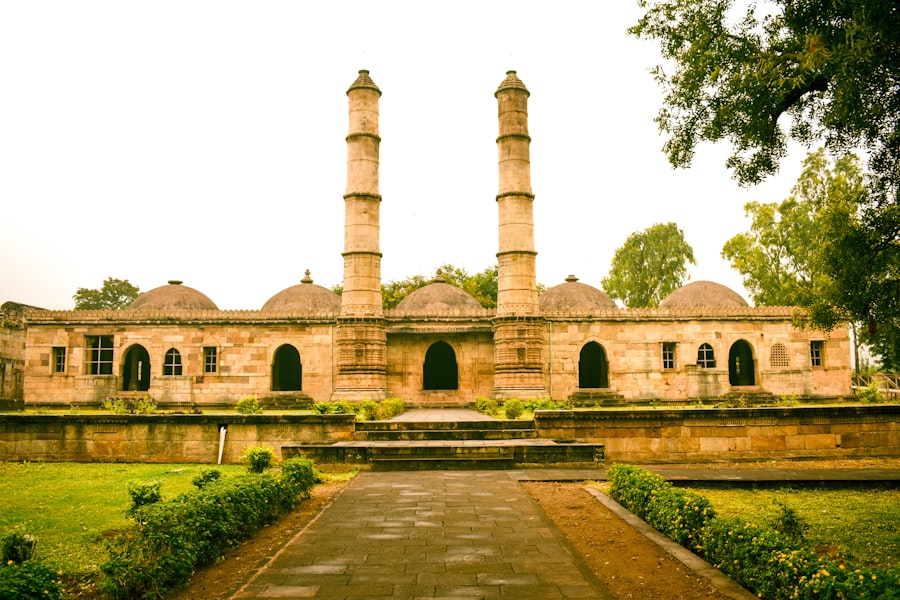
Sustainable tourism emerges as a vital component in the preservation of Egypt’s pyramids, offering a pathway to balance economic growth with cultural conservation. By promoting responsible travel practices, stakeholders can ensure that tourism contributes positively to local communities while minimizing its environmental impact. Initiatives such as guided tours that educate visitors about the historical significance of the pyramids can foster a deeper appreciation for these sites and encourage respectful behavior among tourists.
Furthermore, sustainable tourism can generate revenue that directly supports conservation efforts. By investing in infrastructure improvements and educational programs, local authorities can create a framework that prioritizes both visitor experience and heritage protection. This holistic approach not only enhances the preservation of Egypt’s pyramids but also empowers local communities by providing them with opportunities to engage with their cultural heritage in meaningful ways.
The Impact of Climate Change on Egypt’s Pyramid Ethical Heritage
Climate change poses an increasingly urgent threat to Egypt’s pyramid ethical heritage, with rising temperatures and extreme weather events potentially compromising the structural integrity of these ancient monuments. The effects of erosion, flooding, and desertification can lead to irreversible damage if not addressed promptly.
In addition to physical threats, climate change also impacts local communities that rely on tourism associated with these sites. As environmental conditions shift, so too may visitor patterns and economic stability for those who depend on tourism for their livelihoods. Addressing climate change requires a collaborative effort among governments, NGOs, and local communities to implement sustainable practices that protect both cultural heritage and economic resilience.
The Cultural and Spiritual Significance of Egypt’s Pyramids
The cultural and spiritual significance of Egypt’s pyramids extends far beyond their physical presence; they are deeply intertwined with the identity and beliefs of the Egyptian people. For centuries, these monumental structures have served as symbols of power, immortality, and divine connection. They embody the ancient Egyptians’ profound understanding of life after death and their reverence for their pharaohs as intermediaries between humanity and the divine.
Moreover, the pyramids continue to inspire awe and wonder among people from all walks of life. They serve as a reminder of humanity’s capacity for creativity and innovation while also prompting reflection on existential questions about life, death, and legacy. Preserving this cultural significance is essential not only for Egyptians but for all who seek to understand the complexities of human civilization.
Engaging Local Communities in the Preservation of Egypt’s Pyramids
Engaging local communities in the preservation of Egypt’s pyramids is crucial for fostering a sense of ownership and responsibility toward cultural heritage. By involving residents in conservation efforts, stakeholders can cultivate pride in their history while ensuring that preservation initiatives align with community values and needs. Educational programs that highlight the importance of these sites can empower locals to become advocates for their protection.
Additionally, community engagement can lead to innovative solutions for sustainable tourism practices that benefit both visitors and residents alike. By creating opportunities for local artisans to showcase their crafts or offering guided tours led by community members, stakeholders can enhance visitor experiences while generating income for those who live near these historic sites.
The Future of Egypt’s Pyramid Ethical Heritage
The future of Egypt’s pyramid ethical heritage hinges on proactive measures taken today to address ongoing challenges while embracing opportunities for collaboration and innovation. As global awareness regarding cultural preservation grows, there is potential for increased support from international organizations and governments committed to safeguarding these ancient wonders. By fostering partnerships that prioritize ethical stewardship, stakeholders can work together to ensure that future generations inherit a rich cultural legacy.
Moreover, advancements in technology offer new avenues for preservation efforts. Techniques such as 3D scanning and digital modeling can aid in documenting structural changes over time while providing valuable data for conservation strategies. Embracing these innovations will be essential in navigating the complexities associated with preserving Egypt’s pyramids amid evolving environmental conditions and societal needs.
Collaboration and International Efforts in Preserving Egypt’s Pyramids
Collaboration at both national and international levels is vital for effectively preserving Egypt’s pyramids. Various organizations dedicated to cultural heritage preservation have emerged globally, providing resources, expertise, and funding necessary for conservation initiatives. By fostering partnerships between governments, NGOs, academic institutions, and local communities, stakeholders can create comprehensive strategies that address both immediate threats and long-term sustainability.
International efforts also play a crucial role in raising awareness about the importance of preserving Egypt’s pyramid ethical heritage on a global scale. Initiatives such as UNESCO World Heritage designation highlight the universal value of these sites while encouraging collaborative projects aimed at safeguarding them from degradation. Through shared knowledge and resources, countries can work together to protect not only Egypt’s pyramids but also other significant cultural landmarks worldwide.
In conclusion, preserving Egypt’s pyramid ethical heritage is an endeavor that requires collective action across various sectors—governmental bodies, local communities, archaeologists, conservationists, tourists, and international organizations must unite in their commitment to safeguarding this invaluable legacy. By recognizing its historical significance, addressing contemporary threats, engaging local populations, promoting sustainable tourism practices, considering ethical implications, adapting to climate change challenges, celebrating its cultural importance, fostering collaboration—Egypt’s pyramids can continue to inspire awe for generations to come.
The ethical heritage protection of pyramids is a crucial topic that highlights the need for responsible stewardship of ancient sites. For a deeper understanding of the challenges and considerations involved in preserving these monumental structures, you can read more in this related article on ethical practices in heritage conservation. Check it out here: Ethical Heritage Protection.
WATCH THIS! 🔺 THEY LIED ABOUT THE PYRAMIDS — Here’s The Real Truth 🤯
FAQs
What is pyramid ethical heritage protection?
Pyramid ethical heritage protection refers to the principles and practices aimed at preserving the cultural, historical, and archaeological integrity of pyramid structures while respecting the ethical considerations related to their conservation and study.
Why is ethical protection important for pyramids?
Ethical protection ensures that pyramids are preserved responsibly, preventing damage or exploitation. It respects the cultural significance of these monuments and the communities connected to them, promoting sustainable tourism and research.
Who is responsible for protecting pyramid heritage ethically?
Responsibility typically lies with governments, cultural heritage organizations, archaeologists, local communities, and international bodies such as UNESCO, all working together to enforce laws and guidelines for ethical preservation.
What are common threats to pyramid heritage?
Common threats include environmental degradation, vandalism, looting, unregulated tourism, urban development, and inadequate conservation methods that can harm the structural and cultural integrity of pyramids.
How can ethical guidelines help in pyramid conservation?
Ethical guidelines provide frameworks for respectful excavation, documentation, restoration, and public engagement, ensuring that interventions do not compromise the authenticity or significance of the pyramids.
Are local communities involved in pyramid heritage protection?
Yes, involving local communities is crucial as they often have cultural ties to the pyramids. Their participation helps in safeguarding traditions, promoting awareness, and supporting sustainable management practices.
What role does international cooperation play in pyramid heritage protection?
International cooperation facilitates the sharing of expertise, funding, and technology, and helps enforce global standards for heritage protection, ensuring pyramids are preserved for future generations worldwide.
Can tourism impact pyramid ethical heritage protection?
Tourism can have both positive and negative impacts. While it raises awareness and funds for conservation, unregulated tourism can cause physical damage and cultural insensitivity, highlighting the need for ethical tourism practices.
What technologies are used in ethical pyramid heritage protection?
Technologies such as 3D scanning, remote sensing, and digital modeling help document and monitor pyramids non-invasively, aiding in preservation efforts without causing harm to the structures.
How can individuals contribute to pyramid ethical heritage protection?
Individuals can contribute by supporting responsible tourism, respecting site regulations, spreading awareness about the importance of preservation, and supporting organizations dedicated to cultural heritage protection.