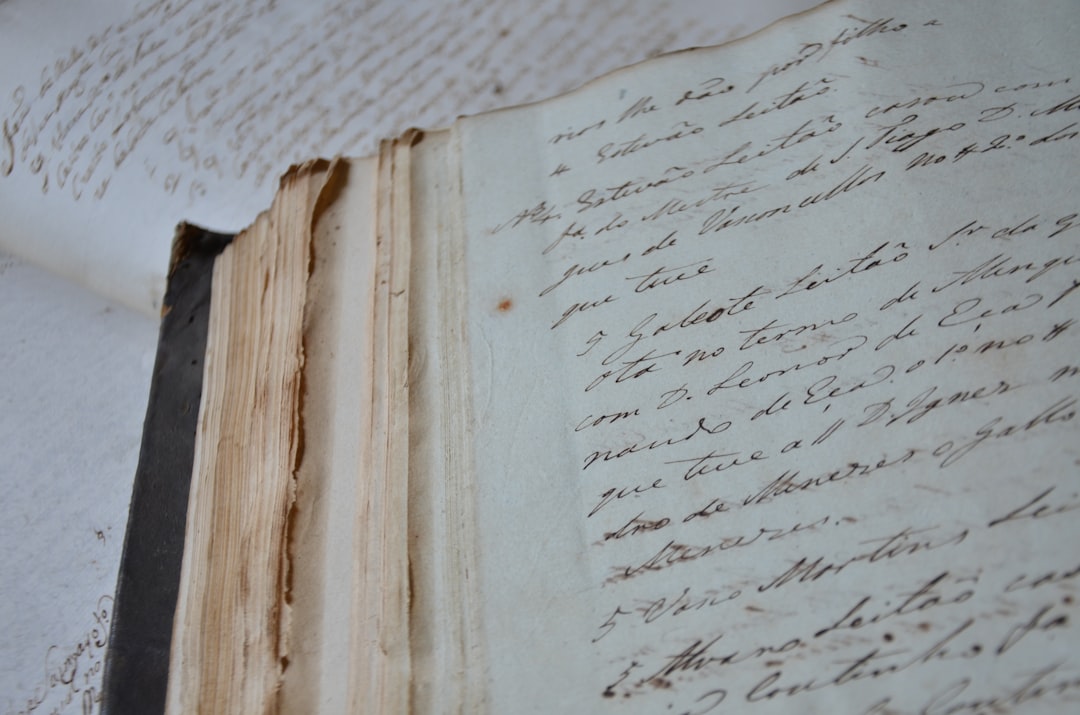
Ancient manuscripts represent primary historical sources that provide direct access to the knowledge, beliefs, and cultural practices of past civilizations. These handwritten documents were produced using traditional scribal methods and cover diverse subjects including religious doctrine, philosophical discourse, scientific research, and literary composition. Beyond their textual content, manuscripts function as material artifacts that preserve evidence of historical writing systems, production techniques, and intellectual traditions.
Manuscript studies constitute an interdisciplinary field incorporating methodologies from history, archaeology, linguistics, paleography, and art history. Researchers analyze these documents to understand their historical context, authorship, transmission patterns, and cultural significance. Many manuscripts contain decorative elements such as illuminated initials, marginalia, and miniature paintings that provide additional information about artistic traditions and workshop practices of their respective periods.
Ancient manuscripts have served as vehicles for knowledge transmission across cultures and centuries, contributing to the continuity of intellectual and cultural heritage. Their physical preservation requires specialized conservation techniques to prevent deterioration from environmental factors, handling, and age. Digital preservation initiatives now complement traditional conservation efforts, ensuring broader scholarly access while protecting original documents from excessive handling and exposure.
Key Takeaways
- Ancient manuscripts are vital cultural and historical records that require careful preservation.
- Scribes played a crucial role in copying and maintaining manuscripts in ancient times.
- Various materials like papyrus, parchment, and ink were used, influencing preservation methods.
- Ancient empires established libraries and employed specific techniques to conserve manuscripts.
- Modern technology enhances preservation efforts, ensuring manuscripts remain accessible for future study.
Importance of Preserving Ancient Manuscripts
The preservation of ancient manuscripts is paramount for several reasons. Firstly, these documents are primary sources that provide direct evidence of historical events, societal norms, and intellectual developments. By safeguarding them, historians can reconstruct narratives that inform our understanding of human civilization.
The loss of even a single manuscript can result in significant gaps in knowledge, making it imperative to protect these treasures from deterioration and destruction. Moreover, ancient manuscripts often embody the unique cultural identities of their creators. They reflect the languages, traditions, and worldviews of specific communities, serving as a testament to their existence and contributions to global heritage.
Preserving these manuscripts ensures that diverse voices are heard and that the richness of human experience is acknowledged. In an increasingly homogenized world, the survival of these texts is vital for maintaining cultural diversity and fostering appreciation for different perspectives.
Methods of Manuscript Preservation in Ancient Empires
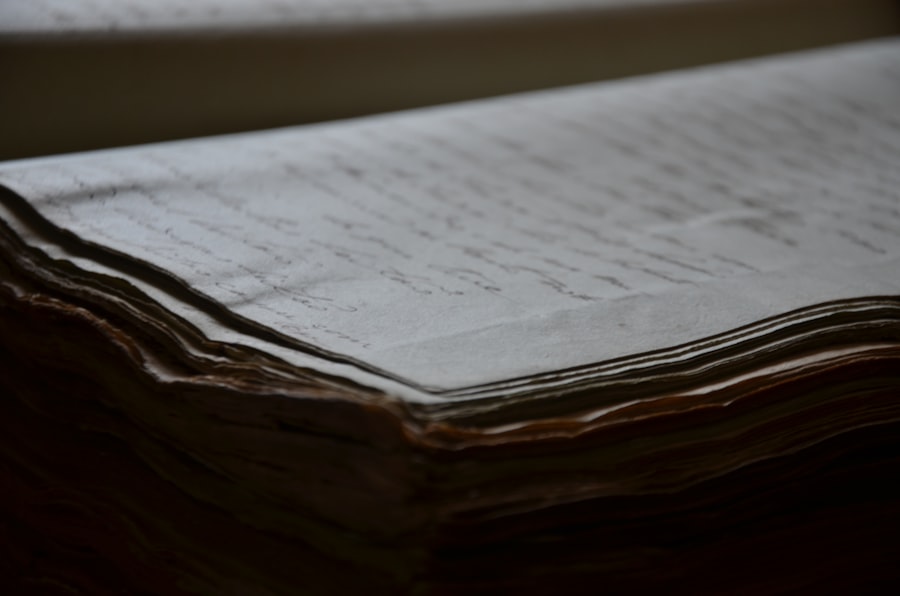
Throughout history, various ancient empires developed methods to preserve their manuscripts, often influenced by their cultural values and available resources. In ancient Egypt, for instance, papyrus was the primary medium for writing. Scribes meticulously crafted scrolls from this plant material, which was then stored in climate-controlled environments such as libraries or temples.
The Egyptians understood the importance of protecting their texts from moisture and pests, employing techniques such as sealing scrolls in jars to ensure their longevity. Similarly, in ancient Mesopotamia, clay tablets were used for recording information. The cuneiform script was inscribed onto soft clay using a stylus before being baked to harden the tablets.
This method not only preserved the text but also made it resistant to decay over time. The Babylonians and Assyrians established extensive libraries where these tablets were cataloged and stored under careful conditions. Such practices highlight the early recognition of the need for systematic preservation efforts in safeguarding knowledge.
Role of Scribes in Manuscript Preservation
Scribes played a pivotal role in the preservation of ancient manuscripts, serving as both writers and guardians of knowledge. In many cultures, scribes were highly respected individuals trained in the art of writing and familiar with various scripts and languages. Their expertise allowed them to create accurate copies of important texts, ensuring that knowledge could be disseminated across generations.
The meticulous nature of their work meant that they often spent years perfecting their craft, which included not only writing but also understanding the nuances of language and context. In addition to copying texts, scribes were responsible for maintaining libraries and archives. They organized manuscripts according to subject matter or importance, making it easier for future scholars to access information.
This organizational skill was crucial in preserving vast collections of knowledge that might otherwise have been lost to time. Scribes also engaged in the practice of annotating texts, adding commentary or explanations that enriched the original content. Their contributions were instrumental in ensuring that ancient wisdom was not only preserved but also interpreted and understood by subsequent generations.
Materials Used for Manuscript Writing and Preservation
| Empire | Time Period | Material Used for Manuscripts | Preservation Techniques | Notable Manuscript Collections | Estimated Survival Rate (%) |
|---|---|---|---|---|---|
| Ancient Egypt | c. 3100 BCE – 30 BCE | Papyrus | Storage in dry tombs, use of protective cases | Book of the Dead, Pyramid Texts | 5-10 |
| Mesopotamian Empire | c. 3500 BCE – 539 BCE | Clay tablets | Baking tablets to harden, storage in archives | Epic of Gilgamesh tablets | 15-20 |
| Ancient Greece | c. 800 BCE – 146 BCE | Parchment, Papyrus | Copying by scribes, storage in libraries | Library of Alexandria manuscripts | 10-15 |
| Roman Empire | 27 BCE – 476 CE | Parchment, Papyrus | Use of codices, archival storage | Legal codes, literary works | 12-18 |
| Gupta Empire (India) | c. 320 CE – 550 CE | Bark, Palm leaves | Coating with oils, storage in dry places | Religious and scientific texts | 8-12 |
| Han Dynasty (China) | 206 BCE – 220 CE | Bamboo slips, Silk | Binding techniques, storage in archives | Confucian classics, historical records | 10-15 |
The materials used for writing and preserving manuscripts varied significantly across different cultures and time periods. In ancient Egypt, papyrus was the preferred medium due to its availability and ease of use. Made from the pith of the papyrus plant, this material was lightweight and portable, making it ideal for scrolls.
However, papyrus was susceptible to damage from moisture and insects, necessitating careful storage practices. In contrast, other civilizations opted for more durable materials. The Chinese developed paper from mulberry bark and hemp fibers around the 2nd century CE, which proved to be a revolutionary advancement in manuscript production.
This new medium allowed for greater flexibility in writing and was less prone to deterioration than papyrus or parchment. Meanwhile, in Europe during the Middle Ages, parchment made from animal skins became the standard for manuscript creation. Parchment was more resilient than papyrus and could withstand the test of time if properly cared for.
Challenges in Preserving Ancient Manuscripts
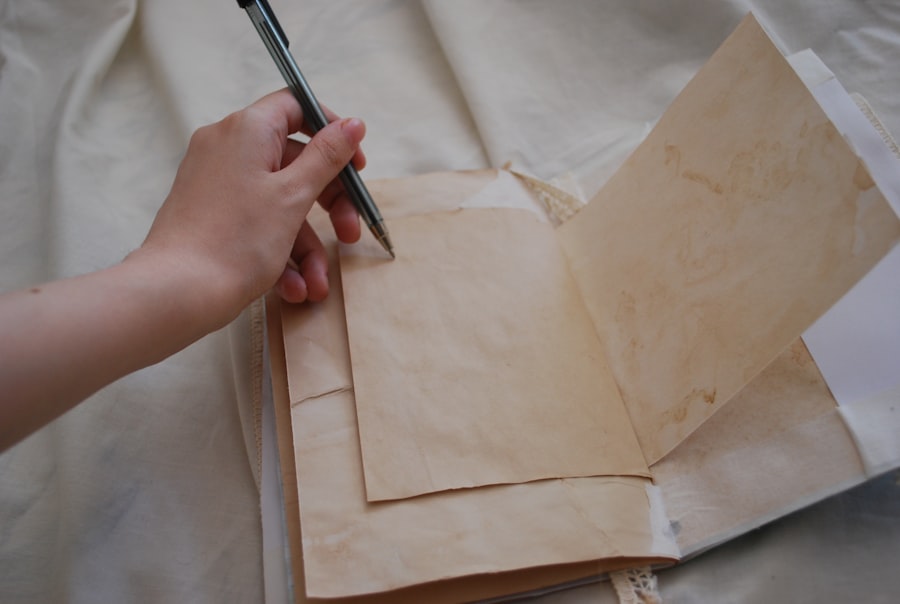
Despite the best efforts of ancient civilizations to preserve their manuscripts, numerous challenges have persisted throughout history. Environmental factors such as humidity, temperature fluctuations, and exposure to light can lead to deterioration over time. Many ancient manuscripts have suffered from mold growth, fading ink, or physical damage due to improper handling or storage conditions.
Additionally, human factors have posed significant threats to manuscript preservation. Wars, natural disasters, and cultural upheavals have resulted in the loss or destruction of countless texts.
Furthermore, the rise of digital technology has introduced new challenges; while digitization offers opportunities for preservation and accessibility, it also raises concerns about the potential loss of original artifacts as they become less valued in favor of digital copies.
Manuscript Libraries in Ancient Empires
Manuscript libraries served as vital centers for knowledge preservation in ancient empires. These institutions were often established by rulers or religious leaders who recognized the importance of safeguarding written works for future generations. The Library of Alexandria in Egypt stands as one of the most famous examples; it housed thousands of scrolls containing works from various cultures and disciplines.
Scholars from around the Mediterranean flocked to Alexandria to study its vast collection, making it a hub of intellectual activity. Similarly, in ancient Mesopotamia, temples functioned as repositories for clay tablets inscribed with cuneiform script. These temples not only served religious purposes but also acted as centers for learning and scholarship.
The careful cataloging and storage practices employed by scribes ensured that these libraries remained accessible to scholars seeking knowledge. The existence of such libraries underscores the value placed on written works in ancient societies and their commitment to preserving intellectual heritage.
Conservation Efforts for Ancient Manuscripts
Conservation efforts for ancient manuscripts have evolved significantly over time as awareness of their importance has grown. In recent decades, institutions dedicated to preserving cultural heritage have implemented various strategies to protect these fragile artifacts. Professional conservators employ techniques such as cleaning, repairing damaged pages, and stabilizing bindings to ensure that manuscripts remain intact for future study.
Moreover, advancements in technology have facilitated conservation efforts by allowing for non-invasive analysis of manuscripts. Techniques such as multispectral imaging enable researchers to examine faded texts without physically altering them. This approach not only aids in deciphering damaged manuscripts but also contributes to a deeper understanding of historical writing practices and materials used by ancient scribes.
Impact of Manuscript Preservation on Historical Understanding
The preservation of ancient manuscripts has had a profound impact on historical understanding across various fields of study. By providing direct access to primary sources, these texts allow historians to construct more accurate narratives about past events and societies. The ability to analyze original documents fosters a deeper appreciation for the complexities of human experience and encourages critical examination of historical interpretations.
Furthermore, preserved manuscripts often reveal previously unknown information about cultural practices, social structures, and intellectual developments within ancient civilizations. For instance, newly discovered texts can challenge established historical narratives or shed light on marginalized voices that have been overlooked in traditional accounts. As scholars continue to uncover and study these manuscripts, they contribute to a more nuanced understanding of history that acknowledges diverse perspectives.
Modern Techniques for Preserving Ancient Manuscripts
In contemporary times, modern techniques have revolutionized the field of manuscript preservation. Digital technology plays a crucial role in safeguarding fragile texts by creating high-resolution digital copies that can be accessed by researchers worldwide without risking damage to the originals. Digitization projects undertaken by libraries and archives have made vast collections available online, democratizing access to knowledge that was once confined to physical locations.
Additionally, advancements in materials science have led to the development of specialized storage solutions designed to protect manuscripts from environmental threats. Archival-quality boxes made from acid-free materials help prevent deterioration caused by exposure to pollutants or light. Furthermore, climate-controlled storage facilities equipped with humidity control systems ensure that manuscripts are kept in optimal conditions for preservation.
Future of Ancient Manuscript Preservation
The future of ancient manuscript preservation holds both promise and challenges as society grapples with balancing technological advancements with traditional conservation methods. As digital archives continue to expand, there is an ongoing debate about how best to preserve the physical artifacts themselves while ensuring their accessibility through digital means. The challenge lies in finding sustainable practices that honor both the original materials and the need for widespread access.
Moreover, increased collaboration between institutions worldwide can enhance preservation efforts by sharing knowledge and resources. International partnerships can facilitate training programs for conservators and promote best practices in manuscript preservation across different cultural contexts. As awareness grows regarding the significance of preserving our shared heritage, it is hoped that future generations will continue to prioritize the safeguarding of ancient manuscripts as vital links to our collective past.
In conclusion, ancient manuscripts are not merely relics; they are essential components of human history that require diligent preservation efforts. Through understanding their importance, employing effective conservation techniques, and fostering collaboration among scholars and institutions worldwide, society can ensure that these invaluable texts endure for generations to come.
In exploring the fascinating topic of manuscript preservation in ancient empires, one can gain valuable insights from the article available on the Lore and Order website. This resource delves into the methods and materials used by ancient civilizations to safeguard their written records, highlighting the significance of these practices in the context of cultural heritage. For more information, you can read the article [here](https://www.
com/).
WATCH THIS! 🏛️ Empires Didn’t Collapse—They Got Erased: The Pattern Nobody Sees
FAQs
What is manuscript preservation in ancient empires?
Manuscript preservation in ancient empires refers to the methods and practices used to protect, maintain, and transmit written documents and texts over time. These manuscripts often contained important religious, legal, historical, and literary information.
Why was manuscript preservation important in ancient empires?
Preserving manuscripts was crucial for maintaining cultural heritage, ensuring the continuity of knowledge, supporting administrative functions, and passing down religious and philosophical teachings to future generations.
What materials were commonly used for manuscripts in ancient empires?
Common materials included papyrus in Egypt, parchment or vellum made from animal skins in the Roman and Byzantine empires, palm leaves in South Asia, and bamboo or silk in ancient China.
How did ancient empires protect manuscripts from damage?
Ancient empires used various techniques such as storing manuscripts in dry, cool environments, using protective cases or containers, applying preservatives like oils or resins, and copying texts regularly to prevent loss from decay or damage.
Which ancient empires are known for their manuscript preservation efforts?
Notable empires include the Egyptian civilization, the Roman and Byzantine empires, the Gupta Empire in India, the Tang and Song dynasties in China, and the Islamic Caliphates, all of which developed significant manuscript preservation traditions.
What role did scribes and scholars play in manuscript preservation?
Scribes and scholars were responsible for copying manuscripts by hand, correcting errors, organizing texts, and sometimes translating works, thereby ensuring the survival and dissemination of knowledge.
How did the invention of paper impact manuscript preservation?
The invention and spread of paper, particularly from China to the Islamic world and Europe, provided a more affordable and durable medium for writing, which facilitated wider distribution and better preservation of manuscripts.
Are any ancient manuscripts still preserved today?
Yes, many ancient manuscripts have survived and are preserved in museums, libraries, and archives worldwide. Examples include the Dead Sea Scrolls, the Codex Sinaiticus, and ancient Buddhist palm-leaf manuscripts.
What challenges did ancient empires face in preserving manuscripts?
Challenges included environmental factors like humidity and insects, physical wear from handling, political instability leading to destruction, and the limited lifespan of writing materials.
How has the study of ancient manuscript preservation contributed to modern knowledge?
Studying ancient manuscript preservation has provided insights into historical cultures, languages, religious practices, and administrative systems, as well as informing modern conservation techniques for fragile documents.