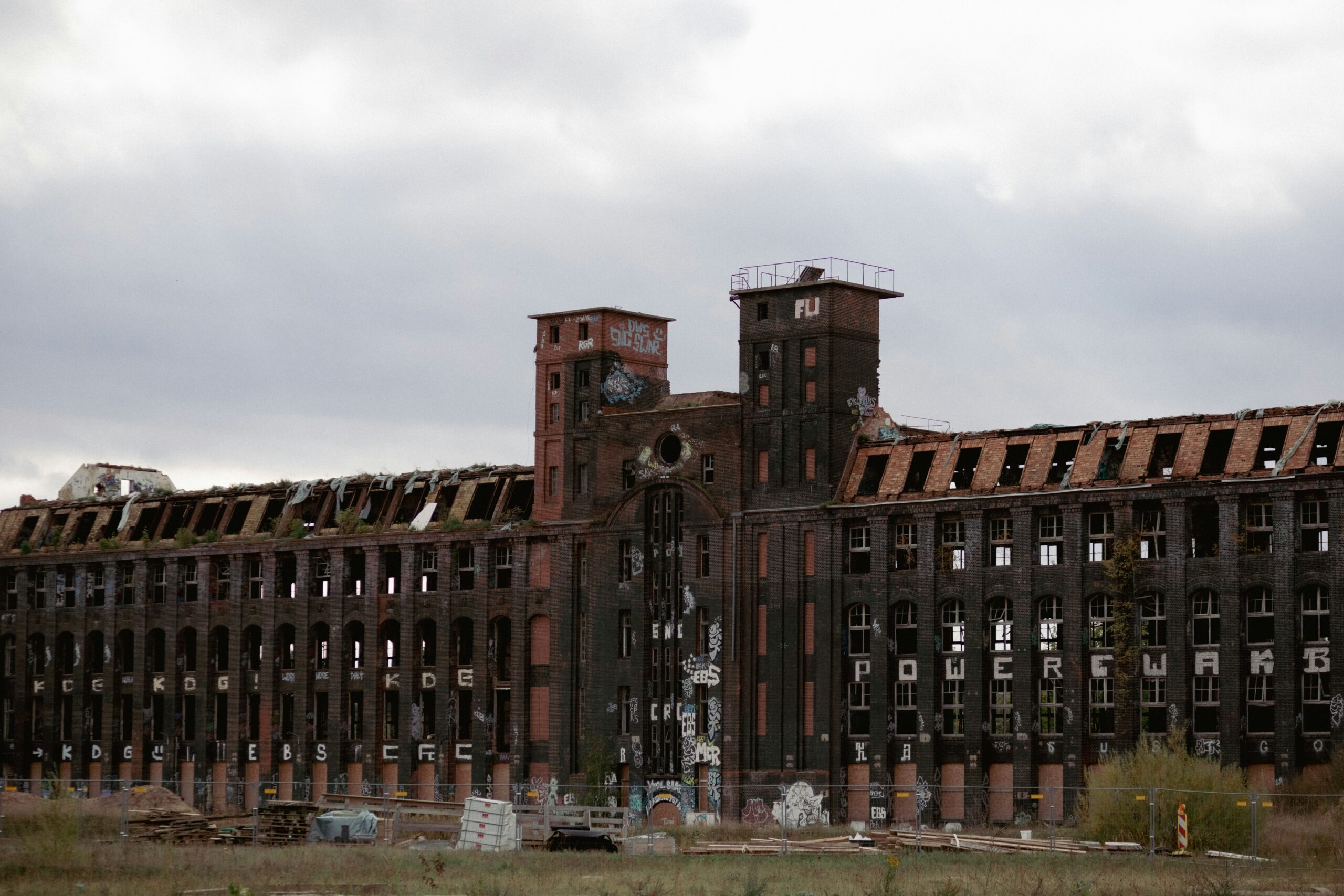
The German industrial landscape, a bedrock of the nation’s economic prosperity, is facing a growing challenge: the potential exodus of manufacturing operations. This trend, often referred to as “deindustrialization” or “reshoring” by other nations, represents a complex interplay of global economic forces and domestic policy. The departure of factories, which have historically been engines of job creation and innovation, carries significant implications for employment, regional development, and Germany’s position on the international stage. Understanding the drivers behind this phenomenon is the first step in formulating effective strategies to counteract it.
Understanding the Drivers of Factory Relocation
Several interconnected factors contribute to the allure of relocating manufacturing operations away from Germany. These range from the direct costs of doing business to the broader geopolitical and economic environment. Addressing these root causes is paramount to developing a robust defense against factory flight.
High Energy Costs and the Green Transition
The ambitious Energiewende, Germany’s transition to renewable energy, while crucial for environmental sustainability, has inadvertently created a significant challenge for energy-intensive industries. The phasing out of nuclear and coal power, coupled with the investment required for renewable infrastructure, has led to considerable increases in electricity prices. For factories that rely heavily on electricity for their production processes, such as those in the chemical, metal, and automotive sectors, these elevated costs can become a critical factor in their decision-making calculus. When competing on a global scale, where energy prices in other regions may be substantially lower, this cost differential can tip the scales towards relocation.
- Impact on Energy-Intensive Industries: Sectors like chemicals, aluminum production, and steel manufacturing are particularly vulnerable to high energy prices. Their profit margins can be significantly eroded by escalating electricity bills.
- Competitiveness Disadvantage: German manufacturers operating with higher energy costs are at a disadvantage compared to their international counterparts who benefit from cheaper power. This erosion of competitiveness can lead to a gradual shift of production to more cost-effective locations.
- The Balancing Act of Sustainability and Industry: The challenge lies in reconciling Germany’s commitment to climate protection with the need to maintain a competitive industrial base. Finding innovative solutions that decouple economic growth from high energy consumption is essential.
Labor Costs and Regulatory Burdens
While Germany boasts a highly skilled and productive workforce, the associated labor costs, including wages, social security contributions, and benefits, are also among the highest in the world. This is further compounded by a complex and often perceived as rigid regulatory framework. Businesses operate within a dense web of environmental, labor, and safety regulations that, while intended to protect workers and the environment, can also increase compliance costs and administrative overhead. For some companies, the perceived inflexibility of these regulations can hinder rapid adaptation to market changes or the implementation of innovative production methods.
- Wage Levels and Social Contributions: The comprehensive social welfare system, a hallmark of German society, translates into significant employer contributions. While this provides a strong social safety net, it adds to the overall cost of labor.
- Bureaucratic Processes and Permitting: Navigating bureaucratic procedures for permits, inspections, and approvals can be time-consuming and resource-intensive. This can slow down investment decisions and project implementation.
- Labor Laws and Flexibility: While strong worker protections are valued, some argue that certain aspects of German labor law can limit operational flexibility for businesses, particularly in responding to fluctuating demand.
Global Competition and Shifting Supply Chains
The global economic landscape is in constant flux, with emerging economies offering increasingly attractive production capabilities. Lower labor costs, less stringent regulations, and access to new markets can make these regions a compelling alternative for manufacturers. Furthermore, the COVID-19 pandemic exposed the vulnerabilities of long and complex global supply chains, prompting many companies to re-evaluate their strategies. While some have sought to diversify their supply base, others have considered bringing production closer to home (reshoring) or to more politically stable regions. For Germany, the risk is that this re-evaluation leads to production being relocated away from its shores rather than being retained or brought back.
- Emerging Market Advantages: Countries with lower production costs and rapidly developing infrastructure present a permanent competitive challenge to established industrial nations.
- Supply Chain Resilience: The desire for more secure and resilient supply chains can lead to decisions driven by proximity and reduced geopolitical risk, which may not always favor Germany.
- Trade Policies and Tariffs: International trade agreements, tariffs, and trade disputes can also influence investment decisions, encouraging companies to establish production facilities within specific trade blocs.
Technological Advancements and Automation
While Germany is a leader in industrial automation and Industry 4.0, the rapid pace of technological change also presents challenges. Companies may find that older facilities or production lines are no longer competitive in a world increasingly dominated by advanced robotics and artificial intelligence. The substantial investment required to upgrade or retool existing plants can be a significant barrier, especially for smaller and medium-sized enterprises (SMEs). If the technological leap required is too large or too costly, the alternative may be to adopt new technologies in a new, purpose-built facility elsewhere.
- Investment in Automation: Implementing advanced automation and AI requires significant capital expenditure, which can be a hurdle for some businesses.
- Obsolescence of Existing Infrastructure: Older factories may not be equipped to leverage the latest technological advancements, leading to a gradual loss of efficiency and competitiveness.
- The “Greenfield vs. Brownfield” Dilemma: Companies often face a choice between investing in existing, often older, “brownfield” sites or building new, state-of-the-art “greenfield” facilities. The latter option can be more attractive if the cost of modernizing the former is prohibitive.
Strategic Pillars for Retaining Manufacturing
To effectively prevent an industrial exodus, a multi-pronged approach is required, addressing the previously identified drivers with targeted, pragmatic strategies. These strategies must foster an environment where German factories can not only survive but thrive, remaining competitive on the global stage.
In light of the ongoing discussions about strategies to prevent the exodus of factories from Germany, it is essential to consider the broader economic implications that such a shift could have on the global market. An insightful article that explores related economic challenges is titled “Top 5 Worst Assets Before Dollar Crash,” which delves into potential risks and asset vulnerabilities in the current financial landscape. For more information, you can read the article here: Top 5 Worst Assets Before Dollar Crash.
Enhancing Energy Affordability and Security
The high cost of energy is a significant deterrent for industrial activity in Germany. A comprehensive strategy to address this involves a transition that balances sustainability with economic viability, ensuring that businesses have access to affordable and reliable power.
Promoting Industrial Power Pricing and Subsidies
The German government can implement mechanisms to mitigate the impact of high energy costs on industrial consumers. This could involve offering preferential electricity tariffs for energy-intensive industries, similar to schemes employed by other nations. These tariffs would acknowledge the critical role of these industries in the German economy and their specific energy needs.
- Targeted Tariffs for Industry: Implementing a system where large industrial energy consumers benefit from reduced electricity prices, contingent on continued operation and investment in Germany.
- Balancing Market Principles with Economic Necessity: Finding a way to subsidize industrial energy without distorting broader market dynamics or creating unfair competition within the domestic economy.
- Examining International Best Practices: Learning from other industrial nations that have successfully implemented mechanisms to ensure affordable industrial energy.
Accelerating the Expansion of Renewable Energy Infrastructure
While the transition to renewables is ongoing, the pace of expansion for both generation capacity and grid infrastructure needs to be significantly accelerated. Investing in offshore wind, solar farms, and advanced grid technologies can increase the supply of clean energy and, as economies of scale are realized, potentially reduce overall energy costs.
- Streamlining Permitting for Renewable Projects: Reducing bureaucratic hurdles and speeding up the approval processes for the construction of new renewable energy installations.
- Investing in Grid Modernization and Expansion: Ensuring the electricity grid can handle the increased and often intermittent supply from renewable sources, preventing bottlenecks and ensuring reliability.
- Exploring New Energy Sources and Technologies: Investigating the potential of emerging energy technologies, such as green hydrogen production powered by renewables, as a future energy source for industry.
Encouraging Energy Efficiency and On-Site Generation
Beyond external energy supply, fostering a culture of energy efficiency within factories and encouraging on-site renewable energy generation can significantly reduce reliance on the grid and lower operational costs. Government incentives and tax breaks for investments in energy-saving technologies and self-generation can be powerful tools.
- Incentivizing Energy Audits and Upgrades: Providing financial support for companies undertaking comprehensive energy audits and implementing energy-saving measures in their production processes.
- Promoting On-Site Solar and Wind Power: Offering incentives for factories to install their own renewable energy generation capacity, reducing their dependence on external grid power.
- Exploring Waste Heat Recovery Systems: Encouraging investment in technologies that capture and reuse waste heat generated during industrial processes, thereby reducing overall energy demand.
Streamlining Regulatory Frameworks and Reducing Bureaucracy

A complex and sometimes inflexible regulatory environment can act as a drag on industrial growth. Strategic simplification and modernization of these frameworks are crucial for creating a more agile and attractive business climate.
Reducing Administrative Burdens and Permitting Times
The time and resources required to navigate German bureaucracy for permits, licenses, and approvals can be substantial. Implementing digital solutions, introducing single points of contact for businesses, and setting clear deadlines for administrative processes can significantly expedite these procedures.
- Digitalization of Administrative Processes: Moving administrative tasks online to improve efficiency, transparency, and accessibility for businesses.
- One-Stop Shops for Industrial Investment: Establishing dedicated agencies or service points that can guide businesses through all necessary permits and procedures for setting up or expanding operations.
- Setting Clear Timelines for Approvals: Implementing firm deadlines for regulatory bodies to process applications, ensuring predictability for investment decisions.
Reviewing and Adapting Labor and Environmental Regulations
While the underlying principles of worker protection and environmental stewardship are vital, a periodic review of existing regulations can identify areas where greater flexibility or modernization is possible without compromising core values. This could involve targeted adjustments to streamline processes for innovation or to adapt to specific industrial needs.
- Targeted Flexibility in Labor Laws: Examining if specific aspects of labor law can be adapted to allow for greater operational flexibility in certain sectors, without undermining worker rights.
- Promoting a Harmonized Approach to Environmental Standards: While maintaining high standards, exploring ways to harmonize regulatory approaches across different regions or sectors to reduce complexity for multi-site operations.
- Focusing on Outcomes Rather Than Prescriptive Processes: Where possible, shifting the focus from rigid prescriptive processes to defined outcome-based standards, allowing businesses more flexibility in how they achieve compliance.
Fostering Industry-Government Dialogue and Collaboration
Open and continuous dialogue between government bodies and industry representatives is essential for identifying potential regulatory challenges and collaboratively developing practical solutions. Regular forums for feedback and consultation can ensure that regulations remain relevant and effective.
- Regular Consultations with Industry Associations: Establishing consistent platforms for dialogue between government ministries and industry bodies to discuss regulatory challenges and identify potential solutions.
- Pilot Projects for Regulatory Innovation: Implementing pilot programs to test new regulatory approaches or streamlined processes with select industries before broader rollout.
- Investing in Competent and Responsive Administration: Ensuring that administrative bodies are adequately staffed, trained, and empowered to respond efficiently to the needs of businesses.
Investing in Research, Development, and Innovation

Germany’s strength has historically been rooted in its innovative capacity. Continued investment in research and development (R&D) and the seamless transfer of innovation from the lab to the factory floor are critical for maintaining a competitive edge.
Strengthening Funding for Industrial R&D and Innovation Hubs
Increased public and private investment in R&D is essential. This includes direct funding for research institutions, universities, and collaborative projects between industry and academia. Establishing and supporting innovation hubs and clusters can foster cross-pollination of ideas and accelerate the adoption of new technologies.
- Increased Public Funding for Applied Research: Allocating greater resources to research institutions and universities focusing on applied research relevant to industrial needs.
- Incentivizing Private Sector R&D Investment: Offering tax credits or grants for companies undertaking R&D activities, particularly in areas of strategic importance.
- Developing and Supporting Innovation Clusters: Investing in the infrastructure and support networks for industry-specific innovation clusters to foster collaboration and knowledge sharing.
Facilitating Technology Transfer and Commercialization
The journey from an innovative idea to a marketable product can be fraught with challenges. Streamlining the processes for technology transfer from research institutions to businesses, supporting start-ups and spin-offs, and providing funding for the commercialization of new technologies are crucial.
- Bridging the “Valley of Death” for Start-ups: Providing financial and advisory support for new technology ventures to overcome the critical early stages of development and market entry.
- Promoting Collaborative Research Projects: Encouraging and funding joint R&D projects between universities, research institutes, and industrial partners.
- Intellectual Property Protection and Support: Ensuring robust mechanisms for intellectual property protection and offering expert advice to businesses on patenting and licensing.
Promoting Digitalization and Industry 4.0 Adoption
Embracing Industry 4.0, with its focus on smart factories, interconnected systems, and data analytics, is no longer optional but a necessity. Government support for the adoption of digital technologies, training programs for the digital workforce, and cybersecurity measures are vital.
- Digitalization Vouchers and Grants: Providing financial assistance for SMEs to invest in digital technologies, automation, and data analytics solutions.
- Developing a Skilled Digital Workforce: Investing in vocational training and higher education programs to equip the workforce with the digital skills required for Industry 4.0.
- Enhancing Cybersecurity Infrastructure: Supporting businesses in developing robust cybersecurity measures to protect their digital operations and sensitive data.
To address the pressing issue of preventing the exodus of factories from Germany, it is essential to explore various strategies that can enhance the competitiveness of the manufacturing sector. One insightful article that discusses the importance of securing communication lines in the cislunar space highlights how technological advancements can play a crucial role in supporting industrial growth. By implementing best practices in communication and technology, Germany can ensure that its factories remain at the forefront of innovation and efficiency. For more information on this topic, you can read the article on securing cislunar communication lines.
Fostering a Skilled and Adaptable Workforce
| Strategy | Description | Key Metrics | Expected Impact |
|---|---|---|---|
| Tax Incentives | Offering reduced corporate taxes or tax credits to factories that remain in Germany. | Tax rate reduction percentage, Number of factories benefiting | Increase in factory retention by 10-15% |
| Investment in Automation | Supporting factories to adopt advanced automation to reduce labor costs and increase efficiency. | Automation adoption rate, Productivity increase (%) | Reduction in operational costs by up to 20% |
| Skilled Workforce Development | Enhancing vocational training and education to provide factories with qualified workers. | Number of trained workers, Employment rate in manufacturing | Improved productivity and reduced labor shortages |
| Infrastructure Improvement | Upgrading transport, energy, and digital infrastructure to support factory operations. | Infrastructure investment amount, Logistics efficiency metrics | Faster supply chain and reduced downtime |
| Energy Cost Reduction | Providing subsidies or incentives for renewable energy use to lower factory energy expenses. | Energy cost savings (%), Renewable energy adoption rate | Lower operational costs and improved sustainability |
| Regulatory Simplification | Streamlining bureaucratic processes to make factory operations easier and faster. | Time to obtain permits, Number of regulatory steps reduced | Reduced administrative burden and faster project implementation |
A highly skilled and continuously learning workforce is the engine of any successful industrial nation. Germany needs to ensure it has the talent pipeline required to meet the evolving demands of modern manufacturing.
Strengthening Vocational Training and Apprenticeship Programs
Germany’s renowned dual vocational training system is a cornerstone of its industrial success. Continued investment in and modernization of these programs, ensuring they align with the latest industry needs and technological advancements, is paramount. This includes addressing emerging fields like data science, AI in manufacturing, and sustainable production.
- Modernizing Curricula for Emerging Technologies: Regularly updating vocational training curricula to incorporate skills demanded by Industry 4.0, automation, AI, and sustainable manufacturing practices.
- Increasing the Attractiveness of Vocational Careers: Promoting vocational training as a viable and rewarding career path, comparable to academic routes.
- Expanding Apprenticeship Opportunities: Encouraging more companies to offer apprenticeships and providing support for small and medium-sized enterprises to participate in these programs.
Investing in Continuous Learning and Upskilling Initiatives
The rapid pace of technological change necessitates a commitment to lifelong learning. Government and industry must collaborate to provide accessible and effective programs for upskilling and reskilling the existing workforce, allowing them to adapt to new roles and technologies.
- Providing Accessible Upskilling and Reskilling Programs: Offering flexible and subsidized training programs for existing employees to acquire new skills and adapt to evolving job requirements.
- Encouraging Employer-Sponsored Training: Implementing incentives for companies to invest in the continuous professional development of their employees.
- Developing Digital Learning Platforms: Utilizing online learning platforms and blended learning approaches to make training more accessible and scalable.
Attracting and Retaining Skilled Labor
Beyond training, Germany needs to ensure it can attract and retain the necessary skilled labor, both domestically and internationally. This involves addressing demographic challenges, creating attractive living and working conditions, and streamlining immigration processes for skilled workers.
- Addressing Demographic Shifts: Developing strategies to mitigate the impact of an aging population and declining birth rates on the workforce.
- Improving Work-Life Balance and Lifestyle Offerings: Enhancing the overall attractiveness of Germany as a place to live and work, beyond just the professional sphere.
- Streamlining Immigration for Skilled Workers: Creating efficient and transparent pathways for highly skilled professionals and technicians to contribute to the German economy.
Strengthening Global Competitiveness Through Strategic Trade and Investment Policies
Germany’s industrial competitiveness is intrinsically linked to its engagement with the global economy. Strategic trade policies, investment incentives, and international partnerships are crucial for securing long-term growth and preventing factory exodus.
Negotiating Favorable Trade Agreements and Reducing Trade Barriers
Actively pursuing and negotiating free trade agreements that open up new markets for German goods and services is essential. Simultaneously, efforts to reduce existing trade barriers and tariffs on critical raw materials and components used in German manufacturing can lower production costs.
- Proactive Engagement in International Trade Negotiations: Advocating for German industrial interests in the development and implementation of international trade agreements.
- Reducing Tariffs on Industrial Inputs: Working to lower import tariffs on raw materials, intermediate goods, and specialized machinery essential for German manufacturing.
- Ensuring Fair Competition in Global Markets: Addressing instances of unfair trade practices or protectionism by other countries that disadvantage German industries.
Providing Investment Incentives for Domestic Expansion and Reinvestment
Creating an attractive environment for both new investments and the reinvestment of profits by existing German companies is key. This can involve targeted financial incentives, subsidies for R&D and modernization, and support for mergers and acquisitions that strengthen domestic industrial capacity.
- Investment Tax Credits and Grants: Offering financial incentives for companies undertaking significant capital investments in new factories, equipment, or modernization projects within Germany.
- Subsidies for Innovation and Technology Adoption: Providing financial support for companies investing in cutting-edge technologies and R&D to enhance their competitive edge.
- Facilitating Mergers and Acquisitions: Streamlining regulatory processes and potentially offering financial support to facilitate mergers and acquisitions that lead to stronger, more competitive German industrial entities.
Promoting “Friend-Shoring” and Diversification of Supply Chains
In an increasingly complex geopolitical climate, diversifying supply chains and fostering trade relationships with politically stable and allied nations (friend-shoring) can enhance resilience and reduce risk. This strategy can also involve encouraging German companies to invest in production facilities within these trusted networks.
- Identifying and Prioritizing Reliable Trading Partners: Actively fostering stronger economic ties and partnerships with nations that share democratic values and offer stable operating environments.
- Incentivizing Diversification of Critical Supply Chains: Encouraging German companies to reduce their reliance on single suppliers or regions for critical components and raw materials.
- Supporting German Investments in Strategic Allied Nations: Providing support or guarantees for German companies looking to establish production or R&D facilities in strategically important allied countries.
The challenge of preventing German factory exodus is not a simple one, but it is a solvable one. By implementing a comprehensive and consistent set of strategies, Germany can fortify its industrial base, ensuring continued prosperity and a strong position in the global economy for generations to come. This requires foresight, sustained commitment, and a willingness to adapt to the ever-changing currents of global commerce.
FAQs
What are the main reasons behind the German factory exodus?
The primary reasons include high labor costs, stringent regulations, increasing energy prices, and global competition driving companies to seek more cost-effective locations.
How can Germany retain its manufacturing industries?
Germany can retain its manufacturing industries by investing in advanced technologies, improving infrastructure, offering tax incentives, and fostering skilled labor through education and training programs.
What role does government policy play in preventing factory relocation?
Government policy is crucial as it can create a favorable business environment through subsidies, reducing bureaucratic hurdles, ensuring energy affordability, and supporting innovation to keep factories competitive.
Are there examples of successful strategies used by German companies to stay competitive?
Yes, many German companies have adopted Industry 4.0 technologies, automated production processes, and focused on high-quality, specialized products to maintain competitiveness and reduce the incentive to relocate.
How does energy cost impact the decision to move factories out of Germany?
High energy costs significantly impact operational expenses, making it less attractive for energy-intensive industries to remain in Germany, thus influencing decisions to relocate to countries with cheaper energy sources.