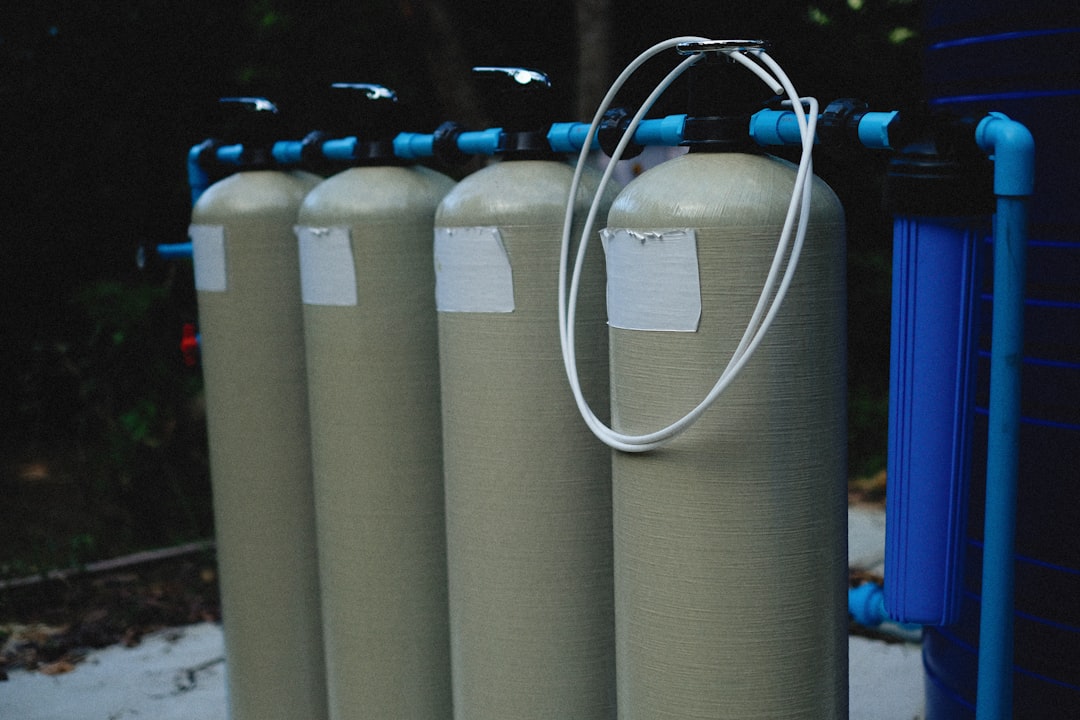
The history of Maya filtration is deeply intertwined with the ancient practices of the Maya civilization, which flourished in Mesoamerica for thousands of years. The Maya were not only skilled architects and astronomers but also adept at managing their water resources. Archaeological evidence suggests that they developed sophisticated methods for water collection and purification long before modern filtration systems were conceived.
They utilized natural materials such as sand, gravel, and charcoal to create rudimentary filtration systems that effectively removed impurities from water sources. This ingenuity allowed them to thrive in regions where clean water was scarce, showcasing their understanding of the importance of water quality for health and survival. As time progressed, the knowledge of these filtration techniques was passed down through generations, becoming an integral part of the cultural heritage of indigenous communities in Central America.
The traditional methods employed by the Maya have been adapted and refined over centuries, reflecting a deep respect for nature and an understanding of local ecosystems. Today, these ancient practices are being rediscovered and revitalized in modern contexts, as communities seek sustainable solutions to contemporary water challenges. The legacy of Maya filtration serves as a testament to the resilience and resourcefulness of indigenous peoples in their quest for clean water.
Key Takeaways
- Maya filtration has a rich history dating back to ancient civilizations in Mesoamerica
- The science behind Maya filtration involves the use of natural materials like sand, gravel, and charcoal to purify water
- Using Maya filtration systems can lead to improved water taste, reduced contaminants, and lower maintenance costs
- Maya filtration is a sustainable and cost-effective method compared to other water filtration methods
- Maya filtration has a positive environmental impact by reducing the need for chemical treatment and plastic waste
Understanding the Science Behind Maya Filtration
At its core, Maya filtration relies on fundamental principles of physics and chemistry to purify water. The process typically involves passing water through layers of natural materials that act as filters. Sand and gravel serve as mechanical filters, trapping larger particles and sediments, while activated charcoal plays a crucial role in adsorbing contaminants, including chemicals and microorganisms.
This multi-layered approach not only enhances the clarity of the water but also significantly reduces harmful substances, making it safer for consumption. The effectiveness of Maya filtration systems can be attributed to their design, which mimics natural filtration processes found in rivers and lakes. As water flows through various layers, it undergoes physical and chemical changes that improve its quality.
For instance, the interaction between water and charcoal can lead to the breakdown of organic compounds, while the physical barriers created by sand and gravel prevent larger debris from passing through. This scientific foundation underscores the importance of traditional knowledge in developing effective water purification methods that are both sustainable and environmentally friendly.
The Benefits of Using Maya Filtration Systems

Maya filtration systems offer a multitude of benefits that extend beyond mere water purification. One of the most significant advantages is their sustainability. By utilizing locally sourced materials, these systems reduce reliance on industrial filtration technologies that often require energy-intensive processes and generate waste.
This eco-friendly approach aligns with the principles of sustainable development, promoting a harmonious relationship between communities and their environment. Moreover, the use of Maya filtration systems can lead to improved public health outcomes. Access to clean drinking water is essential for preventing waterborne diseases, which disproportionately affect vulnerable populations.
By implementing these traditional filtration methods, communities can significantly reduce the incidence of illnesses caused by contaminated water sources. Additionally, the affordability of these systems makes them accessible to a broader range of households, empowering individuals to take control of their water quality without incurring substantial costs.
How Maya Filtration Compares to Other Water Filtration Methods
| Filtration Method | Effectiveness | Cost | Maintenance |
|---|---|---|---|
| Maya Filtration | High | Medium | Low |
| Reverse Osmosis | Very High | High | Medium |
| Activated Carbon | Medium | Low | High |
| UV Purification | High | High | Low |
When comparing Maya filtration systems to other water filtration methods, several key differences emerge. Traditional filtration techniques often rely on advanced technology and complex machinery, which can be expensive and require ongoing maintenance. In contrast, Maya filtration systems are simple in design and can be constructed using readily available materials.
This simplicity not only makes them cost-effective but also allows for easy replication in various settings. Furthermore, while many modern filtration systems focus on removing specific contaminants through chemical processes, Maya filtration emphasizes a holistic approach to water purification. By combining physical filtration with natural materials, these systems address a broader range of impurities without introducing additional chemicals into the water supply.
This distinction highlights the value of traditional knowledge in developing effective solutions that prioritize both health and environmental sustainability.
The Environmental Impact of Maya Filtration
The environmental impact of Maya filtration systems is largely positive, as they promote sustainable practices that minimize ecological harm. By utilizing natural materials for filtration, these systems reduce the need for synthetic chemicals and energy-intensive processes associated with conventional water treatment methods. This not only lowers carbon emissions but also conserves resources by relying on locally sourced materials.
Additionally, the implementation of Maya filtration systems can contribute to the preservation of local ecosystems. By encouraging communities to engage with their natural surroundings and utilize available resources responsibly, these systems foster a sense of stewardship for the environment. This connection between people and nature is vital for promoting biodiversity and ensuring the long-term health of ecosystems that provide essential services such as clean water.
The Role of Maya Filtration in Providing Clean Water to Communities

Maya filtration plays a crucial role in addressing the pressing issue of clean water access in many communities across Central America. In regions where infrastructure is lacking or contaminated water sources are prevalent, these traditional filtration systems offer a viable solution for improving public health outcomes. By providing communities with the tools to purify their own water, Maya filtration empowers individuals to take charge of their health and well-being.
Moreover, the implementation of these systems often fosters community engagement and collaboration. As individuals come together to construct and maintain filtration systems, they build social cohesion and strengthen local networks. This collective effort not only enhances access to clean water but also promotes a sense of ownership over community resources, leading to more sustainable practices in the long run.
The Cultural Significance of Maya Filtration in Indigenous Communities
The cultural significance of Maya filtration extends beyond its practical applications; it is deeply rooted in the identity and traditions of indigenous communities. Water has always held a sacred place in Maya cosmology, symbolizing life and renewal.
In many indigenous cultures, traditional knowledge related to water management is passed down through oral histories and rituals. The use of Maya filtration systems serves as a means of preserving this knowledge while adapting it to contemporary challenges. By integrating traditional practices with modern needs, communities can honor their heritage while ensuring access to clean water for future generations.
The Future of Maya Filtration Technology
As awareness grows regarding the importance of sustainable water management practices, the future of Maya filtration technology appears promising. Innovations in materials science may lead to enhanced filtration capabilities while maintaining the core principles of simplicity and sustainability that define these systems. Researchers are exploring ways to improve the efficiency of natural materials used in filtration while ensuring that they remain accessible to communities.
Furthermore, there is potential for collaboration between traditional knowledge holders and modern scientists to develop hybrid systems that combine ancient wisdom with contemporary technology. Such partnerships could lead to more effective solutions tailored to specific regional challenges while preserving cultural heritage. The future of Maya filtration technology lies in its ability to adapt and evolve while remaining rooted in its historical context.
Tips for Choosing the Right Maya Filtration System for Your Home
When selecting a Maya filtration system for home use, several factors should be considered to ensure optimal performance and suitability for individual needs. First and foremost, it is essential to assess local water quality issues. Understanding the specific contaminants present in the water supply will help determine which materials are most effective for filtration.
Additionally, homeowners should consider the size and capacity of the system based on their household’s daily water consumption. A well-designed system should be able to meet the needs of all family members without compromising on quality or efficiency.
Common Misconceptions about Maya Filtration
Despite its effectiveness and cultural significance, several misconceptions about Maya filtration persist in public discourse. One common myth is that traditional methods are outdated or inferior compared to modern technologies. However, research has shown that many indigenous practices are not only effective but also environmentally sustainable alternatives to industrial solutions.
Another misconception is that Maya filtration systems are difficult to maintain or require specialized knowledge to operate effectively. In reality, these systems are designed with simplicity in mind, making them accessible for individuals with varying levels of expertise. Community training programs can further enhance understanding and ensure proper maintenance practices are followed.
Success Stories of Communities Using Maya Filtration Systems
Numerous success stories highlight the positive impact of implementing Maya filtration systems in various communities across Central America. In rural areas where access to clean drinking water has historically been limited, these systems have transformed lives by reducing illness rates associated with contaminated water sources. Families report improved health outcomes and increased productivity as a result of having reliable access to safe drinking water.
Moreover, community-led initiatives focused on constructing and maintaining Maya filtration systems have fostered social cohesion and empowerment among residents. By working together towards a common goal, individuals strengthen their bonds while gaining valuable skills related to water management and sustainability. These success stories serve as powerful reminders of the potential for traditional knowledge to address contemporary challenges while honoring cultural heritage.
Maya water filtration systems have been gaining attention for their innovative approach to providing clean and safe drinking water. A related article that delves into the historical significance and modern applications of water filtration can be found on the Real Lore and Order website. This article explores ancient techniques and their evolution into today’s advanced systems. For more insights, you can read the full article by visiting this link.
WATCH THIS 🤯Ancient Tech That Should Not Exist
FAQs
What is a Maya water filtration system?
A Maya water filtration system is a type of water purification system that uses traditional Mayan filtration techniques to remove impurities and contaminants from water.
How does a Maya water filtration system work?
A Maya water filtration system typically uses natural materials such as sand, gravel, and charcoal to filter out impurities from water. The water passes through these layers of materials, which trap and remove contaminants, resulting in cleaner and safer drinking water.
What are the benefits of using a Maya water filtration system?
Using a Maya water filtration system can help improve the quality of drinking water by removing harmful substances such as bacteria, sediment, and chemicals. It can also provide a sustainable and environmentally friendly way to purify water without the need for electricity or complex technology.
Are Maya water filtration systems effective?
Maya water filtration systems have been used for centuries and are known to be effective at removing impurities from water. However, the effectiveness of a specific system may depend on factors such as the quality of the materials used and proper maintenance.
Where can Maya water filtration systems be used?
Maya water filtration systems can be used in various settings, including households, communities, and emergency relief situations where access to clean water is limited. They are particularly well-suited for rural areas and regions with limited infrastructure for water treatment.