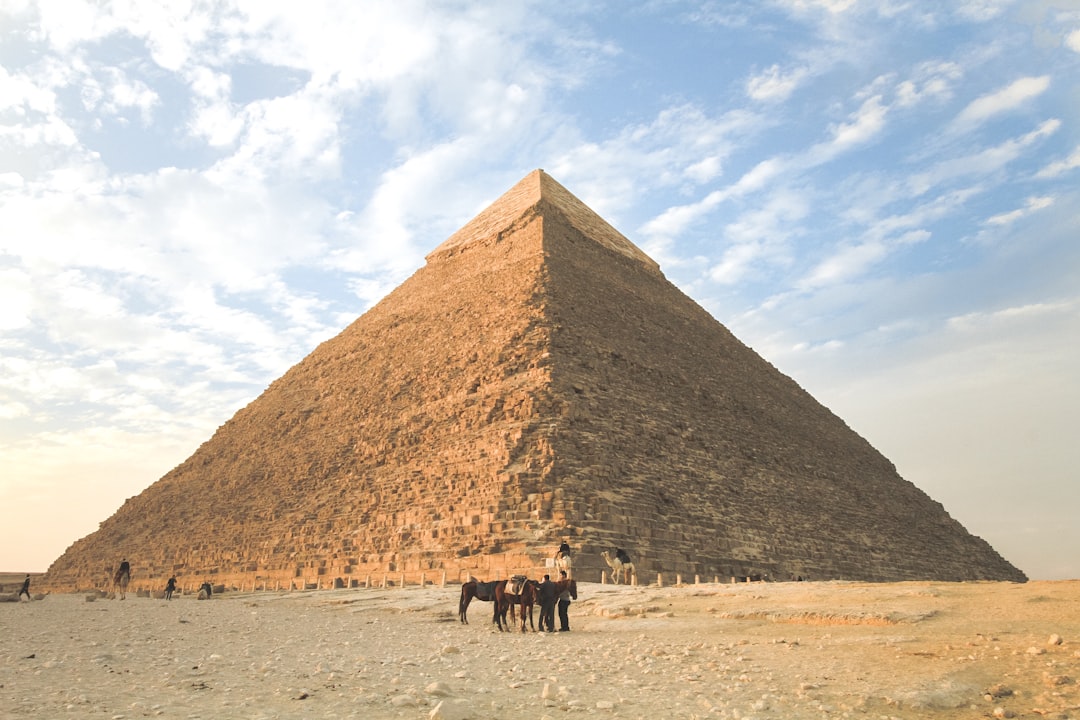
The annual flooding of the Nile River was a central feature of ancient Egyptian agriculture and civilization. Each year, seasonal rains in the Ethiopian highlands caused the Nile to overflow its banks, depositing fertile silt across the floodplains of Egypt. This natural cycle typically occurred between July and October, providing essential nutrients to agricultural lands but also creating challenges for water management and settlement planning.
Ancient Egyptians developed sophisticated irrigation and flood management systems to control and direct these seasonal waters. Archaeological evidence indicates they constructed networks of canals, basins, and levees to channel floodwaters to agricultural areas while protecting populated regions. These hydraulic engineering projects required extensive knowledge of water flow, soil composition, and seasonal patterns.
The Nile’s annual flood cycle, known as the inundation, was so fundamental to Egyptian society that it formed the basis of their calendar system and religious practices. Successful management of these floods was crucial for agricultural productivity, which supported Egypt’s population and enabled the development of complex social and political structures. Modern archaeological research continues to reveal details about ancient Egyptian water management techniques and their impact on the civilization’s development.
Discover the secrets behind the pyramid mystery ancient egypt in this fascinating video.
Key Takeaways
- The Pyramid Nile Flood Driver was a crucial ancient engineering innovation for managing Nile floods.
- It played a vital role in supporting agriculture by controlling floodwaters in Ancient Egypt.
- The device held significant cultural and religious importance beyond its practical use.
- Its design and construction showcase advanced engineering skills of the ancient Egyptians.
- The legacy of the Pyramid Nile Flood Driver influences modern engineering and preservation efforts.
The Importance of the Nile Floods in Ancient Egypt
The Nile River was the lifeblood of ancient Egypt, providing water, transportation, and fertile land for agriculture. Each year, the river would overflow its banks during the inundation season, depositing a layer of nutrient-rich silt across the floodplain. This annual flooding was crucial for sustaining the agricultural practices that supported the population.
Without these floods, the arid landscape would have been inhospitable, and the civilization that flourished along its banks would not have been possible. However, the floods were not without their challenges. While they brought essential nutrients to the soil, they also threatened to inundate homes and crops if not properly managed.
The Egyptians recognized this duality and developed sophisticated methods to control and utilize the floodwaters effectively. The Pyramid Nile Flood Driver was one such innovation that allowed them to harness the power of the Nile while safeguarding their communities from its potential devastation. This delicate balance between utilizing natural resources and protecting against their excesses was a hallmark of ancient Egyptian society.
The Engineering Behind the Pyramid Nile Flood Driver
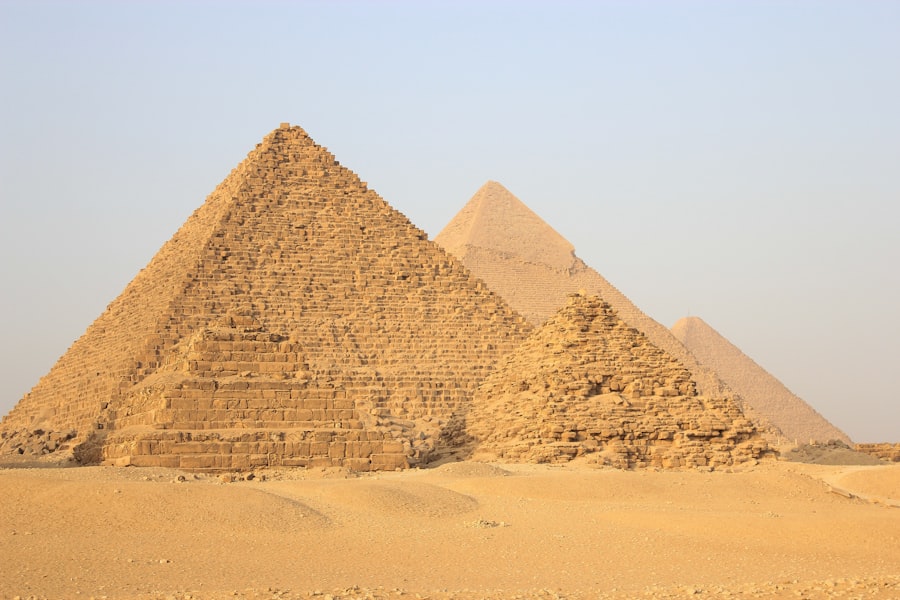
The engineering principles underlying the Pyramid Nile Flood Driver were advanced for their time, reflecting a deep understanding of hydraulics and landscape management. The system was designed to channel excess floodwaters away from populated areas and into designated basins where they could be stored for later use. This involved a network of canals, levees, and reservoirs that worked in concert to manage water flow effectively.
The construction of such a system required not only technical knowledge but also significant labor and resources. The Egyptians employed skilled workers who were adept at manipulating earth and water to create these intricate designs. The Pyramid Nile Flood Driver exemplified their ability to blend functionality with artistry, as many of these structures were not only practical but also aesthetically pleasing.
The careful planning and execution involved in creating this system underscore the sophistication of ancient Egyptian engineering and their commitment to improving agricultural productivity.
The Role of the Pyramid Nile Flood Driver in Managing the Nile Floods
The Pyramid Nile Flood Driver played a critical role in managing the seasonal floods of the Nile River. By redirecting excess water away from vulnerable areas, it helped prevent catastrophic flooding that could devastate crops and settlements. This proactive approach allowed farmers to cultivate their fields with greater confidence, knowing that they had a reliable system in place to manage unpredictable floodwaters.
Moreover, the Pyramid Nile Flood Driver facilitated irrigation during drier months by storing water for later use. This capability was essential for maintaining agricultural productivity throughout the year, particularly in a region where rainfall was scarce. By ensuring a steady supply of water, this system contributed significantly to food security in ancient Egypt, allowing for population growth and urban development.
The effective management of floodwaters through this engineering marvel was instrumental in sustaining one of history’s most enduring civilizations.
The Impact of the Pyramid Nile Flood Driver on Ancient Egyptian Agriculture
| Metric | Description | Value/Range | Unit |
|---|---|---|---|
| Nile Flood Peak Discharge | Maximum flow rate during annual flood | 8,500 – 12,000 | m³/s |
| Flood Duration | Length of the annual flood period | 90 – 120 | Days |
| Flood Start Month | Typical month when flood begins | July | Month |
| Flood End Month | Typical month when flood ends | October | Month |
| Annual Rainfall in Ethiopian Highlands | Primary rainfall driver for Nile flood | 800 – 1,200 | mm/year |
| Soil Sediment Load | Amount of sediment carried by floodwaters | 120 – 150 | Million tons/year |
| Floodwater Nutrient Content | Nutrients deposited by floodwaters aiding agriculture | High | Qualitative |
| Temperature Range During Flood Season | Average temperature in flood months | 25 – 35 | °C |
The impact of the Pyramid Nile Flood Driver on agriculture in ancient Egypt cannot be overstated. By effectively managing floodwaters, it enabled farmers to cultivate larger areas of land with greater efficiency. The nutrient-rich silt deposited by the floods enhanced soil fertility, leading to bountiful harvests that supported both local communities and trade with neighboring regions.
Additionally, this system allowed for more diverse agricultural practices. With reliable access to water, farmers could experiment with different crops and cultivation techniques, leading to increased agricultural innovation. The surplus produced by these efforts contributed to economic stability and growth, allowing ancient Egypt to thrive as a center of trade and culture in the ancient world.
The Pyramid Nile Flood Driver thus served as a catalyst for agricultural advancement, shaping not only the landscape but also the very fabric of Egyptian society.
The Cultural and Religious Significance of the Pyramid Nile Flood Driver
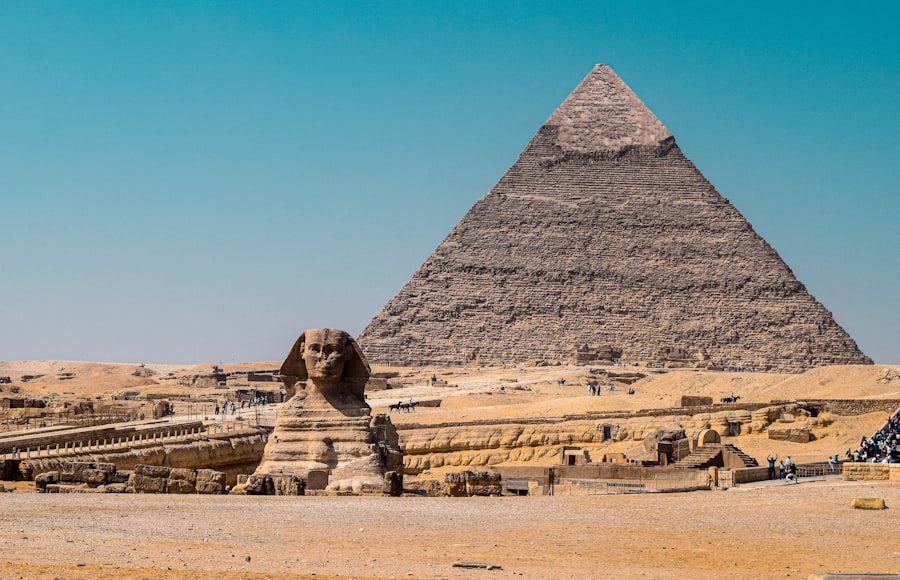
Beyond its practical applications, the Pyramid Nile Flood Driver held significant cultural and religious importance for ancient Egyptians. The annual flooding of the Nile was seen as a divine gift from the gods, particularly from Hapi, the god of fertility and abundance. The successful management of these floods through engineering feats like the Pyramid Nile Flood Driver was viewed as a reflection of divine favor and human ingenuity working in harmony.
Festivals celebrating the inundation season were common, as communities came together to honor their gods and express gratitude for the life-giving waters of the Nile. These cultural practices reinforced social cohesion and underscored the importance of agriculture in daily life. The Pyramid Nile Flood Driver thus became more than just an engineering solution; it was intertwined with the spiritual beliefs and cultural identity of ancient Egyptians, symbolizing their relationship with nature and their reverence for its cycles.
The Legacy of the Pyramid Nile Flood Driver in Modern Engineering
The legacy of the Pyramid Nile Flood Driver extends far beyond its time, influencing modern engineering practices related to water management and agriculture. Contemporary engineers often look back at ancient systems like this one for inspiration when designing modern irrigation systems and flood control measures. The principles of channeling water flow, creating reservoirs, and managing excess runoff are still relevant today as societies grapple with issues related to climate change and water scarcity.
Moreover, studying ancient engineering marvels like the Pyramid Nile Flood Driver provides valuable insights into sustainable practices that can be adapted for modern use. As urban areas expand and populations grow, finding efficient ways to manage water resources becomes increasingly critical. The ingenuity displayed by ancient Egyptians serves as a reminder that innovative solutions can emerge from a deep understanding of local environments and natural systems.
The Construction and Design of the Pyramid Nile Flood Driver
The construction and design of the Pyramid Nile Flood Driver were remarkable achievements that showcased ancient Egyptian engineering prowess. Utilizing locally available materials such as mudbrick and stone, builders crafted an intricate network of canals and levees that effectively redirected floodwaters. The design was not only functional but also reflected an aesthetic sensibility that harmonized with the surrounding landscape.
The layout of the system was carefully planned to optimize water flow while minimizing erosion and sediment buildup. Engineers employed techniques such as sloping channels and strategically placed barriers to guide water where it was needed most. This attention to detail ensured that even during periods of heavy flooding, excess water could be managed without overwhelming agricultural fields or settlements.
The construction process itself required meticulous planning and coordination among laborers, highlighting the organizational skills present in ancient Egyptian society.
The Functionality and Effectiveness of the Pyramid Nile Flood Driver
The functionality and effectiveness of the Pyramid Nile Flood Driver were evident in its ability to adapt to varying flood conditions each year. By utilizing a combination of natural topography and engineered structures, it provided a flexible solution for managing water flow during both mild and severe inundations. This adaptability was crucial for maintaining agricultural productivity in an environment characterized by unpredictable weather patterns.
Farmers relied on this system not only for immediate flood management but also for long-term agricultural planning. With reliable access to stored water during dry spells, they could cultivate crops year-round rather than being solely dependent on seasonal rains or floods. This reliability contributed significantly to food security in ancient Egypt, allowing communities to thrive even during challenging climatic conditions.
The Preservation and Restoration of the Pyramid Nile Flood Driver
Preserving and restoring ancient engineering marvels like the Pyramid Nile Flood Driver is essential for understanding historical agricultural practices and cultural heritage. Archaeologists and conservationists work diligently to protect these sites from erosion, urban encroachment, and environmental degradation. Efforts include documenting existing structures, conducting excavations, and implementing restoration techniques that respect original materials and construction methods.
Public awareness campaigns also play a vital role in preserving these historical sites. By educating communities about their cultural significance, stakeholders can foster a sense of pride in their heritage while encouraging sustainable practices that protect these invaluable resources for future generations. The preservation efforts surrounding the Pyramid Nile Flood Driver serve as a reminder of humanity’s enduring connection to its past and the importance of safeguarding knowledge for future advancements.
The Enduring Legacy of Ancient Engineering Marvels
The Pyramid Nile Flood Driver stands as an enduring symbol of ancient Egyptian ingenuity and resilience in managing one of nature’s most powerful forces—the annual flooding of the Nile River. Its sophisticated design not only transformed agricultural practices but also shaped cultural beliefs and societal structures within ancient Egypt. As modern societies continue to grapple with challenges related to water management and sustainability, lessons drawn from this ancient engineering marvel remain relevant today.
The legacy of the Pyramid Nile Flood Driver extends beyond its immediate impact on agriculture; it serves as a reminder of humanity’s capacity for innovation when faced with environmental challenges. By studying such historical achievements, contemporary engineers can draw inspiration from past successes while striving to create sustainable solutions for future generations. Ultimately, this ancient marvel encapsulates a rich tapestry of human experience—one that intertwines nature, culture, engineering, and resilience in an ever-evolving world.
The ancient pyramids of Egypt have long fascinated historians and archaeologists, particularly regarding their construction and the role of the Nile floods in this monumental task. A related article that delves into the significance of the Nile’s annual inundation and its impact on the civilization that built the pyramids can be found at Real Lore and Order. This resource provides insights into how the predictable flooding of the Nile not only nourished the land but also supplied the necessary resources for the ambitious architectural projects of ancient Egypt.
WATCH THIS! 🔺 THEY LIED ABOUT THE PYRAMIDS — Here’s The Real Truth 🤯
FAQs
What is the Pyramid Nile Flood Driver?
The Pyramid Nile Flood Driver refers to the natural and environmental factors that influence the annual flooding of the Nile River, which historically played a crucial role in the development of ancient Egyptian civilization, including the construction of pyramids.
Why was the Nile flood important for ancient Egypt?
The annual flooding of the Nile deposited nutrient-rich silt onto the surrounding lands, making the soil fertile for agriculture. This agricultural abundance supported the population and enabled the resources and labor necessary for monumental projects like the pyramids.
What causes the Nile River to flood annually?
The primary driver of the Nile’s annual flood is seasonal rainfall in the Ethiopian Highlands and East African lakes region. Heavy rains during the summer months increase water flow into the Blue Nile and other tributaries, leading to the river’s rise downstream in Egypt.
How did the Nile flood impact pyramid construction?
The flood cycle allowed for predictable agricultural productivity, which supported a stable food supply and population. This stability enabled the ancient Egyptians to organize large workforces and allocate resources for pyramid building during the flood season when farming was not possible.
Are there modern factors affecting the Nile flood?
Yes, modern factors such as dam construction (e.g., the Aswan High Dam), climate change, and water management practices have altered the natural flooding patterns of the Nile, impacting agriculture and ecosystems downstream.
What role did the Nile flood play in Egyptian religion and culture?
The Nile flood was seen as a divine event, often associated with gods like Hapi, the god of the annual flooding. It was central to Egyptian cosmology and rituals, symbolizing life, renewal, and fertility.
Is the Nile flood still occurring today?
The natural annual flood has been largely controlled and reduced due to dams and irrigation projects. While the river still rises seasonally, the traditional flood cycle that deposited fertile silt has diminished significantly.