
Nuclear decision-making timelines have contracted significantly due to technological advancement and geopolitical instability. Modern military systems now require national leaders to make critical decisions within minutes rather than hours or days when responding to potential nuclear threats. This compression of decision time increases risk, as leaders must evaluate complex situations with incomplete information while under severe time pressure.
The consequences of accelerated nuclear decision-making extend beyond individual nations, affecting global security and international stability. The current nuclear environment combines volatile conditions with unpredictable scenarios. Several factors drive the reduction in decision timelines, including rapid technological development, shifting geopolitical relationships, and the inherent complexities of nuclear weapons systems.
These elements combine to create a high-stakes environment where decision-making errors carry severe consequences. This analysis examines the causes of compressed nuclear decision timelines, their potential impacts, and approaches to mitigate associated risks.
Key Takeaways
- Technological advances and geopolitical tensions are significantly shortening nuclear decision timelines.
- Efficient and rapid decision-making processes are critical to managing nuclear operations safely.
- Shortened timelines pose serious challenges, including increased risks of miscalculation and accidental escalation.
- International cooperation is essential to mitigate risks and establish protocols for faster nuclear decisions.
- Ethical considerations must guide accelerated nuclear decision-making to ensure global security and stability.
The Impact of Technological Advancements on Nuclear Decision Timelines
Technological advancements have revolutionized many aspects of modern warfare, and nuclear decision-making is no exception. The proliferation of sophisticated surveillance systems, artificial intelligence, and real-time data analytics has transformed how nations monitor potential threats and respond to crises. These technologies enable quicker assessments of situations, allowing leaders to make informed decisions in a fraction of the time previously required.
However, this speed comes with its own set of challenges, as the reliance on technology can lead to overconfidence in automated systems and a diminished emphasis on human judgment. Moreover, the integration of advanced communication systems has further compressed decision timelines. Leaders can now receive information instantaneously from various sources, including military advisors, intelligence agencies, and allied nations.
While this connectivity enhances situational awareness, it also creates a pressure cooker environment where decisions must be made rapidly. The risk of miscommunication or misinterpretation increases significantly when leaders are forced to act quickly based on potentially incomplete or ambiguous information. As a result, the very technologies designed to enhance decision-making can inadvertently contribute to hasty choices with far-reaching consequences. The documentary provides a detailed analysis of the potential consequences of nuclear war.
The Role of Geopolitical Tensions in Accelerating Nuclear Decision Timelines
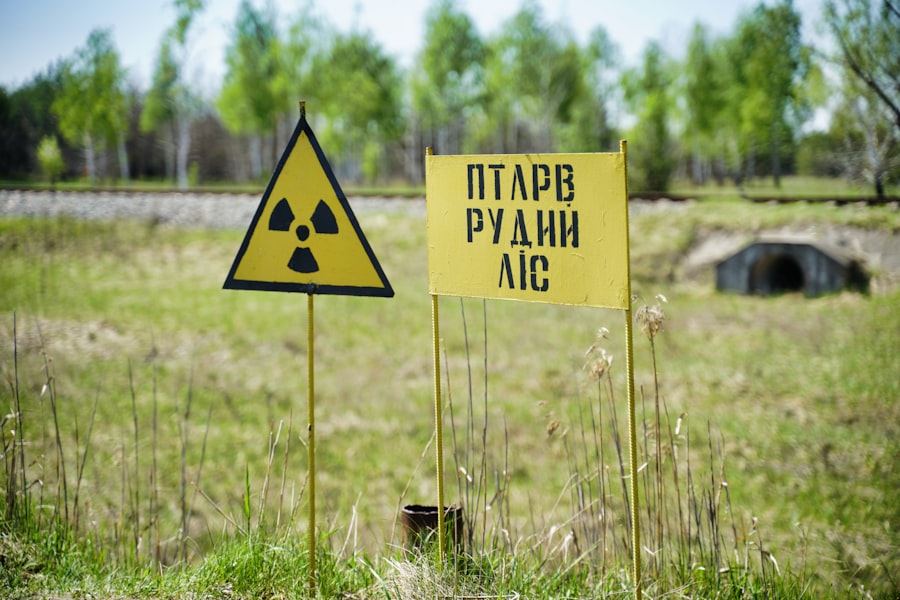
Geopolitical tensions have historically played a pivotal role in shaping nuclear decision-making processes. In recent years, the resurgence of rivalries among major powers has intensified the urgency with which nations approach nuclear threats. The ongoing conflicts in regions such as Eastern Europe and the Asia-Pacific have heightened fears of escalation, prompting countries to adopt more aggressive postures regarding their nuclear arsenals.
As tensions rise, leaders find themselves compelled to make swift decisions in response to perceived threats, often without the luxury of thorough deliberation. The dynamics of deterrence also contribute to the acceleration of nuclear decision timelines. In a world where adversaries are constantly seeking to gain strategic advantages, the fear of being outmaneuvered can lead to preemptive actions.
Nations may feel pressured to respond quickly to any signs of aggression or military buildup from rivals, fearing that hesitation could result in catastrophic consequences. This environment fosters a culture of rapid response, where leaders prioritize speed over caution, further complicating the already intricate landscape of nuclear decision-making.
The Importance of Efficient Decision-Making Processes in Nuclear Operations
In light of rapidly shrinking nuclear decision timelines, the efficiency of decision-making processes within nuclear operations has never been more critical. Nations must establish robust frameworks that facilitate quick yet informed choices in high-stakes situations. This requires not only streamlined communication channels but also well-defined protocols that guide leaders through the complexities of nuclear engagement.
Training exercises that simulate crisis scenarios can help prepare decision-makers for the pressures they will face in real-world situations. Furthermore, fostering a culture of collaboration among military and civilian leaders is essential for effective decision-making. By encouraging open dialogue and diverse perspectives, nations can enhance their ability to assess threats comprehensively and develop nuanced responses.
This collaborative approach can mitigate the risks associated with hasty decisions driven by fear or misinformation. Ultimately, efficient decision-making processes are vital for ensuring that nations can navigate the challenges posed by rapidly shrinking nuclear timelines while maintaining strategic stability.
The Challenges of Rapidly Shrinking Nuclear Decision Timelines
| Metric | Description | Typical Value (Historical) | Current Trend | Impact on Decision Timeline |
|---|---|---|---|---|
| Detection-to-Decision Time | Time from initial detection of a nuclear threat to decision-making | 30-60 minutes | Decreasing due to faster sensors and communication | Shortens overall decision timeline |
| Communication Latency | Delay in transmitting information between command centers and leadership | 5-10 minutes | Reduced with advanced secure communication networks | Enables quicker command and control |
| Decision-Making Window | Time allotted for leadership to assess and decide on nuclear response | 15-30 minutes | Compressed due to faster threat progression and automated systems | Forces rapid decisions, increasing pressure |
| Automated System Response Time | Time taken by automated defense or launch systems to act | Seconds to a few minutes | Improving with AI and machine learning integration | Reduces human decision time, potentially increasing risk |
| False Alarm Rate | Frequency of false positives in nuclear threat detection | Low but significant in some systems | Varies; efforts to reduce with better algorithms | High false alarms can shorten decision time due to urgency |
The challenges associated with rapidly shrinking nuclear decision timelines are manifold and complex. One significant concern is the increased likelihood of miscalculation or misunderstanding between nations. In a high-pressure environment where decisions must be made swiftly, there is a greater risk that leaders may misinterpret signals from adversaries or fail to fully grasp the implications of their actions.
Such miscalculations can lead to unintended escalations and potentially catastrophic outcomes. Additionally, the psychological toll on decision-makers cannot be overlooked. The weight of responsibility that comes with nuclear decision-making is immense, and the pressure to act quickly can exacerbate stress levels among leaders.
This heightened anxiety may impair judgment and lead to impulsive decisions that prioritize immediate responses over long-term strategic considerations. As nations grapple with these challenges, it becomes increasingly clear that addressing the psychological aspects of decision-making is as crucial as refining operational protocols.
Strategies for Managing and Adapting to Shortened Nuclear Decision Timelines
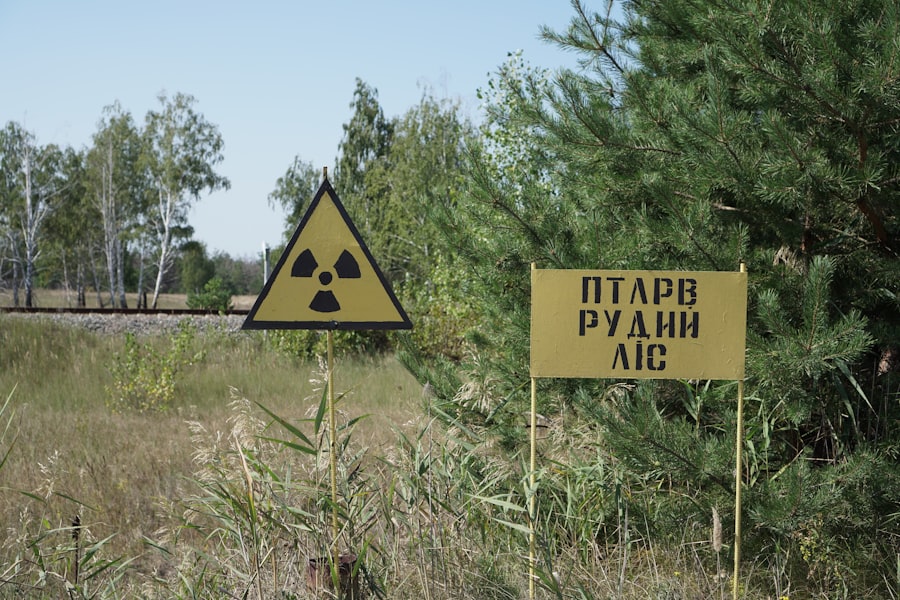
To effectively manage and adapt to shortened nuclear decision timelines, nations must implement comprehensive strategies that prioritize both speed and accuracy in decision-making. One approach involves investing in advanced training programs for military and political leaders that emphasize critical thinking and crisis management skills. By equipping decision-makers with the tools they need to navigate high-pressure situations, nations can enhance their ability to respond effectively while minimizing the risks associated with hasty choices.
Another strategy involves leveraging technology to improve situational awareness without sacrificing human judgment. While automation can expedite data analysis and threat assessment, it is essential to maintain a human element in the decision-making process. Establishing protocols that require human verification before critical decisions are made can help mitigate the risks associated with overreliance on technology.
By striking a balance between technological efficiency and human oversight, nations can better navigate the complexities of rapidly shrinking nuclear decision timelines.
The Role of International Cooperation in Addressing Rapidly Shrinking Nuclear Decision Timelines
International cooperation plays a vital role in addressing the challenges posed by rapidly shrinking nuclear decision timelines. As nations face common threats and uncertainties in an increasingly interconnected world, collaborative efforts can enhance collective security and reduce the risks associated with miscalculation. Diplomatic initiatives aimed at fostering dialogue among nuclear-armed states can help build trust and establish mechanisms for crisis communication, thereby reducing the likelihood of misunderstandings during tense situations.
Moreover, multilateral agreements focused on arms control and non-proliferation can contribute to stabilizing global security dynamics. By engaging in cooperative frameworks that promote transparency and accountability regarding nuclear arsenals, nations can create an environment where rapid decision-making is less likely to escalate into conflict. International organizations such as the United Nations play a crucial role in facilitating these discussions and promoting norms that prioritize peaceful resolution over military confrontation.
The Implications of Shortened Nuclear Decision Timelines for Global Security
The implications of shortened nuclear decision timelines extend far beyond individual nations; they reverberate throughout the global security landscape. As countries grapple with the pressures of rapid decision-making, the potential for miscalculation increases significantly. A single misstep could trigger a chain reaction leading to widespread devastation, underscoring the urgent need for mechanisms that promote restraint and careful deliberation.
Furthermore, the erosion of established norms surrounding nuclear engagement poses additional risks to global security. As nations adopt more aggressive postures in response to perceived threats, the likelihood of preemptive strikes rises. This shift away from traditional deterrence strategies could destabilize existing power dynamics and lead to an arms race among rival states.
The consequences of such developments would be dire, necessitating concerted efforts from the international community to address these challenges proactively.
The Ethical and Moral Considerations of Accelerated Nuclear Decision-Making
The ethical and moral considerations surrounding accelerated nuclear decision-making are profound and complex.
Moreover, the ethical implications extend beyond individual leaders to encompass broader societal values regarding warfare and conflict resolution. As nations confront the realities of modern warfare, there is a pressing need for public discourse on the moral dimensions of nuclear engagement. Engaging citizens in discussions about the ethical implications of accelerated decision-making can foster a more informed electorate that holds leaders accountable for their choices.
The Future of Nuclear Decision Timelines in a Rapidly Changing World
Looking ahead, the future of nuclear decision timelines remains uncertain amid ongoing technological advancements and shifting geopolitical landscapes. As nations continue to innovate in areas such as artificial intelligence and cyber warfare, the potential for further compression of decision timelines looms large. This reality necessitates proactive measures to ensure that leaders are equipped to navigate an increasingly complex environment while prioritizing strategic stability.
Additionally, fostering a culture of resilience within military and political institutions will be essential for adapting to future challenges. By embracing flexibility and adaptability in decision-making processes, nations can better respond to evolving threats while minimizing risks associated with hasty choices. Ultimately, the future of nuclear decision timelines will depend on a collective commitment to responsible governance and international cooperation.
Navigating the Complexities of Rapidly Shrinking Nuclear Decision Timelines
In conclusion, navigating the complexities of rapidly shrinking nuclear decision timelines requires a multifaceted approach that addresses technological advancements, geopolitical tensions, and ethical considerations. As nations grapple with the pressures of quick decision-making in high-stakes situations, it is imperative that they prioritize efficient processes while maintaining human oversight. International cooperation will play a crucial role in fostering dialogue and establishing norms that promote restraint in an increasingly interconnected world.
The challenges posed by accelerated nuclear decision-making are significant but not insurmountable. By investing in training programs, leveraging technology responsibly, and engaging in diplomatic initiatives, nations can enhance their ability to respond effectively while minimizing risks associated with hasty choices. Ultimately, navigating these complexities will be essential for ensuring global security in an era marked by uncertainty and volatility.
The issue of shrinking nuclear decision timelines has become increasingly critical in today’s geopolitical landscape, as nations grapple with the implications of rapid escalation in nuclear tensions. A related article that delves into this topic can be found at this link, where it discusses the challenges and potential strategies for managing nuclear arsenals in an era of heightened urgency. Understanding these dynamics is essential for policymakers and analysts alike.
WATCH THIS! ☢️ Nuclear War in 2026: The Real Risks, New Weapons & How Close We Are
FAQs
What does “shrinking nuclear decision timeline” mean?
Shrinking nuclear decision timeline refers to the reduction in the amount of time available for political and military leaders to make critical decisions regarding the use or response to nuclear weapons during a crisis.
Why is the nuclear decision timeline shrinking?
The timeline is shrinking due to advancements in missile technology, such as hypersonic weapons and faster delivery systems, as well as improvements in early warning systems that reduce the time between detection and impact.
What are the risks associated with a shorter nuclear decision timeline?
A shorter timeline increases the risk of miscalculation, accidental launches, or rushed decisions under pressure, potentially leading to unintended nuclear conflict.
How do early warning systems impact the nuclear decision timeline?
Early warning systems detect incoming missile threats quickly, which can shorten the decision window for leaders to respond, sometimes to just minutes.
What measures can be taken to manage the risks of a shrinking nuclear decision timeline?
Measures include improving communication channels between nuclear-armed states, establishing crisis management protocols, enhancing verification and transparency, and pursuing arms control agreements.
Which countries are most affected by shrinking nuclear decision timelines?
Countries with nuclear arsenals and advanced missile capabilities, such as the United States, Russia, China, India, and Pakistan, are most affected by shrinking decision timelines.
How does technology influence nuclear decision timelines?
Technological advancements in missile speed, detection, and command-and-control systems can both reduce the time available for decisions and improve the accuracy and reliability of those decisions.
Is there international cooperation to address shrinking nuclear decision timelines?
Yes, international efforts such as arms control treaties, confidence-building measures, and dialogue forums aim to reduce risks associated with rapid nuclear decision-making.
Can artificial intelligence affect nuclear decision timelines?
Artificial intelligence has the potential to both accelerate decision-making processes and introduce new risks, such as automated responses, which could further compress timelines or lead to errors.
What role does human judgment play in nuclear decision-making with shrinking timelines?
Despite technological advances, human judgment remains critical to assess context, verify information, and make ethical decisions, though shorter timelines can pressure leaders and complicate this process.