In recent years, the demand for rare earth elements (REEs) has surged dramatically, driven by their critical role in modern technology. These elements are essential for the production of high-tech devices, renewable energy technologies, and advanced military applications. As industries ramp up their extraction and processing activities to meet this growing demand, the generation of rare earth processing waste has become a significant concern.
This waste, often laden with toxic materials and heavy metals, poses a serious environmental challenge that has garnered increasing attention from scientists, policymakers, and the public alike. The rise of rare earth processing waste can be attributed to several factors, including the rapid expansion of electric vehicle production, the proliferation of smartphones, and the increasing reliance on renewable energy sources such as wind turbines and solar panels.
This waste not only includes leftover materials from the extraction process but also encompasses hazardous byproducts that can have detrimental effects on ecosystems and human health if not managed properly.
Key Takeaways
- The rise of rare earth processing waste is a growing concern due to the increasing demand for rare earth elements in various industries.
- Environmental impact of rare earth processing waste includes soil and water contamination, as well as habitat destruction and loss of biodiversity.
- Health risks associated with rare earth processing waste include respiratory issues, skin irritation, and potential long-term health effects from exposure to toxic substances.
- Current disposal methods for rare earth processing waste are often inadequate, leading to the accumulation of waste in landfills and potential leaching into the environment.
- Challenges in managing rare earth processing waste include the lack of standardized regulations, limited public awareness, and the high cost of implementing proper waste management practices.
Environmental Impact of Rare Earth Processing Waste
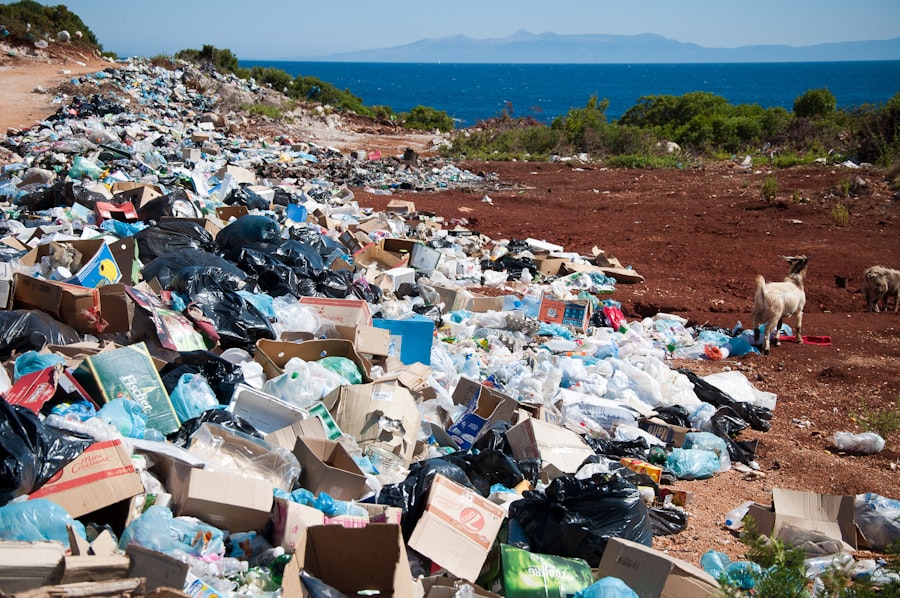
The environmental impact of rare earth processing waste is profound and multifaceted. One of the most pressing concerns is the contamination of soil and water resources. When rare earth elements are extracted and processed, they often release toxic substances such as arsenic, lead, and radioactive materials into the surrounding environment.
These contaminants can leach into groundwater or be carried away by surface runoff, posing a risk to local ecosystems and drinking water supplies. The long-term effects of such contamination can be devastating, leading to loss of biodiversity and disruption of natural habitats. Moreover, the disposal of rare earth processing waste can result in significant air pollution.
During processing, dust and particulate matter can be released into the atmosphere, contributing to respiratory problems in nearby communities. The incineration of waste materials can further exacerbate this issue by releasing harmful emissions that contribute to climate change and air quality degradation. As the global demand for rare earth elements continues to rise, the environmental consequences of their processing waste must be addressed to prevent irreversible damage to the planet.
Health Risks Associated with Rare Earth Processing Waste
The health risks associated with rare earth processing waste are alarming and warrant serious consideration. Communities located near processing facilities often face exposure to hazardous materials that can lead to a range of health issues. Prolonged exposure to toxic substances found in rare earth waste can result in respiratory illnesses, skin conditions, and even more severe diseases such as cancer.
Vulnerable populations, including children and the elderly, are particularly at risk due to their heightened sensitivity to environmental toxins. In addition to direct health impacts, there are also indirect effects that can arise from contaminated food sources. Agricultural lands near processing sites may become tainted with heavy metals and other pollutants, leading to unsafe levels of these substances in crops.
This not only threatens food safety but also poses a risk to public health as contaminated produce enters the food supply chain. The cumulative effect of these health risks underscores the urgent need for effective management strategies to mitigate the dangers associated with rare earth processing waste.
Current Disposal Methods for Rare Earth Processing Waste
| Disposal Method | Description |
|---|---|
| Landfilling | Common method of disposing rare earth processing waste by burying it in designated landfills. |
| Deep Well Injection | Injecting the waste deep underground into porous rock formations, often below the freshwater table. |
| Surface Impoundment | Storing the waste in a contained area on the land surface, often lined with a protective barrier. |
| Recycling | Recovering and reusing valuable materials from the waste to reduce the amount that needs to be disposed of. |
Currently, the disposal methods for rare earth processing waste vary widely across different regions and facilities. Traditional approaches often involve landfilling or storage in tailings ponds, where waste materials are contained in large reservoirs. While these methods may provide short-term solutions for waste containment, they are fraught with risks.
Landfills can leak hazardous materials into surrounding environments over time, while tailings ponds are susceptible to breaches that can lead to catastrophic spills. Some facilities have begun exploring more innovative disposal methods, such as recycling and reprocessing waste materials to recover valuable elements. This approach not only reduces the volume of waste generated but also minimizes the need for new mining operations.
However, these methods are not yet widely adopted due to economic constraints and technological limitations. As awareness of the environmental and health impacts of rare earth processing waste grows, there is an increasing push for more sustainable disposal practices that prioritize safety and environmental protection.
Challenges in Managing Rare Earth Processing Waste
Managing rare earth processing waste presents a myriad of challenges that complicate efforts to mitigate its impact. One significant hurdle is the lack of standardized regulations governing waste management practices across different countries. This inconsistency can lead to inadequate oversight and enforcement, allowing harmful practices to persist unchecked.
Additionally, many countries lack the infrastructure necessary for effective waste management, making it difficult to implement best practices. Another challenge lies in the economic considerations associated with waste management. The costs of implementing advanced recycling technologies or investing in safer disposal methods can be prohibitive for many companies operating in the rare earth sector.
As a result, some may opt for cheaper but less environmentally friendly options that exacerbate the problem. Addressing these challenges requires a concerted effort from governments, industries, and communities to prioritize sustainable practices and invest in innovative solutions.
Innovations in Rare Earth Processing Waste Management
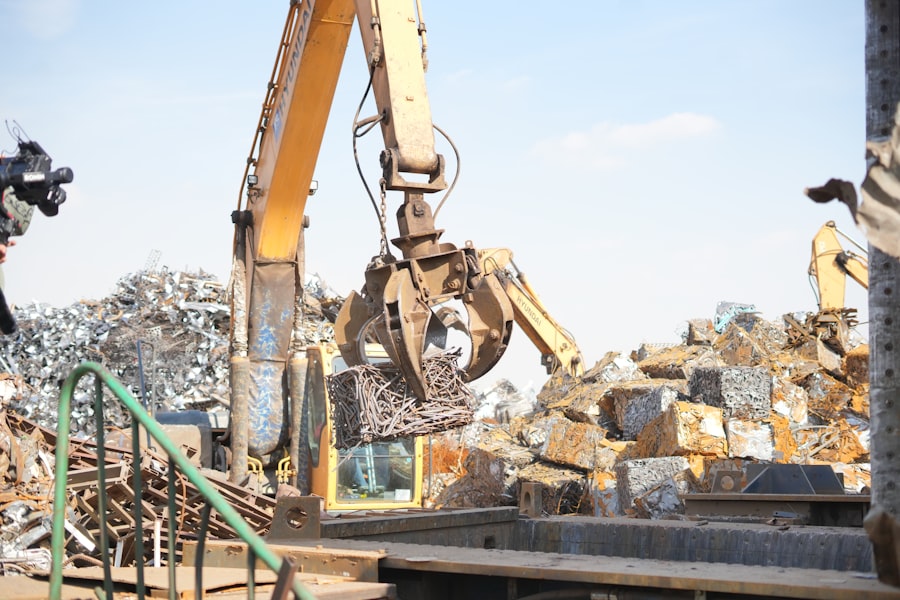
In response to the growing concerns surrounding rare earth processing waste, researchers and companies are exploring innovative solutions aimed at improving waste management practices. One promising avenue is the development of advanced recycling technologies that can efficiently recover valuable elements from waste materials. These technologies not only reduce the volume of waste generated but also create a circular economy where resources are reused rather than discarded.
Another area of innovation involves the use of bioremediation techniques to address contamination issues associated with rare earth processing waste. By harnessing the natural abilities of certain microorganisms or plants to absorb or degrade toxic substances, researchers are finding ways to clean up contaminated sites more effectively and sustainably. These approaches hold great potential for mitigating environmental damage while minimizing costs associated with traditional remediation methods.
Policy and Regulations Regarding Rare Earth Processing Waste
The establishment of robust policies and regulations regarding rare earth processing waste is crucial for ensuring environmental protection and public health. Many countries are beginning to recognize the need for comprehensive frameworks that govern the extraction, processing, and disposal of rare earth elements. These regulations aim to set standards for waste management practices, promote transparency in reporting waste generation, and encourage companies to adopt sustainable practices.
However, challenges remain in enforcing these regulations effectively. In some regions, regulatory bodies may lack the resources or authority needed to monitor compliance adequately. Additionally, international cooperation is essential given the global nature of the rare earth supply chain.
Collaborative efforts among countries can help establish consistent standards and best practices that protect both people and the environment from the adverse effects of rare earth processing waste.
Corporate Responsibility in Addressing Rare Earth Processing Waste
Corporate responsibility plays a pivotal role in addressing the challenges posed by rare earth processing waste. Companies involved in the extraction and processing of rare earth elements must recognize their obligation to minimize environmental impacts and prioritize sustainable practices. This includes investing in cleaner technologies, implementing effective waste management strategies, and being transparent about their operations’ environmental footprint.
Moreover, corporations have a responsibility to engage with local communities affected by their activities. By fostering open communication and collaboration with stakeholders, companies can better understand community concerns and work towards solutions that benefit both their operations and local residents. Embracing corporate social responsibility not only enhances a company’s reputation but also contributes to a more sustainable future for all.
Community Impacts of Rare Earth Processing Waste
The impacts of rare earth processing waste extend beyond environmental degradation; they also significantly affect local communities. Residents living near processing facilities often experience a decline in their quality of life due to pollution-related issues such as air and water contamination. This can lead to increased health problems among community members, resulting in higher healthcare costs and reduced productivity.
Furthermore, communities may face economic challenges as a result of declining property values or loss of livelihoods tied to agriculture or tourism due to contamination concerns. The social fabric of these communities can also be strained as residents grapple with fear and uncertainty about their health and environment. Addressing these community impacts requires a holistic approach that prioritizes public health while fostering economic resilience through sustainable practices.
Future Outlook for Rare Earth Processing Waste
The future outlook for rare earth processing waste management is one marked by both challenges and opportunities. As global demand for rare earth elements continues to rise, so too will the need for effective strategies to manage associated waste responsibly. The increasing awareness of environmental issues related to rare earth processing is likely to drive innovation in recycling technologies and sustainable practices.
However, without concerted efforts from governments, industries, and communities alike, the risks associated with rare earth processing waste could escalate further. The future will depend on collaborative initiatives that prioritize sustainability while balancing economic growth with environmental protection.
Solutions for Mitigating Rare Earth Processing Waste
To effectively mitigate the challenges posed by rare earth processing waste, a multifaceted approach is essential. One key solution lies in enhancing recycling efforts to recover valuable materials from existing waste streams rather than relying solely on new extraction processes. By investing in advanced recycling technologies and promoting circular economy principles, industries can significantly reduce their reliance on virgin resources while minimizing waste generation.
Additionally, fostering collaboration among stakeholders—including governments, industries, researchers, and local communities—can lead to more comprehensive solutions that address both environmental concerns and community needs. Public awareness campaigns can also play a vital role in educating consumers about the importance of sustainable practices related to rare earth elements. Ultimately, a combination of innovative technologies, robust policies, corporate responsibility initiatives, and community engagement will be crucial in developing effective strategies for managing rare earth processing waste responsibly.
By prioritizing sustainability at every level—from extraction through disposal—society can work towards a future where technological advancement does not come at the expense of environmental health or public safety.
The issue of waste generated from rare earth processing is a growing environmental concern, as these materials are crucial for modern technology yet pose significant disposal challenges. An insightful article discussing the complexities of managing rare earth processing waste can be found on Real Lore and Order. This piece delves into the environmental impact and potential solutions for mitigating the waste problem associated with rare earth elements. For a deeper understanding, you can read the full article by visiting this link.
WATCH THIS! They Can Shut Down Your World Overnight. This Is The Choke Point Controlling Everything!
FAQs
What are rare earth elements?
Rare earth elements are a group of 17 chemical elements in the periodic table, including scandium, yttrium, and the 15 lanthanides. They are essential for the production of high-tech devices such as smartphones, electric vehicles, and wind turbines.
What is the rare earth processing waste problem?
The rare earth processing waste problem refers to the environmental and health hazards associated with the disposal of waste generated during the extraction and processing of rare earth elements. This waste often contains radioactive materials and toxic chemicals, posing a significant risk to the environment and nearby communities.
What are the environmental impacts of rare earth processing waste?
The environmental impacts of rare earth processing waste include soil and water contamination, destruction of ecosystems, and potential long-term health effects on wildlife and humans. Improper disposal of rare earth processing waste can lead to serious environmental degradation.
How is rare earth processing waste currently managed?
Rare earth processing waste is often stored in large tailings ponds or landfills, where it can leach into the surrounding environment. Some facilities attempt to treat the waste to reduce its toxicity, but this process can be costly and may not eliminate all environmental risks.
What are the potential solutions to the rare earth processing waste problem?
Potential solutions to the rare earth processing waste problem include developing more efficient extraction and processing methods to minimize waste generation, implementing stricter regulations on waste disposal, and investing in research and development of alternative waste management technologies. Additionally, recycling and reusing rare earth materials can help reduce the amount of waste generated.