
Amidst the dynamic currents of global trade and geopolitics, the Red Sea and its vital artery, the Suez Canal, have long served as a maritime shorthand for efficiency and speed. However, recent disruptions in this critical corridor have compelled a significant rerouting of commercial vessels, casting a renewed spotlight on the ancient mariner’s route around the Cape of Good Hope. This navigational shift, a direct response to escalating security concerns, presents a multifaceted challenge and opportunity, reshaping supply chains, impacting global economies, and reigniting debates on maritime strategy.
The Red Sea, a narrow stretch of water strategically linking the Mediterranean Sea to the Indian Ocean via the Suez Canal, is a cornerstone of international trade. It facilitates approximately 12% of global trade volume and a significant portion of the world’s oil shipments. Its geographic chokepoints, particularly the Bab-el-Mandeb Strait, render it susceptible to disruptions, which have, in recent times, become a harsh reality. Learn more about global trade and its impact on the economy.
Escalating Geopolitical Tensions
The primary catalyst for the current rerouting lies in the heightened geopolitical tensions within the region. Actions by non-state actors operating from Yemen have led to repeated attacks on commercial shipping, employing a range of weaponry from drones to anti-ship missiles. These incidents, characterized by their indiscriminate nature, have rendered the waterway an unacceptable risk for many shipping companies.
The Role of Non-State Actors
Non-state actors, often described as asymmetrical threats, present a complex challenge to traditional maritime security frameworks. Their motivations are varied, sometimes rooted in regional conflicts or broader ideological struggles. Their ability to operate from contested territories and utilize relatively inexpensive, yet effective, weaponry allows them to significantly disrupt global commerce. This dynamic illustrates the porous nature of maritime borders and the challenges in safeguarding international waters from non-conventional threats.
Impact on Shipping Insurance Premiums
The escalation of attacks has had an immediate and tangible impact on the financial viability of Red Sea transit. Insurance premiums for vessels traversing the region have surged dramatically, reflecting the increased risk assessment by underwriters. This financial burden, passed on from insurers to shipping companies and ultimately to consumers, adds another layer of disincentive to utilize the Suez Canal route. The financial calculus for a shipping line, once a clear advantage in favor of the Suez, has now been drastically altered.
Economic Implications of the Suez Canal Blockage
While the current disruptions are primarily security-driven, it is valuable to recall previous economic impacts related to Suez Canal blockages. The grounding of the container ship Ever Given in March 2021 served as a stark reminder of the canal’s vulnerability and its profound economic ramifications.
Supply Chain Bottlenecks
The Ever Given incident demonstrated how a single disruption in a critical chokepoint could create a cascade of supply chain bottlenecks globally. Retailers faced delays, manufacturers experienced shortages of parts, and consumer goods were held up, illustrating the interconnectedness of modern global trade. The current rerouting, though more gradual, creates similar pressures, albeit spread out over a longer duration and a more extensive geography.
Increased Shipping Costs
The immediate consequence of any significant blockage or rerouting is an increase in shipping costs. Fuel consumption rises with longer journeys, crew wages increase for extended voyages, and the opportunity cost of vessels being at sea for longer periods impacts profitability. These costs inevitably trickle down, influencing inflation and the final price of goods for consumers.
The recent decision to reroute ships through the Cape of Good Hope instead of the Red Sea has sparked significant discussion in maritime circles. This shift, driven by geopolitical tensions and concerns over safety, has implications for global shipping routes and trade dynamics. For further insights into this topic, you can read a related article that explores the potential impacts of this reroute on international shipping and trade: Read more here.
The Cape of Good Hope Alternative
The strategic importance of the Suez Canal has often overshadowed the historical significance of the Cape of Good Hope route. However, in times of crisis, this ancient seaway, circumnavigating the southern tip of Africa, reclaims its prominence.
Historical Context and Modern Relevance
The Cape of Good Hope route was the primary maritime link between Europe and Asia for centuries, until the opening of the Suez Canal in 1869. Its re-emergence as a viable alternative underscores its enduring geographical reality. While it represents a longer and potentially more arduous journey, it offers a secure, albeit less efficient, passage.
The “Great Circle Route” Myth
It is a common misconception that the Cape route is simply a direct southern deviation. In reality, modern navigation, influenced by factors such as ocean currents and prevailing winds, dictates that vessels do not always follow a “great circle route” in the traditional sense when rounding the Cape. Instead, optimal routes are calculated to minimize fuel consumption and transit time, taking into account oceanographic data. This is a complex dance between geography and engineering, aiming for the most efficient path through the aquatic wilderness.
Navigational Challenges and Advantages
While avoiding the immediate security threats of the Red Sea, the Cape route presents its own set of navigational challenges. The southern tip of Africa is notorious for its rough seas, strong winds, and unpredictable weather patterns, particularly during certain seasons. However, it also offers the advantage of bypassing multiple chokepoints and the administrative complexities of canal transit, providing a more direct, albeit longer, oceanic journey.
Operational and Economic Disadvantages
The shift to the Cape of Good Hope route is not without significant operational and economic drawbacks for shipping companies and, by extension, the global economy.
Extended Transit Times and Fuel Consumption
The most immediate and significant disadvantage is the increase in transit time. A journey around the Cape can add anywhere from 7 to 20 days to a typical Asia-Europe voyage, depending on the vessel’s speed and specific origin/destination. This extended duration directly translates to increased fuel consumption, which constitutes a substantial portion of a vessel’s operating costs, especially with volatile bunker fuel prices.
Impact on Vessel Scheduling and Port Congestion
Longer transit times disrupt meticulously planned vessel schedules, creating ripples throughout the logistics network. This can lead to delays in cargo arrival, potentially causing port congestion at destination ports as ships arrive off-schedule. Such disruptions create a domino effect, impacting everything from labor availability at ports to warehousing capacity.
Reshaping Global Supply Chains

The sustained rerouting around the Cape of Good Hope is not merely a temporary inconvenience; it is accelerating a re-evaluation of global supply chain strategies, prompting a reconsideration of efficiency versus resilience.
Diversification of Shipping Routes
The current crisis underscores the vulnerability inherent in relying on a single, albeit efficient, shipping corridor. Companies are now actively exploring a more diversified network of routes, moving beyond the “just-in-time” philosophy towards a “just-in-case” preparedness. This involves identifying and pre-planning alternative routes, even if they are less optimal under normal circumstances.
The “Buffer Stock” Mentality
In light of increased transit times and potential disruptions, some businesses are adopting a “buffer stock” mentality. This involves holding larger inventories of goods to mitigate the impact of unforeseen shipping delays. While this ties up capital, it offers a degree of insulation against supply chain shocks, making it a calculated risk for certain industries. This is a return to an older model of inventory management, a response to a world where certainty has become a luxury.
Nearshoring and Reshoring Debates
The ongoing maritime disruptions are also contributing to the broader debates around nearshoring and reshoring manufacturing operations. Businesses are increasingly questioning the long-distance global supply chains established for cost efficiency, considering the trade-off with resilience. Locating production closer to consumption markets reduces reliance on vulnerable maritime routes, lessening the impact of such disturbances.
Pressure on Freight Rates and Inflation
The cumulative effect of increased operational costs and extended transit times is putting upward pressure on freight rates. These higher costs are invariably passed on to consumers.
Consumer Price Index Impact
Economists are closely monitoring the impact of increased shipping costs on the Consumer Price Index (CPI). As the cost of transporting goods rises, it contributes to overall inflation. This is a direct linkage between geopolitical events on a distant ocean and the prices consumers pay for everyday items, illustrating the intricate web of globalization.
Sector-Specific Vulnerabilities
Certain sectors are more acutely affected than others. Industries reliant on time-sensitive components, perishable goods, or those operating on tight profit margins are particularly vulnerable. For instance, fast-fashion retailers, who thrive on rapid inventory turnover, face significant challenges with extended transit times. The flow of goods is the lifeblood of these industries, and any constriction reverberates throughout.
Geopolitical Ramifications
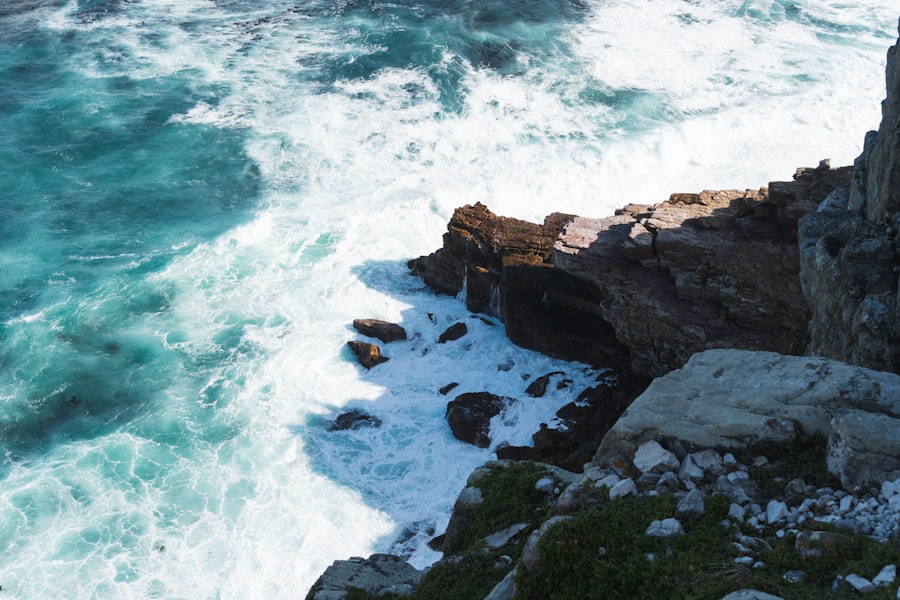
The Red Sea rerouting is a stark reminder of the interconnectedness of maritime security and geopolitical stability. It forces a recalibration of international naval deployments and strategic alliances.
Increased Naval Presence and Security Measures
In response to the threats, several nations have increased their naval presence in the Red Sea and Gulf of Aden. This includes deploying additional warships and conducting joint patrols aimed at protecting commercial shipping. Such deployments, while necessary, also carry the risk of escalating regional tensions.
International Cooperation and Coordination
Effective maritime security in challenging environments necessitates robust international cooperation. This involves intelligence sharing, coordinated patrols, and the establishment of common protocols for responding to attacks. The absence of a unified international response can embolden non-state actors and further destabilize crucial shipping lanes.
The Cost of Securing Sea Lanes
The deployment of naval assets and the implementation of enhanced security measures come at a significant financial cost. This cost, borne by taxpayer funds, underscores the economic burden of maintaining global maritime security, a responsibility often overlooked until disruptions occur. It is the invisible infrastructure of global commerce, maintained at substantial expense.
Redrawing Maritime Power Dynamics
The current situation is, to some extent, redrawing the map of maritime power dynamics. Nations with the naval capacity to project power and secure sea lanes gain increased strategic relevance, while also bearing a greater burden.
Influence of Regional Powers
Regional powers bordering the Red Sea and Indian Ocean are finding their geopolitical influence amplified. Their cooperation, or lack thereof, can significantly impact the effectiveness of security operations and the overall stability of these vital waterways. This highlights the multifaceted nature of international relations, where maritime security intertwines with regional diplomacy.
The Future of Maritime Chokepoints
The Red Sea crisis serves as a powerful case study for the vulnerabilities inherent in critical maritime chokepoints. It prompts a broader strategic discussion about the long-term resilience of global trade, urging a re-evaluation of strategies to protect these vital arteries from a spectrum of threats – from technological disruption to geopolitical instability. The world’s logistical arteries are increasingly under scrutiny, as their vulnerability becomes clearer with each disruption.
The recent decision to reroute shipping traffic through the Cape of Good Hope instead of the Red Sea has sparked significant discussions in maritime circles. This change, driven by geopolitical tensions and safety concerns, has implications for global trade routes and shipping costs. For a deeper understanding of the factors influencing this shift, you can read a related article that explores the complexities of international shipping dynamics and their impact on global commerce. Check it out here.
Long-Term Outlook and Adaptations
| Metric | Red Sea Route | Cape of Good Hope Route |
|---|---|---|
| Distance (nautical miles) | Approximately 6,000 | Approximately 11,000 |
| Average Transit Time | 12-15 days | 25-30 days |
| Fuel Consumption | Lower due to shorter distance | Higher due to longer distance |
| Canal Fees | Applicable (Suez Canal fees) | None |
| Security Risks | Higher (piracy, geopolitical tensions) | Moderate (weather and piracy in some areas) |
| Environmental Impact | Lower emissions due to shorter route | Higher emissions due to longer route |
| Typical Cargo Types | Containers, oil, bulk commodities | Bulk commodities, oil, containers |
The current Red Sea situation, while initially perceived as a temporary crisis, is prompting long-term adaptations in maritime logistics, technology, and strategic thinking.
Technological Innovations in Shipping
The challenges of longer routes and increased risks are accelerating the adoption of technological innovations in the shipping industry. This includes advancements in vessel design, propulsion systems, and digital twinning for optimized route planning and predictive maintenance.
Data-Driven Route Optimization
Sophisticated data analytics and artificial intelligence are becoming indispensable for route optimization. These technologies can process vast amounts of data, including weather patterns, ocean currents, geopolitical intelligence, and fuel prices, to recommend the most efficient and safest routes, even for longer voyages around the Cape. This moves beyond simple shortest-distance calculations to a holistic approach to sea travel.
Autonomous Shipping and Remote Operations
The development of autonomous or remotely operated vessels could offer advantages in high-risk zones, potentially reducing human exposure to danger. While still in nascent stages for commercial trans-oceanic routes, the current security challenges may accelerate investment and development in these technologies. The idea of unmanned cargo vessels navigating dangerous waters is moving from science fiction to practical consideration.
Regulatory and Policy Adjustments
Governments and international organizations are likely to review and adapt maritime regulations and policies in light of the Red Sea rerouting. This includes discussions on international conventions, security protocols, and coordinated responses to threats.
International Law of the Sea Re-evaluation
The ongoing attacks on commercial shipping in international waters may lead to a re-evaluation of aspects of the United Nations Convention on the Law of the Sea (UNCLOS) and other international maritime laws. Discussions could revolve around the rights of self-defense, the mandate for international protection of shipping, and the definition of state responsibility for actions originating from their territories.
Investment in Alternative Infrastructure
In the long term, there may be renewed interest and investment in alternative transit infrastructure, particularly land-based corridors, to reduce over-reliance on vulnerable maritime chokepoints. While often prohibitively expensive and politically complex, sustained maritime insecurity could shift the cost-benefit analysis. This represents a monumental undertaking that could reshape continental trade flows.
The Red Sea rerouting around the Cape of Good Hope is a defining moment for global trade. It represents a crucible in which the resilience of global supply chains is being tested. This extended navigational journey, a detour through history, is not merely a change of route; it is a catalyst for fundamental shifts in strategy, technology, and geopolitical priorities, shaping the future of maritime commerce for years to come.
WATCH THIS! 🌍 GLOBAL TRADE IS A LIE: How Three Chokepoints Control Your Calendar
FAQs
What is the Red Sea reroute?
The Red Sea reroute refers to the alternative maritime route ships take to avoid the Red Sea, often due to geopolitical tensions, piracy risks, or blockages such as the Suez Canal closure. This reroute typically involves sailing around the Cape of Good Hope at the southern tip of Africa.
Where is the Cape of Good Hope?
The Cape of Good Hope is located at the southern tip of the African continent, in South Africa. It is a key landmark for ships navigating between the Atlantic and Indian Oceans.
Why do ships reroute around the Cape of Good Hope instead of using the Red Sea?
Ships may reroute around the Cape of Good Hope to avoid risks such as piracy in the Red Sea and Gulf of Aden, political instability in the region, or blockages like the Suez Canal obstruction. Although longer, this route can be safer or necessary under certain circumstances.
How much longer is the route around the Cape of Good Hope compared to the Red Sea route?
The route around the Cape of Good Hope is significantly longer, often adding several thousand nautical miles and several days to a voyage compared to the Red Sea and Suez Canal route.
What are the economic impacts of rerouting ships around the Cape of Good Hope?
Rerouting ships around the Cape of Good Hope increases fuel consumption, shipping time, and operational costs. This can lead to higher prices for goods and disruptions in global supply chains.
Is the Cape of Good Hope route safe for shipping?
Generally, the Cape of Good Hope route is considered safer from piracy compared to the Red Sea and Gulf of Aden. However, it can be subject to rough seas and adverse weather conditions, especially during the Southern Hemisphere winter.
What types of vessels commonly use the Cape of Good Hope reroute?
Large commercial vessels, including container ships, oil tankers, and bulk carriers, may use the Cape of Good Hope reroute when the Red Sea route is unavailable or deemed unsafe.
How does the Red Sea reroute affect global trade?
The reroute can cause delays and increased shipping costs, impacting the timely delivery of goods worldwide. It can also affect the availability and pricing of commodities, especially oil and manufactured products.
Are there any efforts to improve safety in the Red Sea to reduce the need for rerouting?
Yes, international naval patrols, anti-piracy measures, and diplomatic efforts aim to enhance security in the Red Sea and surrounding waters to ensure safer and more efficient maritime transit.
Can the Suez Canal blockage be a reason for the Red Sea reroute?
Yes, blockages in the Suez Canal, such as the 2021 Ever Given incident, force ships to reroute around the Cape of Good Hope, as the canal is a critical shortcut between Europe and Asia.