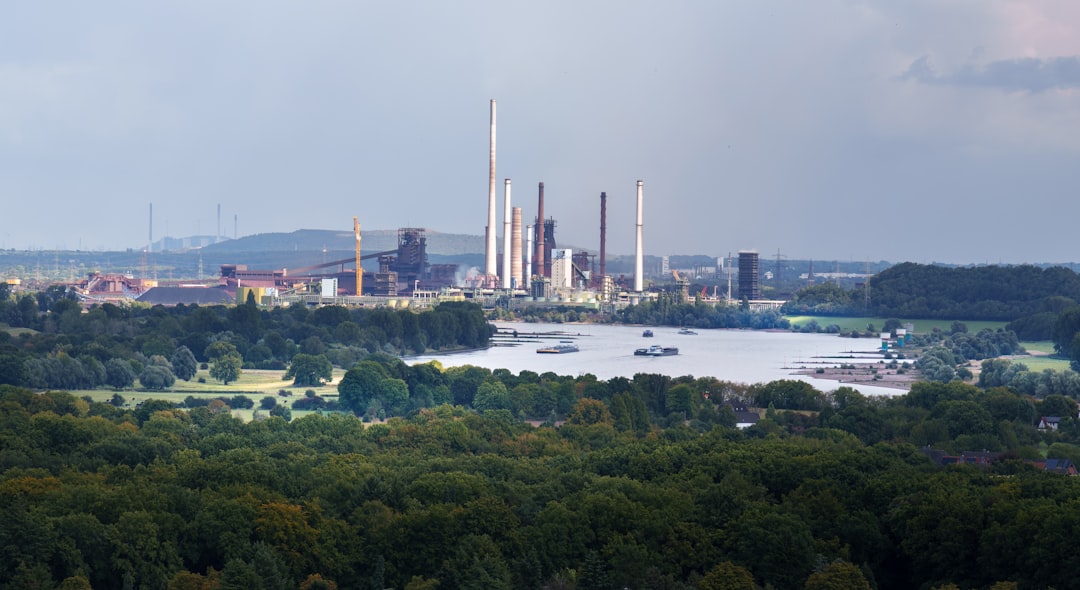
The landscape of German manufacturing, once the undisputed titan of global industry, has faced shifting economic tides and intensifying international competition. However, the nation’s industrial prowess is far from being historical footnote. Germany is engaged in a process of revival, not by clinging to past glories, but by strategic adaptation and future-oriented innovation. This article explores the winning strategies employed to revitalize German manufacturing, examining the multifaceted approaches that are steering this industrial powerhouse towards continued relevance and success in the 21st century.
The concept of Industry 4.0, or the Fourth Industrial Revolution, has become a cornerstone of German manufacturing revival. This paradigm shift involves the integration of cyber-physical systems, the Internet of Things (IoT), and cloud computing into production processes. It’s akin to equipping factories with intelligent nervous systems, allowing for unprecedented levels of automation, data analysis, and interconnectivity.
Implementing Smart Factories
*### Automation and Robotics Advancement
German manufacturers are heavily investing in advanced robotics and automation. This is not merely about replacing human labor but about enhancing precision, efficiency, and safety. Robotic arms are becoming more dexterous, capable of performing complex tasks with unwavering accuracy, while collaborative robots (cobots) are designed to work alongside human operators, augmenting their capabilities rather than supplanting them. This partnership between humans and machines is a key driver of enhanced productivity and adaptability.
*### Data-Driven Production Optimization
The pervasive use of sensors and data analytics within smart factories provides a constant stream of information about every aspect of the production line. This data is then utilized to identify bottlenecks, predict potential equipment failures (predictive maintenance), and optimize resource allocation. Think of it as having a real-time diagnostic tool for the entire manufacturing ecosystem, allowing for proactive interventions rather than reactive fixes. This data-driven approach is transforming manufacturing from a series of isolated steps into a fluid, optimized process.
*### Interconnected Supply Chains
Industry 4.0 extends beyond the factory walls, fostering seamless integration across the entire supply chain. Real-time tracking of materials, immediate communication of production status, and automated adjustments to delivery schedules are becoming the norm. This interconnectedness acts as a vital circulatory system for industrial operations, ensuring that goods flow smoothly and efficiently from raw material to finished product, minimizing delays and waste.
Developing Digital Skills and Talent
*### Upskilling and Reskilling the Workforce
The adoption of Industry 4.0 requires a workforce equipped with new digital competencies. German industrial leaders are prioritizing extensive training programs to upskill existing employees and reskill those whose roles are impacted by automation. This is crucial to ensure that the human element remains central, albeit with evolved skill sets, capable of managing, interpreting, and leveraging sophisticated digital systems.
*### Fostering STEM Education
A long-term strategy involves strengthening STEM (Science, Technology, Engineering, and Mathematics) education from an early age. Universities and vocational training institutions are adapting their curricula to reflect the demands of Industry 4.0, cultivating a new generation of engineers, data scientists, and skilled technicians who are fluent in the language of digital manufacturing.
To effectively attract factories back to Germany, it is essential to consider various strategies that enhance the country’s competitive edge in the global market. One insightful article that delves into the broader context of international relations and economic strategies is available at Navigating International Relations: Key Strategies for Success. This article discusses how diplomatic relations and strategic partnerships can influence industrial growth and investment, providing valuable insights that can be applied to Germany’s efforts in revitalizing its manufacturing sector.
Reaffirming Quality and Precision: The “Made in Germany” Advantage
The “Made in Germany” label has long been synonymous with exceptional quality, reliability, and sophisticated engineering. While embracing new technologies, German manufacturing is also reinforcing these core strengths, understanding that they are not mutually exclusive but rather complementary.
High-Value, Specialized Production
*### Niche Market Dominance
Instead of competing on sheer volume, German manufacturers are increasingly focusing on high-value, specialized product segments where precision, innovation, and customized solutions are paramount. This can range from highly complex machinery and precision medical equipment to premium automotive components and advanced materials. The strategy is to be indispensable in these specific, often technologically demanding, niches.
*### Customization and Flexibility
The ability to offer highly customized products to meet specific client needs is a significant differentiator. This requires flexible production lines that can be quickly reconfigured to accommodate variations in design, material, and specifications. This adaptability ensures that German manufacturers can cater to the evolving demands of a global market that increasingly values bespoke solutions.
Investing in Research and Development (R&D)
*### Continuous Innovation Pipeline
Sustained investment in R&D is the lifeblood of German manufacturing. Companies are dedicating substantial resources to developing new materials, refining production techniques, and exploring groundbreaking technologies. This commitment to innovation acts as a powerful engine, propelling German products to the forefront of technological advancement and ensuring their continued competitive edge.
*### Collaboration with Research Institutions
Strong links between industry and academic research institutions are vital. Collaborative projects, joint ventures, and government-backed research initiatives ensure a steady flow of new ideas and the rapid translation of scientific breakthroughs into practical industrial applications. This synergy between theoretical knowledge and practical implementation is a key to staying ahead of the curve.
Navigating Global Trade Dynamics: Strategic Partnerships and Diversification

The international trade landscape is a complex web of agreements, tariffs, and geopolitical shifts. German manufacturing is actively navigating these dynamics through strategic partnerships and a deliberate approach to market diversification.
Diversifying Export Markets
*### Reducing Reliance on Traditional Markets
While traditional markets remain important, German companies are actively seeking to expand their presence in emerging economies and regions with growing industrial needs. This diversification mitigates risks associated with economic slowdowns or trade disputes in any single market, creating a more resilient export strategy. The goal is to cast a wider net, ensuring that the anchor holds firm even during turbulent seas.
*### Tailoring Products for Local Needs
Successful market diversification involves understanding and responding to the unique demands of different regions. This might include adapting product features, offering different service models, or developing localized supply chains to better serve specific customer bases. It’s about speaking the local language of manufacturing needs.
Strengthening European Cooperation
*### Leveraging the EU Single Market
Germany’s position within the European Union’s single market provides inherent advantages. Collaborative efforts with other EU member states on innovation, standardization, and trade policies strengthen the collective manufacturing power of the bloc. This shared industrial ecosystem fosters economies of scale and allows for coordinated responses to global challenges.
*### Cross-Border Research and Production Networks
Encouraging cross-border collaboration in research and development, as well as in production networks, can lead to greater efficiency and specialized expertise. Sharing best practices and developing joint projects within the EU can create a powerful competitive force, ensuring that European manufacturing remains a global leader.
Prioritizing Sustainability and Resource Efficiency
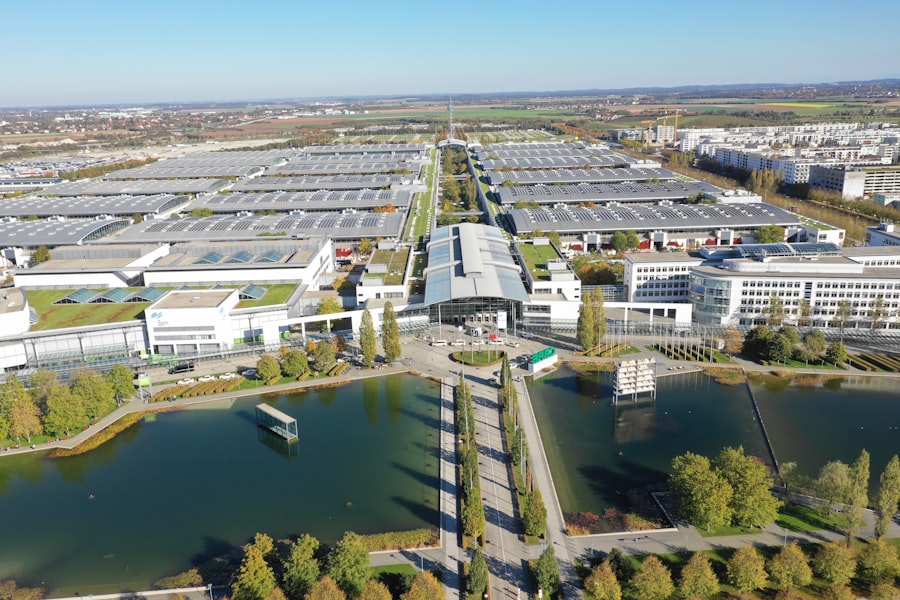
Sustainability is no longer a secondary consideration but a core strategic imperative for modern German manufacturing. The focus is on minimizing environmental impact, optimizing resource utilization, and developing eco-friendly production methods and products.
Circular Economy Principles
*### Waste Reduction and Material Recycling
German manufacturers are increasingly adopting circular economy principles. This involves designing products for longevity, facilitating easier repair and refurbishment, and prioritizing the use of recycled and recyclable materials. The aim is to move away from a linear “take-make-dispose” model towards a closed-loop system where resources are continuously reused.
*### Energy Efficiency in Production
Significant investments are being made in energy-efficient technologies and processes. This includes adopting renewable energy sources, optimizing machinery to consume less power, and implementing smart energy management systems within factories. Reducing energy consumption not only lowers operational costs but also significantly diminishes the environmental footprint.
Green Product Development
*### Eco-Design and Lifecycle Assessment
The concept of eco-design is integrated from the early stages of product development. Manufacturers are conducting thorough lifecycle assessments to understand the environmental impact of their products from raw material extraction to disposal. This allows for informed decisions that minimize negative environmental consequences throughout a product’s entire existence.
*### Sustainable Material Sourcing
There is a growing emphasis on sourcing raw materials from sustainable and ethically responsible suppliers. This commitment extends to exploring bio-based materials and novel composites that offer environmental benefits without compromising performance.
In exploring the various approaches to revitalize Germany’s manufacturing sector, one can gain valuable insights from a related article that delves into the broader implications of information control and its impact on economic strategies. Understanding how information dissemination affects industrial growth is crucial, as highlighted in the article on the history of information control. By examining these dynamics, policymakers can better formulate effective strategies to attract factories back to Germany. For more information, you can read the article here.
Adapting to New Business Models: Services, Solutions, and Connectivity
| Strategy | Key Metrics | Expected Impact | Implementation Timeline |
|---|---|---|---|
| Tax Incentives for Manufacturing | Corporate tax reduction by 5-10% | Increase factory relocations by 15% | 1-2 years |
| Investment in Advanced Infrastructure | Increase in logistics efficiency by 20% | Reduce operational costs by 10% | 3-5 years |
| Skilled Workforce Development Programs | Increase in skilled labor availability by 25% | Improve production quality and speed | 2-4 years |
| Subsidies for Automation and Technology Adoption | Subsidy coverage of up to 30% of automation costs | Boost productivity by 18% | 1-3 years |
| Streamlining Regulatory Processes | Reduce permit approval time by 40% | Faster factory setup and expansion | 1 year |
| Energy Cost Reduction Initiatives | Lower industrial energy rates by 15% | Decrease manufacturing overhead | 2-3 years |
The traditional model of simply selling physical goods is evolving. German manufacturing is embracing new business models that incorporate services, offer comprehensive solutions, and leverage connectivity to create ongoing customer value.
Shift Towards Service-Oriented Manufacturing
*### Product-as-a-Service (PaaS)
Many German manufacturers are moving towards Product-as-a-Service models, where customers pay for the use of a product or its output rather than outright ownership. This can include leasing machinery with integrated maintenance and support, or offering subscription-based access to advanced software and analytical tools. This fosters a deeper, continuous relationship with the customer.
*### After-Sales Services and Maintenance
Enhancing after-sales services, including predictive maintenance, remote diagnostics, and on-demand repair, adds significant value and builds customer loyalty. Leveraging digital technologies allows for proactive problem-solving, minimizing downtime and maximizing product uptime.
Integrated Solutions and Digital Platforms
*### Bundling Products and Services
Instead of offering isolated products, manufacturers are increasingly bundling them with complementary services, software, and consulting to provide comprehensive solutions. This addresses the customer’s broader needs and positions the manufacturer as a strategic partner.
*### Digital Platforms for Customer Interaction
Developing digital platforms that facilitate customer interaction, order management, technical support, and data sharing further strengthens relationships and streamlines operations. These platforms can act as central hubs for all aspects of the customer journey.
The revival of German manufacturing is not a singular event but an ongoing process of strategic adaptation. By embracing Industry 4.0, reaffirming its commitment to quality, intelligently navigating global trade, prioritizing sustainability, and evolving its business models, Germany is demonstrating its capacity to remain an industrial powerhouse. This dedication to innovation, resilience, and a forward-looking perspective ensures that the engine of German manufacturing will continue to drive progress and shape the global industrial landscape for years to come. The challenges are evident, but the strategies are robust, paving a path for sustained success.
FAQs
What are the main reasons factories left Germany initially?
Many factories left Germany due to high labor costs, strict regulations, and the search for cheaper production locations abroad. Globalization and advances in logistics also made it easier for companies to relocate manufacturing to countries with lower expenses.
What strategies can Germany use to attract factories back?
Germany can attract factories back by offering tax incentives, investing in advanced infrastructure, simplifying regulations, promoting innovation and automation, and enhancing workforce skills through training programs.
How does automation influence the return of factories to Germany?
Automation reduces reliance on low-cost labor by increasing productivity and efficiency. This makes manufacturing in Germany more competitive despite higher wages, encouraging companies to reshore factories.
What role does government policy play in bringing factories back?
Government policy is crucial, as supportive measures like subsidies, tax breaks, streamlined permitting processes, and investment in research and development can create a favorable environment for manufacturing companies to return.
How important is workforce skill development in attracting factories?
Workforce skill development is vital because modern factories require highly skilled employees to operate advanced machinery and technologies. Germany’s strong vocational training system helps ensure a qualified labor pool, making it an attractive location for manufacturing.