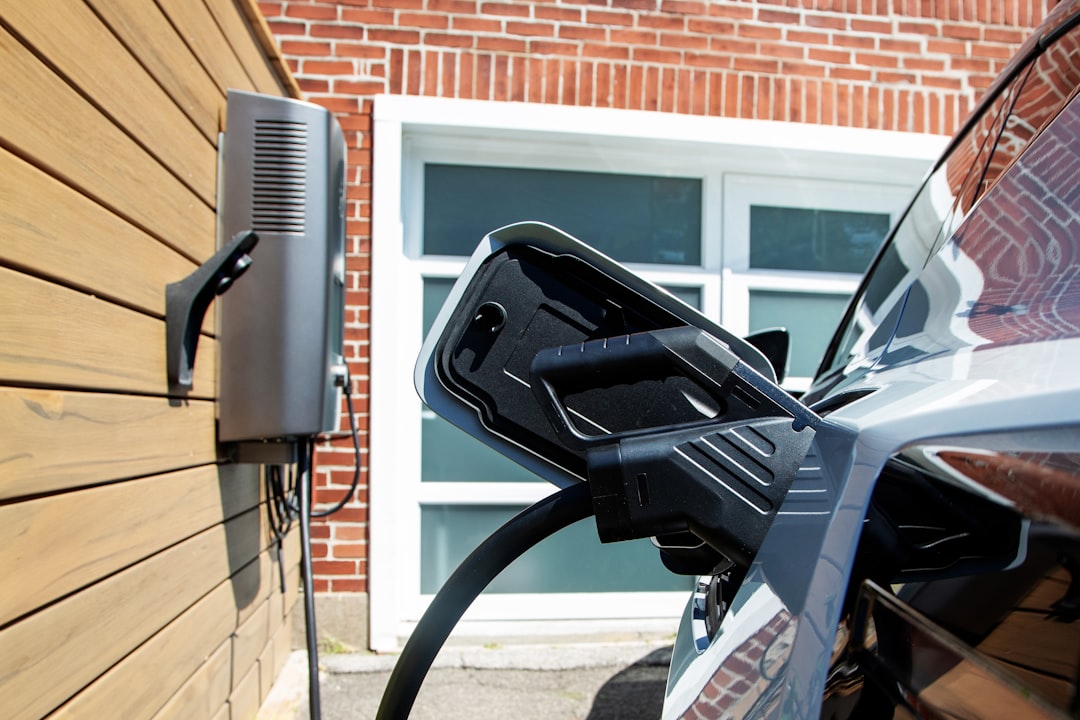
In recent years, the energy sector has undergone a significant transformation driven by technological innovations. These advancements, including renewable energy technologies and sophisticated energy storage systems, are changing how energy is produced, used, and conserved globally. With climate change concerns and diminishing fossil fuel resources, the need for sustainable energy solutions has become critical.
These revolutionary technologies offer potential for reducing carbon emissions while improving energy efficiency and accessibility worldwide. These technological developments have attracted substantial attention from investors, researchers, and government officials. Increased research and development efforts have resulted in numerous patent applications for new energy solutions.
However, implementing these innovations on a large scale often faces challenges related to intellectual property rights. Patent buyout strategies have emerged as an important mechanism in the energy industry that may help accelerate the implementation of these breakthrough technologies.
Key Takeaways
- Patent buyouts in the energy sector can accelerate the adoption of revolutionary energy technologies by removing patent barriers.
- While patent buyouts encourage innovation and wider technology access, they may also reduce incentives for original inventors.
- Government and regulatory bodies play a crucial role in facilitating fair and effective patent buyout processes.
- Successful case studies demonstrate that strategic patent buyouts can lead to significant advancements in clean and sustainable energy solutions.
- Companies must develop clear strategies to navigate the legal, ethical, and financial challenges associated with patent buyouts to maximize innovation benefits.
The Concept of Patent Buyout in the Energy Industry
Patent buyout refers to the process by which a company or entity acquires the rights to a patent from its original holder, often with the intention of commercializing the technology or integrating it into their existing operations. In the energy sector, this practice has gained traction as companies seek to harness innovative technologies that can provide a competitive edge in a rapidly evolving market. By purchasing patents, firms can circumvent lengthy development processes and leverage existing research to bring new products and services to market more swiftly.
The dynamics of patent buyout are particularly relevant in the context of energy technology, where the pace of innovation is accelerating. Companies may choose to buy out patents for various reasons, including the desire to eliminate competition, gain access to proprietary knowledge, or enhance their product offerings. This strategic maneuvering can lead to significant advancements in energy solutions, as firms are able to pool resources and expertise to refine and scale up new technologies.
Advantages and Disadvantages of Patent Buyout

The advantages of patent buyout in the energy industry are manifold. Firstly, it allows companies to rapidly acquire cutting-edge technologies without investing extensive time and resources into research and development. This can be particularly beneficial in an industry where technological advancements are crucial for maintaining competitiveness.
By acquiring patents, companies can also mitigate risks associated with innovation, as they gain access to proven technologies that have already undergone rigorous testing. However, patent buyouts are not without their drawbacks. One significant concern is that they can stifle competition by consolidating power within a few dominant players in the market.
When large corporations acquire patents from smaller innovators, there is a risk that these technologies may be shelved or underutilized, limiting their potential impact on the industry. Additionally, the financial burden associated with patent buyouts can be substantial, particularly for smaller firms that may struggle to compete with larger entities possessing greater resources.
Impact of Patent Buyout on Energy Innovation
The impact of patent buyout on energy innovation is complex and multifaceted. On one hand, it can serve as a catalyst for progress by enabling companies to access and implement groundbreaking technologies more efficiently. This can lead to accelerated development timelines and faster deployment of renewable energy solutions, ultimately contributing to a more sustainable energy landscape.
Furthermore, when companies collaborate through patent buyouts, they can share knowledge and expertise, fostering an environment conducive to innovation. Conversely, there are concerns that patent buyouts may hinder innovation in certain contexts. When dominant players acquire patents solely to eliminate competition or control market dynamics, it can create barriers for smaller firms seeking to introduce their own innovations.
This consolidation of power may lead to a stagnation of ideas and a lack of diversity in technological advancements. As such, while patent buyouts can drive progress in some instances, they also pose risks that must be carefully managed to ensure a vibrant and competitive energy sector.
Case Studies of Successful Patent Buyouts in the Energy Sector
| Metric | Value | Unit | Description |
|---|---|---|---|
| Number of Patent Buyouts | 120 | Count | Total patent buyouts in energy technology sector in the last 5 years |
| Average Buyout Price | 3.5 | Million | Average price paid per patent buyout |
| Energy Technology Focus | Solar, Wind, Battery Storage | Categories | Primary energy technology areas targeted by buyouts |
| Buyout Success Rate | 85 | Percent | Percentage of buyouts leading to commercialized products |
| Average Time to Commercialization | 2.3 | Years | Average time from buyout to product launch |
| Top Buyer Type | Energy Corporations | Category | Most frequent type of entity purchasing patents |
| Geographic Distribution | North America 50%, Europe 30%, Asia 20% | Percent | Regional distribution of patent buyouts |
Several notable case studies illustrate the potential benefits of patent buyouts in the energy sector. One prominent example is the acquisition of solar technology patents by major corporations such as Tesla and First Solar. These companies recognized the value of existing innovations in photovoltaic technology and strategically acquired patents to enhance their product offerings.
By integrating these technologies into their operations, they were able to accelerate the development of more efficient solar panels and expand their market presence. Another compelling case is that of battery technology patents acquired by electric vehicle manufacturers. As the demand for electric vehicles continues to rise, companies like General Motors and Ford have sought to bolster their capabilities by purchasing patents related to advanced battery systems.
This strategic move not only allows them to improve their vehicle performance but also positions them as leaders in the burgeoning electric vehicle market. These examples underscore how patent buyouts can facilitate rapid advancements in energy technology while enabling companies to stay ahead of industry trends.
Legal and Ethical Considerations in Patent Buyout

The legal landscape surrounding patent buyouts is intricate and often contentious. Intellectual property laws vary significantly across jurisdictions, leading to complexities in negotiating and executing patent acquisitions. Companies must navigate a myriad of legal considerations, including licensing agreements, potential infringement issues, and compliance with antitrust regulations.
Failure to adhere to these legal frameworks can result in costly litigation and reputational damage. Ethical considerations also play a crucial role in patent buyouts within the energy sector. The practice raises questions about equity and access to technology, particularly when large corporations acquire patents from smaller innovators who may lack the resources to compete effectively.
There is an ongoing debate about whether such acquisitions serve the greater good or merely reinforce existing power dynamics within the industry. As stakeholders grapple with these ethical dilemmas, it becomes imperative for companies to adopt transparent practices that prioritize collaboration and innovation over monopolistic tendencies.
The Role of Government and Regulatory Bodies in Patent Buyout
Government and regulatory bodies play a vital role in shaping the landscape of patent buyouts in the energy sector. Policymakers are tasked with creating frameworks that promote innovation while safeguarding competition and consumer interests. This often involves establishing guidelines for patent acquisitions, ensuring that they do not lead to anti-competitive practices or hinder market entry for new players.
By fostering an environment conducive to collaboration between public institutions and private enterprises, governments can help facilitate successful patent buyouts that drive progress in energy technology while maintaining a competitive marketplace.
Challenges and Risks Associated with Patent Buyout
Despite its potential benefits, patent buyout is fraught with challenges and risks that companies must navigate carefully. One significant challenge is determining the true value of a patent during negotiations. Valuation can be subjective and influenced by various factors such as market demand, technological relevance, and competitive landscape.
Misjudging a patent’s worth can lead to overpayment or underutilization of acquired technologies. Moreover, there are inherent risks associated with integrating acquired patents into existing operations. Companies may face difficulties in aligning new technologies with their current systems or may encounter unforeseen technical challenges during implementation.
Additionally, there is always the possibility that competitors may develop superior alternatives that render acquired patents less valuable over time. As such, companies must conduct thorough due diligence before pursuing patent buyouts to mitigate these risks effectively.
Future Trends in Patent Buyout for Revolutionary Energy Technology
Looking ahead, several trends are likely to shape the future of patent buyouts in revolutionary energy technology. One notable trend is the increasing emphasis on sustainability and environmental responsibility among consumers and investors alike.
This shift could lead to a surge in demand for innovative technologies aimed at reducing carbon footprints. Another emerging trend is the rise of collaborative approaches to innovation within the energy sector. Companies may increasingly seek partnerships or joint ventures rather than pursuing solitary patent buyouts.
By pooling resources and expertise, firms can enhance their capabilities while fostering an environment conducive to shared innovation. This collaborative spirit could pave the way for more inclusive advancements in energy technology that benefit a broader range of stakeholders.
Strategies for Companies to Navigate Patent Buyout in the Energy Industry
To successfully navigate patent buyouts in the energy industry, companies should adopt strategic approaches that prioritize collaboration and transparency. Building relationships with innovators and startups can provide valuable insights into emerging technologies while fostering an ecosystem conducive to knowledge sharing. Engaging in open dialogues with stakeholders can also help identify potential acquisition opportunities that align with corporate goals.
Additionally, companies should invest in robust legal frameworks that ensure compliance with intellectual property laws while safeguarding against potential disputes. Establishing clear guidelines for patent acquisitions can streamline negotiations and minimize risks associated with integration challenges. By adopting proactive strategies that emphasize collaboration and legal diligence, companies can position themselves for success in an increasingly competitive energy landscape.
The Potential of Patent Buyout to Drive Energy Innovation
In conclusion, patent buyouts represent a powerful mechanism for driving innovation within the energy sector. While they offer significant advantages such as accelerated access to cutting-edge technologies and enhanced competitive positioning, they also pose challenges that must be carefully managed. The interplay between legal considerations, ethical dilemmas, and market dynamics underscores the complexity of this practice.
As society continues its quest for sustainable energy solutions, the role of patent buyouts will likely become even more pronounced. By fostering collaboration among stakeholders and prioritizing transparency in acquisitions, companies can harness the full potential of revolutionary energy technologies while contributing to a more sustainable future. Ultimately, navigating this landscape requires a delicate balance between innovation and competition—one that holds immense promise for shaping the future of energy worldwide.
In the evolving landscape of energy technology, the concept of patent buyouts has gained significant attention as a means to accelerate innovation and deployment of sustainable solutions. A related article that delves into the implications and strategies surrounding this topic can be found at Real Lore and Order. This resource provides valuable insights into how patent buyouts can facilitate the transition to cleaner energy sources and foster collaboration among industry players.
FAQs
What is a patent buyout in the context of energy technology?
A patent buyout in energy technology refers to the process where a government, organization, or company purchases patents related to energy innovations from inventors or patent holders. This allows the buyer to control the technology, often to promote wider access, further development, or to prevent monopolization.
Why are patent buyouts important for energy technology?
Patent buyouts can accelerate the deployment of new energy technologies by removing barriers to entry, encouraging competition, and enabling broader use of innovations. They can help address climate change by facilitating the rapid adoption of clean and renewable energy solutions.
Who typically conducts patent buyouts in the energy sector?
Patent buyouts are usually conducted by governments, international organizations, or large corporations interested in promoting sustainable energy solutions. Sometimes, non-profit organizations also participate to ensure that critical technologies are accessible for public benefit.
How does a patent buyout benefit inventors?
Inventors receive financial compensation for their patents, which can provide immediate funding and reduce the risks associated with commercializing new technologies. It also allows them to contribute to societal goals, such as environmental sustainability, by enabling wider use of their inventions.
What challenges are associated with patent buyouts in energy technology?
Challenges include determining fair market value for patents, ensuring that buyouts do not stifle innovation, managing intellectual property rights effectively, and coordinating among multiple stakeholders to maximize public benefit.
Can patent buyouts help in combating climate change?
Yes, by facilitating the dissemination and adoption of clean energy technologies, patent buyouts can play a role in reducing greenhouse gas emissions and supporting the transition to sustainable energy systems.
Are patent buyouts common in the energy industry?
While not yet widespread, patent buyouts are gaining attention as a policy tool to promote innovation and accessibility in energy technology, especially in the context of global efforts to address environmental challenges.
How do patent buyouts differ from traditional licensing?
In a patent buyout, the patent rights are purchased outright, transferring ownership to the buyer. In traditional licensing, the patent holder retains ownership but grants permission to others to use the technology under specific terms. Buyouts can enable broader, unrestricted use of the technology.