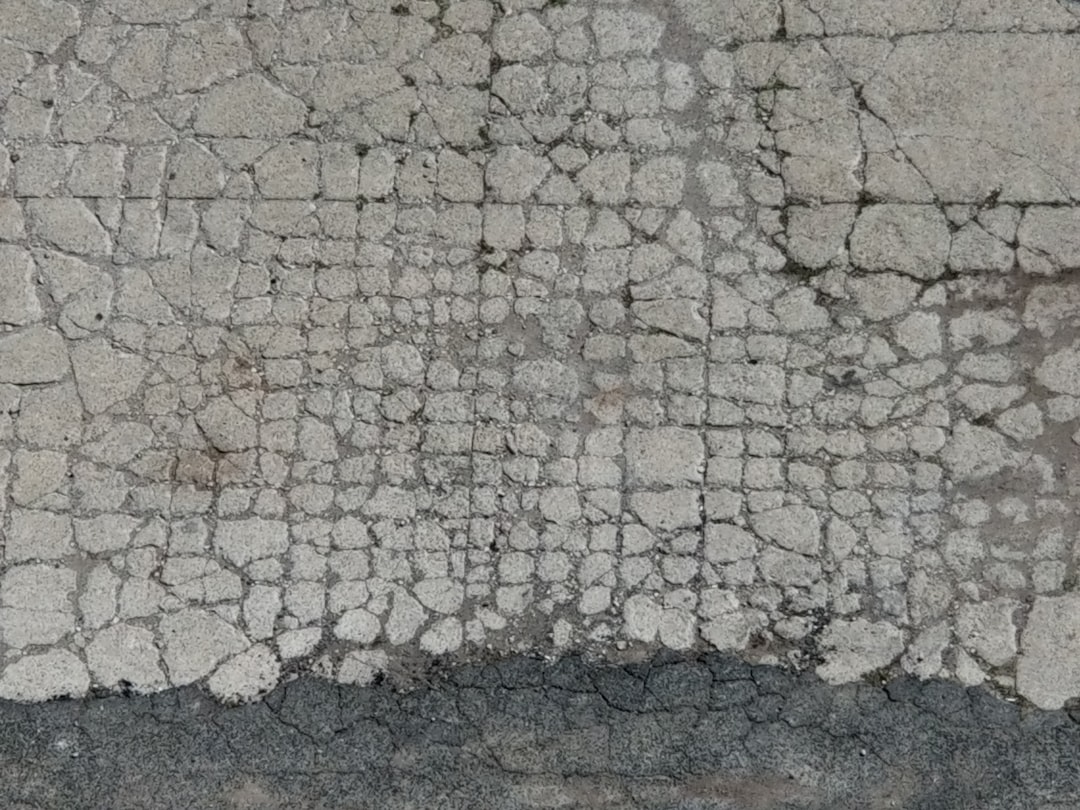
The enduring legacy of Roman engineering continues to captivate and challenge contemporary understanding. Among their numerous architectural marvels, the remarkable durability of Roman concrete, particularly its inexplicable capacity for self-repair, has long been a subject of intense scientific inquiry. Recent breakthroughs in material science have shed new light on the unique formulation of this ancient binder, revealing a sophisticated design that actively contributed to its longevity and resilience.
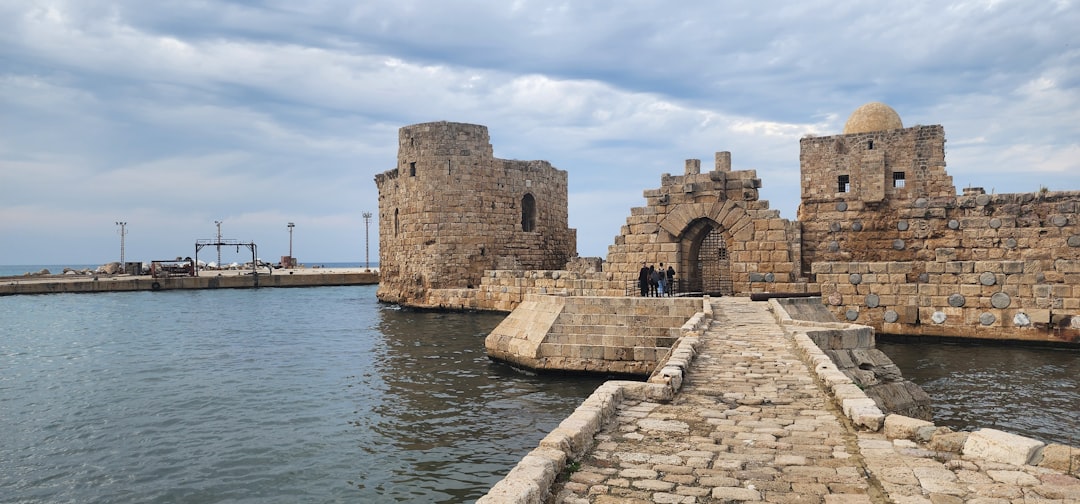
For centuries, researchers have grappled with the mechanisms behind the exceptional preservation of Roman structures such as the Pantheon, Trajan’s Market, and numerous aqueducts and harbor facilities. Unlike modern concrete, which exhibits a propensity for cracking and degradation over relatively short timescales, Roman concrete has demonstrably withstood the ravages of time, seismic activity, and exposure to harsh environmental conditions for millennia. This remarkable persistence has often been attributed to the use of volcanic ash, specifically pozzolana, which was widely incorporated into their cementitious mixtures. While pozzolana’s role in enhancing durability is undeniable, it alone did not fully explain the observed self-healing phenomena.
Pozzolana: A Key Ingredient, But Not the Whole Story
Pozzolana, a naturally occurring siliceous and aluminous material, reacts with calcium hydroxide in the presence of water to form calcium silicate hydrates (CSH), the primary binding phase in cement. This pozzolanic reaction contributes to the concrete’s strength and reduces permeability. However, extensive analysis of ancient Roman concrete samples revealed inconsistencies with the prevailing theories solely attributing its longevity to pozzolana. These investigations pointed towards an additional, more dynamic component.
The Problem of Cracking: A Universal Challenge
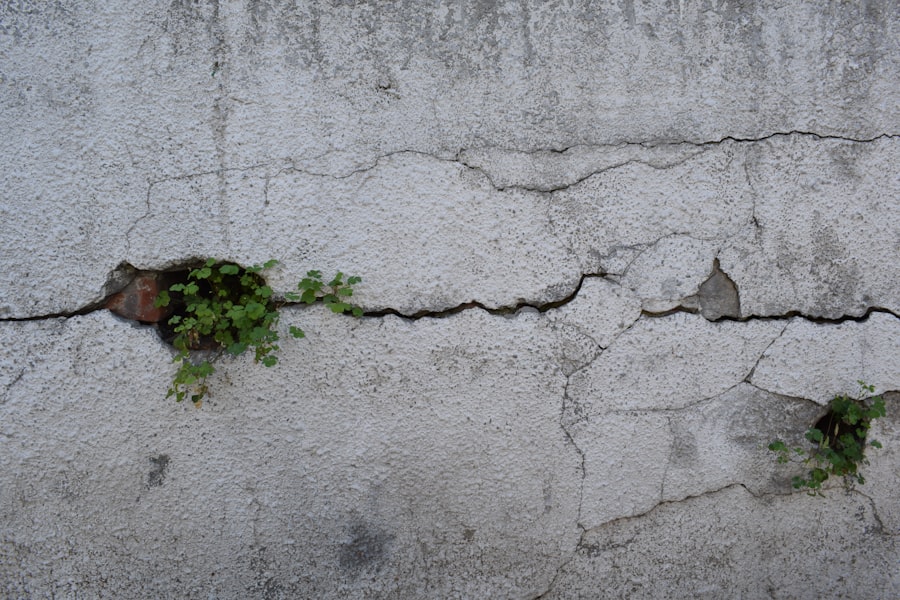
Cracking is an inherent vulnerability in all concrete structures. When concrete cracks, it allows for the ingress of water, oxygen, and deleterious substances, leading to corrosion of reinforcement, freeze-thaw damage, and ultimately, structural failure. Modern concrete relies on protective coatings, regular maintenance, and carefully designed reinforcement to mitigate cracking and its effects. The Roman solution, however, appears to have been an intrinsic self-repair mechanism, a kind of internal guardian against decay.
Roman self-healing concrete has garnered significant attention for its innovative approach to infrastructure durability, and a related article that delves deeper into this fascinating topic can be found at Real Lore and Order. This article explores the historical context of Roman engineering techniques and how modern scientists are looking to replicate the self-healing properties of ancient concrete to enhance the longevity of contemporary structures. By examining the unique composition and methods used by the Romans, researchers aim to develop new materials that can autonomously repair cracks and damage, potentially revolutionizing construction practices today.
Unveiling the “Hot Mixing” Hypothesis
A pivotal shift in understanding occurred with the advent of detailed micro-analytical techniques applied to ancient concrete samples. These studies revealed unusual mineral phases within the binder, specifically abundant clasts of lime, often referred to as “lime clasts.” These clasts, previously dismissed as evidence of poor mixing or low-quality materials, have now been identified as a critical component in the Roman concrete’s self-healing prowess.
The Significance of Lime Clasts
Lime clasts are small, reactive particles of calcium oxide (quicklime) that were deliberately incorporated into the Roman concrete mixture. Their presence indicates a high-temperature mixing process, a technique known as “hot mixing.” This method involves reacting quicklime directly with water at elevated temperatures, generating significant heat. This stands in stark contrast to modern concrete production, which typically uses pre-hydrated lime or Portland cement, minimizing heat generation during mixing.
Hot Mixing: A Catalytic Process
The hot mixing process had several profound implications for the concrete’s final properties. The high temperatures facilitated more thorough and rapid chemical reactions than would occur with ambient temperature mixing. This led to the formation of unique calcium-aluminum-silicate-hydrate (C-A-S-H) phases, which exhibit enhanced binding properties and a more complex microstructure. Furthermore, the intense heat likely altered the reactivity of the pozzolanic materials, making them more receptive to subsequent chemical transformations.
Metaphor: A Phoenix Reborn
One can envision the lime clasts as dormant sparks within the concrete matrix. When a crack forms, allowing water to penetrate, these sparks are ignited. The water reacts with the quicklime in the clasts, generating heat and forming calcium hydroxide. This newly formed calcium hydroxide is then able to react with the surrounding pozzolanic materials, initiating secondary precipitation of calcium carbonate (calcite) and calcium silicate hydrates. These new minerals effectively “fill in” the cracks, much like a phoenix rising from its ashes to stitch together the structural integrity.
The Self-Healing Mechanism in Action
The active self-healing process in Roman concrete hinges on the reactivity of these lime clasts. When a small crack invariably develops in the concrete, the ingress of water becomes the catalyst for repair. The water reacts with the quicklime within the lime clasts, forming a supersaturated solution of calcium hydroxide.
Dissolution and Precipitation: The Crack’s Repair
As this calcium hydroxide solution permeates the crack, it encounters the available pozzolanic materials within the matrix. This interaction drives a secondary pozzolanic reaction, leading to the precipitation of new mineral phases, primarily calcium carbonate (calcite) and additional calcium silicate hydrates. These minerals effectively crystallize within the crack, sealing it and preventing further water penetration and degradation. This process is analogous to the body’s natural wound-healing response, where platelets and fibrin work to close a laceration.
Repeated Healing: A Sustained Defense
Crucially, the presence of numerous unreacted lime clasts throughout the material means that the self-healing process is not a one-time event. Should new cracks form, or old cracks reopen due to continued stress or environmental factors, the mechanism can be reactivated. This provides a continuous, intrinsic defense system against micro-cracking and progressive deterioration, explaining the extraordinary longevity of Roman concrete in challenging environments, such as marine structures where tidal forces and saltwater exposure are constant threats.
Metaphor: A Living Material
Unlike modern concrete, which largely remains a static, inert material once cured, Roman concrete, with its self-healing capability, can be conceptualized as possessing a degree of “aliveness.” It actively responds to damage, mending itself and resisting the relentless march of entropy. This inherent repair mechanism transforms it from a mere building material into a dynamic, resilient entity.
Replicating the Roman Formula: Modern Implications
The unraveling of the Roman concrete’s self-healing secret holds immense potential for modern construction. The quest for sustainable and durable infrastructure has driven significant research into self-healing materials. The Roman approach offers a promising biomimetic pathway, inspiring the development of advanced cementitious composites.
Challenges in Replication
Directly replicating the Roman hot mixing process and incorporating active lime clasts presents several practical challenges for modern large-scale concrete production. The high temperatures involved require specialized equipment and safety protocols. Furthermore, controlling the reactivity of the lime clasts to ensure optimal self-healing without compromising initial strength or workability requires careful material science and engineering.
Modern Self-Healing Concrete: A New Frontier
Despite these challenges, the principles gleaned from Roman concrete are already influencing the design of contemporary self-healing concretes. Researchers are experimenting with various approaches, including:
- Bacteria-based self-healing: Incorporating bacteria that produce calcium carbonate when activated by water.
- Encapsulated healing agents: Embedding microcapsules containing healing agents (e.g., polymers, epoxies) that rupture and release when a crack forms.
- Crystalline admixtures: Adding crystalline admixtures that react with water to form insoluble crystals, filling cracks.
The Roman formula offers a natural, mineral-based approach that could potentially be more environmentally friendly and scalable than some of the more complex modern alternatives.
Recent advancements in construction materials have drawn attention to the ancient technique of Roman self-healing concrete, which has proven to be remarkably durable over centuries. This innovative formula not only enhances the longevity of structures but also offers a sustainable solution to modern engineering challenges. For those interested in exploring the implications of this technology further, a related article can be found here, providing insights into how these ancient methods can inspire contemporary practices in the construction industry.
Historical Context and Engineering Ingenuity
| Component | Percentage by Weight | Function | Notes |
|---|---|---|---|
| Volcanic Ash (Pozzolana) | 20-25% | Provides hydraulic properties and reacts with lime to form cementitious compounds | Key ingredient for durability and self-healing |
| Lime (Calcium Oxide) | 30-35% | Acts as a binder and reacts with pozzolana | Hydraulic lime preferred over quicklime |
| Aggregate (Sand and Small Stones) | 40-45% | Provides structural strength and bulk | Locally sourced materials used |
| Water | Variable (approx. 15-20%) | Hydrates lime and pozzolana for chemical reactions | Amount adjusted for workability |
| Self-Healing Mechanism | N/A | Calcium carbonate precipitates to fill cracks | Triggered by exposure to water and air |
| Setting Time | Several hours to days | Depends on mixture and environmental conditions | Slower than modern Portland cement |
| Compressive Strength | 5-15 MPa (varies) | Lower than modern concrete but sufficient for many structures | Increases over time due to ongoing reactions |
To fully appreciate the significance of the Roman concrete formula, it is essential to consider the scientific and technological context of the era. Without the benefit of modern chemical analysis or understanding of material microstructure, Roman engineers developed a material that exhibited properties far beyond what their contemporary knowledge would ostensibly allow.
Trial and Error and Empirical Observation
The development of this sophisticated concrete was undoubtedly the result of generations of empirical observation, trial and error, and a deep understanding of natural materials. The Romans meticulously sourced and selected specific types of volcanic ash, aggregates, and limes, refining their mixing techniques over centuries. Their ability to discern subtle differences in material properties and understand their interplay without advanced scientific instrumentation is a testament to their engineering acumen.
The Pantheon: A Masterpiece of Concrete Engineering
The Pantheon’s massive dome, the largest unreinforced concrete dome in the world, stands as a testament to the Romans’ mastery of this material. The self-healing properties of the concrete played a crucial role in its unprecedented structural integrity and its ability to withstand 2,000 years of environmental loading. The gradient of aggregates, from dense basal layers to lightweight pumice at the apex, combined with the self-healing binder, created a lightweight yet remarkably durable structure.
Conclusion: Lessons from Roman Durability
The revolutionary Roman self-healing concrete formula represents more than just a historical curiosity; it is a profound lesson in material science and engineering. The deliberate incorporation of reactive lime clasts and the high-temperature “hot mixing” process endowed their concrete with an innate ability to repair itself, an active defense against decay. This mechanism, a chemical dance between water, lime, and pozzolana, allowed Roman structures to defy the gravitational pull of time and stand as enduring monuments to their builders’ ingenuity.
As modern society grapples with the challenges of aging infrastructure and the need for sustainable construction solutions, the wisdom embedded in Roman concrete offers a powerful blueprint. By understanding and adapting these ancient principles, we can aspire to create building materials that are not merely strong and durable, but truly resilient and self-sustaining, echoing the timeless architectural legacy of one of history’s greatest civilizations. The Roman self-healing concrete formula serves as a poignant reminder that sometimes, the most innovative solutions lie in the diligent study and respectful interpretation of the past.
STOP: Why They Erased 50 Impossible Inventions From Your Textbooks
FAQs
What is Roman self-healing concrete?
Roman self-healing concrete is a type of ancient concrete used by the Romans that has the ability to repair its own cracks over time. This is due to the unique mixture of volcanic ash, lime, and seawater, which promotes the growth of minerals that fill in cracks naturally.
How does the self-healing process work in Roman concrete?
The self-healing process occurs when cracks in the concrete allow water to enter. The volcanic ash reacts with the lime and seawater to form new mineral compounds, such as calcium carbonate, which gradually fill and seal the cracks, restoring the concrete’s integrity.
What materials were used in the Roman self-healing concrete formula?
The primary materials included volcanic ash (pozzolana), lime (calcium oxide), seawater, and aggregates like small stones or broken bricks. The combination of these materials created a chemical reaction that enhanced durability and self-healing properties.
Why is Roman concrete considered more durable than modern concrete?
Roman concrete’s durability comes from its unique chemical composition and the self-healing properties that allow it to resist cracking and degradation over centuries. The use of volcanic ash and seawater leads to the formation of stable mineral structures that strengthen the material over time.
Can modern concrete benefit from the Roman self-healing concrete formula?
Yes, researchers are studying the Roman concrete formula to develop modern concrete with similar self-healing properties. Incorporating volcanic ash or similar pozzolanic materials and optimizing chemical reactions can improve the longevity and sustainability of contemporary concrete structures.