Helium, a noble gas known for its unique properties, has become increasingly vital in various sectors, including healthcare, aerospace, and electronics. As a non-renewable resource, the extraction and recovery of helium have garnered significant attention in recent years. Helium recovery refers to the processes involved in capturing and reusing helium that would otherwise be lost during industrial operations.
This practice not only conserves a precious resource but also enhances the sustainability of industries reliant on helium. The growing awareness of helium’s scarcity has prompted a shift towards more efficient recovery methods, making it a focal point for innovation and technological advancement. The importance of helium recovery cannot be overstated.
The process of helium recovery involves various techniques and technologies designed to capture helium from natural gas production, medical applications, and other industrial processes. By implementing these methods, companies can significantly reduce waste and ensure a steady supply of helium for future use.
This article will explore the significance of helium in various industries, the increasing demand for this resource, and the advancements in recovery technologies that promise to revolutionize the way helium is sourced and utilized.
Key Takeaways
- Helium is crucial across multiple industries, driving the need for efficient recovery methods.
- Traditional helium recovery techniques have limitations that newer technologies aim to overcome.
- Advances in equipment, automation, and digitalization significantly enhance helium recovery efficiency.
- Improved helium recovery technologies offer both environmental benefits and economic advantages.
- Future innovations promise to revolutionize helium recovery, supporting sustainability and resource conservation.
The Importance of Helium in Various Industries
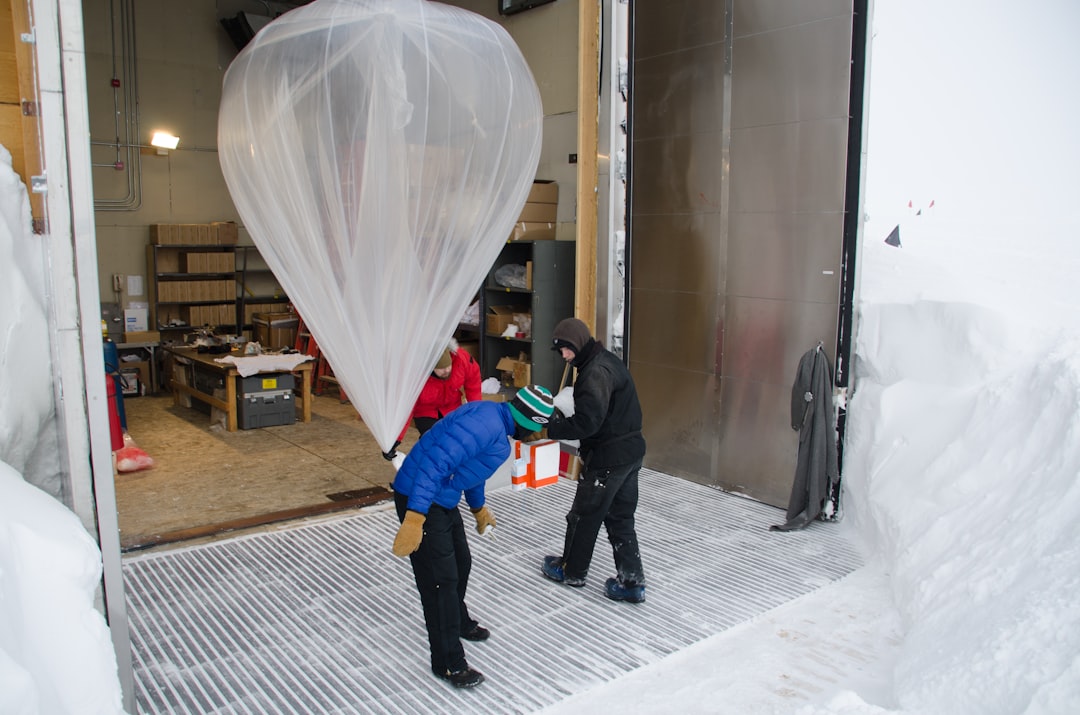
Helium plays a crucial role in several industries due to its unique physical and chemical properties. In the medical field, for instance, helium is used in MRI machines to cool superconducting magnets, ensuring optimal performance and accuracy in imaging. The aerospace industry also relies heavily on helium for various applications, including pressurizing fuel tanks and providing lift in weather balloons.
Additionally, helium is essential in the manufacturing of semiconductors and fiber optics, where it serves as an inert atmosphere during production processes. The versatility of helium makes it indispensable across multiple sectors, highlighting the need for effective recovery methods. Moreover, the importance of helium extends beyond its immediate applications.
As industries evolve and technology advances, the demand for helium is expected to grow exponentially. For example, the rise of quantum computing and advanced telecommunications is likely to increase the need for helium in cooling systems and other specialized applications. This growing reliance on helium underscores the necessity for sustainable practices in its extraction and recovery.
By prioritizing helium recovery, industries can not only secure their supply chains but also contribute to environmental conservation efforts by minimizing waste and reducing the carbon footprint associated with helium production.
The Growing Demand for Helium and the Need for Efficient Recovery Methods

The demand for helium has surged in recent years, driven by advancements in technology and an expanding array of applications. As new industries emerge and existing ones evolve, the need for reliable access to helium has become more pressing than ever. This increased demand has led to concerns about the long-term availability of helium resources, as natural reserves are finite and depleting at an alarming rate.
Consequently, there is an urgent need for efficient recovery methods that can capture and recycle helium from various sources. Efficient helium recovery methods are essential not only for meeting current demand but also for ensuring future sustainability. Traditional extraction methods often result in significant losses of helium during production processes, leading to wasted resources and increased costs.
As industries strive to minimize their environmental impact while maintaining productivity, innovative recovery techniques are becoming increasingly important. By investing in advanced recovery technologies, companies can enhance their operational efficiency while securing a vital resource that is critical to their success.
Traditional Helium Recovery Methods and Their Limitations
Historically, traditional helium recovery methods have relied on techniques such as cryogenic distillation and pressure swing adsorption (PSA). Cryogenic distillation involves cooling natural gas to extremely low temperatures to separate helium from other gases based on their boiling points. While this method can be effective, it is energy-intensive and often results in significant losses of helium during the process.
Similarly, PSA technology utilizes pressure changes to separate gases but can also lead to inefficiencies and waste. The limitations of these traditional methods have prompted a reevaluation of how helium is recovered. As industries face increasing pressure to reduce costs and improve sustainability, the inefficiencies associated with conventional techniques have become more apparent.
Furthermore, the complexity of these processes can lead to operational challenges and increased maintenance requirements. As a result, there is a growing demand for innovative solutions that can overcome these limitations and provide more effective means of recovering helium.
The Latest Technology in Helium Recovery: Overview and Benefits
| Metric | Description | Typical Value / Range | Unit |
|---|---|---|---|
| Recovery Efficiency | Percentage of helium recovered from waste gas streams | 85 – 98 | % |
| Purity of Reclaimed Helium | Concentration of helium after reclamation process | 99.9 – 99.999 | % |
| Processing Capacity | Volume of gas processed per hour | 500 – 5000 | Nm³/h (Normal cubic meters per hour) |
| Energy Consumption | Energy used per unit volume of helium recovered | 0.5 – 2.0 | kWh/Nm³ He |
| Operating Pressure | Pressure at which reclamation system operates | 5 – 20 | bar |
| Operating Temperature | Temperature range for optimal reclamation | 20 – 50 | °C |
| Typical Recovery Time | Time required to process a batch or continuous stream | 1 – 4 | hours |
| System Footprint | Physical space required for reclamation equipment | 10 – 50 | m² |
Recent advancements in technology have paved the way for more efficient helium recovery methods that address the shortcomings of traditional techniques. One such innovation is membrane separation technology, which utilizes selective permeable membranes to separate helium from other gases without the need for extreme temperatures or pressures. This method not only reduces energy consumption but also minimizes losses during the recovery process.
Another promising development is the use of advanced adsorption materials that enhance the efficiency of gas separation processes. These materials can selectively capture helium while allowing other gases to pass through, resulting in higher purity levels and reduced waste.
By adopting these innovative solutions, industries can ensure a more sustainable approach to helium recovery while maintaining their operational effectiveness.
Advancements in Helium Recovery Equipment and Processes

The evolution of helium recovery technology has led to significant advancements in equipment design and operational processes. Modern recovery systems are increasingly automated, incorporating sophisticated sensors and control systems that optimize performance and minimize human intervention. This automation not only enhances efficiency but also reduces the risk of errors associated with manual operations.
Additionally, advancements in modular equipment design have made it easier for companies to implement helium recovery systems tailored to their specific needs. These modular systems can be easily integrated into existing operations, allowing for seamless upgrades without major disruptions. As industries continue to seek ways to improve their helium recovery capabilities, these advancements in equipment and processes will play a crucial role in shaping the future of helium utilization.
The Role of Automation and Digitalization in Helium Recovery
Automation and digitalization are transforming the landscape of helium recovery by enabling real-time monitoring and data analysis. With the integration of Internet of Things (IoT) technology, companies can track performance metrics and identify inefficiencies in their recovery processes. This data-driven approach allows for proactive decision-making and continuous improvement, ultimately leading to enhanced operational efficiency.
Moreover, digitalization facilitates predictive maintenance strategies that can prevent equipment failures before they occur. By analyzing data trends and performance indicators, companies can schedule maintenance activities at optimal times, reducing downtime and associated costs. The role of automation and digitalization in helium recovery not only streamlines operations but also contributes to a more sustainable approach by minimizing waste and maximizing resource utilization.
Environmental and Economic Impacts of Improved Helium Recovery Technology
The implementation of advanced helium recovery technologies has far-reaching environmental and economic implications. From an environmental perspective, improved recovery methods significantly reduce the amount of helium wasted during production processes. This conservation effort helps mitigate the depletion of natural resources while minimizing the carbon footprint associated with traditional extraction methods.
Economically, enhanced helium recovery technologies can lead to substantial cost savings for industries reliant on this gas. By reducing waste and improving efficiency, companies can lower their operational expenses while ensuring a steady supply of helium for their applications. Furthermore, as demand for helium continues to rise, those who invest in advanced recovery technologies will be better positioned to capitalize on market opportunities while contributing to sustainable practices.
Case Studies of Successful Implementation of Advanced Helium Recovery Technology
Several companies have successfully implemented advanced helium recovery technologies, showcasing their effectiveness in real-world applications. For instance, a leading aerospace manufacturer adopted membrane separation technology to recover helium from its production processes. By integrating this innovative system into its operations, the company was able to reduce its helium waste by over 30%, resulting in significant cost savings and improved sustainability.
Another notable case involves a medical facility that implemented advanced adsorption materials for helium recovery in its MRI machines. This facility reported enhanced performance levels due to higher purity levels of recovered helium, leading to improved imaging quality and patient outcomes. These case studies illustrate not only the feasibility of advanced recovery technologies but also their potential to drive positive change across various industries.
Future Trends and Innovations in Helium Recovery
As the demand for helium continues to grow, future trends in recovery technology are likely to focus on further enhancing efficiency and sustainability. Innovations such as artificial intelligence (AI) could play a pivotal role in optimizing recovery processes by analyzing vast amounts of data to identify patterns and recommend improvements. Additionally, research into alternative sources of helium extraction may emerge as a viable solution to address supply concerns.
Furthermore, collaboration between industries and research institutions will be essential in driving innovation forward. By sharing knowledge and resources, stakeholders can develop cutting-edge technologies that push the boundaries of what is possible in helium recovery. The future landscape of helium recovery promises exciting advancements that will not only meet current demands but also pave the way for sustainable practices that benefit both industries and the environment.
The Potential of Revolutionizing Helium Recovery for a Sustainable Future
The potential for revolutionizing helium recovery is immense as industries recognize the importance of this precious resource. With growing demand coupled with finite natural reserves, efficient recovery methods are essential for ensuring a sustainable future. The advancements in technology—ranging from membrane separation systems to digitalization—offer promising solutions that address traditional limitations while enhancing operational efficiency.
As companies continue to invest in innovative recovery technologies, they will not only secure their supply chains but also contribute positively to environmental conservation efforts. The journey towards improved helium recovery is not just about meeting current needs; it is about fostering a sustainable approach that benefits future generations. By embracing these advancements, industries can play a pivotal role in shaping a more sustainable future where precious resources like helium are utilized responsibly and efficiently.
Helium reclamation recovery technology is becoming increasingly important as the demand for this valuable resource grows. For a deeper understanding of the implications and advancements in this field, you can read a related article on the topic at Real Lore and Order. This article explores the latest innovations and practices in helium recovery, highlighting the significance of sustainable resource management in today’s industrial landscape.
📌WATCH THIS! The Gas War: Why 3 Countries Control Your Hospital’s Future
FAQs
What is helium reclamation recovery technology?
Helium reclamation recovery technology refers to the processes and methods used to capture, purify, and recycle helium gas from various industrial applications to reduce waste and conserve this finite resource.
Why is helium reclamation important?
Helium is a non-renewable, scarce resource with critical uses in medical imaging, scientific research, and manufacturing. Reclaiming helium helps preserve supplies, reduce costs, and minimize environmental impact.
How does helium reclamation technology work?
The technology typically involves collecting helium-containing gas mixtures, removing impurities through filtration and cryogenic or pressure swing adsorption methods, and then compressing and storing the purified helium for reuse.
Where is helium reclamation technology commonly used?
It is commonly used in industries such as MRI facilities, semiconductor manufacturing, welding, aerospace, and research laboratories where helium is used and vented into the atmosphere.
What are the benefits of using helium reclamation recovery technology?
Benefits include cost savings by reducing the need to purchase new helium, conservation of natural helium reserves, decreased environmental emissions, and enhanced sustainability of industrial operations.
Is helium reclamation technology cost-effective?
While initial setup costs can be significant, helium reclamation systems often prove cost-effective over time by lowering helium purchase expenses and reducing supply risks.
Can reclaimed helium be used for all applications?
Reclaimed helium is typically purified to high standards and can be used in most applications; however, some ultra-high purity uses may require additional processing or fresh helium.
What challenges exist in helium reclamation recovery?
Challenges include the technical complexity of purification, the need for specialized equipment, potential contamination, and the variability of helium concentrations in waste gases.
How does helium reclamation impact the environment?
By capturing and recycling helium, reclamation technology reduces helium release into the atmosphere, conserves natural resources, and lowers the environmental footprint of helium-dependent industries.
Are there regulations governing helium reclamation?
Regulations vary by country and industry but often encourage or require the recovery of helium to promote resource conservation and environmental protection.