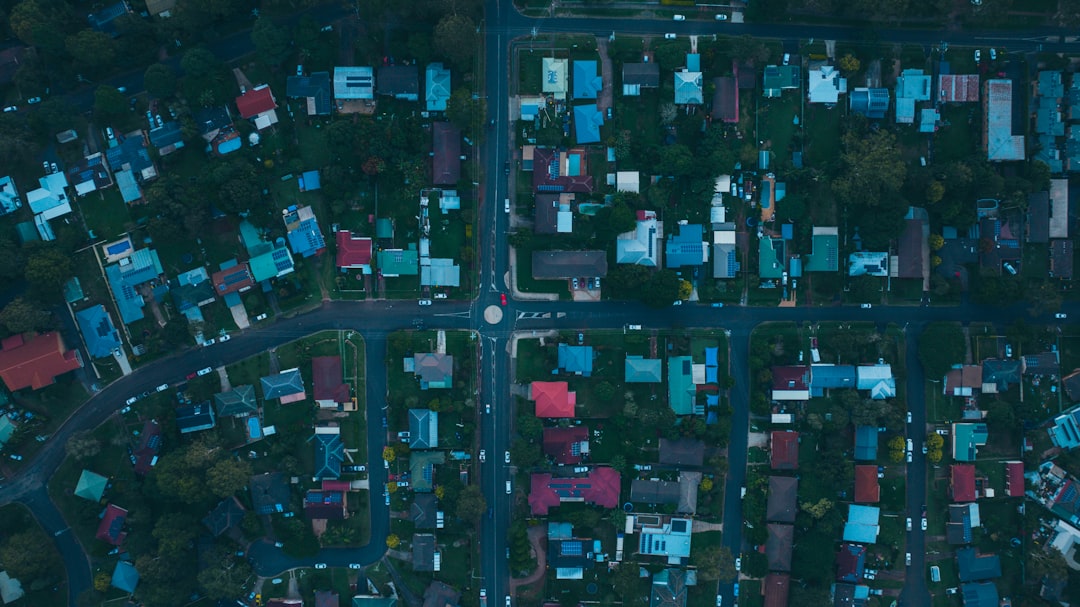
The housing market has experienced notable changes in recent years, particularly in urban areas, driven primarily by the emergence of the Build to Rent (BTR) model. BTR developments differ from traditional rental properties as they are specifically constructed for rental purposes, incorporating amenities and services designed to improve tenant experience. This model addresses increasing rental housing demand while reflecting evolving perspectives on homeownership and community living.
The BTR model extends beyond addressing housing supply shortages to accommodate changing lifestyle preferences. Many individuals and families now prioritize flexibility and convenience over long-term homeownership commitments. BTR developments respond to this trend by providing quality living spaces that promote community engagement while maintaining rental flexibility.
This analysis examines multiple aspects of BTR subdivisions, including benefits for tenants and developers, effects on real estate markets, and emerging industry trends.
Key Takeaways
- Build to Rent (BTR) subdivisions offer purpose-built rental communities designed to enhance tenant experience and community living.
- Tenants benefit from professionally managed properties, modern amenities, and flexible leasing options in BTR subdivisions.
- Developers gain steady income streams, reduced vacancy risks, and opportunities for long-term asset appreciation through BTR projects.
- Technology integration and sustainable design are key trends shaping the efficiency and appeal of BTR subdivisions.
- The rise of BTR subdivisions is transforming the real estate market by addressing housing demand and promoting community-focused living.
Understanding Build to Rent Subdivisions
To fully appreciate the Build to Rent model, it is essential to understand what constitutes a BTR subdivision. These developments are typically large-scale residential projects designed specifically for rental purposes, often featuring multiple units within a single complex. Unlike traditional rental properties, which may be converted single-family homes or older apartment buildings, BTR subdivisions are constructed with the tenant experience in mind from the ground up.
This means that every aspect, from layout to amenities, is tailored to meet the needs of renters. As you explore BTR subdivisions further, you will find that they often include a variety of unit types, catering to diverse demographics. Whether you are a young professional seeking a studio apartment or a family in need of a multi-bedroom unit, BTR developments aim to provide options that suit different lifestyles.
Additionally, these subdivisions frequently incorporate communal spaces such as lounges, gyms, and outdoor areas, fostering a sense of community among residents. This focus on community living is one of the defining features of BTR subdivisions, setting them apart from traditional rental options.
The Benefits of Build to Rent Subdivisions for Tenants
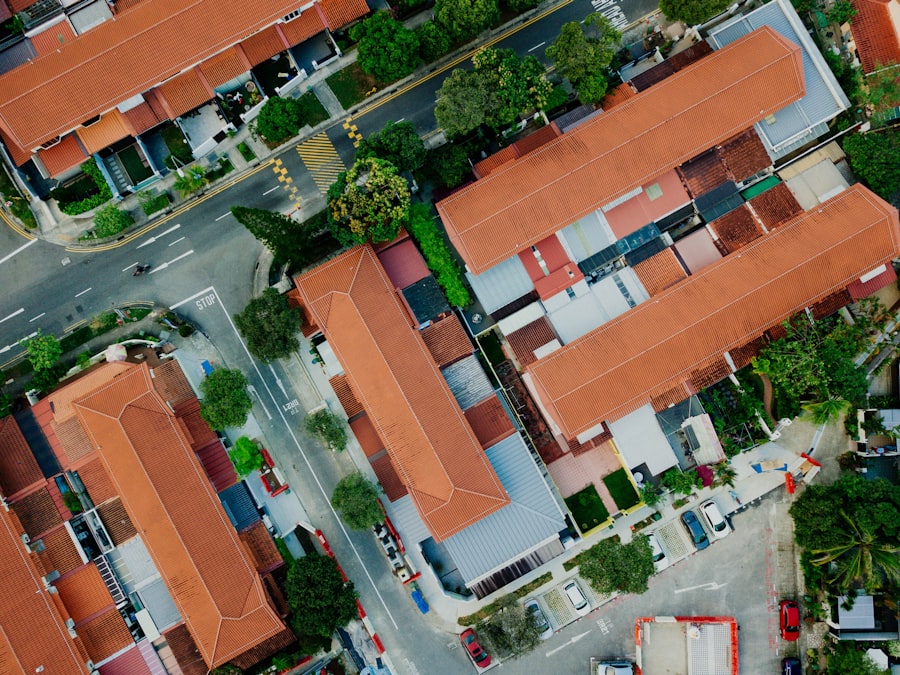
For you as a tenant, the advantages of living in a Build to Rent subdivision are numerous. One of the most significant benefits is the quality of the living environment. BTR developments are designed with modern amenities and high-quality finishes, ensuring that you enjoy a comfortable and stylish home.
From energy-efficient appliances to contemporary design elements, these properties often exceed the standards set by traditional rental units. Moreover, BTR subdivisions typically offer a range of amenities that enhance your living experience. You might find features such as fitness centers, co-working spaces, and rooftop gardens that encourage social interaction and promote a healthy lifestyle.
These communal areas not only provide opportunities for relaxation and recreation but also foster connections among residents, creating a vibrant community atmosphere. As a tenant in a BTR subdivision, you can enjoy these perks without the burdens of maintenance and management that often accompany homeownership.
The Benefits of Build to Rent Subdivisions for Developers
From a developer’s perspective, Build to Rent subdivisions present an attractive investment opportunity. The growing demand for rental housing, particularly in urban areas, means that developers can tap into a lucrative market by creating purpose-built rental properties. This model allows for more predictable cash flow compared to traditional sales-based developments, as rental income can provide a steady revenue stream over time.
Additionally, BTR subdivisions often benefit from economies of scale. By constructing multiple units within a single development, you can reduce construction costs and streamline operations. This efficiency not only enhances profitability but also allows for more competitive pricing in the rental market.
Furthermore, as developers increasingly recognize the importance of community-oriented living spaces, BTR subdivisions can attract tenants who prioritize lifestyle and amenities, further solidifying their appeal.
The Impact of Build to Rent Subdivisions on the Real Estate Market
| Metric | Description | Typical Range | Notes |
|---|---|---|---|
| Number of Units | Total residential units in the subdivision | 50 – 500+ | Varies based on project scale and location |
| Average Unit Size | Size of each rental unit in square feet | 800 – 1,500 sq ft | Includes 1-3 bedroom layouts |
| Occupancy Rate | Percentage of units rented at a given time | 90% – 98% | High occupancy is typical for build to rent |
| Monthly Rent per Unit | Average rent charged per unit | 1,200 – 3,000 | Depends on location and unit size |
| Lease Term | Typical lease duration offered | 12 – 24 months | Longer leases common to reduce turnover |
| Community Amenities | Facilities offered within the subdivision | Clubhouse, pool, gym, parks | Enhances tenant experience and retention |
| Turnover Rate | Annual percentage of tenants moving out | 20% – 30% | Lower than traditional rentals due to community focus |
| Construction Cost per Unit | Average cost to build each unit | 150,000 – 300,000 | Varies by region and materials used |
The rise of Build to Rent subdivisions is reshaping the real estate landscape in profound ways. As more developers embrace this model, you may notice an increase in the availability of high-quality rental options in urban centers. This influx of purpose-built rental properties can help alleviate housing shortages and provide tenants with more choices than ever before.
Moreover, BTR subdivisions are influencing rental prices across markets. With an emphasis on quality and amenities, these developments can set new standards for what tenants expect from rental properties. As you navigate the rental market, you may find that BTR offerings encourage traditional landlords to enhance their properties or adjust their pricing strategies to remain competitive.
This dynamic can ultimately lead to improved living conditions for renters across the board.
Designing Build to Rent Subdivisions for Community Living
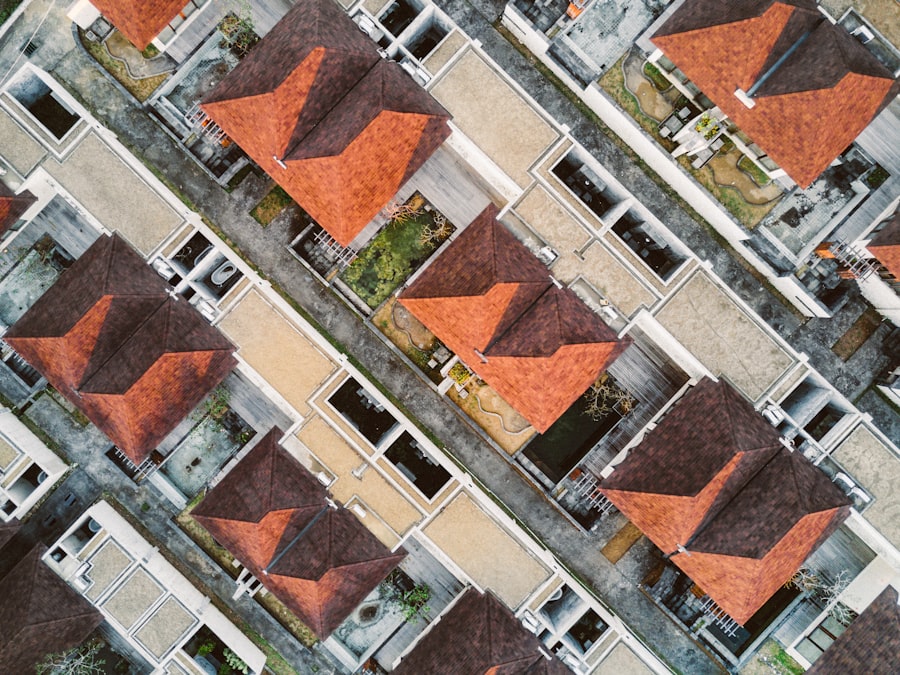
When it comes to designing Build to Rent subdivisions, creating spaces that foster community living is paramount. As you explore these developments, you will likely notice thoughtful layouts that prioritize shared spaces and encourage interaction among residents. From communal gardens to shared lounges and event spaces, these designs aim to cultivate a sense of belonging and connection.
In addition to physical spaces, successful BTR subdivisions often incorporate programming and events that bring residents together. You might find organized activities such as movie nights, fitness classes, or community potlucks that encourage socialization and engagement among tenants. By prioritizing community-building initiatives, developers can create environments where residents feel invested in their neighborhood and connected to one another.
Financing and Investment Opportunities in Build to Rent Subdivisions
As you consider the financial aspects of Build to Rent subdivisions, it becomes clear that this model presents unique investment opportunities. Institutional investors are increasingly recognizing the potential for stable returns in the rental market, leading to increased funding for BTR projects. This influx of capital allows developers to create high-quality living spaces while minimizing financial risk.
For individual investors or smaller developers looking to enter the BTR market, there are various financing options available. You might explore partnerships with larger firms or seek out government incentives aimed at promoting affordable housing initiatives. By leveraging these resources, you can position yourself strategically within the growing BTR sector and capitalize on its potential for long-term success.
The Role of Technology in Build to Rent Subdivisions
In today’s digital age, technology plays an integral role in shaping the Build to Rent experience. As you explore these subdivisions, you will likely encounter smart home features designed to enhance convenience and security for tenants.
Moreover, property management software is streamlining operations for developers and landlords alike. You may find that many BTR subdivisions utilize digital platforms for rent collection, maintenance requests, and communication with residents. This technological integration not only improves efficiency but also enhances tenant satisfaction by providing seamless access to services and information.
Sustainability and Build to Rent Subdivisions
Sustainability is becoming an increasingly important consideration in real estate development, and Build to Rent subdivisions are no exception. As you explore these properties, you may notice features designed to minimize environmental impact and promote eco-friendly living. From energy-efficient appliances to sustainable building materials, developers are prioritizing green practices in their designs.
Additionally, many BTR subdivisions incorporate communal green spaces that encourage outdoor activities and promote biodiversity within urban environments. These initiatives not only enhance the quality of life for residents but also contribute positively to local ecosystems. As sustainability becomes a key focus for both tenants and developers alike, you can expect BTR subdivisions to continue leading the way in environmentally conscious living.
Challenges and Considerations in Developing Build to Rent Subdivisions
While the Build to Rent model offers numerous advantages, it is not without its challenges. As you consider entering this market as a developer or investor, it is essential to be aware of potential obstacles. One significant challenge is navigating local regulations and zoning laws that may impact development timelines or project feasibility.
Additionally, competition within the BTR sector is intensifying as more developers recognize its potential. You may find yourself competing not only with other BTR projects but also with traditional rental properties that are adapting to meet tenant demands. To succeed in this evolving landscape, it will be crucial for you to differentiate your offerings through innovative design, superior amenities, or exceptional customer service.
The Future of Build to Rent Subdivisions in Real Estate
Looking ahead, the future of Build to Rent subdivisions appears promising as societal trends continue to favor flexible living arrangements. As more individuals prioritize experiences over ownership and seek out community-oriented environments, BTR developments are well-positioned to meet these demands. You can expect continued growth in this sector as developers respond with innovative designs and enhanced amenities tailored to modern lifestyles.
Moreover, as technology advances and sustainability becomes increasingly prioritized in real estate development, BTR subdivisions will likely evolve alongside these trends.
The Build to Rent revolution is not just a passing trend; it represents a fundamental shift in how we approach housing and community living in an ever-changing world.
In recent years, the concept of build-to-rent subdivisions has gained significant traction, offering a viable solution to the growing demand for rental housing. For a deeper understanding of this trend and its implications for the housing market, you can read more in this insightful article on the topic. Check it out here: Build to Rent Subdivisions.
FAQs
What is a build to rent subdivision?
A build to rent subdivision is a residential development specifically designed and constructed for the purpose of renting out homes rather than selling them. These communities typically feature single-family homes or townhouses managed by a single entity or company.
How do build to rent subdivisions differ from traditional housing developments?
Unlike traditional housing developments where homes are sold to individual owners, build to rent subdivisions are owned by a single landlord or management company that rents out the properties. This model focuses on long-term rental stability and professional property management.
What are the benefits of living in a build to rent subdivision?
Residents often benefit from professionally managed properties, consistent maintenance, community amenities, and a neighborhood designed with renters in mind. These subdivisions may also offer flexible lease terms and a sense of community similar to homeownership.
Who typically invests in build to rent subdivisions?
Investors in build to rent subdivisions often include real estate investment firms, institutional investors, and large property management companies seeking steady rental income and portfolio diversification.
Are build to rent subdivisions common in certain regions?
Build to rent subdivisions are increasingly popular in suburban and urban fringe areas across the United States and other countries where there is strong demand for rental housing and limited homeownership affordability.
What types of homes are found in build to rent subdivisions?
These subdivisions usually feature single-family detached homes, townhomes, or duplexes designed to appeal to renters looking for more space and privacy than typical apartment living.
How is maintenance handled in build to rent subdivisions?
Maintenance and repairs are typically managed by the property owner or a professional management company, ensuring timely upkeep and consistent property standards throughout the subdivision.
Can renters in build to rent subdivisions customize their homes?
Customization options vary by property management policies, but renters may have limited ability to make changes compared to homeowners. Some communities may allow minor modifications with approval.
What amenities are commonly offered in build to rent subdivisions?
Amenities can include community parks, playgrounds, walking trails, clubhouses, fitness centers, and other shared facilities designed to enhance the living experience for renters.
Is renting in a build to rent subdivision more expensive than traditional rentals?
Rental prices vary based on location, home size, and amenities. While some build to rent homes may command higher rents due to quality and community features, they often provide good value compared to comparable single-family rentals on the open market.