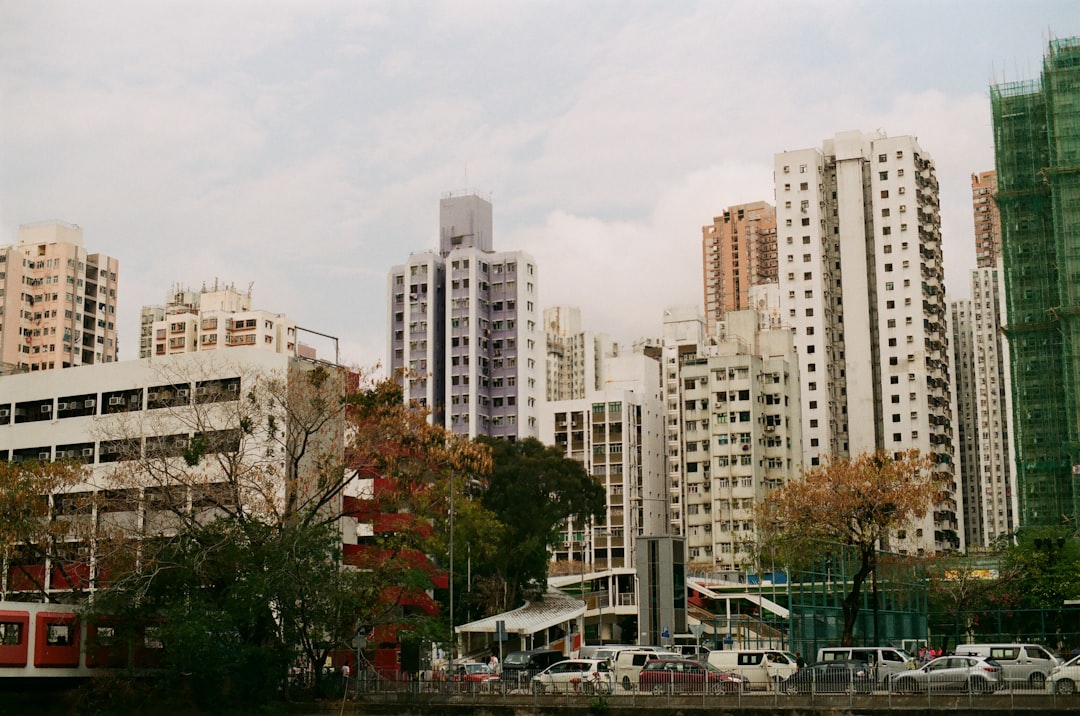
Global urbanization is accelerating, with the United Nations projecting that 68% of the world’s population will live in cities by 2050. This demographic shift has prompted urban planners, architects, and policymakers to develop comprehensive strategies for sustainable city development. Modern urban planning addresses multiple interconnected challenges including population growth, climate change mitigation, resource management, and socioeconomic disparities.
Contemporary urban development frameworks emphasize integrated approaches that combine environmental sustainability, technological innovation, and community participation. These strategies extend beyond traditional infrastructure expansion to encompass comprehensive redesign of urban systems and social interactions within metropolitan areas. Current urban planning principles prioritize resident well-being through evidence-based design methodologies.
Cities experiencing rapid population growth are implementing policies that emphasize community development, social inclusion, and equitable access to public services, healthcare, education, and economic opportunities. Research indicates that sustainable urban design practices, combined with technological solutions, can significantly improve living conditions and create economically viable urban centers that serve diverse populations effectively.
Key Takeaways
- Future urban living focuses on sustainability, smart technology, and inclusive communities.
- Integration of green spaces and urban agriculture enhances environmental and social well-being.
- Advanced transportation and mobility solutions aim to reduce congestion and emissions.
- Affordable housing and cultural integration are key to creating equitable urban environments.
- Cities must build resilience to climate change while fostering economic innovation and health.
Sustainable Design and Infrastructure
Sustainable design is at the heart of the future urban landscape, emphasizing the need for environmentally responsible practices in architecture and infrastructure development. This approach seeks to minimize the ecological footprint of urban areas by utilizing renewable resources, reducing waste, and promoting energy efficiency. Buildings designed with sustainability in mind often incorporate features such as green roofs, solar panels, and rainwater harvesting systems.
These elements not only contribute to lower energy consumption but also enhance the aesthetic appeal of urban environments. Moreover, sustainable infrastructure extends beyond individual buildings to encompass entire neighborhoods and city systems. Urban planners are increasingly focusing on creating interconnected networks of public transportation, pedestrian pathways, and cycling routes that reduce reliance on fossil fuels.
By prioritizing sustainable design principles, cities can create resilient infrastructures that adapt to changing environmental conditions while fostering a sense of community among residents. This shift towards sustainability is not just a trend; it represents a fundamental rethinking of how urban spaces can coexist harmoniously with nature.
Smart Technology and Urban Planning

The integration of smart technology into urban planning is revolutionizing how cities operate and interact with their inhabitants. Smart cities leverage data analytics, Internet of Things (IoT) devices, and artificial intelligence to optimize various aspects of urban life, from traffic management to waste disposal. By harnessing real-time data, city officials can make informed decisions that enhance efficiency and improve the overall quality of life for residents.
In addition to improving operational efficiency, smart technology fosters greater citizen engagement in urban governance. Mobile applications and online platforms enable residents to provide feedback on city services, report issues, and participate in decision-making processes.
This level of transparency and accessibility empowers communities to take an active role in shaping their environments. As cities continue to embrace smart technology, they are not only enhancing their functionality but also building stronger connections between residents and their local governments.
Transportation and Mobility
Transportation is a critical component of urban living, influencing how people navigate their cities and access essential services. The future of urban mobility is shifting towards more sustainable and efficient modes of transportation. Public transit systems are being reimagined to prioritize accessibility and convenience, with investments in electric buses, light rail systems, and bike-sharing programs.
These initiatives aim to reduce traffic congestion and lower greenhouse gas emissions while providing residents with reliable transportation options. Moreover, the rise of autonomous vehicles presents new opportunities for transforming urban mobility. Self-driving cars have the potential to reduce the number of vehicles on the road, thereby alleviating congestion and improving air quality.
However, this technological advancement also raises important questions about infrastructure adaptation and regulatory frameworks. Cities must carefully consider how to integrate autonomous vehicles into existing transportation networks while ensuring safety and equity for all users. The future of transportation in urban areas will likely involve a combination of traditional public transit systems and innovative technologies that prioritize sustainability and accessibility.
Green Spaces and Urban Agriculture
| Metric | Current Value | Projected Value (2040) | Notes |
|---|---|---|---|
| Urban Population Growth | 75% of total population | 85% of total population | Increased urbanization in Western cities |
| Green Space per Capita (sq meters) | 15 | 25 | Expansion of parks and green infrastructure |
| Public Transport Usage | 30% | 50% | Shift towards sustainable mobility |
| Smart City Technology Adoption | 40% | 90% | Integration of IoT and AI in urban management |
| Average Commute Time (minutes) | 35 | 25 | Improved infrastructure and remote work trends |
| Renewable Energy Usage in Cities | 20% | 70% | Transition to clean energy sources |
| Affordable Housing Availability | 60% | 75% | Policies to increase housing accessibility |
The importance of green spaces in urban environments cannot be overstated. Parks, gardens, and natural landscapes provide essential benefits for both residents and the ecosystem. They serve as vital areas for recreation, relaxation, and social interaction while also contributing to improved air quality and biodiversity.
As cities continue to grow, there is a pressing need to incorporate more green spaces into urban planning efforts. This can be achieved through initiatives such as converting vacant lots into community gardens or creating rooftop parks on commercial buildings. Urban agriculture is another innovative approach that enhances food security while promoting sustainability.
By encouraging residents to grow their own food within city limits, urban agriculture initiatives can reduce reliance on external food sources and foster a sense of community among participants. Community gardens not only provide fresh produce but also serve as gathering spaces where individuals can connect with one another. As cities embrace green spaces and urban agriculture, they are taking significant steps toward creating healthier and more resilient communities.
Affordable Housing and Inclusive Communities

The challenge of affordable housing remains one of the most pressing issues facing urban areas today. As housing prices continue to soar in many cities, there is an urgent need for innovative solutions that ensure all residents have access to safe and affordable living conditions. The future of urban living must prioritize inclusivity by developing housing policies that address the needs of diverse populations, including low-income families, seniors, and individuals with disabilities.
One approach to fostering inclusive communities is through mixed-income housing developments that integrate affordable units within market-rate projects. This strategy not only provides diverse housing options but also promotes social cohesion by encouraging interaction among residents from different socioeconomic backgrounds. Additionally, cities can explore alternative housing models such as co-housing or tiny home communities that offer affordable solutions while fostering a sense of community among residents.
By prioritizing affordable housing initiatives, cities can work towards creating equitable environments where all individuals have the opportunity to thrive.
Health and Wellness in Urban Environments
The health and wellness of urban residents are increasingly recognized as critical components of successful city living. Urban environments can significantly impact physical and mental health through factors such as air quality, access to green spaces, and opportunities for physical activity. As cities evolve, there is a growing emphasis on designing spaces that promote healthy lifestyles and well-being.
Incorporating health considerations into urban planning involves creating walkable neighborhoods with easy access to parks, recreational facilities, and healthy food options. Additionally, cities are beginning to prioritize mental health by designing spaces that encourage social interaction and community engagement. Initiatives such as wellness programs in public spaces or mental health awareness campaigns can help foster a culture of well-being within urban communities.
By prioritizing health in urban design, cities can create environments that support the physical and mental well-being of all residents.
Cultural and Social Integration
Cultural diversity is one of the defining features of urban living, enriching communities with a tapestry of traditions, languages, and experiences. The future of urban living must embrace this diversity by fostering cultural integration and social cohesion among residents. Cities can achieve this by promoting inclusive cultural events, supporting local artists, and creating spaces that celebrate different cultural expressions.
Public art installations, cultural festivals, and community centers can serve as platforms for cultural exchange and dialogue among residents from various backgrounds. By encouraging participation in cultural activities, cities can strengthen social bonds while promoting understanding and respect among diverse populations. Additionally, integrating cultural considerations into urban planning can help ensure that public spaces reflect the identities and values of all community members.
In doing so, cities can cultivate vibrant cultural landscapes that enhance the overall quality of life for their residents.
Economic Development and Innovation Hubs
Economic development is a crucial aspect of sustainable urban living, driving job creation and innovation within communities. The future of urban economies will likely be characterized by the emergence of innovation hubs that foster collaboration between businesses, entrepreneurs, and educational institutions. These hubs serve as incubators for new ideas and technologies while providing resources for startups to thrive.
Cities can support economic development by investing in infrastructure that facilitates connectivity between businesses and talent pools. This includes enhancing public transportation systems to ensure easy access to job opportunities as well as creating co-working spaces that encourage collaboration among entrepreneurs. Additionally, policies that promote workforce development programs can help equip residents with the skills needed for emerging industries.
Resilience and Adaptation to Climate Change
As climate change poses significant challenges to urban areas worldwide, resilience has become a key focus for future city planning. Cities must develop strategies to adapt to changing environmental conditions while mitigating the impacts of climate change on their populations. This involves investing in infrastructure improvements that enhance resilience against extreme weather events such as flooding or heatwaves.
One approach to building resilience is through nature-based solutions that incorporate green infrastructure into urban design. For example, creating permeable surfaces or restoring wetlands can help manage stormwater runoff while providing additional green spaces for residents. Furthermore, cities can implement emergency preparedness plans that ensure communities are equipped to respond effectively to climate-related disasters.
By prioritizing resilience in urban planning efforts, cities can safeguard their populations against the impacts of climate change while promoting sustainable practices.
Embracing the Future of Urban Living
The future of urban living holds immense potential for creating vibrant, sustainable communities that prioritize the well-being of their residents. By embracing innovative design principles, integrating smart technology, and fostering inclusivity, cities can transform into dynamic environments where individuals thrive both socially and economically. As urban areas continue to evolve in response to global challenges such as climate change and population growth, it is essential for stakeholders at all levels—government officials, community members, architects—to collaborate in shaping this future.
Ultimately, embracing the future of urban living requires a commitment to sustainability, equity, health, culture, economic development, resilience—and above all—a shared vision for what cities can become. By working together towards this vision, communities can create urban environments that not only meet the needs of today’s residents but also lay the groundwork for generations to come.
As we look towards the future of western cities, it’s essential to consider the evolving dynamics of urban living and planning. A related article that delves into these themes can be found at Real Lore and Order, where discussions on sustainable development and innovative urban solutions are explored. This resource provides valuable insights into how cities can adapt to the challenges of the 21st century, making it a must-read for anyone interested in urban development.
WATCH THIS! 🚨 Chicago’s Fiscal Cliff: Why America’s First City Is About to Fall
FAQs
What are the main challenges facing the future of Western cities?
The main challenges include population growth, climate change, infrastructure aging, housing affordability, and the need for sustainable development.
How is technology expected to influence the future of Western cities?
Technology will play a significant role through smart city initiatives, improved public transportation, enhanced data analytics for urban planning, and increased connectivity via the Internet of Things (IoT).
What role does sustainability play in the future development of Western cities?
Sustainability is central, with cities focusing on reducing carbon emissions, increasing green spaces, promoting renewable energy, and encouraging eco-friendly transportation options.
How will population trends impact Western cities in the future?
Many Western cities are experiencing population growth and demographic shifts, leading to increased demand for housing, services, and infrastructure, as well as challenges related to diversity and social inclusion.
What changes are expected in urban transportation in Western cities?
There will likely be a shift towards electric vehicles, expanded public transit networks, increased cycling and pedestrian infrastructure, and the integration of autonomous vehicles.
How are Western cities addressing housing affordability?
Cities are implementing policies such as zoning reforms, affordable housing mandates, and incentives for developers to increase the supply of affordable homes.
What impact will climate change have on Western cities?
Climate change may lead to increased risks of flooding, heatwaves, and other extreme weather events, prompting cities to invest in resilient infrastructure and adaptive urban planning.
Will Western cities become more or less dense in the future?
Many Western cities are expected to become denser to accommodate growing populations while preserving green spaces, through strategies like vertical development and mixed-use zoning.
How important is public participation in shaping the future of Western cities?
Public participation is crucial for ensuring that urban development meets the needs of diverse communities and fosters inclusive, equitable growth.
What role do Western cities play in the global economy?
Western cities often serve as economic hubs, centers of innovation, and cultural capitals, influencing global markets and trends.