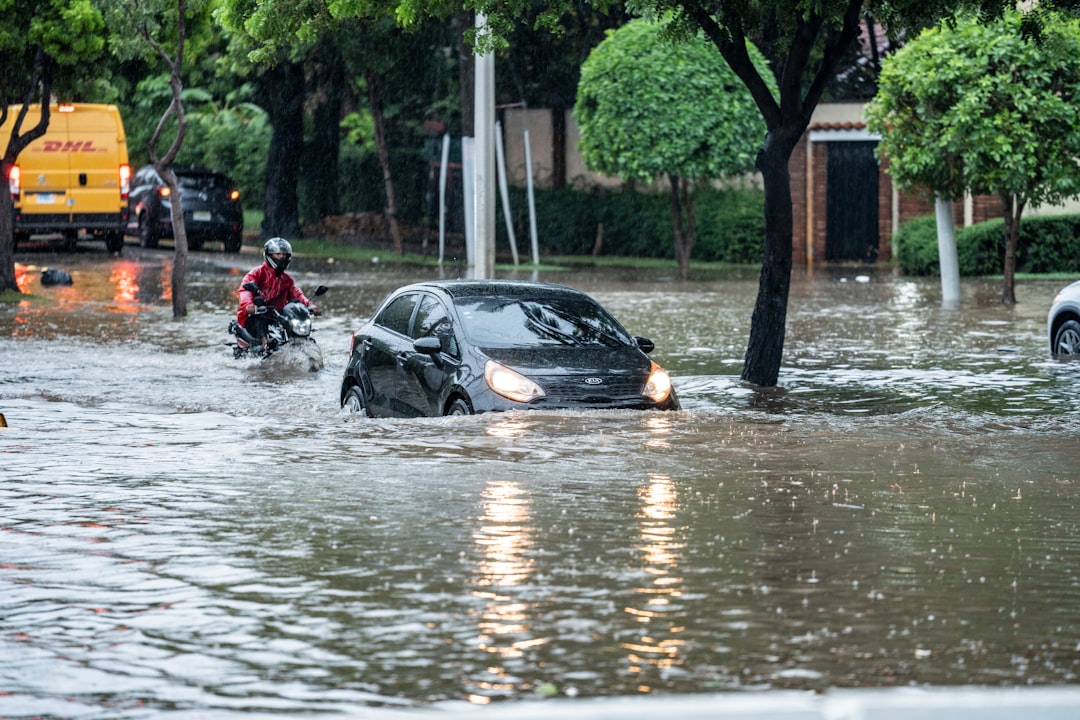
As you delve into the world of insurance, particularly in the context of climate change, it becomes essential to grasp the concept of climate change insurance premiums. These premiums are the amounts you pay to secure coverage against risks associated with climate-related events, such as floods, hurricanes, and wildfires. The increasing frequency and severity of these events have led to a significant shift in how insurance companies assess risk and determine premiums.
Understanding this dynamic is crucial for homeowners and property owners alike, as it directly impacts your financial planning and risk management strategies. The relationship between climate change and insurance premiums is complex. As climate-related disasters become more common, insurers are compelled to adjust their pricing models to reflect the heightened risk.
This adjustment often results in higher premiums for policyholders, which can strain your budget and influence your decisions regarding property ownership and investment. By familiarizing yourself with the underlying factors that contribute to these rising costs, you can better navigate the insurance landscape and make informed choices about your coverage options.
Key Takeaways
- Climate change is driving up insurance premiums due to increased risks and damages.
- Homeowners face higher costs and challenges in securing affordable coverage.
- Insurance companies are adapting policies and promoting risk management strategies.
- Government regulations and public education play key roles in mitigating premium hikes.
- Collaboration among stakeholders is essential for sustainable climate change insurance solutions.
Factors Contributing to Rising Premiums
Several factors contribute to the rising insurance premiums associated with climate change. One of the most significant is the increasing frequency of extreme weather events. As you may have noticed, storms are becoming more intense, droughts are lasting longer, and wildfires are spreading more rapidly.
These changes not only pose immediate threats to life and property but also create long-term challenges for insurers who must account for potential losses in their pricing models. Another critical factor is the growing body of scientific evidence linking climate change to these extreme weather patterns. As research continues to unveil the connections between human activity and environmental shifts, insurers are becoming more aware of the risks they face.
This awareness leads to a more cautious approach in underwriting policies, often resulting in higher premiums for you as a policyholder. Additionally, the economic implications of climate change—such as increased repair costs and property devaluation—further exacerbate the situation, compelling insurers to raise premiums to maintain their financial stability.
Impact on Homeowners and Property Owners
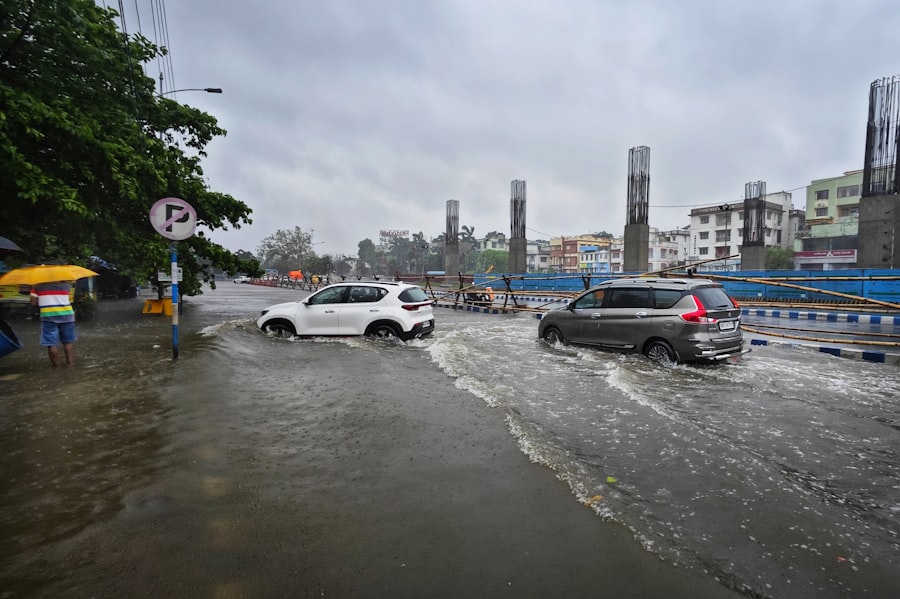
The rising insurance premiums due to climate change have profound implications for homeowners and property owners. For many individuals, the cost of insurance is a significant part of their overall housing expenses. As premiums increase, you may find yourself facing difficult choices about how to allocate your budget.
Higher insurance costs can lead to financial strain, forcing you to reconsider your coverage options or even your decision to own property in high-risk areas. Moreover, the impact extends beyond just financial considerations. The emotional toll of living in a high-risk area can be substantial.
You may experience anxiety about potential disasters and their consequences on your home and family. This stress can affect your quality of life and influence your long-term plans, such as whether to invest in home improvements or consider relocating to a safer environment. Understanding these impacts is vital as you navigate the complexities of homeownership in an era marked by climate uncertainty.
The Role of Insurance Companies in Addressing Climate Change
| Metric | Description | Example Data | Impact on Climate Change |
|---|---|---|---|
| Climate Risk Assessment Integration | Percentage of insurance companies incorporating climate risk into underwriting | 75% | Improves risk pricing and encourages sustainable practices |
| Green Insurance Products | Number of insurance products designed to promote environmental sustainability | 120 products globally | Supports renewable energy and low-carbon technologies |
| Investment in Sustainable Assets | Portion of insurance company investment portfolios allocated to green bonds and sustainable projects | 30% | Redirects capital towards climate-friendly initiatives |
| Claims Related to Climate Events | Annual claims paid due to climate-related disasters (e.g., floods, wildfires) | Increased by 40% over last decade | Highlights growing financial risks from climate change |
| Premium Discounts for Sustainable Practices | Percentage of policies offering discounts for climate-friendly behavior | 20% | Incentivizes customers to reduce carbon footprint |
| Carbon Footprint Reduction Initiatives | Number of insurance companies with active programs to reduce operational emissions | 85% | Demonstrates industry commitment to sustainability |
Insurance companies play a pivotal role in addressing the challenges posed by climate change. As key players in risk management, they have a responsibility not only to protect their policyholders but also to contribute to broader efforts aimed at mitigating climate risks. Many insurers are beginning to recognize that proactive measures can benefit both their bottom line and the communities they serve.
One way insurance companies are addressing climate change is by investing in data analytics and modeling technologies. By leveraging advanced tools, they can better assess risks associated with climate events and develop more accurate pricing models. This approach allows them to offer tailored coverage options that reflect individual risk profiles, ultimately benefiting you as a policyholder.
Additionally, some insurers are actively engaging in sustainability initiatives, such as promoting energy-efficient home improvements or supporting renewable energy projects, which can help reduce overall climate risks.
Strategies for Mitigating Rising Premiums
As a homeowner or property owner facing rising insurance premiums due to climate change, there are several strategies you can employ to mitigate these costs. One effective approach is to invest in home improvements that enhance your property’s resilience against climate-related events. For instance, reinforcing your roof or installing storm shutters can reduce the likelihood of damage during severe weather, potentially leading to lower premiums.
Another strategy involves shopping around for insurance providers that offer competitive rates or specialized coverage for climate-related risks. By comparing quotes from different insurers, you may find options that better align with your budget and needs. Additionally, consider bundling your insurance policies—such as home and auto coverage—to take advantage of discounts that many companies offer for multiple policies.
Government Policies and Regulations
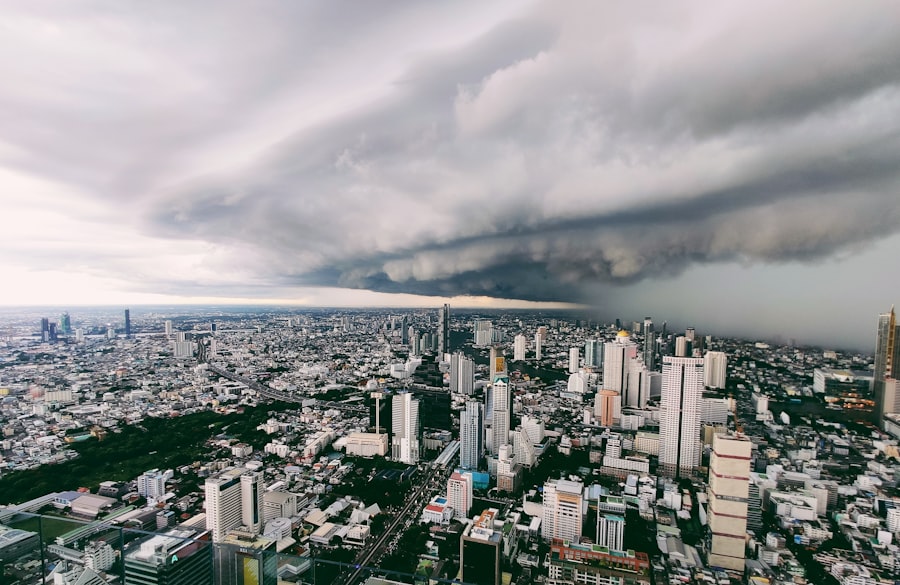
Government policies and regulations play a crucial role in shaping the landscape of climate change insurance premiums. As you navigate this complex environment, it’s essential to stay informed about local and national initiatives aimed at addressing climate risks. Many governments are implementing policies designed to promote resilience in communities vulnerable to climate change, which can indirectly influence insurance costs.
For example, some regions are investing in infrastructure improvements—such as flood defenses or wildfire mitigation efforts—that can reduce the overall risk of damage from climate-related events. These investments not only protect communities but also help stabilize insurance markets by lowering the likelihood of catastrophic losses. By understanding these policies and advocating for continued investment in climate resilience, you can contribute to a more sustainable future while potentially benefiting from lower insurance premiums.
The Importance of Risk Assessment and Management
Effective risk assessment and management are vital components of navigating the challenges posed by climate change insurance premiums. As a property owner, it’s essential to conduct a thorough evaluation of your specific risks based on your location and property type. This assessment will help you understand the potential threats you face and inform your decisions regarding coverage options.
In addition to personal assessments, consider engaging with professionals who specialize in risk management. These experts can provide valuable insights into best practices for protecting your property from climate-related risks. By taking proactive steps to manage your risk exposure, you not only safeguard your investment but also position yourself favorably when it comes time to renew your insurance policy.
Alternative Insurance Options for Climate Change
As traditional insurance models grapple with the realities of climate change, alternative insurance options are emerging that may better suit your needs as a homeowner or property owner. One such option is parametric insurance, which provides payouts based on predefined triggers—such as rainfall levels or wind speeds—rather than traditional loss assessments. This model can offer quicker financial relief following a disaster, allowing you to recover more swiftly.
Another alternative is community-based insurance programs that pool resources among residents in high-risk areas. These programs often emphasize collective action and resilience-building efforts while providing coverage tailored to local needs. By exploring these innovative options, you may find solutions that align more closely with your values and financial goals while addressing the unique challenges posed by climate change.
The Need for Public Awareness and Education
Public awareness and education are critical components in addressing the challenges associated with rising climate change insurance premiums. As a homeowner or property owner, understanding the implications of climate change on your insurance costs is essential for making informed decisions about coverage and risk management strategies. Increased awareness can empower you to take proactive steps toward protecting your property while advocating for necessary changes within your community.
Educational initiatives can also foster collaboration among stakeholders—such as insurers, government agencies, and community organizations—to develop comprehensive solutions that address both immediate needs and long-term sustainability goals. By participating in local workshops or engaging with online resources, you can enhance your understanding of climate risks and contribute to broader efforts aimed at building resilience within your community.
Collaborative Efforts to Address Climate Change Insurance
Collaboration among various stakeholders is vital for effectively addressing the challenges posed by climate change insurance premiums. As an individual homeowner or property owner, you can play an active role in fostering partnerships within your community. Engaging with local government officials, non-profit organizations, and fellow residents can lead to innovative solutions that benefit everyone involved.
For instance, community-driven initiatives focused on disaster preparedness or resilience-building can create a collective approach to mitigating risks associated with climate change. By working together, you can advocate for policies that promote sustainable practices while also exploring opportunities for shared resources—such as community-based insurance programs—that may help lower costs for all participants.
The Future of Climate Change Insurance Premiums
Looking ahead, the future of climate change insurance premiums remains uncertain but ripe with potential for innovation and adaptation. As awareness of climate risks continues to grow, both insurers and policyholders will need to adapt their strategies accordingly. You may witness an increasing emphasis on sustainability within the insurance industry as companies seek ways to align their practices with broader environmental goals.
Moreover, advancements in technology—such as artificial intelligence and big data analytics—will likely play a significant role in shaping how insurers assess risk and determine premiums moving forward. By staying informed about these trends and actively participating in discussions surrounding climate change insurance, you can position yourself advantageously within this evolving landscape while contributing to a more resilient future for all homeowners and property owners alike.
WATCH THIS! The American Dream Was a Lie: The Quiet Economic Collapse You Can’t See