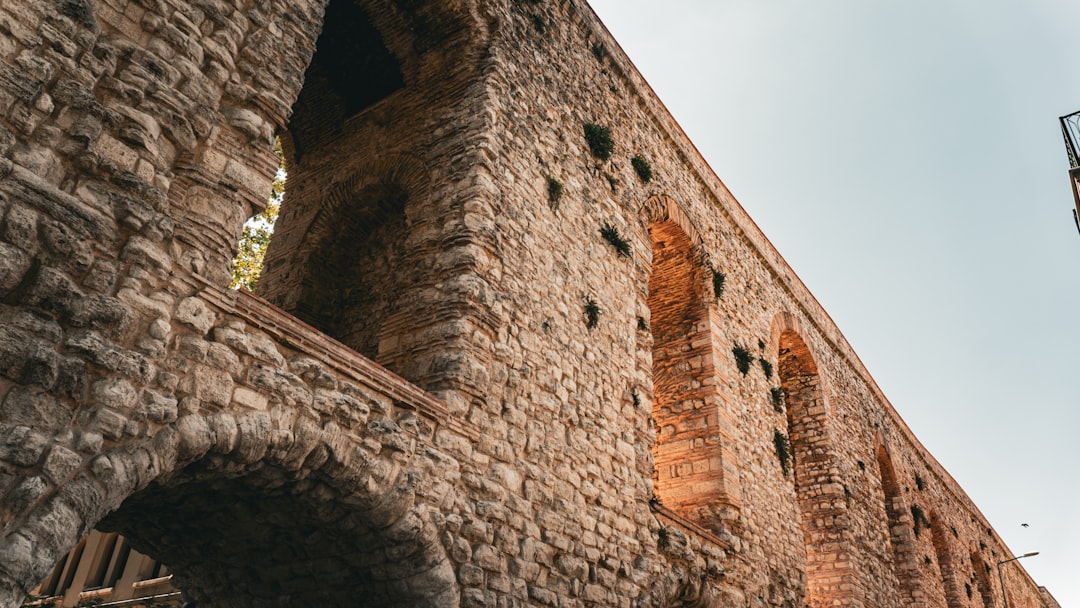
The Mediterranean Sea, a vast and ancient cradle of civilization, has for millennia served as both a vital artery of trade and a formidable barrier to movement. For the Roman Empire, that sprawling entity that once dominated the region, the sea presented an ongoing challenge. While their formidable navy allowed for dominion over its surface, the creation of a truly connected empire, where armies could march and goods could flow unhindered, often necessitated bridging its watery expanse. This is the story of Roman engineering and its ambitious endeavor to create a “Mediterranean Causeway,” a metaphorical and sometimes literal network of infrastructure that sought to tame the sea and bind together their vast dominion.
The Roman Empire was not built solely on conquest, but on an intricate web of logistics and governance. Maintaining control over such an expansive territory, stretching from the sands of Africa to the misty shores of Britain, demanded efficient communication and swift troop deployment. The Mediterranean, at the heart of this empire, was a double-edged sword. It was the highway that connected Rome to its provinces, facilitating the flow of grain from Egypt, wine from Greece, and raw materials from Hispania. However, it was also a capricious mistress, prone to storms and capable of isolating regions for extended periods.
The Economic Engine of the Sea
The economic prosperity of the Roman world was inextricably linked to maritime trade. Ports bustled with activity, ships laden with amphorae and other commodities plied the waves, and coastal cities grew rich on the exchange of goods. Yet, the efficiency of this trade was significantly impacted by the limitations of port infrastructure and the reliability of sea lanes.
Military Necessity: Projecting Power Across Water
The military might of Rome was often tested by its need to project power across water. Expeditions to conquer new territories or to quell rebellions in distant provinces required the transport of legions, supplies, and siege equipment, all of which were vulnerable to the whims of the sea. The ability to move troops rapidly and reliably was a strategic imperative, and the Mediterranean’s vastness represented a significant hurdle.
Administrative Challenges: Governing Distant Shores
Beyond economics and military might, the administration of a vast empire relied on the ability of the central government to communicate with and govern its far-flung provinces. Official dispatches, legal decrees, and tribute payments all traversed the Mediterranean. Any disruption to these lines of communication could lead to unrest, delayed responses to crises, and a weakening of central authority.
Ancient Roman engineering is renowned for its remarkable structures and infrastructure, including the impressive Mediterranean causeways that facilitated trade and military movement across the region. A related article that delves into the broader implications of historical engineering on modern economies can be found at this link: Top 5 Worst Assets Before Dollar Crash. This article explores how understanding past engineering feats can provide insights into contemporary economic challenges and asset management.
Bridging the Bounding Main: Roman Coastal Engineering
While the Romans are renowned for their roads that stitched the land together, their ingenuity in manipulating coastlines and harbors was equally crucial in their quest to overcome the Mediterranean’s barriers. They understood that a well-developed coastline was as vital as any paved highway.
The Art of the Harbor: From Natural Coves to Man-Made Marvels
The Romans were not content with simply utilizing existing natural harbors. They actively shaped and expanded them, transforming humble coves into sophisticated ports capable of accommodating large fleets and bustling trade. This involved extensive dredging, the construction of breakwaters and moles, and the development of warehousing and loading facilities.
Alexandria: A Mediterranean Metropolis Transformed
The port of Alexandria in Egypt stands as a testament to Roman ambition. Building upon the Ptolemaic foundations, the Romans further enhanced its capabilities, creating a harbor that was the envy of the ancient world. Its strategic location, allowing for direct access to the fertile Nile delta and onward to the Red Sea, made it a cornerstone of the empire’s trade network. The engineering challenges included managing the silting of the harbor entrance and creating sheltered docks for an immense volume of shipping.
Ostia Antica: Rome’s Gateway to the Sea
The port of Ostia, situated at the mouth of the Tiber River, served as Rome’s primary maritime gateway. Originally a modest settlement, it was transformed into a sprawling complex of docks, warehouses, and residential areas. The construction of the Portus Traiani, a massive artificial harbor, significantly improved Rome’s ability to receive supplies, particularly grain, directly by sea, bypassing the often-congested river route. This was a feat of hydraulic engineering, involving the excavation of vast basins and the construction of substantial quay walls.
Breakwaters and Moles: Taming the Waves
The construction of breakwaters and moles was a cornerstone of Roman harbor engineering. These structures, often built from massive stone blocks and sometimes incorporating concrete, were designed to deflect the force of incoming waves, creating calmer waters within the harbor.
The Engineering of Durability
The longevity of these structures is a testament to Roman engineering principles. They were designed to withstand the relentless pounding of the Mediterranean and the abrasive effects of sand and sediment. Innovations in Roman concrete, its ability to set underwater and its resistance to saltwater, were critical to their success.
The Submerged Landscape: Foundations Beneath the Waves
Building permanent structures in the sea presented unique challenges. Roman engineers developed sophisticated techniques for constructing foundations on the seabed. This often involved driving piles, creating coffered caissons that were sunk and then filled with concrete, or carefully placing and interlocking massive stones.
The Foundations of Future Ports
These submerged foundations, often invisible to the casual observer, were the bedrock upon which the Roman maritime infrastructure was built. They allowed for the creation of stable quays and the expansion of harbors into areas that would otherwise have been too deep or unstable.
The Inland Seas: Islands as Strategic Hubs
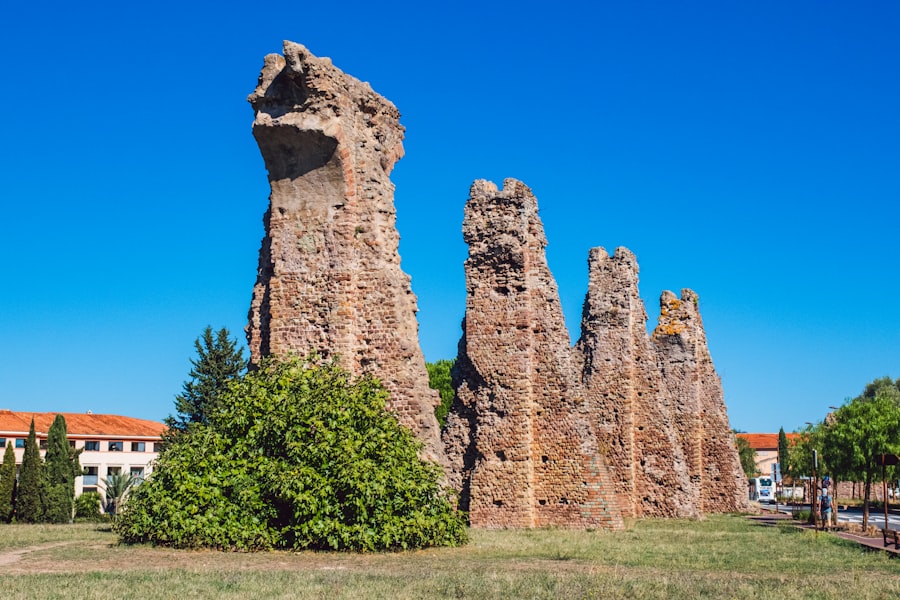
While the open sea presented navigational challenges, Roman engineering also focused on integrating islands into their network, transforming them into vital outposts and logistical hubs. They understood that islands, like stepping stones, could facilitate passage and project influence.
Cyprus: A Vital Eastern Outpost
Cyprus, due to its strategic location in the eastern Mediterranean, became a crucial Roman possession. Its well-developed harbors and the resources it provided, particularly copper, made it an integral part of the empire’s economic and military infrastructure. Roman engineers likely enhanced existing harbors and facilitated the construction of new sea lanes.
Crete: Bridging East and West
Crete, with its well-protected bays, served as another important island anchor in the Roman maritime network. Its role in facilitating trade and troop movements between the Aegean and the eastern Mediterranean was significant. The Romans would have ensured the maintenance and improvement of its ports to support these functions.
The Role of Island Fortifications
Beyond ports, Roman engineering extended to the fortification of key islands. These garrisons provided naval bases, protected vital trade routes, and served as staging grounds for military operations.
The Impenetrable Republic? Roman Amphibious Operations
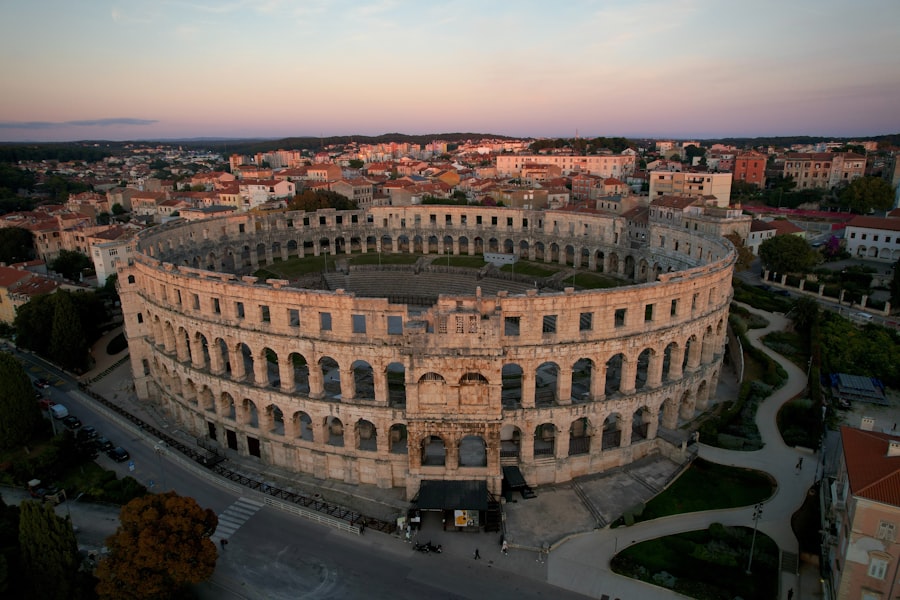
The ability to conduct successful amphibious operations was a testament to Roman military adaptability and engineering prowess. While not constructing literal causeways across the entire Mediterranean, they mastered the art of landing troops and supplies on hostile shores, effectively creating temporary bridges between land and sea.
The Shadow of the Fleet
The effectiveness of Roman amphibious operations was intrinsically linked to the strength and sophistication of their navy. The Roman fleet, a formidable force in its own right, was instrumental in providing escort, projecting power, and facilitating the movement of legions.
Specialized Landing Craft: The Unsung Heroes
While definitive blueprints for Roman landing craft are scarce, textual and archaeological evidence suggests the existence of specialized vessels designed for troop and equipment transport. These would have been adapted for shallow waters and for rapid deployment.
Establishing Beachheads: Engineering Under Fire
The establishment of a beachhead was a complex undertaking, involving the coordination of naval bombardment, the deployment of troops, and the rapid establishment of a defensible perimeter. Roman engineers would have played a crucial role in organizing the logistics of such operations, from the dispersal of troops along the shoreline to the swift establishment of temporary supply lines.
The Siege of Syracuse: A Case Study
The Roman siege of Syracuse in Sicily, a lengthy and complex operation, involved significant naval power and the subsequent landing of troops and siege equipment. This demonstrated Rome’s ability to project force onto an island and overcome formidable defenses.
Ancient Roman engineering is renowned for its remarkable infrastructure, including the impressive Mediterranean causeways that facilitated trade and military movement across the region. These causeways exemplify the Romans’ advanced understanding of construction techniques and their ability to adapt to various terrains. For a contemporary perspective on infrastructure development, you might find it interesting to explore how modern engineering projects, such as those discussed in this article on private sector investment in lunar infrastructure, reflect similar principles of innovation and resilience. To read more about this fascinating topic, visit this article.
The Legacy of the Mediterranean Causeway
| Metric | Value | Description |
|---|---|---|
| Length | 1.2 km | Approximate length of the causeway connecting the mainland to the island |
| Construction Period | 1st century BCE | Estimated time when the causeway was built |
| Materials Used | Stone, concrete, timber | Main construction materials typical of Roman engineering |
| Foundation Depth | 3-5 meters | Depth of the underwater foundation to ensure stability |
| Width | 6 meters | Width of the causeway allowing for pedestrian and cart traffic |
| Engineering Techniques | Hydraulic concrete, pozzolana mortar | Innovative Roman methods used to build durable underwater structures |
| Purpose | Military and trade route | Primary function of the causeway in connecting strategic locations |
| Current Condition | Partially preserved | Extent of the causeway remaining visible or intact today |
The Roman endeavor to create a “Mediterranean Causeway” was not a singular, monumental undertaking like building a bridge across the entire sea. Instead, it was a continuous process of strategic investment in infrastructure, a relentless pursuit of connectivity that shaped the very geography of the Roman world.
The Roman Blueprint for Maritime Power
The engineering principles and techniques developed by the Romans for their coastal works, harbor construction, and ship design laid the groundwork for future maritime endeavors. Their innovations in concrete, their understanding of hydrodynamics, and their systematic approach to infrastructure development were enduring legacies.
Echoes in Modern Infrastructure
One can still see echoes of Roman engineering in modern port facilities and coastal defenses. The fundamental principles of creating sheltered harbors, of building stable breakwaters, and of managing the interface between land and sea remain relevant. The Romans understood that control of the sea was not merely about warships, but about the supporting infrastructure that enabled seamless movement and robust exchange.
A Continual Quest for Connection
The Roman ambition to overcome the Mediterranean’s barriers reflects a timeless human drive for connection and expansion. Their “Mediterranean Causeway” was a testament to their capacity for grand vision and their mastery of practical application, a lasting reminder of how engineering can transform seemingly insurmountable obstacles into pathways for civilization.
FAQs
What was the purpose of the ancient Roman engineering Mediterranean causeway?
The ancient Roman Mediterranean causeway was constructed to facilitate transportation and trade across bodies of water, connecting different parts of the Roman Empire and improving military and economic mobility.
How did the Romans build causeways in the Mediterranean region?
Romans used advanced engineering techniques including the use of concrete, stone blocks, and wooden pilings to create stable, durable causeways. They often built foundations underwater and used layers of materials to ensure strength and longevity.
What materials were commonly used in Roman causeway construction?
Common materials included pozzolana concrete, large stone blocks, timber, and sometimes bricks. The use of volcanic ash in concrete allowed the structures to set underwater and resist erosion.
Are any ancient Roman causeways in the Mediterranean still visible today?
Yes, some remnants of Roman causeways and related infrastructure remain visible in parts of the Mediterranean, such as in Italy, Tunisia, and other former Roman territories, showcasing their engineering prowess.
How did Roman causeways impact trade and military operations in the Mediterranean?
Roman causeways significantly improved the speed and efficiency of moving troops, goods, and information across the empire, enhancing trade networks and military logistics throughout the Mediterranean region.