
The allure of the Roman era has captivated historians, archaeologists, and the general public alike for centuries. Among the most intriguing aspects of this ancient civilization are the shipwrecks that lie submerged beneath the waves, remnants of a time when Rome’s maritime prowess was at its zenith. These shipwrecks serve as time capsules, preserving not only the vessels themselves but also the cargoes they carried, the trade routes they navigated, and the stories of the people who sailed them.
The discovery of these underwater relics has opened a window into the complexities of Roman maritime life, revealing insights that would otherwise remain buried in the annals of history. As researchers delve into the depths of the oceans and seas that once cradled Roman ships, they uncover a wealth of information that enriches our understanding of this ancient civilization. From the Mediterranean to the Black Sea, these shipwrecks tell tales of commerce, exploration, and cultural exchange.
Each discovery adds a new layer to the narrative of Rome’s maritime activities, highlighting the significance of naval power in establishing and maintaining an empire that spanned three continents. The ongoing exploration of these underwater sites continues to shed light on the technological advancements and societal structures that defined Roman seafaring.
Key Takeaways
- Shipwreck discoveries provide valuable insights into Roman maritime trade, naval architecture, and seafaring culture.
- Archaeological techniques such as remote sensing, underwater excavation, and conservation efforts are crucial in recovering and preserving Roman era shipwrecks.
- Key discoveries like the Antikythera wreck and the Grado shipwreck have shed light on ancient trade routes, technology, and historical events.
- Roman shipwrecks offer valuable information on naval architecture, construction methods, and technological advancements of the time.
- Shipwreck discoveries continue to captivate the public and have a significant impact on modern maritime studies, despite the challenges and future prospects in exploration.
The Significance of Shipwreck Discoveries in Understanding Roman Maritime Trade
Shipwreck discoveries are pivotal in piecing together the intricate puzzle of Roman maritime trade. The vast network of trade routes that connected Rome to distant lands relied heavily on maritime transport, making ships essential for the exchange of goods, ideas, and cultures. By examining the cargoes found within these wrecks, archaeologists can identify trade patterns and economic relationships that existed between Rome and its provinces.
For instance, amphorae—large ceramic vessels used for transporting liquids—often provide clues about the types of goods traded, such as wine from Italy or olive oil from Spain. Moreover, these discoveries illuminate the scale and sophistication of Roman trade practices. The sheer volume of goods transported by sea underscores the importance of maritime commerce in sustaining the empire’s economy.
Shipwrecks reveal not only what was traded but also how these goods were packaged and stored for long journeys. This knowledge helps historians understand the logistical challenges faced by Roman merchants and the innovations they developed to overcome them. In essence, each shipwreck serves as a microcosm of the broader economic landscape of the Roman Empire.
Unveiling the Archaeological Techniques Used in Recovering Roman Era Shipwrecks
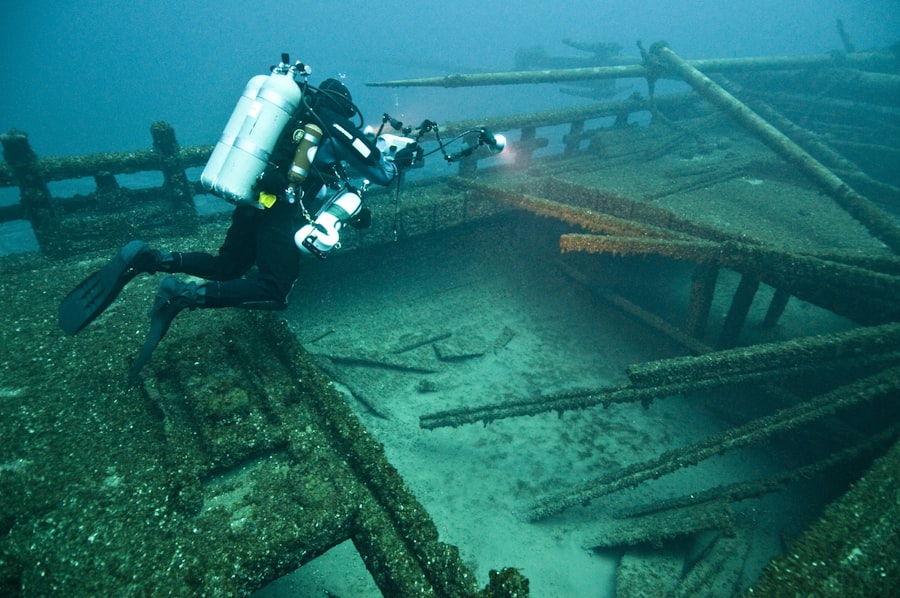
The recovery of Roman era shipwrecks is a complex process that employs a variety of archaeological techniques tailored to underwater environments. Marine archaeology has evolved significantly over the years, incorporating advanced technologies such as remote sensing, sonar mapping, and submersible vehicles. These tools allow archaeologists to locate shipwreck sites with precision and assess their condition before excavation begins.
For instance, sonar imaging can reveal the outlines of submerged vessels and their cargo, providing valuable information about their size and structure. Once a site is identified, divers play a crucial role in the excavation process. They meticulously document artifacts and features while ensuring minimal disturbance to the surrounding environment.
Techniques such as photogrammetry are often employed to create detailed 3D models of wreck sites, allowing researchers to analyze them without physically disturbing the remains. Additionally, conservation methods are implemented on-site to protect fragile artifacts from degradation due to exposure to air or changes in temperature. This combination of technology and careful excavation practices ensures that valuable historical information is preserved for future study.
Key Shipwreck Discoveries and Their Historical Importance
| Shipwreck | Location | Year Discovered | Historical Importance |
|---|---|---|---|
| SS Central America | Off the coast of South Carolina, USA | 1988 | Carried a large amount of gold, contributing to the Panic of 1857 |
| HMS Titanic | North Atlantic Ocean | 1985 | One of the most famous shipwrecks, led to improved maritime safety regulations |
| USS Monitor | Off the coast of North Carolina, USA | 1973 | Revolutionized naval warfare with its innovative design |
Several key shipwreck discoveries have significantly contributed to our understanding of Roman maritime history. One notable example is the “Mahdia Shipwreck,” discovered off the coast of Tunisia in 1907. This well-preserved vessel dates back to the 1st century AD and contained a remarkable cargo of amphorae filled with wine, showcasing the importance of viticulture in Roman trade.
The Mahdia Shipwreck has provided invaluable insights into ancient shipping practices and trade networks across the Mediterranean. Another significant find is the “Dionysus Shipwreck,” located near the island of Antikythera in Greece. This wreck dates back to around 60 BC and is believed to have been part of a larger trading fleet.
The artifacts recovered from this site include exquisite bronze statues and luxury goods, indicating that it was transporting high-value cargo. The Dionysus Shipwreck not only highlights the wealth generated by maritime trade but also underscores the cultural exchanges that occurred as goods moved across regions.
Insights into Roman Naval Architecture and Technology from Shipwreck Finds
The study of shipwrecks has provided profound insights into Roman naval architecture and technology. The design and construction of Roman ships were influenced by various factors, including trade requirements, naval warfare, and regional variations in shipbuilding techniques. By analyzing shipwreck remains, researchers can discern details about hull construction, sail design, and propulsion methods used by ancient mariners.
For instance, many Roman ships were built using a technique known as “shell-first” construction, where the outer hull was assembled before adding internal supports. This method allowed for greater flexibility in design and improved seaworthiness. Additionally, findings from shipwrecks have revealed advancements in rigging systems that enhanced sailing efficiency.
The Role of Shipwreck Discoveries in Illuminating Roman Seafaring Culture
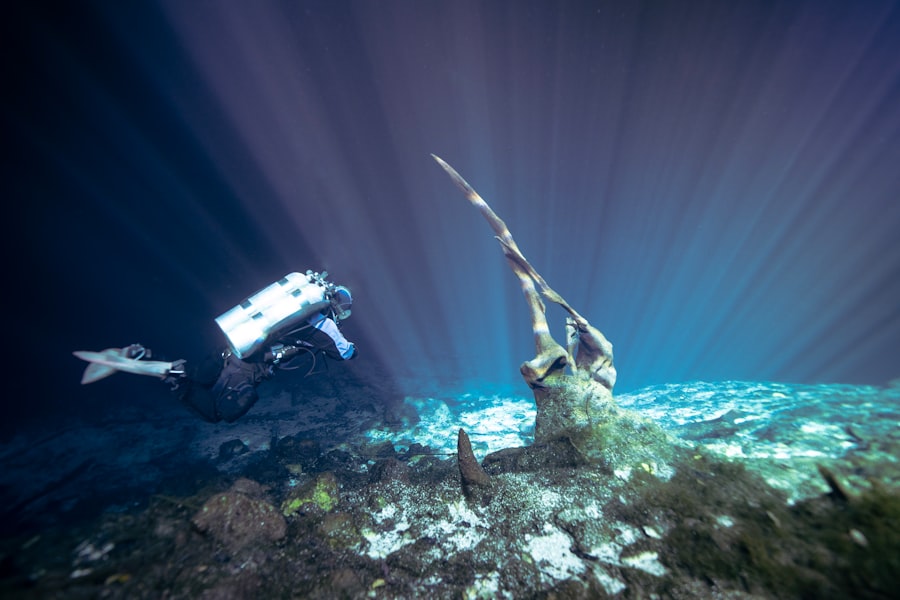
Shipwreck discoveries play a crucial role in illuminating various aspects of Roman seafaring culture beyond mere trade and technology. They provide glimpses into the daily lives of sailors, their navigation practices, and even their beliefs. Artifacts recovered from shipwrecks often include personal items such as tools, pottery, and even religious objects, offering insights into the social dynamics aboard these vessels.
Moreover, shipwrecks can reveal information about navigation techniques employed by Roman sailors. The presence of navigational instruments or markings on artifacts can indicate how mariners charted their courses across vast bodies of water. Understanding these practices sheds light on the skills required for successful voyages and highlights the importance of seafaring in shaping Roman identity.
Ultimately, these discoveries contribute to a more nuanced understanding of how maritime culture influenced broader societal norms within the empire.
Preservation and Conservation Efforts for Roman Era Shipwrecks
The preservation and conservation of Roman era shipwrecks are paramount for ensuring that these invaluable historical resources endure for future generations. Underwater environments pose unique challenges for conservationists due to factors such as saltwater corrosion, marine growth, and changing environmental conditions. As such, specialized techniques are employed to protect artifacts during excavation and after recovery.
One common method involves using controlled environments to stabilize artifacts before they are brought to land. For example, wooden remains may be treated with polyethylene glycol (PEG) to prevent shrinkage and cracking as they dry out. Additionally, ongoing monitoring and maintenance are essential for artifacts displayed in museums or research facilities to ensure their longevity.
Collaborative efforts between archaeologists, conservators, and marine scientists are crucial in developing best practices for preserving these underwater treasures.
The Impact of Shipwreck Discoveries on Modern Maritime Studies
The discoveries of Roman era shipwrecks have had a profound impact on modern maritime studies by providing a wealth of data that informs contemporary understanding of ancient seafaring practices. Scholars draw parallels between ancient maritime activities and modern shipping methods, exploring how historical practices have shaped current maritime logistics and trade networks. The lessons learned from studying shipwrecks can inform contemporary discussions about sustainability in shipping practices and environmental stewardship.
Furthermore, these discoveries have sparked interdisciplinary research initiatives that bridge archaeology with fields such as anthropology, history, and environmental science. By examining shipwrecks through various lenses, researchers can develop comprehensive narratives about human interaction with marine environments over time. This holistic approach not only enriches academic discourse but also fosters public interest in maritime heritage.
Challenges and Future Prospects in Roman Era Shipwreck Exploration
Despite significant advancements in marine archaeology, challenges remain in exploring Roman era shipwrecks effectively. Issues such as funding constraints, environmental degradation, and political instability in certain regions can hinder excavation efforts.
Looking ahead, there is potential for innovative technologies to enhance exploration efforts further. Advances in robotics and artificial intelligence could revolutionize how archaeologists survey underwater sites and analyze data collected during excavations. Moreover, increased collaboration between international research teams may facilitate knowledge sharing and resource pooling, ultimately leading to more comprehensive studies of Roman maritime history.
The Public Fascination with Roman Era Shipwreck Discoveries
The public’s fascination with Roman era shipwreck discoveries is evident in popular media portrayals, museum exhibitions, and academic discussions alike. These underwater finds evoke a sense of adventure and mystery that resonates with audiences worldwide. Documentaries showcasing underwater explorations often highlight not only the historical significance of these wrecks but also the thrill of uncovering lost treasures from antiquity.
Museums frequently curate exhibitions featuring artifacts recovered from shipwrecks, allowing visitors to engage with history in tangible ways. Such displays foster appreciation for maritime heritage while educating the public about ancient trade practices and naval technology. As interest in archaeology continues to grow, it is likely that future discoveries will further captivate imaginations and inspire new generations to explore the depths of history.
The Ongoing Relevance of Roman Era Shipwreck Discoveries
In conclusion, Roman era shipwreck discoveries remain profoundly relevant today as they offer invaluable insights into an ancient civilization that shaped much of Western history. These underwater relics serve as reminders of humanity’s enduring relationship with the sea—one marked by exploration, trade, and cultural exchange. As researchers continue to uncover new findings through innovative techniques and collaborative efforts, our understanding of Rome’s maritime legacy will undoubtedly deepen.
The ongoing exploration of these shipwrecks not only enriches historical narratives but also informs contemporary discussions about maritime practices and environmental stewardship. As public interest grows around these discoveries, there is an opportunity to foster greater appreciation for our shared maritime heritage while ensuring that future generations can continue to learn from these remarkable remnants of history.
Recent discoveries of Roman-era shipwrecks have shed light on ancient maritime trade routes and naval technology. One particularly fascinating find was detailed in an article that explores the implications of these underwater treasures on our understanding of Roman commerce. For more insights into this topic, you can read the full article here: Roman Era Shipwreck Discoveries.
WATCH THIS! Why 99% of History Is Wrong (The Ooparts That Prove It)
FAQs
What are Roman era shipwreck discoveries?
Roman era shipwreck discoveries refer to the finding of sunken ships and their associated artifacts from the time of the ancient Roman Empire. These discoveries provide valuable insights into ancient maritime trade, navigation, and daily life.
Where are Roman era shipwreck discoveries typically found?
Roman era shipwreck discoveries are often found in the Mediterranean Sea, as the Romans were prolific seafarers and traders in this region. However, they can also be found in other bodies of water where Roman ships may have traveled, such as the Black Sea and the Atlantic Ocean.
What do Roman era shipwreck discoveries reveal about ancient maritime trade?
Roman era shipwreck discoveries reveal the extent of ancient maritime trade networks, the types of goods being transported, and the trading relationships between different regions. They also provide information about the technology and construction of ancient ships.
What types of artifacts are typically found in Roman era shipwreck discoveries?
Artifacts found in Roman era shipwreck discoveries can include pottery, coins, jewelry, weapons, tools, and everyday items used by the crew and passengers. These artifacts offer valuable insights into ancient Roman daily life, trade, and culture.
How do archaeologists study and preserve Roman era shipwreck discoveries?
Archaeologists study Roman era shipwreck discoveries through careful excavation, documentation, and analysis of the artifacts and ship remains. Preservation techniques such as careful handling, conservation treatments, and storage in controlled environments are used to protect the artifacts for future study and display.