Sacsayhuaman, an ancient Incan fortress located on the outskirts of Cusco, Peru, stands as a testament to the architectural prowess and ingenuity of the Inca civilization. This monumental site, characterized by its massive stone walls and strategic positioning, has captivated historians, archaeologists, and tourists alike. Built during the reign of the Inca emperor Pachacuti in the 15th century, Sacsayhuaman served not only as a military stronghold but also as a ceremonial center, reflecting the cultural and spiritual values of the Inca people.
The site’s impressive construction techniques and its alignment with astronomical events further underscore its significance in the context of Incan society. The grandeur of Sacsayhuaman is not merely in its size but also in its intricate design and engineering. The fortress is composed of large, precisely cut stones that fit together without the use of mortar, showcasing a level of craftsmanship that has intrigued experts for centuries.
As one of the most iconic examples of Incan architecture, Sacsayhuaman provides valuable insights into the technological advancements of the time, particularly in relation to its ability to withstand seismic activity—a critical consideration given the region’s geological instability. The fortress remains a focal point for understanding the intersection of culture, engineering, and environmental adaptation in ancient Peru.
Key Takeaways
- Sacsayhuaman showcases advanced Incan seismic engineering through its unique architectural features.
- Large, interlocking stones and mortar-free construction enhance the site’s earthquake resilience.
- Trapezoidal doorways and niches are strategic design elements that improve structural stability during seismic events.
- Terraces and effective water drainage systems contribute to the overall seismic resistance of the complex.
- Modern engineering benefits from the preservation and study of Sacsayhuaman’s innovative earthquake-resistant techniques.
The significance of Sacsayhuaman in Incan architecture
Sacsayhuaman holds a prominent place in the study of Incan architecture due to its innovative construction methods and its role within the broader context of Incan urban planning. The site exemplifies the Inca’s ability to harmonize their structures with the natural landscape, utilizing local materials and adapting to the topography of the Andes Mountains. The fortress’s walls, which are composed of stones weighing several tons, demonstrate not only the physical strength of the structure but also the advanced techniques employed by Incan builders.
These techniques included precise stone cutting and fitting, which allowed for a remarkable degree of stability and durability. Moreover, Sacsayhuaman serves as a symbol of Incan identity and power. Its construction was not merely a practical endeavor; it was also a statement of authority and cultural pride.
The fortress was strategically located to oversee Cusco, the capital of the Inca Empire, reinforcing the connection between the site and the political heart of the civilization. The architectural features of Sacsayhuaman, including its expansive plazas and ceremonial spaces, reflect the social and religious practices of the Incas, making it an essential site for understanding their worldview and societal organization. Discover the secrets behind the pyramid mystery ancient egypt in this fascinating video.
The challenges of seismic activity in the region
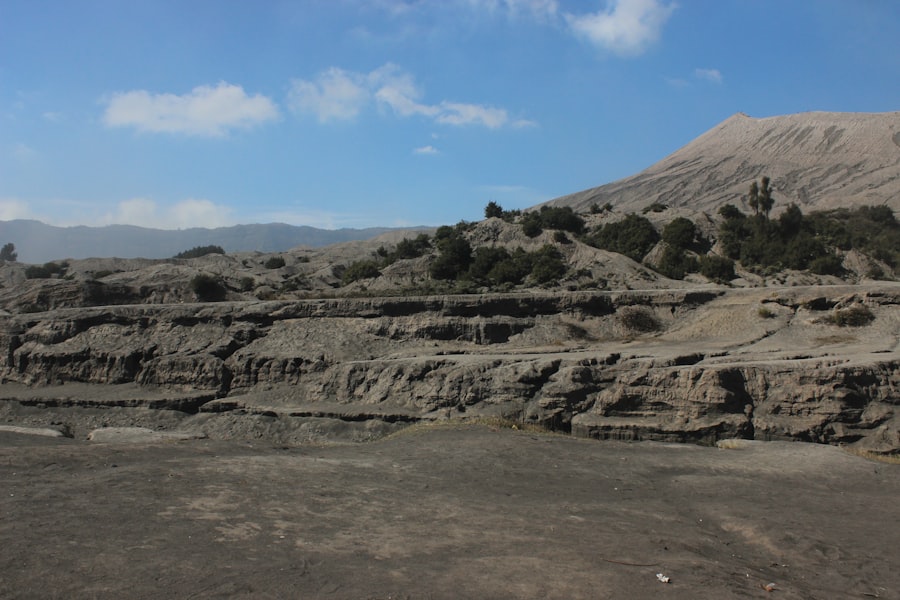
The region surrounding Sacsayhuaman is characterized by significant seismic activity due to its location along the Pacific Ring of Fire. This geological setting poses considerable challenges for any structure built in the area, as earthquakes can cause severe damage or even total collapse. The Incas were acutely aware of these risks, as they inhabited a landscape marked by tectonic movements.
Consequently, their architectural strategies were heavily influenced by the need to create resilient structures capable of withstanding such natural disasters. The challenges posed by seismic activity were not merely theoretical; historical records indicate that Cusco and its surroundings have experienced numerous earthquakes throughout history. These events have shaped not only the physical landscape but also the cultural practices and architectural decisions of the Inca civilization.
Understanding how Sacsayhuaman was designed to endure these challenges provides valuable insights into the ingenuity and foresight of its builders. Their ability to create a lasting monument in such a volatile environment speaks volumes about their understanding of engineering principles and their commitment to creating structures that would stand the test of time.
Innovations in seismic engineering at Sacsayhuaman
The innovations in seismic engineering at Sacsayhuaman are a remarkable aspect of its architectural legacy. The Incas employed various techniques that allowed their structures to absorb and dissipate seismic energy effectively. One such innovation was the use of large interlocking stones that created a flexible yet stable framework for the walls.
This design minimized the risk of collapse during an earthquake by allowing for slight movements without compromising structural integrity. Additionally, the layout of Sacsayhuaman itself contributed to its resilience against seismic forces. The fortress was built on a series of terraces that not only provided stability but also facilitated effective water drainage—an essential consideration in an area prone to heavy rainfall and potential landslides.
By integrating these elements into their design, the Incas demonstrated an advanced understanding of both engineering principles and environmental factors, ensuring that Sacsayhuaman would endure through centuries of geological upheaval.
The use of large, interlocking stones in construction
| Metric | Value | Description |
|---|---|---|
| Construction Era | 15th Century | Period when Sacsayhuamán was built by the Inca civilization |
| Stone Blocks | ~200 | Number of large stones used in the main walls |
| Largest Stone Weight | ~200 tons | Estimated weight of the largest stone block |
| Seismic Resistance | High | Ability of the walls to withstand earthquakes without mortar |
| Stone Fitting Precision | ±1 mm | Tolerance in the fitting of stones, contributing to seismic stability |
| Wall Inclination | 15° | Inclination angle of walls to improve earthquake resistance |
| Earthquake Magnitude Survived | ~7.5 Mw | Estimated magnitude of earthquakes the structure has withstood |
| Construction Technique | Dry Stone Masonry | Method used without mortar, allowing stones to move and settle during quakes |
One of the most striking features of Sacsayhuaman is its use of large interlocking stones, which are meticulously cut to fit together without any mortar. This technique not only showcases the skill of Incan stonemasons but also serves a critical function in enhancing the structure’s resilience against earthquakes. The interlocking design allows for movement during seismic events while maintaining overall stability, effectively distributing stress across the walls.
The precision with which these stones were crafted is a testament to the advanced technology available to the Incas at the time. Each stone was shaped to fit snugly against its neighbors, creating a cohesive unit that could withstand significant forces. This method contrasts sharply with modern construction techniques that often rely on mortar or other binding agents, which can weaken under stress.
By prioritizing interlocking stones, Sacsayhuaman exemplifies an architectural philosophy that emphasizes durability and adaptability in response to environmental challenges.
The importance of mortar-free construction in seismic resilience
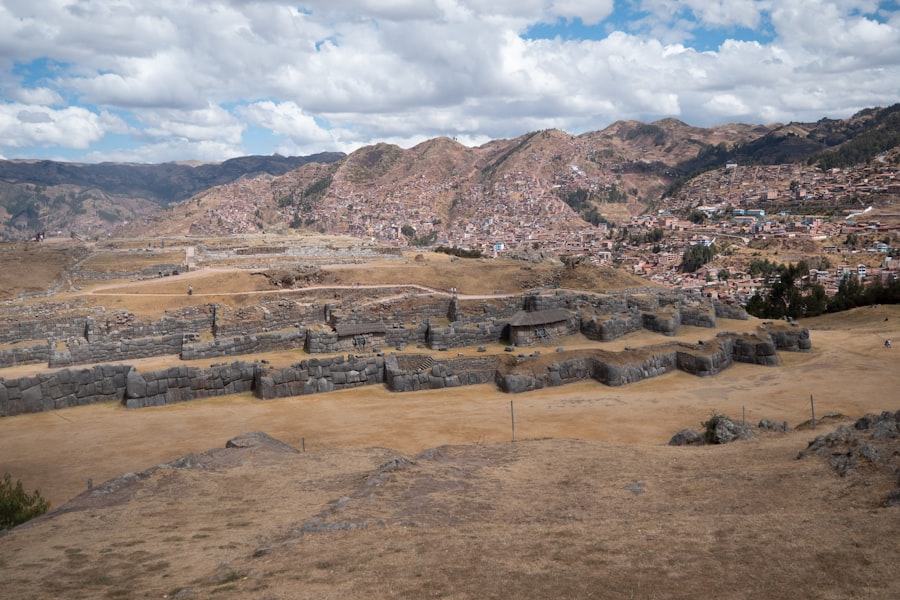
Mortar-free construction is a hallmark of Incan architecture, particularly evident at Sacsayhuaman. This approach not only reflects aesthetic preferences but also serves practical purposes in terms of seismic resilience. Without mortar, individual stones can shift slightly during an earthquake without causing catastrophic failure.
This flexibility is crucial in a region where seismic activity is common, allowing structures to absorb shocks rather than succumb to them. Furthermore, mortar-free construction reduces maintenance needs over time. Mortar can deteriorate due to weathering or seismic stress, leading to structural vulnerabilities.
In contrast, the interlocking stones at Sacsayhuaman have proven remarkably durable over centuries, demonstrating that this ancient technique has stood up well against both natural elements and human intervention. The success of this method has inspired modern engineers to reconsider traditional building practices when designing earthquake-resistant structures.
The incorporation of trapezoidal doorways and niches for earthquake resistance
Another innovative feature found at Sacsayhuaman is the incorporation of trapezoidal doorways and niches into its design.
The trapezoidal shape allows for better distribution of stress during seismic events, reducing the likelihood of structural failure at critical points such as doorways.
In addition to their structural benefits, these doorways and niches also reflect the aesthetic sensibilities of Incan architecture. They create visual interest while simultaneously contributing to the overall stability of the structure. This dual purpose exemplifies how form and function were seamlessly integrated in Incan design philosophy, showcasing their advanced understanding of both engineering principles and artistic expression.
The role of terraces and water drainage in seismic engineering
The terraces surrounding Sacsayhuaman play a crucial role in its overall stability and resilience against seismic activity. These terraces not only provide a solid foundation for the fortress but also facilitate effective water drainage—a critical consideration in an area prone to heavy rainfall and potential landslides. By incorporating terraces into their design, the Incas ensured that excess water would be channeled away from the structure, reducing erosion and minimizing risks associated with flooding.
Moreover, these terraces contribute to soil stability by preventing landslides that could compromise the integrity of Sacsayhuaman’s walls. The careful planning and execution involved in creating these terraces demonstrate an advanced understanding of environmental factors that could impact structural integrity. This foresight reflects a holistic approach to architecture that considers both immediate needs and long-term sustainability.
The impact of Sacsayhuaman’s seismic innovations on modern engineering
The seismic innovations observed at Sacsayhuaman have had a lasting impact on modern engineering practices, particularly in regions prone to earthquakes. Contemporary architects and engineers have drawn inspiration from Incan techniques when designing buildings that must withstand seismic forces. The principles behind interlocking stone construction and mortar-free designs are being revisited as modern technology seeks sustainable solutions for earthquake-resistant structures.
Furthermore, Sacsayhuaman serves as a case study for integrating traditional knowledge with contemporary engineering practices. As researchers continue to explore ancient techniques, they uncover valuable lessons that can inform current approaches to building design and urban planning in seismically active areas. The enduring legacy of Sacsayhuaman highlights how ancient wisdom can inform modern challenges, bridging past innovations with future advancements.
Preservation efforts and ongoing research at Sacsayhuaman
Preservation efforts at Sacsayhuaman are crucial for maintaining this significant cultural heritage site for future generations. Various organizations and researchers are dedicated to studying and conserving its unique architectural features while ensuring that any restoration work respects the original design principles employed by Incan builders. Ongoing research focuses on understanding how these ancient techniques can be applied today while addressing contemporary challenges related to climate change and urban development.
In addition to preservation efforts, educational initiatives aim to raise awareness about Sacsayhuaman’s historical significance and architectural innovations. By engaging local communities and visitors alike, these programs foster appreciation for Incan culture while promoting sustainable tourism practices that protect this invaluable site from degradation. As research continues to uncover new insights into Sacsayhuaman’s construction methods and resilience strategies, it reinforces its status as an enduring symbol of human ingenuity.
Lessons learned from Sacsayhuaman’s seismic engineering innovations
Sacsayhuaman stands as a remarkable example of how ancient civilizations adapted their architectural practices to meet environmental challenges. The innovations developed by Incan builders—such as interlocking stone construction, mortar-free designs, trapezoidal doorways, and effective water drainage systems—offer valuable lessons for modern engineering practices today. As contemporary society grapples with increasing seismic risks due to urbanization and climate change, revisiting these ancient techniques may provide sustainable solutions for building resilient structures.
The enduring legacy of Sacsayhuaman serves as a reminder that innovation often arises from necessity and that lessons learned from history can inform future advancements. By studying this ancient fortress’s architectural ingenuity, modern engineers can draw inspiration from time-tested methods that prioritize durability and adaptability in response to natural forces. Ultimately, Sacsayhuaman not only represents a significant cultural heritage site but also embodies timeless principles that continue to resonate within contemporary discussions on sustainable architecture and engineering resilience.
Sacsayhuamán, the impressive Inca fortress located near Cusco, Peru, has long been a subject of interest for seismic engineering due to its unique construction techniques and the seismic activity of the region.
Check it out here: Seismic Engineering and Historical Preservation.
WATCH THIS! 🔺 THEY LIED ABOUT THE PYRAMIDS — Here’s The Real Truth 🤯
FAQs
What is Sacsayhuamán?
Sacsayhuamán is an ancient archaeological complex located near Cusco, Peru. It is known for its impressive megalithic walls constructed by the Inca civilization.
Why is Sacsayhuamán significant in seismic engineering?
Sacsayhuamán is significant because its construction demonstrates advanced seismic engineering techniques. The massive stones are precisely cut and fitted without mortar, allowing the structure to withstand earthquakes common in the region.
How were the stones at Sacsayhuamán fitted together?
The stones were cut with extraordinary precision to interlock perfectly. This technique, known as ashlar masonry, creates a stable structure that can absorb and dissipate seismic energy.
What materials were used in the construction of Sacsayhuamán?
The primary material used was large blocks of andesite stone, a volcanic rock. These stones were quarried, shaped, and transported to the site for assembly.
How does the design of Sacsayhuamán contribute to its earthquake resistance?
The walls are built with irregularly shaped stones that interlock tightly, allowing slight movement during seismic events without collapsing. The walls also have a slight inward incline, enhancing stability.
Are there modern engineering lessons learned from Sacsayhuamán?
Yes, modern engineers study Sacsayhuamán to understand ancient seismic-resistant construction methods, which can inspire contemporary earthquake-resistant design and construction techniques.
Has Sacsayhuamán survived recent earthquakes?
Yes, Sacsayhuamán has withstood numerous earthquakes over centuries, demonstrating the effectiveness of its seismic engineering.
Is there ongoing research on Sacsayhuamán’s seismic engineering?
Yes, archaeologists and engineers continue to study the site to better understand Inca construction methods and their applications in modern seismic engineering.