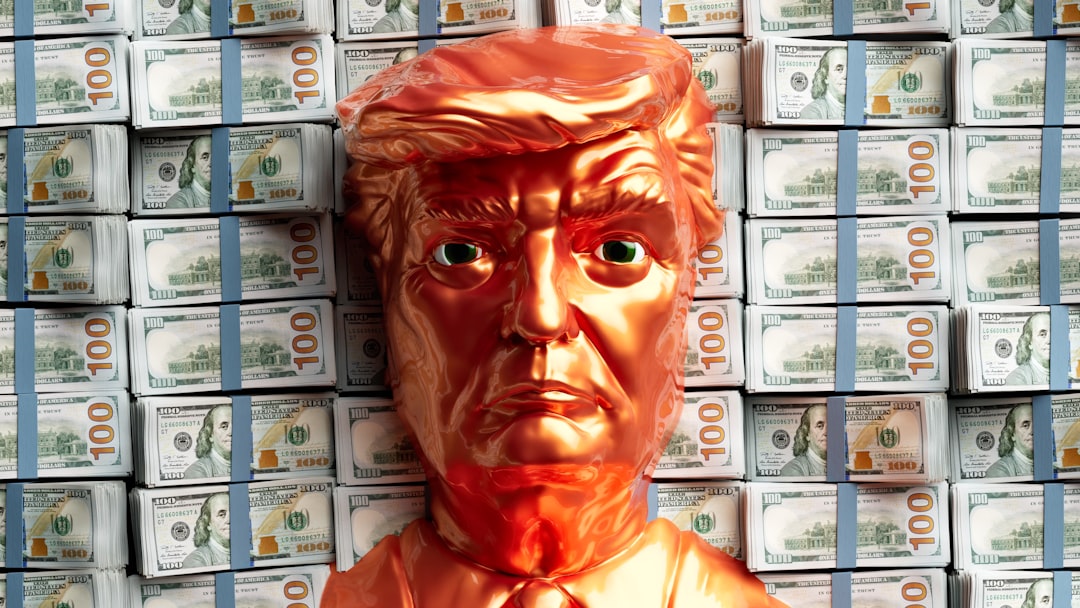
Sanctions have become a pivotal tool in international relations, wielded by nations to exert pressure on others without resorting to military action. These measures can take various forms, including economic restrictions, trade embargoes, and financial penalties, all aimed at influencing the behavior of targeted states or entities. At the heart of this strategy lies the dominance of the U.S.
dollar, which serves as the world’s primary reserve currency. The interplay between sanctions and dollar dominance is complex and multifaceted, shaping global economic dynamics and international relations. The U.S.
As countries increasingly rely on the dollar for international transactions, the implications of sanctions extend beyond the immediate targets. They can affect global markets, alter trade patterns, and even challenge the very foundations of dollar supremacy.
Understanding this relationship is crucial for grasping the current state of international finance and the potential shifts that may lie ahead.
Key Takeaways
- Sanctions have historically reinforced the US dollar’s dominance by limiting access for targeted countries, increasing reliance on the dollar system.
- The dollar’s role as the primary global reserve currency is closely tied to the effectiveness of US sanctions in international finance.
- Sanctions impact global trade by influencing which currencies are used, often promoting continued use of the dollar despite attempts to bypass it.
- Challenges to dollar dominance arise as some nations seek alternatives to avoid sanctions, but the dollar remains central due to deep financial markets.
- The future of dollar dominance will depend on how sanctions evolve and how global economic powers respond to maintain or challenge the current system.
Historical Context of Dollar Dominance and Sanctions
The roots of dollar dominance can be traced back to the Bretton Woods Conference in 1944, where the United States emerged as a leading economic power after World War
The establishment of a fixed exchange rate system linked currencies to the dollar, which was convertible to gold. This arrangement solidified the dollar’s position as the world’s primary reserve currency, facilitating international trade and investment. Over the decades, as the U.S.
economy grew and its financial markets deepened, the dollar became synonymous with stability and trust.

Sanctions have been employed by various nations throughout history, but their use has intensified in recent decades, particularly by the United States. The Cold War era saw the imposition of sanctions against Soviet-aligned states, while post-9/11 policies targeted nations perceived as threats to U.
security. The evolution of sanctions has mirrored geopolitical shifts, with economic measures increasingly becoming a preferred method of exerting influence. This historical context underscores how dollar dominance has been intertwined with the strategic use of sanctions, creating a framework that continues to shape global interactions.
The Role of Sanctions in Shaping the Dollar’s Dominance
Sanctions play a critical role in reinforcing the dollar’s dominance by leveraging its widespread acceptance in global trade and finance. When the U.S. imposes sanctions on a country, it often restricts that nation’s access to dollar-denominated transactions, effectively isolating it from the global economy.
This isolation not only punishes the targeted state but also underscores the dollar’s centrality in international commerce. As countries seek to navigate these sanctions, they often find themselves compelled to conduct transactions in dollars, further entrenching its status. Moreover, sanctions can create a ripple effect that influences other nations’ economic behaviors.
Countries that rely on trade with sanctioned states may find themselves at risk of secondary sanctions, prompting them to align their financial practices with U.S. standards. This dynamic reinforces the notion that engaging with the dollar is not merely a choice but a necessity for many nations seeking to avoid punitive measures.
Consequently, sanctions serve as a powerful mechanism for maintaining and enhancing the dollar’s dominance in global markets.
Impact of Sanctions on the Dollar’s Value in Global Markets
| Metric | Pre-Sanctions Period | Post-Sanctions Period | Impact Description |
|---|---|---|---|
| Percentage of Global Reserves Held in USD | 62% | 58% | Decline in USD reserves as countries diversify to avoid sanction risks |
| USD Usage in International Trade Settlements | 80% | 75% | Reduction in USD usage due to increased use of alternative currencies |
| Number of Countries Seeking Alternatives to USD | 15 | 30 | Doubling of countries exploring non-USD payment systems |
| Volume of Non-USD Denominated Bonds Issued | 25% | 35% | Increase in issuance of bonds in other currencies to reduce USD dependency |
| Frequency of USD Transactions in SWIFT Network | 45% | 40% | Decrease in USD transactions as alternative messaging systems gain traction |
The imposition of sanctions can have immediate and far-reaching effects on the value of the dollar in global markets. When sanctions are announced, they often lead to fluctuations in currency values as investors react to perceived risks associated with affected countries. For instance, if a major economy faces sanctions, its currency may depreciate sharply against the dollar, reflecting diminished confidence in its economic stability.
This reaction can bolster the dollar’s value temporarily as investors flock to what they perceive as a safer asset. However, the long-term impact of sanctions on the dollar’s value is more nuanced. While short-term spikes in demand for dollars may occur during sanction announcements, prolonged sanctions can lead to shifts in global trade patterns and currency preferences.
Countries subjected to sanctions may seek alternatives to the dollar, exploring bilateral trade agreements or alternative currencies for transactions. Over time, this could challenge the dollar’s supremacy and introduce volatility into its value as nations adapt to new economic realities.
How Sanctions Influence International Trade and the Dollar
Sanctions significantly influence international trade dynamics by altering established patterns and relationships between countries. When a nation faces sanctions, its ability to engage in trade is severely restricted, leading to disruptions in supply chains and market access. This not only affects the sanctioned country but also has implications for its trading partners who may be forced to reevaluate their economic ties.
As a result, countries often seek alternative markets or trading partners that are less likely to be affected by U.S.-imposed sanctions. The reliance on the dollar for international trade further complicates these dynamics. Many countries find it challenging to conduct transactions without using dollars due to their widespread acceptance in global markets.
This reliance creates a paradox where nations may want to distance themselves from U.S. influence but find it difficult to do so without incurring significant economic costs. Consequently, sanctions can inadvertently reinforce the dollar’s role in international trade while simultaneously pushing some nations toward exploring alternative currencies or trade arrangements.
Sanctions’ Effect on the Dollar’s Use in International Finance
The impact of sanctions extends beyond trade into the realm of international finance, where they can reshape how countries engage with financial systems dominated by the dollar. Financial institutions worldwide often adhere to U.S. regulations due to their connections to American markets and capital flows.
As a result, when sanctions are imposed, banks and financial entities may become hesitant to engage with sanctioned countries for fear of repercussions or penalties. This hesitance can lead to a significant reduction in financial transactions involving sanctioned nations, further isolating them from global financial networks. The consequences are profound: sanctioned countries may struggle to secure financing for development projects or engage in foreign investment opportunities.
In contrast, this dynamic reinforces the dollar’s position as a preferred currency for international finance, as countries continue to rely on it for legitimate transactions while navigating around sanctioned entities.
The Relationship Between Sanctions and the Dollar’s Reserve Currency Status
The relationship between sanctions and the dollar’s status as a reserve currency is intricate and multifaceted. The U.S. dollar’s dominance is largely attributed to its role as a safe haven during times of geopolitical uncertainty and economic instability.
Sanctions contribute to this perception by demonstrating that countries relying on alternative currencies may face significant risks if they are targeted by U.S.-led measures. As nations accumulate reserves for stability and security, they often turn to dollars due to its liquidity and acceptance across borders. However, this reliance on the dollar also creates vulnerabilities; countries subjected to sanctions may find their reserves frozen or inaccessible, prompting them to reconsider their dependency on a single currency.
This tension highlights an ongoing debate about whether continued reliance on the dollar is sustainable in an increasingly multipolar world where alternative currencies are gaining traction.
Sanctions’ Impact on Dollar-denominated Assets and Investments
Sanctions can have profound implications for dollar-denominated assets and investments, influencing both domestic and international markets. When sanctions are imposed on specific sectors or entities within a country, it can lead to immediate declines in asset values tied to those sectors. Investors often react swiftly by divesting from affected assets or reallocating their portfolios toward perceived safer investments.
Moreover, prolonged sanctions can deter foreign investment in sanctioned countries altogether, leading to capital flight and reduced economic growth prospects. This dynamic not only affects local economies but also has repercussions for global investors who may have interests in those markets. As investors reassess risk profiles associated with dollar-denominated assets linked to sanctioned entities or regions, it can create volatility that ripples through financial markets worldwide.
Challenges to Dollar Dominance in the Face of Sanctions
While sanctions have historically reinforced dollar dominance, they also present challenges that could undermine its supremacy over time. As countries increasingly seek alternatives to U.S.-led financial systems due to concerns over unilateral sanctions, there is a growing interest in diversifying away from reliance on the dollar. Nations such as China and Russia have actively pursued initiatives aimed at promoting their currencies for international trade and investment.
Additionally, technological advancements such as blockchain and digital currencies are emerging as potential disruptors to traditional financial systems dominated by the dollar. These innovations offer new avenues for conducting cross-border transactions without relying on established banking networks tied to U.S. regulations.
As these trends gain traction, they pose significant challenges to dollar dominance and could reshape global financial landscapes in ways that were previously unimaginable.
The Future of Dollar Dominance in the Context of Sanctions
The future of dollar dominance remains uncertain amid evolving geopolitical dynamics and increasing calls for alternative currencies in international trade. While sanctions have historically bolstered the dollar’s position by reinforcing its role as a safe haven asset, there is growing recognition among nations that dependence on a single currency carries inherent risks. As countries explore options for diversifying their reserves and payment systems, it raises questions about whether the dollar can maintain its preeminent status.
Moreover, ongoing geopolitical tensions may prompt further shifts away from traditional financial systems dominated by the U.S., particularly if nations perceive that they are vulnerable to unilateral sanctions. The emergence of regional trading blocs and partnerships focused on alternative currencies could accelerate this trend, challenging long-standing assumptions about dollar supremacy in global finance.
The Ongoing Interplay Between Sanctions and Dollar Dominance
In conclusion, the interplay between sanctions and dollar dominance is a dynamic force shaping contemporary international relations and economic landscapes. While sanctions have historically reinforced the dollar’s status as the world’s primary reserve currency by isolating targeted nations from global markets, they also present challenges that could undermine this dominance over time. As countries increasingly seek alternatives to U.S.-led financial systems and explore new avenues for conducting international trade, the future of dollar supremacy remains uncertain.
The ongoing evolution of geopolitical dynamics will continue to influence how nations navigate their economic relationships while grappling with the implications of sanctions. As this complex interplay unfolds, it will be essential for policymakers and economists alike to monitor developments closely and consider how shifts in currency preferences may reshape global finance in ways that reflect an increasingly multipolar world order.
The impact of sanctions on the dominance of the U.S. dollar has become a critical topic in international finance, as countries explore alternatives to reduce their reliance on the dollar. A related article that delves into this issue can be found at this link, where various perspectives on the shifting dynamics of global currency usage are discussed.
WATCH THIS! 🚨 The Secret Deal That Will Break America
FAQs
What are economic sanctions?
Economic sanctions are restrictive measures imposed by countries or international organizations to influence the behavior of a targeted country, entity, or individual. These measures often include trade barriers, asset freezes, and restrictions on financial transactions.
How do sanctions relate to the US dollar’s dominance?
The US dollar’s dominance in global finance is partly due to its widespread use in international trade and finance. Sanctions often rely on the dollar-based financial system to restrict access to US markets and the global financial network, reinforcing the dollar’s central role.
Can sanctions impact the global use of the US dollar?
Yes, sanctions can influence the global use of the US dollar. Countries targeted by sanctions may seek alternatives to the dollar to avoid restrictions, potentially encouraging the use of other currencies or financial systems.
Have sanctions led to any challenges to the dollar’s dominance?
Sanctions have prompted some countries to explore alternatives to the US dollar, such as using other currencies for trade or developing independent payment systems. However, the dollar remains the primary global reserve currency despite these efforts.
Do sanctions affect international trade and finance?
Sanctions can disrupt international trade and finance by limiting access to markets, financial services, and capital. This can lead to shifts in trade patterns and encourage diversification away from dollar-based transactions in some cases.
What role does the US financial system play in enforcing sanctions?
The US financial system is central to enforcing sanctions because many international transactions clear through US banks or use the US dollar. This gives the US significant leverage to monitor and restrict sanctioned entities’ access to global finance.
Are there any long-term effects of sanctions on dollar dominance?
Long-term effects may include gradual diversification of global reserves and trade currencies, increased use of alternative payment systems, and efforts by some countries to reduce reliance on the dollar. However, these changes tend to be slow and face significant structural challenges.
How do sanctioned countries respond to dollar-based sanctions?
Sanctioned countries often seek to bypass dollar-based restrictions by using other currencies, establishing alternative financial networks, or increasing bilateral trade agreements that do not involve the US dollar.
Is the US dollar likely to lose its dominant status due to sanctions?
While sanctions have encouraged some diversification, the US dollar’s dominance is supported by the size and stability of the US economy, deep financial markets, and widespread global acceptance. A significant loss of dominance would require major structural changes in the global financial system.