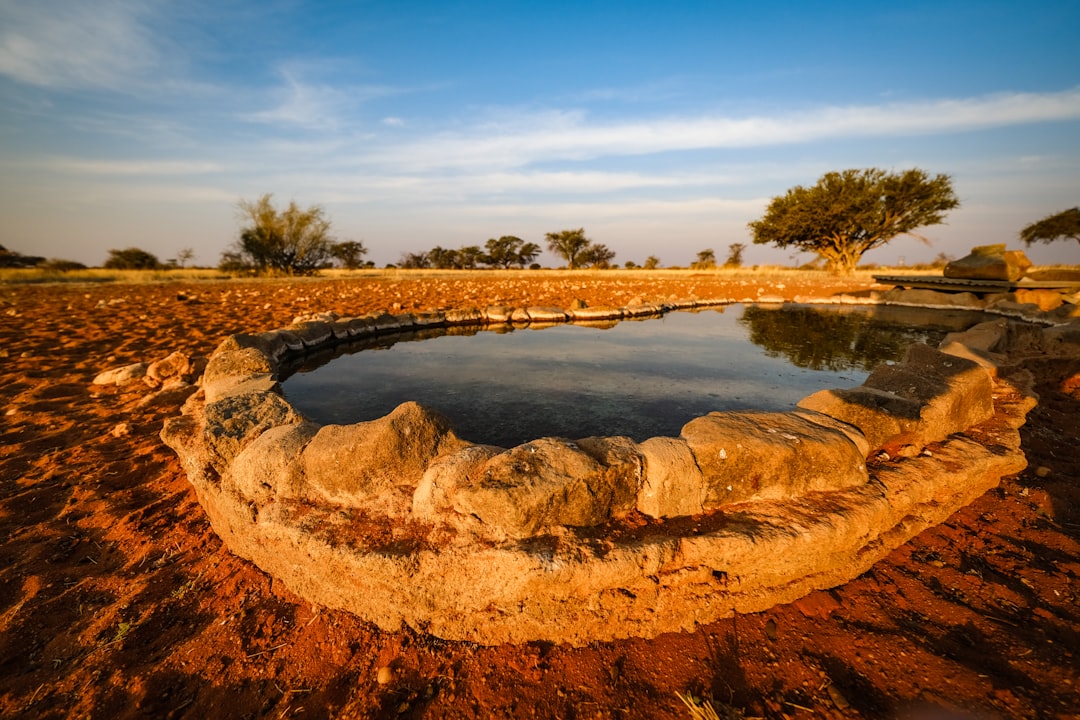
The relentless pursuit of sand, a seemingly mundane and abundant resource, harbors a hidden and insidious threat to one of Earth’s most vital commodities: groundwater. Sand mining, particularly from riverbeds and coastal areas, has emerged as a significant driver of groundwater depletion, with profound consequences for communities reliant on wells for their water supply. This article delves into the intricate relationship between sand mining and groundwater depletion, exploring the mechanisms of impact and the far-reaching implications for hydraulic systems and human well-being.
Sand, in its natural state, plays a crucial role in the intricate dance of hydrological cycles. It forms the skeletal structure of aquifers, the underground reservoirs that store and transmit groundwater. Imagine an aquifer as a colossal sponge, with the sand grains providing the porous framework that allows water to permeate and reside. When this framework is disturbed, the sponge loses its integrity, and its capacity to hold water diminishes. Learn about the environmental impacts of sand mining in this informative video.
Disruption of Aquifer Architecture
The physical removal of sand fundamentally alters the architecture of an aquifer. This disruption can manifest in several ways, each contributing to the overall decline in groundwater levels.
Loss of Storage Capacity
The most direct impact of sand mining is the reduction in an aquifer’s storage capacity. As sand is extracted, the void space it occupied is gone. This is akin to removing bricks from a house; the overall volume remains, but the internal structure that held everything up is compromised. With less porous material, the aquifer simply cannot hold as much water. This is particularly critical in unconfined aquifers, where the water table is directly exposed to atmospheric pressure and influenced by surface activities.
Increased Permeability and Groundwater Flow Velocity
While it might seem counterintuitive, removing sand can, in some instances, initially increase the localized permeability of an aquifer. However, this increased permeability often contributes to faster groundwater flow velocities. If the overburden (the layers above the aquifer) is also removed or disturbed, surface water can infiltrate more rapidly, but this rapid infiltration does not necessarily equate to improved storage. Instead, it can lead to faster discharge downstream, effectively bypassing the opportunity for long-term storage within the local aquifer system. Consider a slow-moving river versus a gushing torrent; while more water might pass through the torrent in a short time, the slow-moving river allows for more interaction with its banks and surrounding environment.
Creation of “Sinks” and Depressurization
Deep sand mining operations can create localized depressions or “sinks” within the aquifer. These sinks act like internal drains, where groundwater preferentially flows. This can lead to localized depressurization of the water table, drawing water from surrounding areas. This effect can be particularly pronounced in areas with existing cones of depression from extensive groundwater pumping, exacerbating the problem.
Alteration of Surface Water – Groundwater Interactions
Riverbeds, often the primary source of sand for mining, are not merely conduits for surface water; they are vital arteries for the exchange between surface water and groundwater. When these riverbeds are mined, this intricate exchange is profoundly disrupted.
Lowering of Riverbed Elevation
The removal of sand and gravel from riverbeds can significantly lower the streambed elevation. This has a direct impact on the hydraulic gradient between the river and the adjacent aquifer. When the riverbed is lowered, the river loses its hydraulic connection with shallow aquifers, transforming a historically “gaining” stream (where groundwater flows into the river) into a “losing” stream (where river water seeps into the aquifer). This effectively drains the surrounding groundwater table, as the river acts as a conduit for accelerated discharge.
Loss of Riparian Zone Functionality
Riparian zones, the vegetated areas alongside rivers, play a critical role in filtering surface water, promoting groundwater recharge, and maintaining ecological balance. Sand mining often involves the clearing of these zones, destroying their ability to perform these essential functions. Without the vegetation and the stable soil structures, surface runoff is less filtered, leading to increased sediment load in groundwater. Moreover, the loss of riparian vegetation reduces evapotranspiration, a natural process that helps regulate local water cycles.
Increased Turbidity and Sedimentation
While not directly a depletion mechanism, increased turbidity and sedimentation resulting from sand mining can indirectly impact groundwater by clogging aquifer pores. Fine sediment, mobilized by mining activities, can infiltrate the ground and reduce the permeability of the aquifer, hindering natural recharge and the movement of water to wells. Imagine a clogged filter; eventually, water struggles to pass through.
Sand mining has significant implications for groundwater depletion, particularly in regions where extraction activities are concentrated. A related article that delves deeper into the environmental impacts of sand mining and its connection to groundwater resources can be found at Real Lore and Order. This resource provides valuable insights into how the depletion of groundwater wells is exacerbated by unsustainable sand mining practices, highlighting the urgent need for regulatory measures to protect vital water resources.
Impact on Wells: A Vicious Cycle
The direct consequence of groundwater depletion is evident in the performance and functionality of wells. As the subterranean water reserves shrink, wells, the lifeblood of many communities, begin to falter.
Lowering of Water Tables
The most immediate and observable impact on wells is the lowering of the water table. As groundwater levels drop, wells that were once productive may suddenly yield less water, requiring longer pumping times, or even cease to function entirely. This forces communities to either deepen their existing wells, drill new, deeper wells, or abandon their current water sources altogether.
Increased Pumping Costs
Deepening wells or pumping from a lower water table demands significantly more energy. This translates directly into increased pumping costs for individual households, farmers, and municipalities. What might have once been an affordable and reliable water source becomes a financial burden, disproportionately affecting vulnerable communities.
Well Dry-Ups and Abandonment
In severe cases of groundwater depletion, wells can completely dry up. This catastrophic event leaves communities without immediate access to water, triggering social and economic hardship. Farmers, dependent on well water for irrigation, face crop failures, jeopardizing their livelihoods and food security. The abandonment of wells represents a tangible loss of infrastructure and a forced displacement from established water sources.
Water Quality Degradation
As freshwater aquifers are depleted, several processes can lead to the degradation of water quality in remaining wells.
Saline Intrusion
In coastal areas, the over-extraction of freshwater creates a hydraulic imbalance, allowing saltwater from the ocean to intrude into freshwater aquifers. This phenomenon, known as saline intrusion, renders the well water unusable for drinking and irrigation due to its high salt content. Imagine a delicate balance where freshwater pushes back the invading sea; when the freshwater pressure weakens, the sea floods inland.
Contamination from Deeper Aquifers
When shallower, cleaner aquifers are depleted, deeper, sometimes geologically older, aquifers may be tapped. These deeper aquifers can contain naturally occurring contaminants like arsenic, fluoride, or heavy metals, which are safely confined when shallower aquifers provide sufficient pressure. Lowering the water table can also mobilize these contaminants into well water, posing significant health risks.
Mobilization of Existing Pollutants
The changing hydraulic conditions caused by groundwater depletion can also mobilize existing pollutants that were previously stable or diluted. For example, if a plume of agricultural runoff or industrial waste was present in a localized area, the lowering of the water table can alter groundwater flow paths, potentially drawing these contaminants into wells that were previously unaffected.
Environmental and Socio-Economic Ramifications
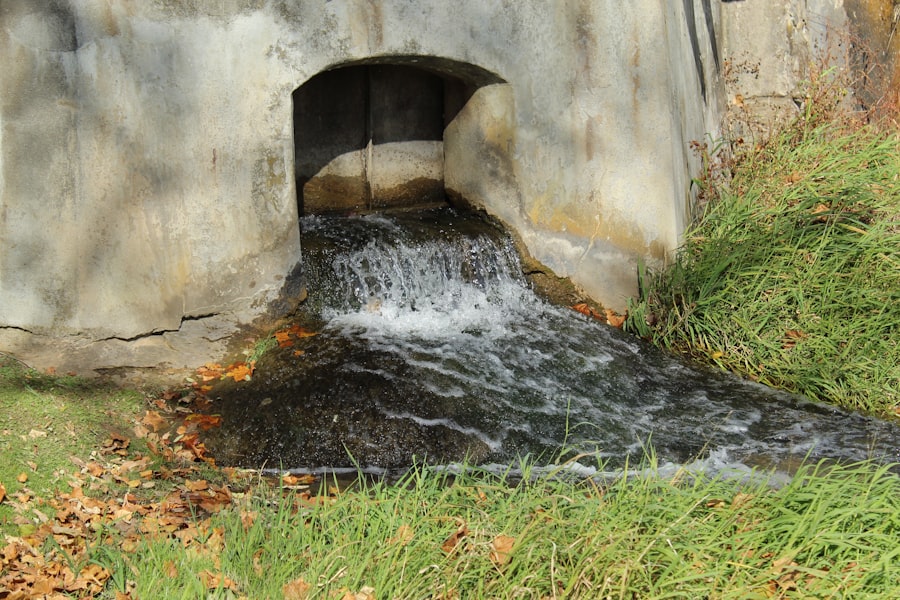
The chain reaction initiated by sand mining extends beyond individual wells, creating a cascade of environmental and socio-economic challenges. These ramifications underscore the urgent need for sustainable sand management practices.
Ecosystem Collapse
The degradation of riverine and coastal ecosystems due to sand mining has profound consequences for biodiversity. Fish spawning grounds are destroyed, aquatic habitats are altered, and the delicate balance of food webs is disrupted. This ecological damage, while seemingly distant from a well, ultimately impacts the broader environmental health that supports human well-being.
Loss of Biodiversity
Many species of fish, amphibians, and invertebrates rely on stable riverbed environments for breeding and foraging. Sand mining destroys these critical habitats, leading to a significant decline in aquatic biodiversity. This loss ripples through the ecosystem, affecting birds and other wildlife that depend on these species for food.
Disruption of Nutrient Cycling
Riverbed sediments play a crucial role in nutrient cycling, providing essential elements for plant growth and supporting the base of the aquatic food web. The removal of these sediments disrupts this natural process, leading to nutrient imbalances and impacting the overall productivity of the ecosystem.
Livelihood Displacement and Conflict
Communities reliant on a healthy river for fishing, agriculture, or traditional practices often face livelihood displacement when sand mining operations commence. This can lead to social unrest and conflict, particularly in areas where governance is weak and regulatory enforcement is lax.
Economic Hardship for Farmers and Fishermen
Farmers, who depend on groundwater for irrigation and fertile riverine soils for cultivation, experience crop failures and reduced yields as groundwater tables drop. Fishermen find their catches dwindling due to habitat destruction, forcing them to seek alternative, often less lucrative, livelihoods.
Social Unrest and Human Rights Concerns
The competition for dwindling water resources, exacerbated by sand mining, can ignite social tensions and inter-community conflicts. The right to water, a fundamental human right, is often compromised in areas severely affected by groundwater depletion.
Land Subsidence
In certain geological contexts, the excessive removal of groundwater can lead to land subsidence, where the ground surface literally sinks. This occurs when the water that occupied the pore spaces in the aquifer is removed, and the overlying sediments compact under their own weight.
Damage to Infrastructure
Land subsidence can cause significant damage to buildings, roads, pipelines, and other infrastructure, leading to costly repairs and rendering areas unsafe for habitation. Imagine the ground beneath a house slowly giving way; the structural integrity is compromised.
Increased Flood Risk
Subsidence exacerbates flood risk, particularly in coastal and low-lying areas. As the land sinks, it becomes more susceptible to inundation from storm surges and rising sea levels, creating a double burden for communities already grappling with water scarcity.
Conclusion
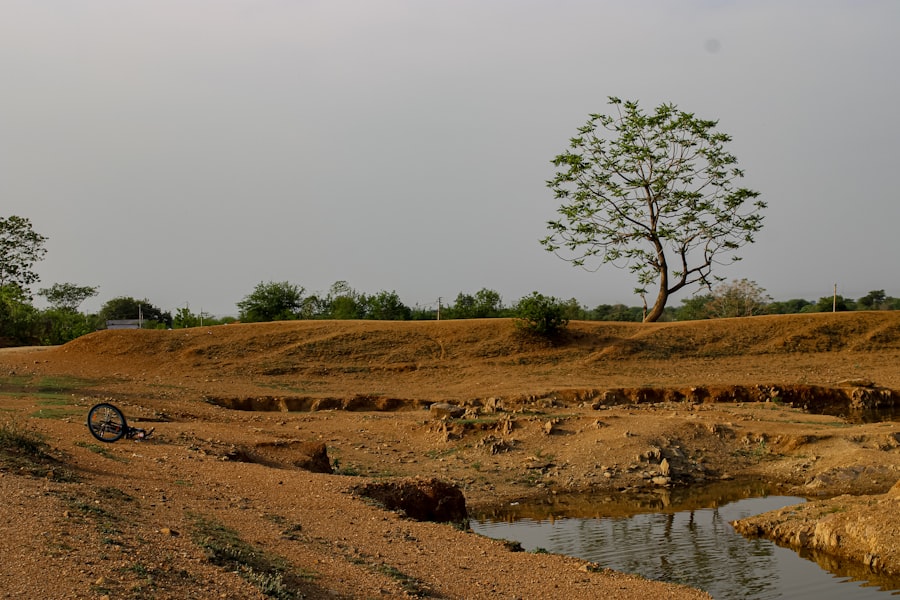
The impact of sand mining on groundwater depletion is a multifaceted and pervasive challenge that demands urgent attention. The intricate connections between surface and subsurface hydrological systems mean that disturbing one inevitably affects the other. As we continue to extract sand at an alarming rate, we are effectively draining our natural water reservoirs, leaving behind a legacy of dried-up wells, environmental degradation, and socio-economic hardship. Addressing this crisis necessitates a holistic approach, encompassing stricter regulatory frameworks, the promotion of sustainable alternatives to virgin sand, advanced monitoring technologies, and a fundamental shift in our understanding of sand not merely as a commodity, but as a vital component of our planet’s life support systems. The future of our water security, and indeed the well-being of countless communities, hinges on our ability to responsibly manage this seemingly ubiquitous, yet undeniably finite, resource. The choices made today regarding sand extraction will determine the availability of accessible water for generations to come.
WATCH THIS! 🏗️ SAND MINING MAFIA: The $70 Billion Crime Wave Destroying Rivers & Killing Journalists
FAQs
What is sand mining?
Sand mining is the process of extracting sand from natural sources such as riverbeds, beaches, and dunes. It is commonly used in construction, manufacturing, and land reclamation.
How does sand mining affect groundwater?
Sand mining can lead to groundwater depletion by disrupting the natural flow of water, lowering the water table, and reducing the recharge capacity of aquifers. This can result in wells drying up and reduced water availability for communities and ecosystems.
What are groundwater depletion wells?
Groundwater depletion wells refer to wells that experience a significant drop in water levels due to excessive extraction or environmental factors like sand mining. These wells may become unusable or require deeper drilling to access water.
Why is groundwater important?
Groundwater is a critical source of fresh water for drinking, agriculture, and industry. It supports ecosystems and maintains the flow of rivers and wetlands, especially during dry periods.
Can sand mining be done sustainably?
Yes, sustainable sand mining involves regulating extraction rates, monitoring environmental impacts, restoring mined areas, and ensuring that mining activities do not exceed the natural replenishment rate of sand and groundwater.
What are the environmental impacts of sand mining besides groundwater depletion?
Besides groundwater depletion, sand mining can cause habitat destruction, increased erosion, loss of biodiversity, water pollution, and changes in river morphology.
How can communities protect their groundwater from depletion due to sand mining?
Communities can protect groundwater by advocating for strict regulations on sand mining, promoting sustainable water use, monitoring water levels, and supporting alternative materials to reduce sand demand.
Are there alternatives to sand mining for construction purposes?
Yes, alternatives include using manufactured sand, recycled construction materials, and other aggregates that reduce reliance on natural sand sources.
What role do government regulations play in managing sand mining and groundwater depletion?
Government regulations set limits on extraction volumes, designate mining zones, enforce environmental standards, and require impact assessments to balance economic needs with environmental protection.
How can groundwater depletion impact agriculture?
Groundwater depletion can reduce water availability for irrigation, leading to lower crop yields, increased costs for farmers, and potential food security issues.