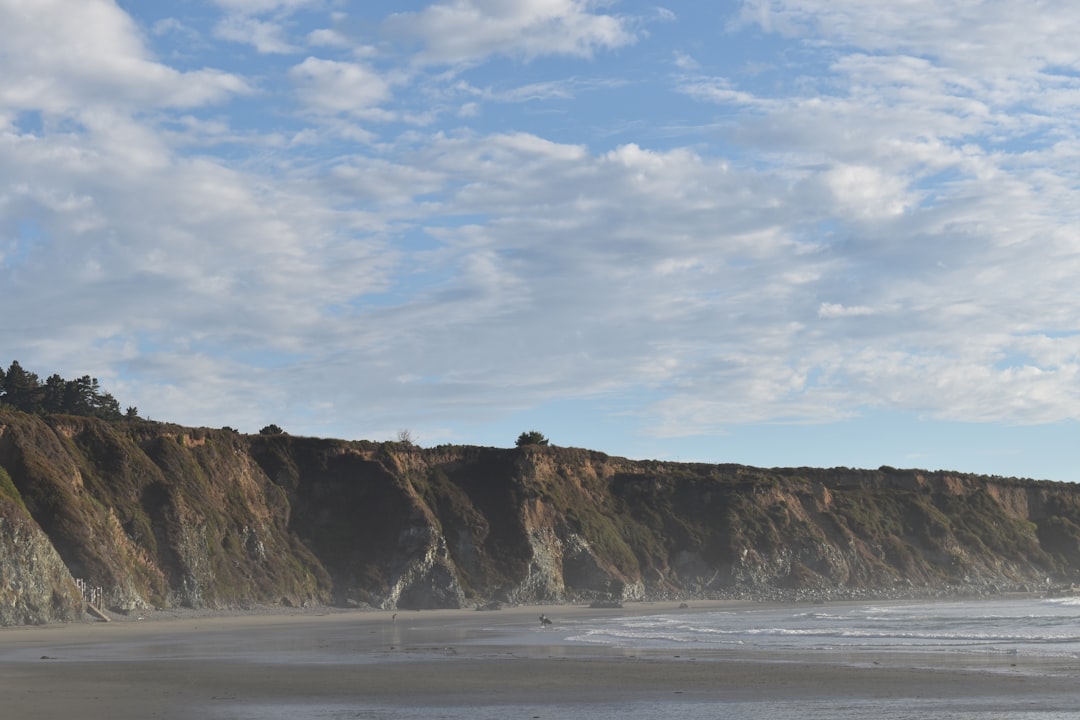
The delicate balance of Earth’s coastal ecosystems is under relentless assault from a triumvirate of interconnected threats: sand mining, coastal erosion, and climate change. These forces, often acting in concert, are reshaping shorelines, jeopardizing human settlements, and threatening biodiversity on a global scale. This article will delve into the multifaceted nature of this looming crisis, exploring its causes, consequences, and potential solutions.
Sand, an often-overlooked commodity, is the second most exploited natural resource globally after water. Its ubiquitous presence in construction, infrastructure development, and industrial applications belies its finite nature and the significant environmental impact of its extraction. Learn about the environmental impacts of sand mining in this informative video.
The Global Demand for Sand
The rapid urbanization and infrastructural development witnessed across the globe in recent decades have fueled an insatiable demand for sand. Concrete, the backbone of modern cities, requires vast quantities of sand as an aggregate. Roads, bridges, buildings, and even land reclamation projects all depend on this granular material. This demand is particularly acute in developing nations, where economic growth often translates into a surge in construction activities. The sheer volume of sand extracted annually is staggering, estimated to be in the tens of billions of tonnes, far exceeding the natural replenishment rates.
Methods and Impacts of Sand Mining
Sand mining can employ various methods, each with its distinct environmental consequences.
Riverine Sand Mining
Historically, rivers have been a primary source of sand. Dredgers and excavators remove sand from riverbeds, often altering the river’s flow, depth, and sediment transport dynamics. These changes can lead to increased turbidity, harming aquatic life, and destabilizing riverbanks, making them more susceptible to erosion. Moreover, the lowering of the riverbed can deplete groundwater reserves in adjacent areas, impacting agriculture and potable water supplies.
Coastal and Marine Sand Mining
As riverine sources deplete or become subject to stricter regulations, the focus often shifts to coastal areas and the marine environment. Mining sand directly from beaches, dunes, or nearshore seabeds has profound impacts. The removal of sand from beaches directly contributes to coastal erosion, as the natural protective barrier is compromised. Subaqueous mining, often conducted further offshore, can disrupt benthic habitats, destroy breeding grounds for marine species, and alter wave patterns, potentially increasing the erosive power of waves reaching the shore. The impact of these operations can extend far beyond the immediate extraction site, creating a ripple effect across the ecosystem.
Illegal and Unregulated Mining
A significant portion of global sand mining operations are illegal or unregulated, exacerbating the environmental damage. Driven by economic incentives and often operating with little oversight, these illicit activities bypass environmental impact assessments and safety protocols. This lack of accountability leads to more destructive practices, further accelerating erosion and ecological degradation. Communities reliant on these coastal environments often bear the disproportionate burden of these unregulated activities.
Sand mining has emerged as a significant factor contributing to coastal erosion, exacerbated by climate change. The extraction of sand from beaches and riverbeds disrupts natural sediment supply, leading to increased vulnerability of coastlines to storm surges and rising sea levels. For a deeper understanding of the implications of sand mining on coastal ecosystems and its relationship with climate change, you can read a related article at Real Lore and Order. This article explores the environmental impacts of sand mining and discusses potential solutions to mitigate its effects on coastal regions.
The Ebbing Tide: Understanding Coastal Erosion
Coastal erosion is a natural process, a constant sculpting of land by the relentless forces of waves, currents, and wind. However, human activities, particularly sand mining and climate change, are dramatically accelerating this natural phenomenon, turning it into a pressing crisis.
Natural Drivers of Coastal Erosion
Waves are the primary architects of coastal change. Their energy, generated by wind, ceaselessly impacts shorelines, transporting sediment both along the coast (longshore drift) and perpendicular to it. Storm surges, particularly during extreme weather events, can inflict significant damage in short periods, rapidly removing large volumes of sand and carving back cliffs. Tides also play a role, influencing the extent of wave action and the duration of inundation. Eustatic (global) and isostatic (local) sea level changes, though typically occurring over longer timescales, also contribute to the long-term reshaping of coastlines.
Anthropogenic Accelerators of Erosion
While natural processes are inherent to dynamic coastlines, human interventions often act as powerful accelerators, upsetting the delicate equilibrium.
Sand Mining as a Direct Contributor
The most direct link between human activity and accelerated erosion is sand mining. When sand is removed from beaches, dunes, or nearshore environments, the natural buffer against wave energy is diminished. This leaves the shoreline more vulnerable to the relentless pounding of the sea. It’s akin to removing bricks from the foundation of a wall; eventually, the wall will crumble. Without sufficient sediment supply, beaches narrow, dunes recede, and coastal cliffs become more exposed, leading to rapid land loss.
Coastal Development and Infrastructure
The construction of sea walls, groynes, and breakwaters, while often intended to protect specific areas, can have unintended consequences further along the coast. These structures can interrupt natural sediment transport pathways, starving downcurrent beaches of sand and accelerating erosion there. Large-scale coastal development, including hotels and residential areas built too close to the shoreline, often necessitates “hard” engineering solutions that interfere with natural processes, creating a vicious cycle of intervention and unintended harm.
River Basin Management
Dams and other hydrological modifications in river basins can drastically reduce the amount of sediment reaching coastlines. Rivers naturally transport vast quantities of sand and silt to the sea, replenishing beaches and estuaries. When these sediment supplies are cut off by dams trapping sediment upstream, coastal areas are deprived of their natural sustenance, becoming increasingly susceptible to erosion. This highlights the interconnectedness of inland and coastal ecosystems, often overlooked in development planning.
The Tide of Change: Climate Change and Coastal Vulnerability
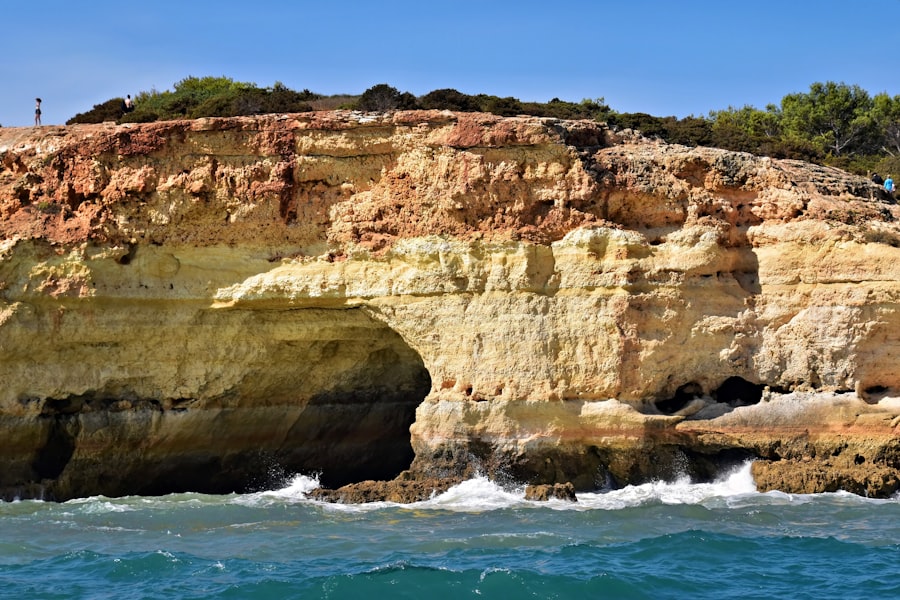
Climate change is not merely an additional threat; it acts as an amplifier, exacerbating the impacts of both sand mining and natural erosion, pushing coastal ecosystems towards a tipping point.
Rising Sea Levels
One of the most profound and widely recognized impacts of climate change is global sea-level rise. Thermal expansion of ocean water, coupled with the melting of glaciers and ice sheets, is causing sea levels to steadily ascend. This encroaching sea directly intensifies coastal erosion by allowing waves to reach further inland and increasing the frequency and duration of coastal inundation. Low-lying coastal areas and small island nations are particularly vulnerable, facing existential threats from permanent land loss.
Increased Frequency and Intensity of Extreme Weather Events
Climate change is widely projected to increase the frequency and intensity of extreme weather events, including tropical cyclones, powerful storms, and associated storm surges. These events unleash immense amounts of energy on coastlines, causing rapid and widespread erosion that can reshape entire sections of shoreline in a matter of hours or days. The combined impact of higher sea levels and more powerful storms means that storm surges will penetrate further inland, causing greater damage to infrastructure, ecosystems, and human settlements.
Ocean Acidification and Ecosystem Degradation
While not directly causing erosion, ocean acidification, another consequence of increased atmospheric CO2, weakens marine ecosystems that often play a crucial role in coastal protection. Coral reefs, for instance, act as natural breakwaters, dissipating wave energy and protecting shorelines. Acidification impairs the ability of corals and other shell-forming organisms to build their structures, degrading these vital ecosystems and reducing their protective capacity, indirectly contributing to increased coastal vulnerability. Mangrove forests and seagrass beds also provide critical buffer zones, and their degradation due to climate change further exposes coastlines to erosive forces.
The Web of Consequences: Ecological and Socioeconomic Impacts
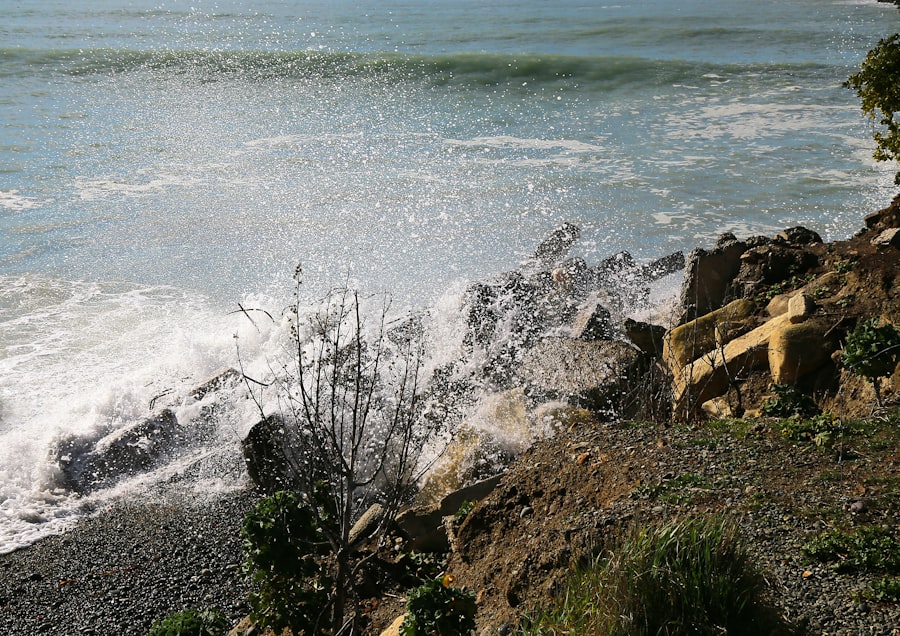
The convergence of sand mining, coastal erosion, and climate change unleashes a cascade of devastating ecological and socioeconomic consequences, impacting everything from biodiversity to human livelihoods and national economies.
Loss of Biodiversity and Ecosystem Services
Coastal ecosystems are among the most biodiverse on Earth. Beaches, dunes, mangrove forests, salt marshes, and coral reefs provide critical habitats for a vast array of flora and fauna, including endangered species. Erosion and habitat destruction directly threaten these communities. Mangroves and salt marshes, for example, are crucial nurseries for fish, crustaceans, and birds, and their loss can decimate fisheries. Dunes protect inland areas from storm surges and provide unique habitats for specialized plant species. The degradation of these ecosystems represents an irreversible loss of biodiversity and the vital ecosystem services they provide, such as water filtration, nutrient cycling, and carbon sequestration.
Threats to Human Settlements and Infrastructure
Millions of people reside in coastal zones globally, often in densely populated urban centers or agricultural regions. As coastlines recede, homes, businesses, and critical infrastructure – roads, power plants, wastewater treatment facilities, and ports – become increasingly vulnerable. Relocation becomes a difficult and costly necessity, displacing communities and dissolving social ties. The economic costs associated with rebuilding, repairing, and protecting infrastructure are astronomical, straining national budgets and diverting resources from other essential services. The existential threat to low-lying island nations, some of which could be entirely submerged within decades, highlights the urgency of this crisis.
Impacts on Livelihoods and Food Security
Coastal communities heavily rely on the resources provided by healthy coastal ecosystems. Fisheries, aquaculture, and tourism are major economic drivers in many coastal regions. Erosion and ecosystem degradation directly undermine these livelihoods. The loss of beaches due to sand mining, for example, can devastate the tourism industry, robbing communities of vital income. Degradation of fishing grounds due to sediment pollution or habitat destruction affects food security and the economic well-being of fisherfolk. Agricultural land in coastal areas is also susceptible to saltwater intrusion as sea levels rise and protective barriers erode, rendering once fertile soil unusable.
Cultural Heritage and Displacement
Coastal regions are often rich in cultural heritage, home to historical sites, sacred lands, and traditional communities with deep ties to the sea. Erosion threatens these irreplaceable cultural assets, eroding not just land but also identity and history. As communities are forced to abandon their ancestral lands due to sea-level rise and coastal retreat, cultural traditions and social structures can be severely disrupted, leading to psychological distress and the loss of intangible heritage.
Sand mining has become a critical issue in the context of coastal erosion and climate change, as excessive extraction disrupts natural sediment supply and exacerbates shoreline vulnerability. A related article explores the intricate relationship between these factors and highlights the urgent need for sustainable practices to protect coastal ecosystems. For more insights on this pressing topic, you can read the full article here.
Charting a New Course: Strategies for Mitigation and Adaptation
| Metric | Value | Unit | Relevance to Sand Mining, Coastal Erosion, and Climate Change |
|---|---|---|---|
| Annual Global Sand Extraction | 50 | Billion tons | High demand for construction leads to excessive sand mining, contributing to coastal erosion |
| Coastal Erosion Rate (Global Average) | 0.5 – 1.0 | meters per year | Accelerated by sand mining and rising sea levels due to climate change |
| Sea Level Rise (Global Average) | 3.3 | mm per year | Contributes to increased coastal erosion and habitat loss |
| Percentage of Coastal Areas Affected by Sand Mining | 30 | % | Significant portion of coastlines experiencing degradation due to sand extraction |
| Loss of Coastal Wetlands (Annual) | 0.5 – 1.0 | % per year | Wetlands are lost due to erosion and sediment disruption from sand mining |
| Increase in Storm Intensity (Last 50 Years) | 10 – 15 | % | Climate change-driven storms exacerbate coastal erosion and damage |
| Average Sediment Supply Reduction due to Sand Mining | 20 – 40 | % | Reduced sediment supply weakens natural coastal defenses |
Addressing this complex crisis requires a multi-pronged approach that integrates mitigation efforts to reduce the underlying causes with adaptive strategies to cope with the unavoidable impacts.
Sustainable Sand Management
The cornerstone of addressing sand scarcity and its erosive impacts lies in sustainable sand management.
Reducing and Recycling Demand
A fundamental shift in construction practices is necessary. Innovative building materials that require less sand, such as those incorporating recycled aggregates, should be promoted and scaled up. The recycling of construction and demolition waste can significantly reduce the demand for virgin sand. Policies that incentivize efficient resource use and disincentivize excessive consumption are crucial.
Identifying Alternative Sources
Research and development into alternative aggregates, such as crushed rock from quarries, need to be accelerated. While quarrying also has environmental impacts, it can be less destructive to coastal ecosystems than marine sand mining. In some contexts, carefully managed desert sand (which is often unsuitable for concrete due to its rounded shape but can be used in other applications) could offer supplementary supplies.
Stricter Regulation and Enforcement
Robust legal frameworks and effective enforcement are essential to curb illegal and unregulated sand mining. Governments must implement and enforce strict licensing procedures, environmental impact assessments, and monitoring programs. International cooperation is also vital, as the illicit trade in sand often crosses national borders.
Coastal Protection and Restoration
Moving beyond “hard” engineering solutions towards nature-based approaches is critical for building resilient coastlines.
Nature-Based Solutions
These approaches leverage the protective power of natural ecosystems. Restoring and replanting mangrove forests, salt marshes, and seagrass beds can effectively dissipate wave energy, stabilize sediments, and promote biodiversity. Dune restoration projects, involving planting vegetation to stabilize sand, can rebuild natural storm buffers. These “green infrastructure” solutions often provide multiple co-benefits, such as carbon sequestration and fishery enhancement.
Strategic Retreat and Managed Realignment
In areas facing severe and unavoidable erosion, strategic retreat or managed realignment offers a pragmatic alternative to endless, costly, and often futile attempts to defend every inch of coastline. This involves planning for the gradual withdrawal of human infrastructure from vulnerable areas, allowing natural processes to operate, and creating new coastal habitats. While politically challenging, it can be a more sustainable and economically sound long-term solution.
Climate Change Mitigation and Adaptation
Addressing the root cause of sea-level rise and extreme weather requires global action.
Reducing Greenhouse Gas Emissions
The most effective long-term solution to mitigate the impacts of climate change on coastal areas is a drastic reduction in global greenhouse gas emissions. This involves transitioning to renewable energy sources, improving energy efficiency, and promoting sustainable land-use practices. International agreements and national policies must align to achieve ambitious emission reduction targets.
Early Warning Systems and Climate-Resilient Planning
Adapting to the unavoidable impacts of climate change requires comprehensive planning. Investing in robust early warning systems for storms and sea-level rise can provide communities with crucial time to prepare and evacuate. Developing climate-resilient infrastructure, designed to withstand higher sea levels and more intense storms, and integrating future climate projections into urban and regional planning are paramount. This involves not only engineering solutions but also considering zoning regulations that restrict development in highly vulnerable coastal areas.
The crisis unfolding along our coastlines is a stark reminder of humanity’s profound impact on the natural world. The interconnectedness of sand mining, coastal erosion, and climate change demands an integrated, holistic response. Ignoring this complex web of threats is not an option; for many coastal communities, the rising tide is already at their doorstep, and the consequences of inaction are too dire to contemplate. The future of our coastlines, and the communities that depend on them, hinges on our collective ability to understand, adapt, and act decisively.
WATCH THIS! 🏗️ SAND MINING MAFIA: The $70 Billion Crime Wave Destroying Rivers & Killing Journalists
FAQs
What is sand mining?
Sand mining is the process of extracting sand from beaches, riverbeds, seabeds, or inland dunes for use in construction, manufacturing, and other industrial purposes.
How does sand mining contribute to coastal erosion?
Sand mining removes sand that naturally replenishes beaches and coastal areas. This depletion weakens the shoreline, making it more vulnerable to erosion caused by waves, storms, and rising sea levels.
What are the environmental impacts of coastal erosion?
Coastal erosion can lead to loss of habitat for wildlife, damage to infrastructure, reduced land area, increased flooding, and degradation of water quality.
How is climate change related to coastal erosion?
Climate change contributes to coastal erosion by causing sea-level rise, increasing the frequency and intensity of storms, and altering wave patterns, all of which accelerate the loss of coastal land.
Can sand mining and climate change together worsen coastal erosion?
Yes, sand mining reduces the natural defense of coastlines, while climate change intensifies factors like sea-level rise and storms, together accelerating coastal erosion.
Are there regulations to control sand mining?
Many countries have regulations and guidelines to manage sand mining sustainably, aiming to minimize environmental damage and protect coastal ecosystems.
What are some alternatives to sand mining for construction?
Alternatives include using recycled construction materials, manufactured sand, crushed rock, and other sustainable materials to reduce reliance on natural sand sources.
How can coastal communities adapt to the impacts of sand mining and climate change?
Communities can implement coastal protection measures such as building seawalls, restoring mangroves and dunes, enforcing sustainable sand mining practices, and planning for climate resilience.
Is sand mining a renewable resource?
Sand is considered a non-renewable resource in many contexts because natural replenishment rates are slow compared to extraction rates, especially in coastal areas.
What role do policymakers play in addressing sand mining and coastal erosion?
Policymakers develop and enforce regulations, promote sustainable practices, fund research and restoration projects, and raise public awareness to mitigate the impacts of sand mining and climate change on coastal erosion.