
The extraction of sand, a seemingly mundane activity crucial to modern infrastructure development, harbors significant and often underestimated risks to global water supplies. This article explores the multifaceted threats posed by widespread sand mining, focusing specifically on its potential to contaminate vital water sources, thereby jeopardizing public health and ecosystem integrity.
Sand, in its various forms, is an essential component of human civilization. Its granular structure and pervasive availability have made it the second-most exploited natural resource after water itself. Learn about the environmental impacts of sand mining in this informative video.
Foundation of Modern Infrastructure
- Construction Material: Sand serves as a primary aggregate in concrete, asphalt, and mortar, forming the literal bedrock of buildings, roads, bridges, and other critical infrastructure. Without sand, modern urban landscapes as we know them would be impossible to construct.
- Land Reclamation: Large-scale land reclamation projects, particularly in coastal areas facing rising sea levels or seeking to expand territory, rely heavily on vast quantities of sand. This process often involves dredging marine or riverine environments.
- Industrial Applications: Beyond construction, sand finds diverse applications in industries such as glass manufacturing, electronics, and even as a proppant in hydraulic fracturing (fracking).
The Scale of Extraction
The global demand for sand is staggering, estimated at tens of billions of tons annually. This immense appetite is driven by rapid urbanization, population growth, and infrastructure development, particularly in emerging economies. The sheer volume of material required places immense pressure on natural sand deposits, leading to intensified extraction efforts.
Sand mining has become a significant concern in many regions, particularly due to its impact on water supply contamination. An insightful article that delves into this issue can be found at Real Lore and Order, where the effects of sand extraction on local water sources are examined in detail. The article highlights how improper mining practices can lead to the degradation of water quality, posing risks to both human health and the environment.
Methods of Sand Mining and Their Environmental Footprint
Sand mining employs various techniques, each with its own specific environmental implications. Understanding these methods is crucial to comprehending the pathways of water contamination.
Riverine and Floodplain Mining
- Dredging: This common method involves deploying specialized vessels equipped with suction pumps or mechanical shovels to remove sand directly from riverbeds. Dredging can be highly efficient for large-scale operations but is also highly disruptive.
- Excavation: In shallower river sections or floodplains, sand is often excavated using excavators, backhoes, or front-end loaders. This typically involves channeling water or diverting river flow, creating pits and altering natural hydrological patterns.
- Impact on River Morphology: Riverine mining directly alters the physical structure of rivers. It can deepen riverbeds, widen channels, and destabilize riverbanks. These morphological changes disrupt natural flow regimes, increase sediment load downstream, and can lead to increased erosion elsewhere.
Coastal and Marine Mining
- Offshore Dredging: Large dredgers extract sand from seabed deposits, often located offshore in coastal waters. This sand is then transported to land for various uses, including beach nourishment and land reclamation.
- Beach Mining: In some regions, sand is directly extracted from beaches. This practice is particularly destructive as it removes the very material that protects coastal communities from erosion and storm surges.
Terrestrial Mining (Pit Mining)
- Quarrying: While distinct from sand mining in the strictest sense, some surface mines extract sand and gravel from terrestrial deposits, often in former riverbeds or glacial outwash plains. These operations can also have significant hydrological impacts.
Pathways to Water Supply Contamination
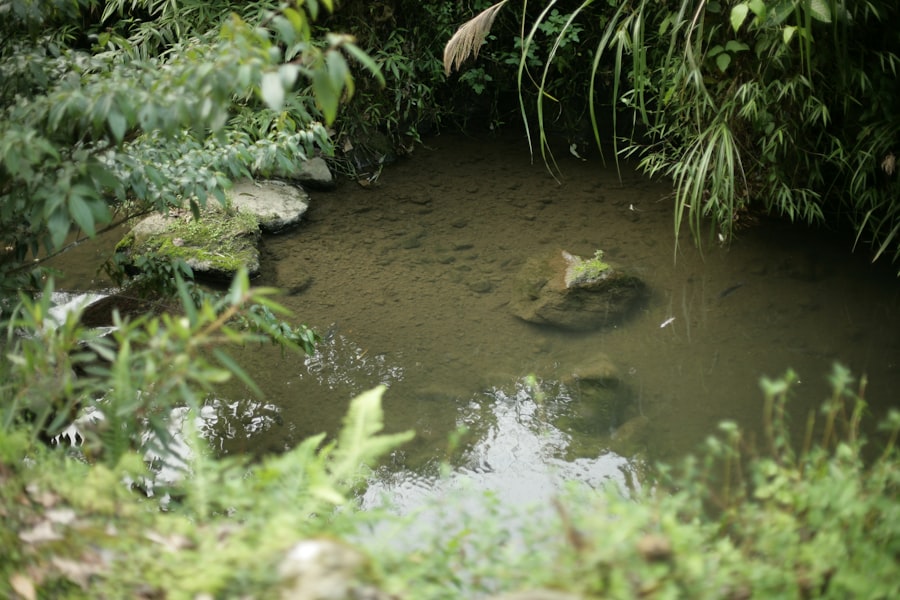
The diverse methods of sand mining directly and indirectly contribute to the contamination of water supplies through several interconnected mechanisms. Imagine the intricate web of a river system as the circulatory system of a landscape: disrupting one part can have ripple effects throughout.
Sedimentation and Turbidity
- Suspended Solids: Sand mining, particularly dredging, agitates riverbeds and coastlines, suspending vast quantities of fine sediment in the water column. This increases water turbidity, making it cloudy and unsuitable for direct consumption without extensive treatment.
- Impact on Water Treatment Plants: High turbidity burdens water treatment plants, increasing operational costs by requiring more aggressive filtration and chemical flocculation. In severe cases, it can overwhelm treatment capabilities, leading to reduced water quality or even temporary shutdowns.
- Ecological Consequences: Elevated suspended solids reduce light penetration, affecting aquatic vegetation crucial for oxygen production and food sources. It also clogs the gills of fish and other aquatic organisms, impairing their ability to breathe and thrive.
Release of Stored Pollutants
- Disturbance of Sediments: Riverbeds and marine sediments often act as natural sinks for various pollutants, including heavy metals (e.g., lead, mercury, cadmium), pesticides, and industrial chemicals. Mining activities disturb these sediments, re-suspending these contaminants into the water column.
- Bioaccumulation: Once released, these pollutants can be ingested by aquatic organisms and move up the food chain, a process known as bioaccumulation. This poses a direct risk to human health when contaminated fish or shellfish are consumed.
- Groundwater Infiltration: In areas where the water table is close to the surface, contaminated surface water can infiltrate into groundwater aquifers, spreading the pollution further underground.
Saltwater Intrusion
- Altered Hydrology: In coastal and estuarine environments, sand mining can significantly alter natural hydrological patterns. Deepening river channels or removing protective sand barriers can reduce the natural hydrostatic pressure that resists saltwater intrusion.
- Coastal Aquifer Contamination: As freshwater demand increases, groundwater is often pumped from coastal aquifers. If these aquifers are compromised by sand mining, saltwater from the ocean can intrude, rendering the freshwater sources saline and unfit for drinking or irrigation. This is akin to a freshwater reservoir slowly being diluted by the ocean’s vast saltiness.
- Agricultural Impact: Saltwater intrusion into agricultural lands can decimate crops and render previously fertile land unusable, leading to significant economic losses and food security concerns.
Destabilization of Groundwater Aquifers
- Lowering of the Water Table: Extensive sand mining, especially in riverine or floodplain environments, can lower the regional water table. This occurs as surface water bodies lose their connection to underlying aquifers, or as the natural recharge mechanisms are disrupted.
- Increased Pumping Costs: A lowered water table means that wells have to be drilled deeper, and pumps need to work harder, increasing energy consumption and costs for communities and agricultural users.
- Well Dry-ups: In extreme cases, a significantly lowered water table can lead to existing wells drying up entirely, depriving communities of their primary water source. Imagine thousands of straws trying to drink from a rapidly receding glass of water.
Regulatory Lapses and Enforcement Challenges
Despite the well-documented environmental impacts, sand mining often operates in a regulatory grey area or faces immense challenges in effective enforcement.
Informal and Illegal Mining
- Prevalence of Unregulated Operations: A significant portion of global sand mining occurs outside formal regulatory frameworks. Informal miners, often driven by poverty and immediate economic necessity, operate without permits, environmental assessments, or adherence to best practices.
- Corruption and Lack of Oversight: In many regions, corruption enables illegal sand mining to flourish. Weak governance, inadequate resources for monitoring, and a lack of political will contribute to the proliferation of unsustainable practices. This is an arena where the “wild west” often prevails over established laws.
- Scale and Impact: While individual informal operations might seem small, their cumulative impact, particularly in densely populated river basins, can be devastating. They often employ the most destructive and least sustainable methods.
Inadequate Environmental Impact Assessments
- Insufficient Data: Even for legal operations, Environmental Impact Assessments (EIAs) are sometimes rushed, based on insufficient data, or fail to adequately account for the long-term cumulative impacts of mining.
- Lack of Public Participation: Meaningful public participation in the EIA process is often limited, preventing affected communities from voicing concerns or offering local knowledge that could inform more sustainable practices.
- Focus on Economic Benefits: The perceived immediate economic benefits of sand mining often outweigh long-term environmental and social costs in decision-making processes.
Sand mining has become a pressing issue, particularly concerning its impact on water supply contamination. The extraction process often leads to the disruption of local ecosystems and can introduce harmful pollutants into nearby water sources. For a deeper understanding of this critical topic, you can read a related article that explores the implications of sand mining on water quality and community health. This article provides valuable insights into the ongoing challenges faced by regions affected by sand mining practices. To learn more, visit this informative piece.
Addressing the Crisis: Solutions and Mitigation Strategies
| Metric | Description | Impact on Water Supply | Measurement Units | Typical Range |
|---|---|---|---|---|
| Turbidity | Cloudiness or haziness of water caused by suspended particles | Increases, reducing water quality and affecting aquatic life | NTU (Nephelometric Turbidity Units) | 5 – 100+ NTU near mining sites |
| Total Suspended Solids (TSS) | Concentration of suspended particles in water | Elevated levels can clog fish gills and reduce light penetration | mg/L | 50 – 500 mg/L near mining operations |
| Heavy Metals Concentration | Presence of metals like lead, arsenic, mercury from disturbed sediments | Can contaminate drinking water and pose health risks | µg/L (micrograms per liter) | Varies; often exceeds safe limits near mining sites |
| pH Level | Acidity or alkalinity of water | May shift due to chemical runoff, affecting aquatic ecosystems | pH units | 6.5 – 8.5 (normal range); can vary near mining |
| Water Flow Rate | Volume of water moving through a point per unit time | Reduced flow can concentrate contaminants | Liters per second (L/s) | Varies by location and season |
| Bacterial Contamination | Presence of coliform bacteria due to disturbed sediments and runoff | Increases risk of waterborne diseases | CFU/100 mL (Colony Forming Units) | Can exceed safe limits near mining sites |
The growing threat of sand mining to water supplies demands a multi-faceted approach involving policy, technology, and community engagement.
Sustainable Sand Management Policies
- Integrated River Basin Management: A holistic approach that considers the entire river basin, integrating water resource management with land use planning and sand extraction regulations.
- Strict Licensing and Permitting: Robust regulatory frameworks that rigorously assess environmental and social impacts before granting mining licenses, with provisions for regular monitoring and enforcement.
- Transparent Governance: Combating corruption and enhancing transparency in the licensing, monitoring, and revenue generation from sand mining operations.
Alternative Materials and Practices
- Recycled Aggregates: Promoting the use of recycled construction and demolition waste (e.g., crushed concrete, asphalt) as an alternative to virgin sand. This closes the loop in the construction sector.
- Manufactured Sand (M-Sand): Utilizing crushed rock as a substitute for natural river sand, particularly in concrete production. While M-Sand has its own environmental considerations (energy for crushing, dust), it can reduce pressure on riverine ecosystems.
- Policy Incentives: Governments can implement policies that incentivize the use of alternative materials through tax breaks, subsidies, or mandates in public procurement projects.
Technological Solutions and Best Practices
- Remote Sensing and Monitoring: Utilizing satellite imagery, drones, and other remote sensing technologies to monitor mining activities, detect illegal operations, and assess environmental changes.
- Dredging Technology Improvements: Developing and deploying more environmentally friendly dredging technologies that minimize sediment disturbance and reduce fuel consumption.
- Rehabilitation of Mined Sites: Implementing comprehensive rehabilitation plans for mined sites, including reforestation, wetland restoration, and returning river channels to their natural state, to mitigate long-term impacts.
Community Engagement and Empowerment
- Local Governance and Participatory Planning: Empowering local communities to participate in decision-making processes regarding sand extraction in their areas, leveraging their traditional knowledge and ensuring their concerns are addressed. This ensures that the solutions are tailored to local contexts and needs.
- Awareness Campaigns: Educating the public about the environmental and health consequences of unsustainable sand mining to foster support for more responsible practices.
- Support for Alternative Livelihoods: Providing economic alternatives for communities reliant on sand mining, transitioning them to more sustainable livelihoods.
The threat posed by unsustainable sand mining to global water supplies is not a distant, academic concern; it is a present reality with tangible impacts on human health, economic stability, and ecological well-being. By understanding the intricate mechanisms through which sand mining contaminates water, and by embracing a comprehensive suite of solutions, humanity can work towards a future where this essential resource is managed sustainably, protecting the life-giving waters upon which all depend. This is not merely an environmental challenge but a fundamental question of long-term survival and prosperity.
WATCH THIS! 🏗️ SAND MINING MAFIA: The $70 Billion Crime Wave Destroying Rivers & Killing Journalists
FAQs
What is sand mining?
Sand mining is the process of extracting sand from beaches, riverbeds, seabeds, or inland dunes for use in construction, manufacturing, and other industrial applications.
How does sand mining affect water supply?
Sand mining can lead to water supply contamination by disturbing sediment layers, increasing turbidity, and releasing pollutants into water bodies. It can also alter groundwater flow and reduce water quality.
What contaminants are commonly associated with sand mining?
Contaminants may include suspended solids, heavy metals, and organic pollutants that are released from disturbed sediments or from machinery used during mining operations.
Can sand mining cause groundwater depletion?
Yes, excessive sand mining can lower the water table by disrupting natural aquifers and reducing the recharge capacity of groundwater sources.
What are the environmental impacts of sand mining on aquatic ecosystems?
Sand mining can destroy habitats, reduce biodiversity, increase erosion, and cause sedimentation that harms fish and other aquatic organisms.
Is sand mining regulated to prevent water contamination?
In many regions, sand mining is regulated through permits and environmental guidelines aimed at minimizing its impact on water quality and ecosystems, though enforcement varies.
How can communities protect their water supply from sand mining contamination?
Communities can advocate for stricter regulations, monitor water quality, promote sustainable mining practices, and support alternative materials to reduce reliance on sand mining.
Are there sustainable alternatives to traditional sand mining?
Yes, alternatives include using manufactured sand, recycled construction materials, and implementing controlled mining practices that minimize environmental damage.
What role does sediment disturbance play in water contamination during sand mining?
Disturbing sediments can release trapped pollutants and increase water turbidity, which reduces oxygen levels and harms aquatic life, leading to contamination of water supplies.
Can sand mining impact drinking water sources?
Yes, sand mining near rivers, lakes, or groundwater sources can introduce contaminants and alter water flow, potentially compromising the safety and availability of drinking water.