The ubiquitous granular material, sand, often dismissed as mere beach fodder or construction filler, has emerged as a critical, and increasingly scarce, commodity. This seemingly insignificant resource, integral to modern civilization, faces a looming crisis of depletion, the implications of which extend far beyond local quarries. The escalating demand for sand, coupled with unsustainable extraction practices, has begun to ripple through global supply chains, presenting a complex challenge with profound economic, environmental, and social ramifications.
Learn about the environmental impacts of sand mining in this informative video.
To truly grasp the magnitude of the impending sand crisis, one must first comprehend its multifaceted applications. Sand is not merely a component; it is the backbone of contemporary society, a fundamental ingredient in a dizzying array of products and processes.
Construction: The Unseen Architect of Urban Landscapes
The most prominent consumer of sand is the construction industry. Concrete, the very fabric of our cities, is approximately 60-75% sand and gravel. From towering skyscrapers and expansive highways to humble homes and intricate bridges, sand’s structural integrity makes it indispensable. Think of the foundations beneath your feet, the walls around you, the roads you traverse daily – all owe their existence, in large part, to sand. Without it, the relentless march of urbanization grinds to a halt.
Electronics and Technology: The Grains of the Digital Age
Beyond the visible structures, sand plays a pivotal, albeit less obvious, role in the digital world. Silica, derived from high-purity sand, is the primary raw material for silicon chips, the brains of computers, smartphones, and virtually every electronic device. Moreover, optical fibers, the conduits of the internet, are meticulously crafted from silica, enabling the seamless flow of information that defines our connected world. The digital revolution, therefore, is fundamentally built on grains of sand.
Daily Life and Industrial Applications: From Glass to Water Filters
The reach of sand extends into countless aspects of daily life. The glass in your windows, the bottles on your shelves, and the screens you view are all products of sand. It is a crucial component in the production of ceramics, abrasives, and even toothpaste. Furthermore, sand plays a vital role in water filtration systems, acting as a natural sieve to purify drinking water for billions. The very act of turning on a tap and getting clean water is, in many regions, dependent on the availability of sand.
The ongoing sand shortage has become a significant issue within the global supply chain crisis, impacting various industries from construction to technology. As highlighted in a related article, the demand for sand has surged due to urbanization and infrastructure development, leading to environmental concerns and geopolitical tensions. For more insights on this pressing topic, you can read the full article at Real Lore and Order.
The Unsustainable Appetite: Drivers of Demand and Depletion
The current rate of sand consumption is unsustainable, driven by a confluence of factors that have placed immense pressure on this finite resource. The global development boom, particularly in rapidly urbanizing regions, has ignited a seemingly insatiable demand.
Urbanization and Infrastructure Development: The Global Building Spree
The unprecedented pace of urbanization, particularly in Asia and Africa, is the primary culprit behind the escalating sand extraction. As populations migrate to cities, the demand for housing, commercial spaces, and supporting infrastructure like roads, airports, and dams skyrockets. Think of the sprawling metropolises erupting across the globe – each new high-rise and highway represents a significant draw on sand reserves, an unwavering testament to human ingenuity and consumption.
Land Reclamation and Coastal Development: Reshaping Geography
Beyond traditional construction, land reclamation projects, often driven by the need for more space in densely populated coastal areas, consume enormous quantities of sand. Singapore, for example, has significantly expanded its landmass through extensive sand imports. Similarly, artificial islands and coastal protection initiatives require vast amounts of sand to alter landscapes and combat erosion. These endeavors, while providing crucial space, represent a colossal, often unsustainable, removal of sand from natural ecosystems.
Illegal Mining and “Sand Mafias”: The Shadow Economy
The high demand and lucrative market for sand have regrettably fostered a dark underbelly: illegal sand mining. Often carried out by well-organized “sand mafias,” these operations disregard environmental regulations, exploit local communities, and often resort to violence. This illicit trade not only contributes to resource depletion but also destabilizes local economies and ecosystems, creating a vicious cycle of environmental degradation and social injustice.
Environmental Catastrophe: The Ecological Footprint of Sand Extraction
The consequences of unsustainable sand extraction are far-reaching and disproportionately impact the environment. The pursuit of this essential commodity has become a Faustian bargain, offering temporary economic gains at the cost of irreversible ecological damage.
River and Coastal Erosion: Shifting Landscapes and Lost Habitats
Riverbeds and coastal areas are the primary sources of commercial sand. Excessive extraction from these delicate ecosystems leads to severe erosion, altering river courses, destabilizing banks, and destroying vital habitats for aquatic life. Imagine rivers becoming deeper chasms, their banks collapsing, washing away land and livelihoods. Coastal erosion, exacerbated by sand mining, strips away natural buffers against storm surges and sea-level rise, leaving communities vulnerable.
Loss of Biodiversity and Ecosystem Collapse: The Silent Extinction
The removal of sand disrupts entire food webs and ecosystems. Fish populations decline as their spawning grounds are destroyed, impacting local fisheries and the livelihoods of communities dependent on them. Wetlands, crucial filters and nurseries for countless species, are degraded or eradicated. The cumulative effect is a cascading collapse of biodiversity, a silent extinction that goes largely unnoticed by urban dwellers far removed from the extraction sites.
Salinization of Freshwater Resources: A Threat to Agriculture and Drinking Water
In coastal areas, the over-extraction of river sand can lead to saltwater intrusion into freshwater aquifers. This salinization contaminates drinking water supplies and renders agricultural land infertile, jeopardizing food security and public health. The irony is stark: the very material used to build homes can, through its unsustainable removal, destroy the possibility of habitation.
The Supply Chain Under Siege: Economic Disruptions and Geopolitical Tensions
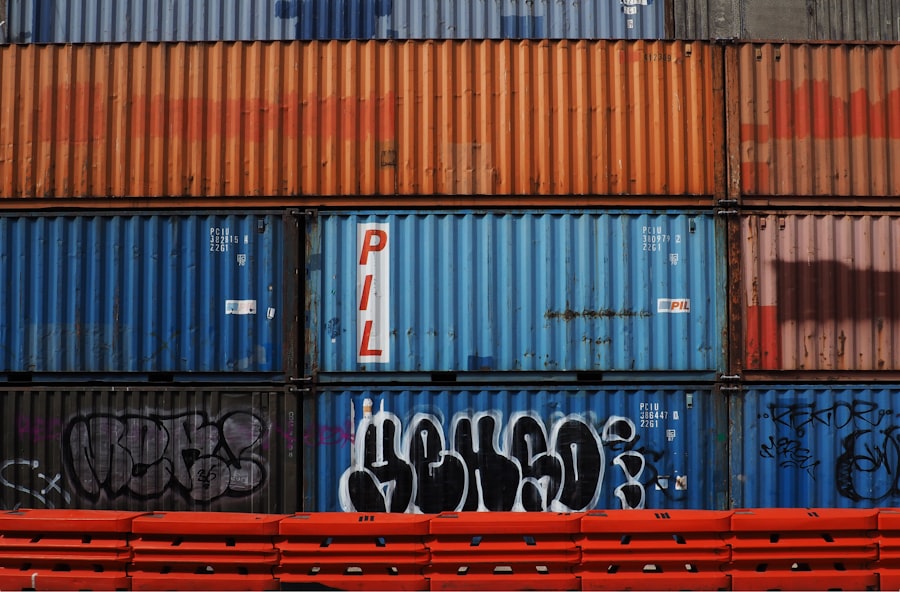
The growing scarcity of sand, coupled with its pervasive role, is creating significant vulnerabilities across global supply chains, portending economic instability and potential geopolitical friction. The smooth flow of goods and services, once taken for granted, is beginning to feel the friction of dwindling resources.
Rising Costs and Construction Delays: A Ripple Effect
As readily accessible sand diminishes, the costs of extraction, transportation, and processing inevitably rise. This increase translates directly into higher construction costs, making infrastructure projects and housing more expensive. Developers face delays due to shortages, pushing back project timelines and impacting profitability. This ripple effect extends to consumers, who ultimately bear the brunt of higher prices for homes and other goods.
Transportation Logistics and Energy Consumption: The Carbon Footprint
The declining availability of local sand necessitates longer transportation routes, often involving transnational shipping. This increased reliance on global logistics significantly boosts fossil fuel consumption and carbon emissions, contributing to climate change. The irony is that the very material crucial for adapting to climate change (e.g., seawalls, resilient infrastructure)
is extracted and transported in a way that exacerbates the problem. The logistical challenge grows as local sources dry up, forcing a global scavenger hunt for a heavier, bulkier commodity.
Geopolitical Dimensions: Resource Nationalism and Border Disputes
The scarcity of sand has begun to stir geopolitical tensions. Nations with abundant sand resources may impose export restrictions or duties, leading to resource nationalism. Border disputes over rivers and coastal areas become more pronounced as countries vie for access to dwindling reserves. The potential for sand wars, though perhaps hyperbolic, highlights the escalating stakes when a fundamental resource becomes contested. Historical examples of resource conflicts, such as those over oil and water, offer a stark warning.
The ongoing sand shortage has become a significant concern within the global supply chain crisis, impacting various industries from construction to technology. As demand for this essential resource continues to rise, many are looking for solutions to mitigate the effects of this scarcity. For a deeper understanding of how this issue is unfolding and its implications, you can read a related article that explores the complexities of the sand market and its critical role in modern infrastructure. Check it out here.
Towards a Sustainable Future: Solutions and Innovations
| Metric | Value | Unit | Notes |
|---|---|---|---|
| Global Sand Demand | 50 | Billion tons/year | Estimated annual global consumption |
| Sand Supply Deficit | 10-15 | Billion tons/year | Estimated shortfall due to overextraction and regulation |
| Construction Industry Impact | 30% | Increase in material costs | Attributed to sand scarcity and supply chain disruptions |
| Countries Most Affected | India, China, UAE, Singapore | — | High demand and regulatory restrictions |
| Illegal Sand Mining Incidents | Thousands/year | Cases reported | Contributing to environmental degradation and supply issues |
| Average Shipping Delay | 15-30 | Days | Due to supply chain bottlenecks and export restrictions |
| Alternative Materials Usage | 5-10% | Percentage of total sand demand | Includes recycled materials and manufactured sand |
Addressing the global sand crisis requires a multi-pronged approach, encompassing policy changes, technological innovations, and a fundamental shift in perception towards this vital resource. The urgency of the situation demands a proactive, rather than reactive, response.
Promoting Circular Economy Principles: Reduce, Reuse, Recycle
A cornerstone of sustainable resource management is the adoption of circular economy principles. This involves minimizing the demand for virgin sand through various strategies.
Recycling Construction and Demolition Waste: A New Source
Significant quantities of sand and aggregates can be recovered from construction and demolition waste. Concrete and asphalt can be crushed and reused as aggregate in new construction projects, effectively closing the loop. Investing in efficient recycling infrastructure and promoting the use of recycled materials through building codes and incentives is paramount. This can turn urban waste into a valuable resource, a veritable urban quarry.
Alternative Materials and Substitution: Engineering New Solutions
Research and development into alternative construction materials are crucial. Fly ash, slag, and industrial byproducts can substitute a portion of sand in concrete mixes. While not a complete replacement, these alternatives can significantly reduce the demand for virgin sand. Imagine buildings constructed with materials that are not merely substitutes but offer enhanced performance, further reducing reliance on traditional practices.
Stricter Regulation and Enforcement: Curtailing Illegal Mining
Robust regulatory frameworks and stringent enforcement are essential to combat illegal sand mining and ensure sustainable extraction practices. This includes establishing protected areas, implementing transparent licensing systems, and deploying technology like satellite imagery and drones to monitor mining activities. International cooperation is also vital to track and disrupt illicit trade networks. Without effective governance, the crisis will only deepen, a wild west of resource exploitation.
Investing in Research and Development: Unlocking Future Possibilities
Innovation holds the key to addressing long-term sand scarcity. This includes developing new technologies for more efficient extraction, processing, and recycling of aggregates. Furthermore, research into entirely novel construction materials that are less reliant on sand could revolutionize the industry. The scientific community, through sustained investment, can provide the compass for navigating this complex challenge.
Public Awareness and Consumer Behavior: Shifting Perceptions
Ultimately, a sustained shift in public awareness and consumer behavior is critical. Educating individuals about the importance of sand, the environmental consequences of its over-extraction, and the benefits of sustainable practices can foster a sense of shared responsibility. Consumers making informed choices about sustainable products and advocating for responsible policies can create a powerful impetus for change. The global citizenry must awaken to the silent crisis threatening the very foundations of their world.
The global sand shortage is not an abstract future problem; it is a present reality with tangible consequences for the economy, environment, and social equity. Like a patient under the insidious effects of an undiagnosed illness, the world is beginning to feel the symptoms of an unchecked appetite for an essential, yet finite, resource. Addressing this challenge requires a concerted global effort, a commitment to innovation, and a fundamental reassessment of humanity’s relationship with the natural world. Failure to act will not only jeopardize future development but also undermine the delicate ecological balance that sustains life on our planet. The sand beneath our feet, once taken for granted, is now a stark reminder of our collective responsibility to forge a more sustainable path.
WATCH THIS! 🏗️ SAND MINING MAFIA: The $70 Billion Crime Wave Destroying Rivers & Killing Journalists
FAQs
What is causing the global sand shortage?
The global sand shortage is primarily caused by increased demand for sand in construction, infrastructure development, and manufacturing, combined with unsustainable mining practices and environmental regulations limiting extraction.
Why is sand important in the global supply chain?
Sand is a critical raw material used in construction (concrete and asphalt), glass production, electronics, and land reclamation, making it essential for infrastructure projects and various industries worldwide.
Which industries are most affected by the sand shortage?
The construction industry is the most affected, as sand is a key ingredient in concrete and asphalt. Other impacted sectors include glass manufacturing, electronics, and coastal development projects.
How does sand shortage impact the environment?
Excessive sand mining can lead to habitat destruction, erosion, loss of biodiversity, and changes in river and coastal ecosystems, contributing to environmental degradation.
Are there any alternatives to natural sand?
Yes, alternatives include manufactured sand (crushed rock), recycled construction materials, and industrial by-products like slag. However, these alternatives may have limitations in availability, cost, or performance.
What regions are most affected by sand scarcity?
Regions with rapid urbanization and infrastructure growth, such as parts of Asia, the Middle East, and Africa, face significant sand shortages. Some countries have also imposed export restrictions, affecting global supply.
How does the sand shortage contribute to the global supply chain crisis?
Sand shortages disrupt construction timelines, increase material costs, and cause delays in infrastructure projects, which in turn affect related industries and overall economic activities, exacerbating supply chain challenges.
What measures are being taken to address the sand shortage?
Measures include promoting sustainable mining practices, developing alternative materials, recycling construction waste, enforcing regulations to prevent illegal mining, and encouraging research into innovative substitutes.
Is sand mining regulated internationally?
Sand mining regulations vary by country, with some nations implementing strict controls to prevent environmental damage and illegal extraction, but there is no comprehensive international regulatory framework specifically for sand mining.
Can the sand shortage be resolved in the near future?
Resolving the sand shortage requires coordinated efforts in sustainable resource management, technological innovation, and policy enforcement. While progress is being made, it remains a complex issue linked to global development trends.