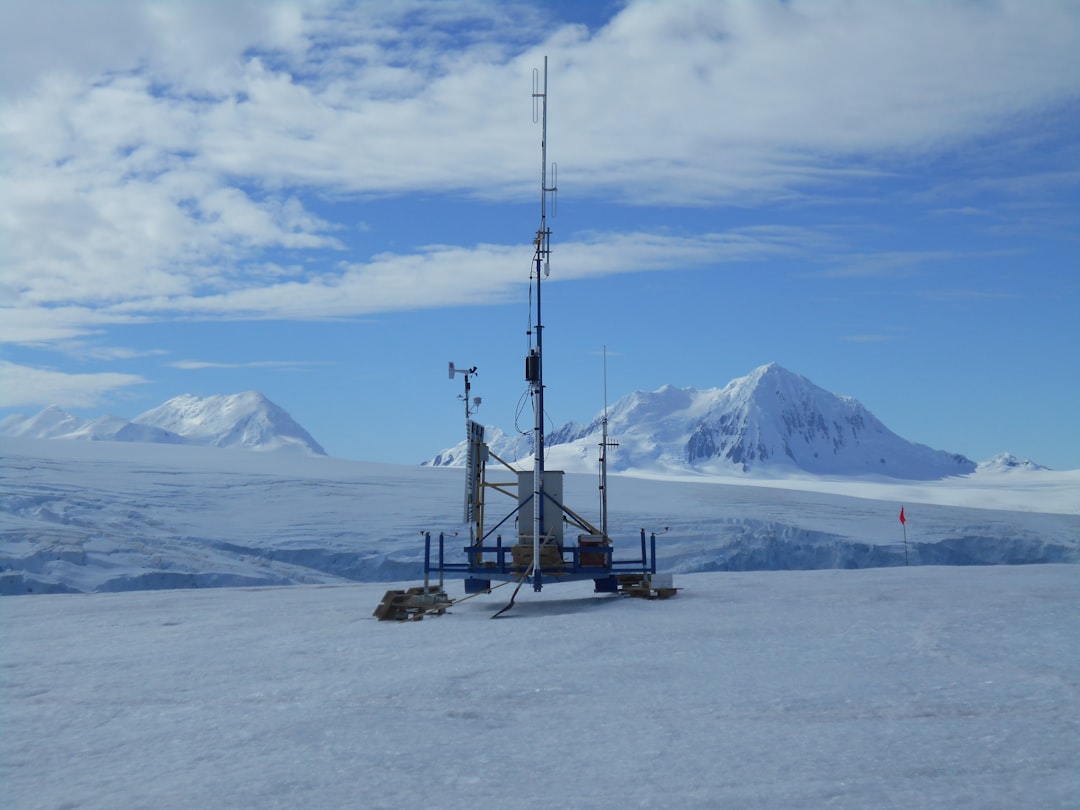
Satellite ground stations function as essential communication infrastructure between orbiting satellites and the data they transmit. These facilities contain antennas and communication equipment designed to send and receive signals from satellites. Ground stations support numerous applications, including telecommunications, weather forecasting, and environmental monitoring.
As demand for real-time data has increased, these stations have become increasingly important, particularly in remote and difficult locations such as Antarctica. Antarctica presents significant research challenges due to its extensive ice sheets and distinctive ecosystems. The severe climate and isolated location make conventional data collection methods impractical or unfeasible.
Satellite ground stations have become indispensable for observing Antarctica, delivering essential information for climate science, wildlife conservation, and global weather pattern analysis. The combination of satellite technology with ground-based operations has transformed scientific research methodologies in this extreme environment.
Key Takeaways
- Satellite ground stations are crucial for continuous monitoring of the Antarctic environment and climate.
- They face unique challenges due to extreme weather and remote location in Antarctica.
- Advanced technology and specialized equipment enable effective data collection and analysis from Antarctic satellites.
- Collaborations between international organizations enhance the capabilities and reach of Antarctic satellite monitoring.
- Future advancements in satellite ground stations will significantly boost scientific research and environmental monitoring in Antarctica.
Importance of Monitoring Antarctic
Monitoring Antarctica is crucial for several reasons, primarily due to its role in the global climate system. The continent acts as a significant indicator of climate change, with its ice sheets holding vast amounts of freshwater. As temperatures rise, the melting of these ice sheets contributes to rising sea levels, which can have catastrophic effects on coastal communities worldwide.
Understanding the dynamics of ice melt and its implications is essential for predicting future climate scenarios. Moreover, Antarctica is home to unique ecosystems that are sensitive to environmental changes. The region supports a variety of wildlife, including penguins, seals, and numerous seabird species.
Monitoring these populations is vital for conservation efforts and understanding how climate change impacts biodiversity. By studying the interactions between climate variables and biological responses, researchers can develop strategies to protect these vulnerable species and their habitats. The treacherous waters of the Drake Passage are known for their unpredictable weather and challenging navigation.
Role of Satellite Ground Stations in Monitoring Antarctic
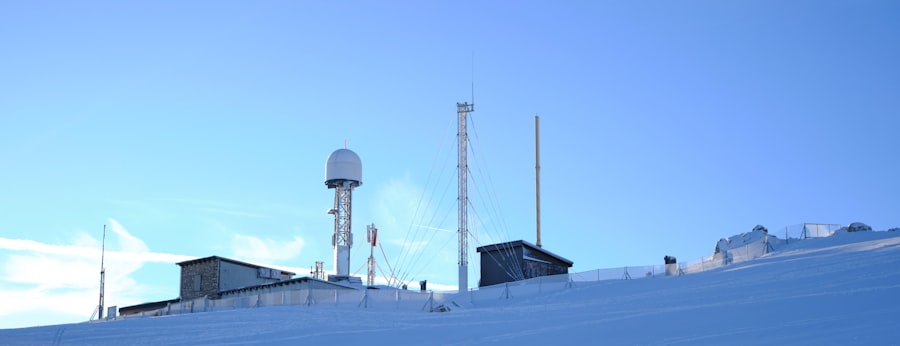
Satellite ground stations play a fundamental role in the monitoring of Antarctica by facilitating the collection and dissemination of data from various satellite missions. These stations receive signals from satellites equipped with remote sensing instruments that capture images and data on ice cover, temperature fluctuations, and atmospheric conditions. The information gathered is crucial for creating accurate models that predict future changes in the Antarctic environment.
In addition to receiving data, ground stations also transmit commands to satellites, ensuring that they operate effectively and collect the necessary information. This two-way communication is vital for maintaining the functionality of satellite missions dedicated to Antarctic research. By providing real-time data access, satellite ground stations enable scientists to make informed decisions and respond promptly to emerging environmental issues.
Challenges of Monitoring Antarctic via Satellite Ground Stations
Despite their importance, monitoring Antarctica through satellite ground stations is fraught with challenges. One significant issue is the extreme weather conditions prevalent in the region. Harsh winds, heavy snowfall, and low temperatures can disrupt satellite communications and hinder data transmission.
Ground stations must be equipped with robust technology capable of withstanding these conditions to ensure continuous operation. Another challenge lies in the remoteness of Antarctica itself. The continent’s isolation makes it difficult to establish and maintain ground stations in strategic locations.
Logistics for transporting equipment and personnel can be complex and costly, often requiring extensive planning and coordination. Additionally, the limited availability of power sources in such remote areas poses further obstacles to the establishment of reliable monitoring systems.
Technology and Equipment used in Satellite Ground Stations for Monitoring Antarctic
| Ground Station | Location | Frequency Bands | Data Throughput (Mbps) | Operational Since | Primary Satellite Supported | Monitoring Focus |
|---|---|---|---|---|---|---|
| McMurdo Station Ground Terminal | McMurdo, Antarctica | S, X, Ka | 150 | 2005 | NOAA Polar Orbiters | Weather and Climate Data |
| Amundsen-Scott South Pole Station | South Pole, Antarctica | X, Ka | 100 | 2010 | NASA Earth Observing Satellites | Atmospheric and Ice Monitoring |
| Palmer Station Ground Station | Palmer, Antarctica | S, X | 80 | 2012 | ESA Sentinel Satellites | Ocean and Ice Shelf Monitoring |
| Casey Station Ground Terminal | Casey, Antarctica | X, Ka | 120 | 2015 | JAXA GCOM Satellites | Environmental and Ice Sheet Data |
| Davis Station Ground Station | Davis, Antarctica | S, X | 90 | 2013 | NOAA and NASA Satellites | Climate and Weather Monitoring |
The technology employed in satellite ground stations is continually evolving to meet the demands of modern research. Antennas are a critical component, with many ground stations utilizing large parabolic dishes capable of tracking satellites as they move across the sky. These antennas must be highly sensitive to capture weak signals from distant satellites while also being robust enough to endure harsh Antarctic conditions.
In addition to antennas, ground stations are equipped with advanced processing systems that analyze incoming data in real time. These systems utilize sophisticated software algorithms to interpret satellite signals and convert them into usable information for researchers. Furthermore, satellite ground stations often incorporate backup systems and redundancies to ensure continuous operation despite potential equipment failures or adverse weather conditions.
Data Collection and Analysis from Satellite Ground Stations in Antarctic
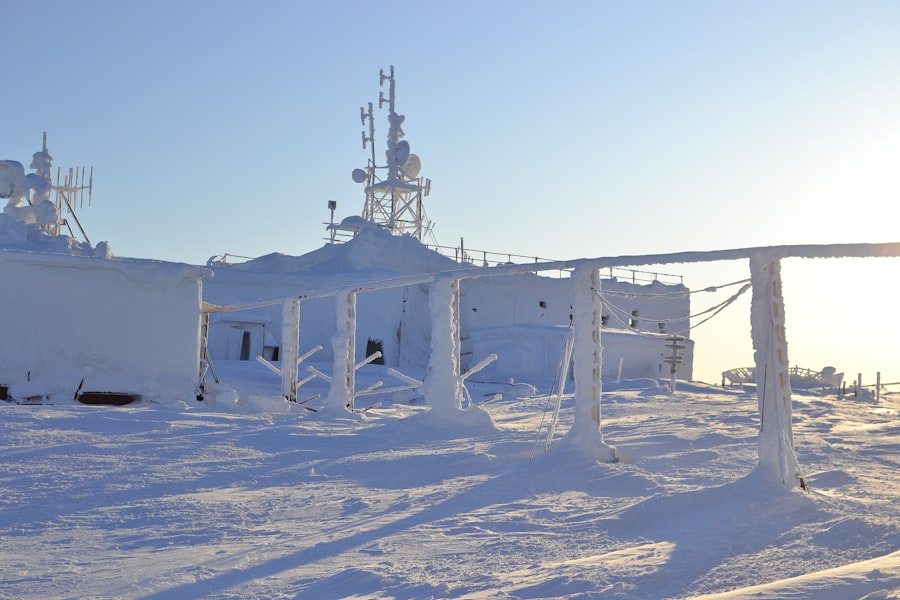
Data collection from satellite ground stations in Antarctica involves a multi-faceted approach that combines various types of information. Remote sensing satellites capture images that reveal changes in ice cover, glacial movement, and surface temperatures. This visual data is complemented by atmospheric measurements that provide insights into weather patterns and climatic shifts.
Once collected, the data undergoes rigorous analysis to extract meaningful insights. Researchers employ statistical models and machine learning techniques to identify trends and correlations within the data sets. This analysis is crucial for understanding the complex interactions between climate variables and their impact on the Antarctic environment.
By synthesizing data from multiple sources, scientists can develop comprehensive models that enhance predictions about future changes in this critical region.
Collaborations and Partnerships in Satellite Ground Stations for Monitoring Antarctic
Collaboration is key to successful monitoring efforts in Antarctica, particularly when it comes to satellite ground stations. Various international organizations, research institutions, and governmental agencies work together to share resources, expertise, and data. This collaborative approach enhances the effectiveness of monitoring initiatives by pooling knowledge and technology from diverse fields.
Partnerships often extend beyond national borders, with countries around the world contributing to Antarctic research efforts. For instance, joint missions may involve multiple nations operating ground stations that communicate with a shared set of satellites. This cooperative framework not only maximizes resource efficiency but also fosters a spirit of global stewardship over one of the planet’s most fragile environments.
Future Developments and Advancements in Satellite Ground Stations for Monitoring Antarctic
The future of satellite ground stations in monitoring Antarctica looks promising as advancements in technology continue to emerge.
These developments could lead to an increase in the frequency and accuracy of observations from Antarctica.
Moreover, advancements in artificial intelligence (AI) are transforming how data is processed and analyzed. AI algorithms can quickly identify patterns within vast datasets, enabling researchers to make more informed decisions based on real-time information. As these technologies evolve, satellite ground stations will become even more integral to understanding the complexities of Antarctica’s changing environment.
Environmental and Climate Monitoring through Satellite Ground Stations in Antarctic
Environmental monitoring through satellite ground stations is essential for understanding the impacts of climate change on Antarctica’s ecosystems. By tracking changes in ice thickness, sea ice extent, and temperature variations, researchers can assess how these factors influence local wildlife populations and global sea levels. Additionally, satellite ground stations facilitate long-term monitoring efforts that are crucial for identifying trends over time.
Continuous data collection allows scientists to establish baselines against which future changes can be measured. This long-term perspective is vital for developing effective conservation strategies and informing policy decisions related to climate action.
Impact of Satellite Ground Stations on Research and Scientific Discoveries in Antarctic
The impact of satellite ground stations on research in Antarctica cannot be overstated. These facilities have revolutionized how scientists gather information about this remote region, enabling groundbreaking discoveries that were previously unattainable through traditional methods. For instance, satellite data has revealed significant changes in ice dynamics that have profound implications for global sea level rise.
Furthermore, satellite ground stations have facilitated interdisciplinary research by providing a wealth of data that can be utilized across various scientific fields. From glaciology to marine biology, researchers can access comprehensive datasets that enhance their understanding of complex interactions within the Antarctic ecosystem. This collaborative approach fosters innovation and drives scientific progress in addressing pressing environmental challenges.
The Future of Satellite Ground Stations in Monitoring Antarctic
As the world grapples with the realities of climate change, the role of satellite ground stations in monitoring Antarctica will only become more critical. These facilities provide invaluable insights into one of the planet’s most sensitive regions, helping scientists understand the implications of environmental changes on a global scale. With ongoing advancements in technology and increased collaboration among international partners, satellite ground stations are poised to enhance our understanding of Antarctica’s complex systems.
Looking ahead, it is essential for governments, research institutions, and private entities to invest in the development and maintenance of satellite ground stations dedicated to Antarctic monitoring. By prioritizing these efforts, society can ensure that it remains equipped with the knowledge necessary to address environmental challenges effectively while safeguarding one of Earth’s last frontiers for future generations.
Satellite ground stations play a crucial role in monitoring environmental changes in Antarctica, providing valuable data for climate research and wildlife conservation. For further insights into the significance of satellite technology in remote regions, you can read more in this related article: Satellite Technology and Environmental Monitoring.
WATCH THIS! 🚢 The Red Sea is burning. Panama is drying up. And the Drake Passage
FAQs
What is a satellite ground station?
A satellite ground station is a terrestrial facility equipped with antennas and communication equipment to receive and transmit signals to and from satellites in orbit. These stations enable data exchange, control, and monitoring of satellites.
Why are satellite ground stations important for Antarctic monitoring?
Satellite ground stations in Antarctica are crucial for collecting data related to climate, weather, ice conditions, and environmental changes. They facilitate real-time communication with satellites that monitor the continent’s remote and harsh environment, supporting scientific research and environmental protection.
What types of data are collected through Antarctic satellite ground stations?
Data collected include satellite imagery, atmospheric measurements, ice sheet thickness, sea ice extent, temperature variations, and other environmental parameters essential for understanding climate change and ecosystem dynamics in Antarctica.
Where are Antarctic satellite ground stations typically located?
These ground stations are usually situated at research bases or strategic locations on the Antarctic continent where they can maintain clear communication with satellites and withstand extreme weather conditions.
How do satellite ground stations operate in the extreme Antarctic environment?
Ground stations in Antarctica are designed with robust, weather-resistant equipment and often operate autonomously or with minimal human intervention. They use specialized technology to maintain reliable communication despite low temperatures, high winds, and ice accumulation.
What role do satellite ground stations play in global climate research?
By providing continuous and accurate data from Antarctica, satellite ground stations contribute to global climate models, help track changes in polar ice, and improve understanding of global sea-level rise and climate patterns.
Are there international collaborations involved in Antarctic satellite monitoring?
Yes, many countries collaborate on Antarctic satellite monitoring through shared ground stations, data exchange, and joint research projects to enhance scientific knowledge and environmental stewardship of the continent.
Can satellite ground stations in Antarctica support other satellite missions?
Yes, these stations can support various satellite missions beyond environmental monitoring, including communications, navigation, and scientific experiments, depending on their equipment and mission objectives.
What challenges do satellite ground stations face in Antarctica?
Challenges include extreme cold, limited accessibility, power supply issues, equipment maintenance difficulties, and the need for autonomous operation during harsh weather or isolation periods.
How is data from Antarctic satellite ground stations used by scientists?
Scientists analyze the data to monitor environmental changes, validate climate models, study ecosystems, predict weather patterns, and inform policy decisions related to climate change and conservation efforts.