Saudi Arabia, a nation renowned for its vast oil reserves and economic clout in the Middle East, has increasingly recognized the importance of diversifying its currency reserves. Historically, the Saudi riyal has been closely tied to the U.S. dollar, a relationship that has provided stability but also exposed the kingdom to vulnerabilities associated with fluctuations in the dollar’s value.
As global economic dynamics shift and new financial challenges emerge, Saudi Arabia is taking proactive steps to broaden its currency portfolio. This diversification is not merely a financial strategy; it reflects a broader vision for economic resilience and sustainability in an ever-evolving global landscape. The impetus for this diversification stems from several factors, including the need to mitigate risks associated with over-reliance on a single currency and to enhance the kingdom’s economic sovereignty.
By exploring alternative currencies and investment avenues, Saudi Arabia aims to bolster its financial stability and reduce its exposure to external shocks. This strategic pivot is particularly relevant in light of the kingdom’s Vision 2030 initiative, which seeks to transform the economy by reducing dependence on oil revenues and fostering a more diversified economic base.
Key Takeaways
- Saudi Arabia is actively working to diversify its currency reserves to reduce reliance on a single currency.
- Diversifying currency reserves enhances financial stability and mitigates risks associated with currency fluctuations.
- The Saudi Arabian Monetary Authority plays a key role in managing and implementing currency diversification strategies.
- Collaboration with international financial institutions supports Saudi Arabia’s efforts in effective currency diversification.
- Successful diversification offers significant economic benefits and strengthens the country’s long-term financial resilience.
The Importance of Diversifying Currency Reserves
Diversifying currency reserves is a critical component of sound financial management for any nation, particularly for one as economically significant as Saudi Arabia. A diversified currency portfolio can help mitigate risks associated with currency fluctuations, inflation, and geopolitical tensions. By holding a variety of currencies, Saudi Arabia can better manage its foreign exchange exposure and protect its assets from potential devaluation.
Moreover, diversification can lead to improved returns on investments. Different currencies often perform differently under varying economic conditions, and by spreading investments across multiple currencies, Saudi Arabia can capitalize on opportunities that arise in different markets.
This strategy allows the kingdom to optimize its foreign reserves while also positioning itself as a more attractive destination for foreign investment. In an increasingly interconnected world, the ability to navigate multiple currencies effectively can provide a competitive edge in global markets.
Saudi Arabia’s Efforts in Diversifying Currency Reserves
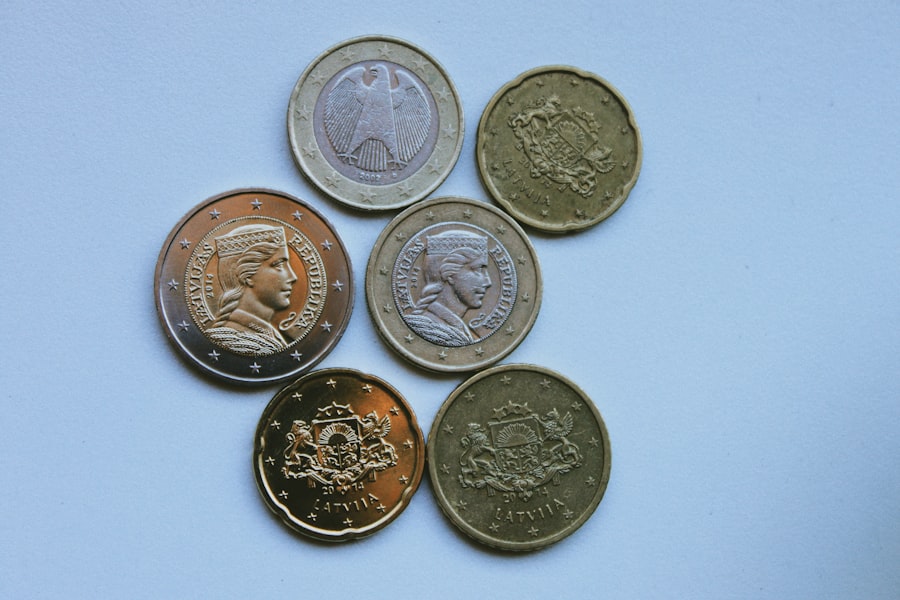
In recent years, Saudi Arabia has undertaken significant efforts to diversify its currency reserves. The Saudi Arabian Monetary Authority (SAMA) has been at the forefront of these initiatives, exploring various avenues to expand the kingdom’s foreign exchange holdings. This includes increasing investments in currencies such as the euro, British pound, and Japanese yen, among others.
By broadening its currency base, Saudi Arabia aims to reduce its dependence on the U.S. dollar and enhance its overall financial resilience. Additionally, the kingdom has been actively engaging with international financial markets to identify new opportunities for investment.
This includes participating in foreign exchange markets and exploring partnerships with other nations to facilitate currency swaps and bilateral trade agreements. Such initiatives not only diversify reserves but also strengthen diplomatic ties and foster economic cooperation with other countries. As Saudi Arabia continues to navigate the complexities of global finance, its commitment to diversifying currency reserves remains a key priority.
Impact of Currency Diversification on Financial Stability
The impact of currency diversification on financial stability cannot be overstated. By reducing reliance on a single currency, Saudi Arabia can better insulate itself from external shocks that may arise from fluctuations in that currency’s value. This is particularly important given the volatility often associated with global markets and geopolitical tensions.
A diversified currency portfolio allows the kingdom to maintain a more stable economic environment, which is essential for fostering investor confidence and promoting sustainable growth. Furthermore, currency diversification can enhance liquidity in times of crisis. In situations where one currency may be experiencing significant depreciation or instability, having reserves in other currencies can provide a buffer against potential losses.
This liquidity can be crucial for maintaining essential services and supporting economic activity during challenging times. As such, Saudi Arabia’s efforts to diversify its currency reserves are not only prudent but also essential for ensuring long-term financial stability.
Challenges and Risks in Currency Diversification
| Year | Currency | Percentage of Reserves (%) | Notes |
|---|---|---|---|
| 2020 | US Dollar | 65 | Majority of reserves held in USD |
| 2020 | Euro | 20 | Second largest reserve currency |
| 2020 | Japanese Yen | 5 | Part of diversification strategy |
| 2020 | Chinese Yuan | 5 | Increasing presence in reserves |
| 2020 | Other Currencies | 5 | Includes GBP, CHF, and others |
| 2023 | US Dollar | 55 | Reduced share to diversify risk |
| 2023 | Euro | 22 | Stable share in reserves |
| 2023 | Chinese Yuan | 10 | Increased allocation reflecting trade ties |
| 2023 | Japanese Yen | 6 | Moderate increase in holdings |
| 2023 | Other Currencies | 7 | Expanded to include emerging market currencies |
Despite the clear benefits of currency diversification, there are also challenges and risks that Saudi Arabia must navigate. One significant challenge is the complexity of managing a diversified portfolio of currencies. Each currency comes with its own set of risks, including exchange rate volatility, interest rate fluctuations, and geopolitical factors that can impact value.
Effectively managing these risks requires sophisticated financial expertise and robust risk management strategies. Additionally, there is the potential for increased costs associated with currency diversification. Engaging in foreign exchange transactions can incur fees and require ongoing monitoring of market conditions.
Furthermore, if not managed carefully, diversification efforts could lead to suboptimal investment decisions that may not yield the desired returns. As Saudi Arabia embarks on this journey of diversification, it must remain vigilant in addressing these challenges while capitalizing on the opportunities that arise.
Strategies for Successful Currency Diversification
To achieve successful currency diversification, Saudi Arabia must implement well-defined strategies that align with its broader economic goals. One effective approach is to establish clear guidelines for asset allocation across different currencies based on risk tolerance and market conditions. This involves conducting thorough analyses of potential currencies to determine their suitability for inclusion in the reserve portfolio.
Another key strategy is to leverage technology and data analytics to enhance decision-making processes related to currency management. By utilizing advanced analytical tools, Saudi Arabia can gain insights into market trends and make informed decisions regarding currency investments. Additionally, fostering partnerships with financial institutions that specialize in foreign exchange can provide valuable expertise and resources to support diversification efforts.
The Role of the Saudi Arabian Monetary Authority in Currency Diversification
The Saudi Arabian Monetary Authority (SAMA) plays a pivotal role in the kingdom’s currency diversification efforts. As the central bank of Saudi Arabia, SAMA is responsible for managing the country’s monetary policy and foreign exchange reserves. Its mandate includes ensuring the stability of the national currency while also promoting economic growth through effective reserve management.
SAMA’s proactive approach to diversification involves continuous monitoring of global economic trends and assessing potential risks associated with various currencies. By staying informed about market developments, SAMA can make timely adjustments to the reserve portfolio as needed. Furthermore, SAMA’s collaboration with international financial institutions enhances its capacity to implement best practices in currency management and leverage global expertise.
Collaboration with International Financial Institutions in Currency Diversification
Collaboration with international financial institutions is essential for Saudi Arabia as it seeks to diversify its currency reserves effectively. Engaging with organizations such as the International Monetary Fund (IMF) and World Bank can provide valuable insights into global economic trends and best practices in reserve management. These partnerships can also facilitate access to technical assistance and capacity-building programs that enhance SAMA’s capabilities in managing a diversified portfolio.
Moreover, such collaborations can foster greater transparency and accountability in Saudi Arabia’s financial practices. By aligning with international standards, the kingdom can strengthen its reputation as a reliable player in global finance, attracting foreign investment and enhancing economic stability. As Saudi Arabia continues to navigate the complexities of currency diversification, these partnerships will be instrumental in achieving its objectives.
Economic Benefits of Currency Diversification for Saudi Arabia
The economic benefits of currency diversification for Saudi Arabia are manifold. Firstly, by reducing reliance on a single currency, the kingdom can enhance its overall economic resilience against external shocks. This resilience is crucial for maintaining investor confidence and ensuring stable economic growth in an increasingly volatile global environment.
Additionally, diversifying currency reserves can lead to improved returns on investments as different currencies may perform differently under varying economic conditions. This optimization of foreign reserves not only strengthens the kingdom’s financial position but also provides greater flexibility in international trade transactions. Ultimately, these benefits contribute to a more robust economy capable of weathering challenges while seizing new opportunities for growth.
Future Outlook for Saudi Arabia’s Currency Diversification
Looking ahead, the future outlook for Saudi Arabia’s currency diversification appears promising yet complex. As global economic dynamics continue to evolve, the kingdom will need to remain agile in adapting its strategies to meet emerging challenges and opportunities. The ongoing shift towards digital currencies and advancements in fintech may also influence how Saudi Arabia approaches currency diversification in the coming years.
Furthermore, as geopolitical tensions persist and trade relationships evolve, maintaining a diversified currency portfolio will be essential for safeguarding national interests. By continuing to prioritize diversification efforts and leveraging international partnerships, Saudi Arabia can position itself as a resilient player in the global economy while enhancing its financial stability.
The Role of Currency Diversification in Strengthening Financial Stability in Saudi Arabia
In conclusion, currency diversification plays a vital role in strengthening financial stability in Saudi Arabia.
S. dollar, the kingdom enhances its resilience against external shocks while optimizing returns on investments.
The proactive efforts undertaken by SAMA and collaboration with international financial institutions underscore the importance of sound financial management practices. As Saudi Arabia navigates an increasingly complex global landscape, its commitment to diversifying currency reserves will be instrumental in achieving long-term economic sustainability and growth. Ultimately, this strategic approach not only fortifies the kingdom’s financial position but also contributes to a more stable and prosperous future for its citizens.
Saudi Arabia is actively pursuing currency diversification as part of its broader economic strategy to reduce dependence on oil revenues and enhance financial stability. This initiative is crucial for the Kingdom’s Vision 2030 plan, which aims to transform the economy and attract foreign investment. For more insights on this topic, you can read a related article on the subject at Real Lore and Order.
WATCH THIS! 🚨 The Secret Deal That Will Break America
FAQs
What is currency diversification in the context of Saudi Arabia?
Currency diversification refers to Saudi Arabia’s strategy to reduce its reliance on a single foreign currency, primarily the US dollar, by holding and using a variety of international currencies in its reserves and trade transactions.
Why is Saudi Arabia pursuing currency diversification?
Saudi Arabia aims to mitigate risks associated with dependence on the US dollar, enhance financial stability, and strengthen its economic resilience by diversifying its currency holdings and trade invoicing.
How does currency diversification benefit Saudi Arabia’s economy?
Diversification helps protect the economy from exchange rate volatility, reduces exposure to geopolitical risks tied to a single currency, and can improve Saudi Arabia’s bargaining power in international trade and finance.
What currencies is Saudi Arabia considering for diversification?
Saudi Arabia is exploring diversification into major global currencies such as the euro, Chinese yuan (renminbi), Japanese yen, and possibly other currencies used in international trade and finance.
How does currency diversification affect Saudi Arabia’s oil exports?
Currency diversification may lead Saudi Arabia to price some of its oil exports in currencies other than the US dollar, which could impact global oil markets and the traditional petrodollar system.
Is Saudi Arabia’s currency diversification linked to its Vision 2030 plan?
Yes, currency diversification aligns with Saudi Arabia’s Vision 2030 economic reform plan, which seeks to modernize the economy, reduce oil dependency, and enhance financial sector development.
What challenges does Saudi Arabia face in implementing currency diversification?
Challenges include managing exchange rate risks, ensuring liquidity in alternative currencies, maintaining investor confidence, and navigating complex international financial systems.
Has Saudi Arabia made any official announcements about currency diversification?
Saudi Arabian officials and financial authorities have indicated interest in currency diversification through public statements and policy measures, though specific implementation details continue to evolve.
How might currency diversification impact global financial markets?
Saudi Arabia’s move toward currency diversification could influence global currency demand, affect exchange rates, and potentially encourage other countries to diversify their currency reserves and trade invoicing.
Does currency diversification mean Saudi Arabia will abandon the US dollar?
No, currency diversification does not necessarily mean abandoning the US dollar entirely; rather, it involves reducing over-reliance on a single currency by incorporating multiple currencies into reserves and transactions.