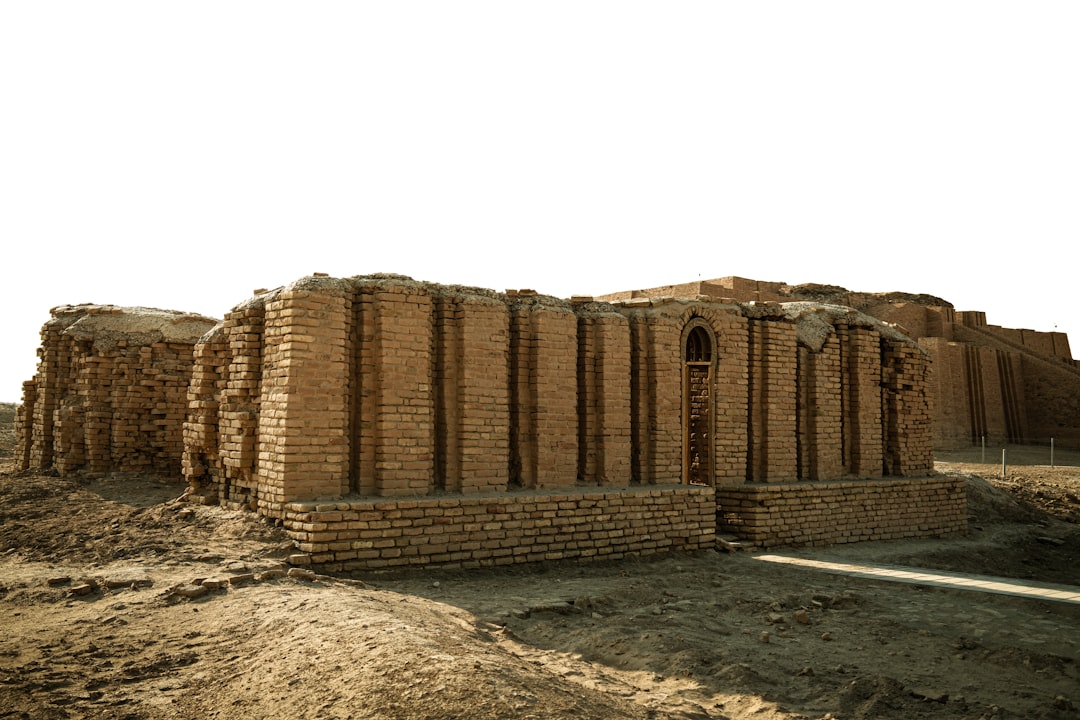
When you think of ancient engineering, what comes to mind? Perhaps you envision monumental structures that have withstood the test of time, or intricate designs that showcase the ingenuity of civilizations long gone. Ancient engineering is not merely a testament to the skills of our ancestors; it is a window into their lives, their beliefs, and their understanding of the world around them.
From the towering pyramids of Egypt to the sophisticated aqueducts of Rome, these feats of engineering reveal a deep connection between humanity and the environment, as well as a relentless pursuit of innovation. As you delve into the world of ancient engineering, you will discover that it is characterized by a blend of creativity, practicality, and an understanding of materials that was far ahead of its time. The structures built by ancient civilizations were not only functional but also served as symbols of power, religious devotion, and cultural identity.
By examining these remarkable achievements, you can gain insights into the technological advancements of the past and how they laid the groundwork for modern engineering practices.
Key Takeaways
- Ancient civilizations achieved remarkable engineering feats that continue to inspire modern construction.
- The Great Pyramids, Machu Picchu, and the Roman Colosseum showcase advanced architectural and engineering skills.
- Defensive and infrastructural projects like the Great Wall of China and Roman aqueducts highlight strategic engineering.
- Iconic structures such as the Parthenon and the Lighthouse of Alexandria demonstrate innovation in design and functionality.
- Studying ancient engineering provides valuable lessons for sustainability, durability, and ingenuity in contemporary building.
The Great Pyramids of Giza: Marvels of Ancient Engineering
The Great Pyramids of Giza stand as a monumental testament to the engineering prowess of ancient Egypt. Constructed around 2580–2560 BC, these iconic structures were built as tombs for pharaohs and are among the most recognizable symbols of ancient civilization. As you gaze upon the pyramids, you cannot help but marvel at the precision with which they were constructed.
The Great Pyramid, in particular, was originally 146.6 meters tall and comprised approximately 2.3 million blocks of stone, each weighing between 2.5 to 15 tons. The sheer scale and complexity of this undertaking are awe-inspiring. What makes the construction of the pyramids even more remarkable is the fact that they were built without modern machinery.
You might wonder how thousands of laborers managed to transport and position such massive stones with only rudimentary tools. Theories abound regarding the methods used, from ramps to levers, but what remains clear is that the ancient Egyptians possessed an advanced understanding of geometry and physics. Their ability to align the pyramids with incredible accuracy to the cardinal points further demonstrates their sophisticated knowledge and skills.
The Inca’s Machu Picchu: Engineering Feats in the Andes
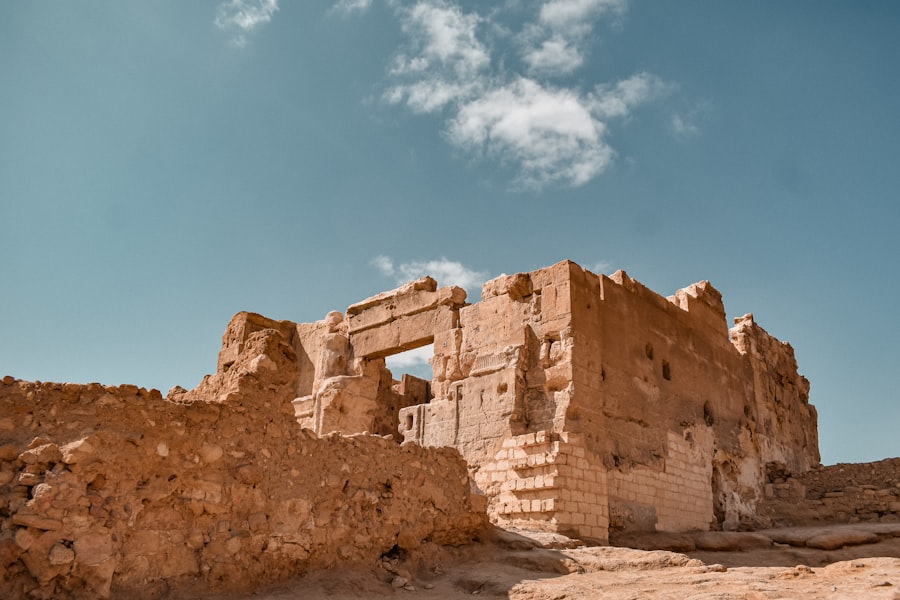
Nestled high in the Andes Mountains, Machu Picchu is another extraordinary example of ancient engineering that continues to captivate visitors from around the world. Built in the 15th century by the Inca Empire, this citadel showcases not only architectural brilliance but also an impressive understanding of its mountainous environment. As you explore its terraced fields and stone structures, you can appreciate how the Incas adapted their engineering techniques to suit the challenging terrain.
One of the most striking features of Machu Picchu is its terracing system, which allowed for effective agriculture on steep slopes. You may find it fascinating that these terraces were designed to prevent soil erosion while maximizing arable land. The Incas also developed an intricate water management system that included aqueducts and fountains, ensuring a reliable water supply for both agricultural and domestic use.
This harmonious relationship with nature exemplifies how ancient civilizations utilized engineering not just for construction but also for sustainable living.
The Roman Colosseum: Masterpiece of Ancient Architecture
As you step into the Colosseum in Rome, you are transported back to a time when gladiators fought for glory and emperors entertained thousands. This iconic amphitheater, completed in AD 80, is a marvel of ancient engineering that reflects the grandeur of Roman architecture. With a capacity to hold up to 80,000 spectators, the Colosseum was designed with a keen understanding of crowd dynamics and acoustics, ensuring that every spectator could witness the events unfolding before them.
The construction techniques employed in building the Colosseum are equally impressive. You might be intrigued to learn that it was primarily constructed using concrete and stone, materials that allowed for both durability and flexibility in design. The use of arches and vaults not only provided structural integrity but also created an aesthetically pleasing appearance.
As you admire its grandeur, consider how this architectural masterpiece has influenced modern stadium design and continues to inspire architects today.
The Hanging Gardens of Babylon: Engineering Wonders of the Ancient World
| Structure | Location | Estimated Age | Construction Technique | Notable Feature | Possible Tools/Methods |
|---|---|---|---|---|---|
| Great Pyramid of Giza | Egypt | ~4,500 years | Layered limestone blocks | Precision alignment with cardinal points | Ramps, levers, copper tools, skilled labor |
| Machu Picchu | Peru | ~600 years | Dry-stone wall construction | Seismic-resistant stone fitting | Stone cutting, trial fitting, no mortar |
| Stonehenge | England | ~4,500 years | Post and lintel megaliths | Transport of massive stones over long distances | Wooden sledges, rollers, manpower |
| Angkor Wat | Cambodia | ~900 years | Sandstone blocks with intricate carvings | Complex water management system | Stone carving tools, canals, hydraulic engineering |
| Petra | Jordan | ~2,000 years | Rock-cut architecture | Facades carved directly into cliffs | Chisels, hammers, scaffolding |
Although their existence remains a topic of debate among historians, the Hanging Gardens of Babylon are often cited as one of the Seven Wonders of the Ancient World.
Imagine lush greenery cascading down terraces adorned with vibrant flowers—an oasis in a desert landscape.
The engineering behind such a marvel would have required innovative solutions to transport water from the Euphrates River to the elevated gardens. You might envision complex systems of pumps or aqueducts that would have been necessary to maintain this verdant paradise. Whether real or mythical, the Hanging Gardens symbolize humanity’s desire to create beauty and harmony within nature, reflecting an enduring quest for balance between civilization and the environment.
The Great Wall of China: Ancient Engineering for Defense
Stretching over 13,000 miles across northern China, the Great Wall is one of history’s most ambitious engineering projects. Originally built to protect against invasions from nomadic tribes, this monumental structure showcases not only military strategy but also remarkable construction techniques. As you walk along its winding paths, you can appreciate how it was built using local materials such as earth, wood, bricks, and stone—each chosen for its availability and suitability for different regions.
The wall’s design is equally impressive; it features watchtowers and fortresses strategically placed along its length for surveillance and defense purposes. You may find it fascinating that construction took place over several dynasties, with each adding their own enhancements and modifications based on evolving military needs. The Great Wall stands as a testament to human determination and ingenuity in overcoming geographical challenges while safeguarding a civilization.
The Parthenon: Architectural Triumph of Ancient Greece
The Parthenon in Athens is often regarded as one of the finest examples of classical architecture. Dedicated to the goddess Athena, this temple was constructed between 447 and 432 BC and embodies the ideals of beauty and harmony that defined ancient Greek culture. As you admire its Doric columns and intricate sculptures, you can see how every detail was meticulously crafted to create a sense of balance and proportion.
What sets the Parthenon apart is not just its aesthetic appeal but also its innovative engineering techniques. You might be intrigued by how slight curvature in its columns—known as entasis—was employed to counteract optical illusions that would make straight lines appear curved from a distance. This attention to detail reflects a deep understanding of geometry and visual perception that was revolutionary for its time.
The Parthenon remains an enduring symbol of democracy and artistic achievement, influencing countless structures throughout history.
The Moai of Easter Island: Mysterious Engineering Marvels
The Moai statues on Easter Island are enigmatic creations that continue to baffle researchers and visitors alike. Carved from volcanic tuff between 1400 and 1650 AD, these massive stone figures represent ancestral figures and are believed to hold spiritual significance for the Rapa Nui people. As you stand before these towering statues, you may ponder how such colossal works were transported across rugged terrain without modern machinery.
Theories abound regarding their movement; some suggest that they were “walked” into place using a sophisticated system of ropes and coordination among teams of workers.
The Moai serve as a reminder of humanity’s capacity for creativity and determination in overcoming challenges—qualities that resonate even today.
The Lighthouse of Alexandria: Ancient Engineering for Navigation
The Lighthouse of Alexandria, also known as the Pharos of Alexandria, was one of the tallest man-made structures in the ancient world, standing at approximately 100 meters high. Constructed on the small island of Pharos around 280 BC, this architectural marvel served as both a lighthouse and a symbol of Alexandria’s wealth and power. As you imagine sailors navigating treacherous waters guided by its light, you can appreciate how this structure revolutionized maritime navigation.
The engineering behind the lighthouse was groundbreaking; it featured three distinct tiers—a square base, a middle octagonal section, and a circular top—each adorned with statues and decorative elements. You might find it fascinating that mirrors were used to reflect sunlight during the day while a fire burned at night to guide ships safely into harbor. Although it was ultimately destroyed by earthquakes in the 14th century, its legacy endures as an inspiration for lighthouses around the world.
The Aqueducts of Ancient Rome: Ingenious Water Management
The aqueducts built by ancient Romans are remarkable feats of engineering that transformed urban life by providing a reliable water supply to cities across the empire. Spanning hundreds of miles, these structures utilized gravity to transport water from distant sources into urban centers where it was used for drinking, bathing, and irrigation. As you explore these impressive conduits, you can see how they exemplified Roman ingenuity in solving practical problems related to water management.
One notable example is the Aqua Appia, Rome’s first aqueduct constructed in 312 BYou may be surprised to learn that many aqueducts were built underground or incorporated arches when crossing valleys—demonstrating an advanced understanding of hydraulics and landscape design. The aqueducts not only improved public health by providing clean water but also contributed to Rome’s status as one of history’s greatest civilizations.
Lessons from Ancient Engineering for Modern Construction
As you reflect on these incredible examples of ancient engineering, it becomes clear that they offer valuable lessons for modern construction practices. The ingenuity displayed by our ancestors in overcoming challenges related to materials, environment, and societal needs serves as an inspiration for contemporary engineers and architects alike. By studying these historical achievements, you can gain insights into sustainable practices that prioritize harmony with nature while addressing human needs.
Moreover, ancient engineering teaches us about collaboration and community involvement in large-scale projects—an aspect often overlooked in today’s fast-paced world. As you consider your own role in shaping future developments, remember that innovation does not always require cutting-edge technology; sometimes it is about revisiting timeless principles that have stood the test of time. Embracing these lessons can lead to more resilient structures that honor both our heritage and our future aspirations.
Ancient civilizations have long fascinated us with their ability to construct seemingly impossible structures, showcasing their ingenuity and advanced engineering skills. A related article that delves into the mysteries of these monumental achievements can be found at this link. It explores various ancient sites and the techniques that may have been employed to create these enduring marvels, shedding light on the capabilities of our ancestors.
WATCH THIS! 🔍 Archaeologists REFUSE to Explain This Ancient Machine
FAQs
How did ancient people transport massive stones for their structures?
Ancient builders used a variety of methods to transport large stones, including rolling them on logs, dragging them with ropes and sledges, and utilizing waterways when possible. Some civilizations also employed ramps and levers to move heavy materials.
What tools did ancient builders use to shape and carve stones?
Ancient builders used tools made from harder stones, copper, bronze, and later iron to shape and carve stones. Techniques included hammering, chiseling, and polishing with abrasive materials like sand.
How were ancient structures aligned so precisely with celestial bodies?
Many ancient structures were aligned using careful observations of the sun, moon, and stars. Builders used sighting instruments, shadows, and simple geometry to achieve precise astronomical alignments.
What materials were commonly used in ancient construction?
Common materials included stone, mudbrick, wood, and mortar made from lime or clay. The choice depended on local availability and the intended durability of the structure.
How did ancient builders ensure the stability of large structures without modern technology?
Ancient builders used architectural techniques such as arches, vaults, and buttresses to distribute weight and enhance stability. They also carefully selected building sites and materials to ensure structural integrity.
Were ancient construction methods uniform across different civilizations?
No, construction methods varied widely depending on cultural practices, available materials, and environmental conditions. However, many civilizations independently developed similar engineering solutions to common challenges.
How long did it typically take to build large ancient structures?
Construction times varied greatly, from a few years to several decades or even centuries, depending on the size, complexity, and resources available for the project.
Did ancient people use any form of engineering knowledge or mathematics?
Yes, many ancient civilizations had advanced knowledge of engineering and mathematics, including geometry and basic physics, which they applied to design and construct their buildings.
What role did labor play in building ancient structures?
Large workforces, often including skilled artisans, laborers, and sometimes conscripted or enslaved people, were essential for constructing monumental structures. Organization and management of labor were critical to project success.
Are there still mysteries about how some ancient structures were built?
Yes, despite extensive research, some construction techniques remain partially understood, especially for structures involving massive stones or precise alignments, leading to ongoing archaeological and engineering investigations.