
In the rapidly evolving landscape of digital communication, device independent cryptography represents a significant advancement for secure data transmission. Device independent cryptography encompasses cryptographic protocols that maintain security regardless of potential vulnerabilities in the implementing devices. This approach functions securely even when devices are compromised, which distinguishes it from traditional cryptographic methods that typically assume device security as a prerequisite.
The significance of this approach has grown as sophisticated cyber threats and malware have demonstrated that device security alone is insufficient for robust cryptographic systems. Device independent cryptography provides enhanced protection by maintaining cryptographic integrity independent of the underlying hardware or software. This methodology strengthens security frameworks and increases reliability in digital communications.
The implementation of device independent cryptography has potential applications across multiple sectors, including financial services and healthcare, where secure communication is essential.
Key Takeaways
- Device Independent Cryptography ensures security without relying on the trustworthiness of the devices used.
- It leverages quantum principles, particularly Quantum Key Distribution, to enhance secure communication.
- This approach offers significant advantages over traditional cryptography, including resistance to device tampering.
- Implementing Device Independent Cryptography faces challenges such as technological complexity and practical limitations.
- Future developments promise broader applications and stronger privacy protections in secure communications.
The Importance of Secure Communication
In an age where information is exchanged at lightning speed, the importance of secure communication cannot be overstated. You are likely aware that sensitive data—such as personal information, financial records, and confidential business communications—are constantly at risk of interception by malicious actors. The consequences of such breaches can be devastating, leading to identity theft, financial loss, and reputational damage.
Therefore, ensuring that your communications remain private and secure is paramount. Secure communication serves as the backbone of trust in digital interactions. When you send a message or share sensitive information, you want to be confident that it will reach its intended recipient without being tampered with or accessed by unauthorized parties.
This need for security extends beyond personal communications; businesses and organizations must also protect their data to maintain customer trust and comply with regulatory requirements.
How Device Independent Cryptography Works

Device independent cryptography operates on principles that separate the security of the cryptographic process from the devices used to implement it. At its foundation lies quantum mechanics, which provides a framework for creating secure keys that are inherently resistant to eavesdropping. When you engage with this technology, you will find that it utilizes quantum states to encode information in such a way that any attempt to intercept or measure these states will inevitably alter them, alerting you to potential breaches.
The process typically involves two parties who wish to communicate securely. They generate quantum states and send them over a communication channel. By measuring these states, they can establish a shared secret key without ever having to transmit the key itself.
This key can then be used for encryption and decryption purposes. The beauty of device independent cryptography lies in its ability to ensure that even if the devices used for transmission are compromised, the security of the key remains intact. This innovative approach not only enhances security but also simplifies the implementation of cryptographic protocols across various platforms.
Advantages of Device Independent Cryptography
One of the most significant advantages of device independent cryptography is its resilience against various types of attacks. Traditional cryptographic systems often rely on complex algorithms and computational difficulty to ensure security; however, these systems can be vulnerable to advancements in computing power and techniques such as quantum computing. In contrast, device independent cryptography leverages the principles of quantum mechanics, making it inherently more secure against future threats.
As you consider this aspect, you will appreciate how it provides a forward-looking solution to the challenges posed by evolving cyber threats. Another notable benefit is its flexibility in implementation. Since device independent cryptography does not depend on the security of specific devices, it can be applied across a wide range of platforms and applications.
Whether you are using a smartphone, a computer, or any other device, you can rest assured that your communications remain secure. This universality makes it an attractive option for organizations looking to standardize their security protocols without being tied to specific hardware or software solutions.
The Role of Quantum Key Distribution in Device Independent Cryptography
| Metric | Description | Value / Example | Unit |
|---|---|---|---|
| Algorithm Compatibility | Number of cryptographic algorithms supported across devices | 15 | Algorithms |
| Key Length | Standard key length used for encryption | 256 | Bits |
| Latency | Average time to perform encryption/decryption | 5 | Milliseconds |
| Memory Usage | Average memory consumption during cryptographic operations | 512 | KB |
| Platform Support | Number of device platforms supported (e.g., iOS, Android, Windows) | 5 | Platforms |
| Security Level | Compliance with recognized security standards | FIPS 140-2 | Standard |
| Throughput | Data processed per second during encryption | 100 | MB/s |
| Power Consumption | Energy used during cryptographic operations | 0.8 | Watts |
Quantum Key Distribution (QKD) plays a pivotal role in the realm of device independent cryptography. As you explore this connection, you will find that QKD enables two parties to generate a shared secret key using quantum mechanics principles while ensuring that any eavesdropping attempts are detectable. This capability is crucial for maintaining the integrity and confidentiality of communications in an era where cyber threats are becoming increasingly sophisticated.
In practice, QKD involves sending quantum bits (qubits) over a communication channel. These qubits can exist in multiple states simultaneously, allowing for secure key generation through measurement and entanglement. The beauty of QKD lies in its ability to provide security guarantees based on the laws of physics rather than computational assumptions.
As you delve deeper into this topic, you will recognize how QKD complements device independent cryptography by providing a robust foundation for secure key exchange, ultimately enhancing your confidence in digital communications.
Challenges and Limitations of Device Independent Cryptography
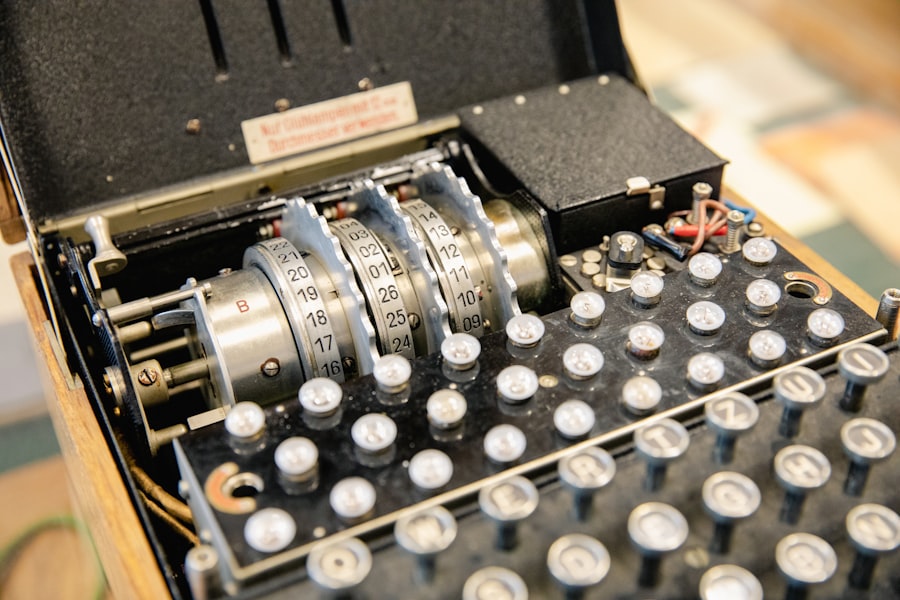
Despite its many advantages, device independent cryptography is not without its challenges and limitations. One significant hurdle is the complexity involved in implementing quantum technologies. As you may know, quantum systems require specialized equipment and expertise that may not be readily available in all environments.
This complexity can pose barriers to widespread adoption, particularly for smaller organizations or those with limited resources. Additionally, while device independent cryptography offers enhanced security against certain types of attacks, it is not immune to all threats. For instance, if an adversary gains control over one party’s device before key generation occurs, they may still compromise the communication process.
As you consider these limitations, it becomes evident that while device independent cryptography represents a significant advancement in secure communication, it must be integrated into a broader security strategy that addresses potential vulnerabilities across all aspects of digital interactions.
Implementing Device Independent Cryptography in Real-world Scenarios
Implementing device independent cryptography in real-world scenarios requires careful planning and consideration of various factors. You may find it beneficial to start by assessing your organization’s specific needs and identifying areas where enhanced security is paramount. For instance, sectors such as finance and healthcare often handle sensitive data that necessitates robust protection measures.
By prioritizing these areas, you can begin to explore how device independent cryptography can be integrated into your existing systems. Collaboration with experts in quantum technologies is also essential for successful implementation. As you navigate this process, consider partnering with research institutions or technology providers specializing in quantum cryptography.
Their expertise can help guide you through the complexities of deploying these advanced systems while ensuring compliance with relevant regulations and standards. By taking these steps, you can position your organization at the forefront of secure communication practices.
Comparing Device Independent Cryptography with Traditional Cryptography
When comparing device independent cryptography with traditional cryptographic methods, several key differences emerge that highlight the advantages of the former. Traditional cryptography often relies on mathematical algorithms and computational complexity to secure data; however, these methods can become vulnerable as computing power increases or as new attack vectors are discovered. In contrast, device independent cryptography leverages quantum mechanics principles to provide security guarantees that are fundamentally different from those offered by traditional methods.
Moreover, traditional systems often require trust in the devices used for encryption and decryption processes. If a device is compromised or exhibits vulnerabilities, the entire system’s security may be at risk. Device independent cryptography eliminates this reliance on device security by ensuring that even if devices are compromised, the integrity of the cryptographic process remains intact.
As you weigh these differences, it becomes clear that device independent cryptography represents a significant evolution in securing digital communications.
Ensuring Privacy and Security with Device Independent Cryptography
Ensuring privacy and security through device independent cryptography involves adopting best practices and strategies tailored to your specific needs. One crucial aspect is educating yourself and your team about the principles underlying this technology and its implementation requirements. By fostering a culture of awareness around cybersecurity threats and solutions, you can empower individuals within your organization to take proactive measures in safeguarding sensitive information.
As new threats emerge and technology evolves, staying informed about advancements in device independent cryptography will enable you to adapt your strategies accordingly. By prioritizing privacy and security through continuous improvement and education, you can create a resilient framework for protecting your communications in an increasingly complex digital landscape.
Future Developments and Applications of Device Independent Cryptography
The future of device independent cryptography holds immense potential for transforming secure communication across various sectors. As research continues to advance in quantum technologies and related fields, you can expect to see more practical applications emerge that leverage these innovations for enhanced security solutions. For instance, industries such as finance may adopt device independent cryptography to protect transactions from increasingly sophisticated cyber threats.
Moreover, as governments and organizations recognize the importance of securing sensitive data against emerging risks, there may be increased investment in developing infrastructure that supports device independent cryptographic systems. This investment could lead to broader adoption across sectors ranging from healthcare to national security, ultimately fostering greater trust in digital communications as a whole.
The Future of Secure Communication
In conclusion, device independent cryptography represents a groundbreaking advancement in securing digital communications amidst an ever-evolving threat landscape. By separating the security of cryptographic processes from the devices used to implement them, this innovative approach offers enhanced protection against various attacks while simplifying implementation across diverse platforms. As you reflect on the importance of secure communication in today’s interconnected world, it becomes evident that embracing technologies like device independent cryptography is essential for safeguarding sensitive information.
As we look toward the future, continued advancements in quantum technologies will likely pave the way for even more robust solutions that address emerging challenges in cybersecurity. By staying informed about these developments and actively seeking ways to integrate device independent cryptography into your practices, you can contribute to a more secure digital environment for yourself and others. Ultimately, the future of secure communication hinges on our ability to adapt and innovate in response to evolving threats—an endeavor made possible through technologies like device independent cryptography.
Device independent cryptography is an emerging field that aims to ensure secure communication without relying on the trustworthiness of the devices used. A related article that delves deeper into the principles and applications of this innovative approach can be found at