
# The Compressed Nuclear Decision Timeline
In an era of rapid technological advancement and shifting geopolitical dynamics, the time available for nuclear decision-making has contracted significantly. The shrinking nuclear decision timeline describes the reduced window of time that leaders have to make critical decisions about nuclear weapon deployment in response to perceived threats. This development creates substantial challenges for both national security and international stability.
As geopolitical tensions increase and potential consequences become more severe, the pressure for rapid decision-making in nuclear contexts has intensified. This trend carries serious implications, requiring a reassessment of current protocols and strategies for nuclear engagement. Given the potential for catastrophic outcomes, the balance between rapid and careful decision-making has become essential.
This article examines the historical development of nuclear decision-making processes, identifies the factors accelerating this timeline, and analyzes the consequences for national security and international relations.
Key Takeaways
- Nuclear decision timelines are becoming increasingly shorter due to technological and geopolitical factors.
- Historical nuclear decision processes were longer, allowing more deliberation compared to today’s rapid pace.
- Accelerated timelines pose significant national security risks and complicate decision-making under pressure.
- Technology plays a dual role by both speeding up decisions and offering tools to manage rapid responses.
- Ethical, strategic, and international challenges require new frameworks to handle faster nuclear decision-making effectively.
Historical Overview of Nuclear Decision Making
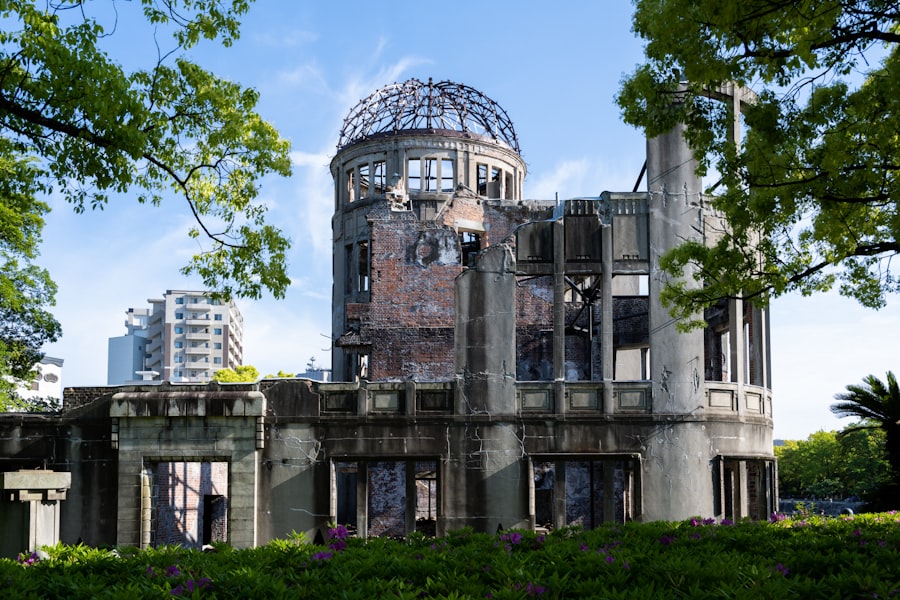
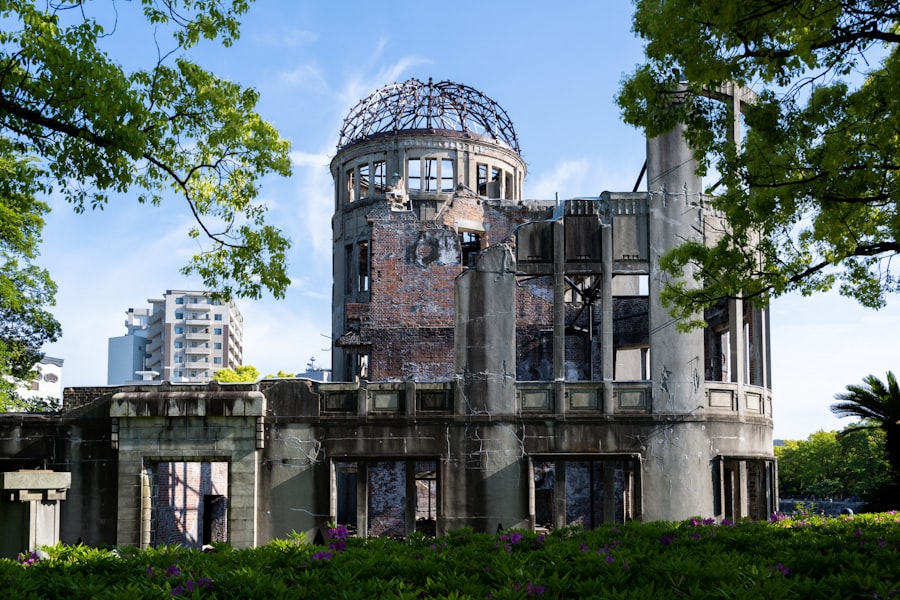
The history of nuclear decision-making is a complex tapestry woven from the threads of political, military, and technological developments. The dawn of the nuclear age began with the bombings of Hiroshima and Nagasaki in 1945, which not only marked the end of World War II but also ushered in a new era of warfare characterized by unprecedented destructive power. In the subsequent decades, the Cold War intensified the stakes of nuclear decision-making, as superpowers engaged in a precarious balance of power defined by deterrence strategies.
During this period, decision-making processes were often characterized by lengthy deliberations and extensive consultations among military and political leaders. The Cuban Missile Crisis of 1962 serves as a poignant example, where President John F. Kennedy and his advisors faced a critical decision regarding the potential use of nuclear weapons in response to Soviet missile installations in Cuba.
The crisis highlighted the importance of careful consideration and communication in nuclear decision-making, as well as the potential consequences of hasty actions. The documentary provides a detailed analysis of the potential consequences of nuclear war.
Factors Contributing to the Shrinking Timeline
Several factors have contributed to the shrinking timeline for nuclear decision-making in contemporary contexts. One significant element is the advancement of technology, particularly in the realms of communication and military capabilities. The proliferation of sophisticated surveillance systems and real-time data analysis has enabled nations to detect threats more rapidly than ever before.
Consequently, leaders are often compelled to respond swiftly to perceived dangers, leaving little room for deliberation.
Unlike traditional state-to-state conflicts, which often allowed for measured responses, the unpredictability associated with non-state actors necessitates quicker reactions.
The potential for rogue states or terrorist organizations to acquire nuclear capabilities adds another layer of urgency, as leaders must grapple with the possibility of an imminent threat that could emerge without warning.
Implications of the Shrinking Nuclear Decision Timeline on National Security
The implications of a shrinking nuclear decision timeline are far-reaching and multifaceted. One primary concern is the increased risk of miscalculation or accidental escalation. With leaders facing pressure to act swiftly, there is a heightened likelihood that decisions may be made based on incomplete or inaccurate information.
This scenario could lead to unintended consequences, including a full-scale nuclear exchange that could devastate entire regions. Moreover, the erosion of established protocols for nuclear engagement raises questions about accountability and oversight. As decision-making becomes more rapid, there is a risk that critical checks and balances may be bypassed in favor of expediency.
This shift could undermine the principles of democratic governance and international law that have historically guided nuclear policy. The potential for unilateral actions taken by leaders without adequate consultation or deliberation poses a significant threat to global security.
Challenges Faced by Decision Makers in the Shrinking Timeline
| Metric | Description | Typical Value | Impact of Shrinking Timeline |
|---|---|---|---|
| Decision Timeframe | Time available for leadership to decide on nuclear weapon use | 30-60 minutes | Reduced to 5-10 minutes, increasing pressure and risk of error |
| Communication Latency | Delay in transmitting orders and confirmations | 1-3 minutes | Must be minimized to seconds, requiring advanced secure tech |
| Verification Time | Time to confirm an incoming threat is real | 5-10 minutes | Compressed to 1-2 minutes, increasing chance of false alarms |
| Command and Control Reliability | Probability that orders are correctly received and executed | 99.9% | Must be maintained or improved despite faster timelines |
| Risk of Accidental Launch | Probability of unintended nuclear weapon use | Very low (estimated 1 in 100,000 years) | Increases with shorter decision timelines due to stress and errors |
Decision-makers operating within a compressed timeline face numerous challenges that complicate their ability to make informed choices. One major obstacle is the overwhelming volume of information that must be processed in real-time. In an age where data flows incessantly from various sources, distinguishing between credible intelligence and misinformation becomes increasingly difficult.
Leaders must navigate this complex information landscape while also considering the potential consequences of their decisions. Additionally, the psychological pressures associated with rapid decision-making can lead to cognitive biases that impair judgment. The urgency to respond can create an environment where leaders may rely on heuristics or gut feelings rather than thorough analysis.
This phenomenon can be exacerbated by groupthink dynamics within decision-making teams, where dissenting opinions may be stifled in favor of consensus. As a result, critical perspectives may be overlooked, further complicating the decision-making process.
The Role of Technology in Accelerating the Nuclear Decision Timeline
Technology plays a dual role in shaping the dynamics of nuclear decision-making. On one hand, advancements in communication and surveillance technologies have enabled faster detection and assessment of threats. Real-time data analytics allow leaders to receive immediate updates on potential dangers, creating an environment where rapid responses are expected.
On the other hand, technology also introduces new complexities into the decision-making process. Cybersecurity threats pose significant risks to national security, as adversaries may seek to manipulate information or disrupt communication channels during critical moments.
The reliance on technology can create vulnerabilities that adversaries may exploit, further complicating an already tense situation. As leaders grapple with these challenges, they must balance the benefits of technological advancements with the inherent risks they present.
International Relations and the Impact of the Shrinking Nuclear Decision Timeline
The shrinking nuclear decision timeline has profound implications for international relations and diplomacy. As nations navigate an increasingly volatile geopolitical landscape, the urgency associated with nuclear decision-making can exacerbate tensions between states. Rapid responses to perceived threats may lead to misunderstandings or misinterpretations of intentions, heightening the risk of conflict.
Moreover, the dynamics of deterrence are evolving in response to these changes. Traditional models based on mutually assured destruction may no longer suffice in a world where decisions must be made within minutes rather than hours or days. Nations may feel compelled to adopt more aggressive postures or preemptive strategies in order to counter perceived threats, further destabilizing international relations.
The potential for arms races or escalatory behaviors becomes more pronounced as states seek to adapt to this new reality.
Ethical and Moral Considerations in Accelerated Nuclear Decision Making
The ethical implications of accelerated nuclear decision-making cannot be overlooked. The prospect of making life-and-death decisions within a compressed timeframe raises profound moral questions about accountability and responsibility. Leaders must grapple with the weight of their choices, knowing that a single miscalculation could result in catastrophic consequences for millions.
Furthermore, ethical considerations extend beyond individual leaders to encompass broader societal values regarding warfare and conflict resolution. The normalization of rapid decision-making in nuclear contexts may desensitize societies to the gravity of such choices, leading to a culture where violence is seen as an acceptable solution to disputes. This shift raises important questions about how societies prioritize diplomacy and dialogue over military action.
Strategies for Managing the Shrinking Nuclear Decision Timeline
In light of the challenges posed by a shrinking nuclear decision timeline, it is imperative for nations to develop strategies that promote thoughtful decision-making while maintaining readiness for potential threats. One approach involves enhancing communication channels between military and political leaders to ensure that critical information is shared effectively and efficiently. Establishing clear protocols for information dissemination can help mitigate confusion during high-pressure situations.
Additionally, investing in training programs that emphasize critical thinking and scenario-based exercises can prepare decision-makers for rapid response situations while encouraging thorough analysis. By fostering an environment where diverse perspectives are valued and dissenting opinions are welcomed, leaders can make more informed choices even under time constraints.
Case Studies of Accelerated Nuclear Decision Making
Examining historical case studies provides valuable insights into how accelerated nuclear decision-making has unfolded in practice. One notable example is the 1973 Yom Kippur War, during which Israel faced an existential threat from neighboring Arab states. The Israeli leadership’s rapid decisions regarding nuclear readiness underscored the pressures associated with imminent conflict and highlighted how quickly circumstances can escalate.
Another pertinent case is North Korea’s ongoing development of its nuclear program, which has prompted urgent responses from various nations over recent years. The international community’s attempts to address North Korea’s provocations illustrate how rapidly evolving threats can lead to accelerated decision-making processes among global powers seeking to maintain stability.
Conclusion and Future Outlook for Nuclear Decision Making
As global dynamics continue to evolve, the shrinking nuclear decision timeline presents both challenges and opportunities for nations navigating complex security landscapes. The need for timely yet judicious decision-making has never been more critical, as leaders grapple with unprecedented pressures stemming from technological advancements and shifting geopolitical realities. Looking ahead, it is essential for nations to prioritize dialogue and diplomacy while developing robust frameworks for managing rapid decision-making processes.
By fostering collaboration among international partners and investing in strategies that promote thoughtful engagement, nations can work towards mitigating risks associated with accelerated nuclear decision-making while safeguarding global security for future generations.
The issue of shrinking nuclear decision timelines has become increasingly critical in today’s geopolitical landscape, as nations grapple with the implications of rapid escalation in nuclear tensions. A related article that delves into this topic can be found at this link, where it discusses the challenges and potential strategies for managing nuclear arsenals in an era of heightened urgency. Understanding these dynamics is essential for policymakers and analysts alike.
WATCH THIS! ☢️ Nuclear War in 2026: The Real Risks, New Weapons & How Close We Are
FAQs
What does “shrinking nuclear decision timeline” mean?
Shrinking nuclear decision timeline refers to the reduction in the amount of time available for political and military leaders to make critical decisions regarding the use or response to nuclear weapons during a crisis.
Why is the nuclear decision timeline shrinking?
The timeline is shrinking due to advancements in missile technology, faster delivery systems, improved early warning capabilities, and the increasing speed of communication and command systems, which compress the window for decision-making.
What are the risks associated with a shorter nuclear decision timeline?
A shorter timeline increases the risk of miscalculation, accidental launches, and hasty decisions made under pressure, potentially leading to unintended nuclear conflict.
How do early warning systems impact the nuclear decision timeline?
Early warning systems detect incoming missile threats quickly, which can reduce the time leaders have to assess the situation and decide on a response, thereby shrinking the decision timeline.
What measures can be taken to manage the risks of a shrinking nuclear decision timeline?
Measures include improving communication channels between nuclear-armed states, establishing crisis management protocols, enhancing verification and transparency, and pursuing arms control agreements to reduce the likelihood of rapid escalation.
Which countries are most affected by shrinking nuclear decision timelines?
Countries with nuclear arsenals and advanced missile capabilities, such as the United States, Russia, China, India, and Pakistan, are most affected due to their strategic postures and technological developments.
How does automation influence nuclear decision timelines?
Automation and artificial intelligence can speed up detection and response processes, potentially reducing human decision-making time, which may either help manage or exacerbate risks depending on system design and safeguards.
Is there international cooperation to address shrinking nuclear decision timelines?
Yes, international forums and treaties aim to promote dialogue, transparency, and confidence-building measures to mitigate risks associated with rapid nuclear decision-making, though challenges remain.