Singapore and San Francisco are two major cities separated by approximately 8,500 miles, each serving as significant economic and cultural centers in their respective regions. Singapore is a city-state located in Southeast Asia with a population of 5.
7 million in the greater metropolitan area. Singapore’s economy is built on international trade, finance, and manufacturing, with the Port of Singapore ranking among the world’s busiest container ports.
The city-state has developed from a British colonial trading post established in 1819 into a modern financial center, achieving independence in 1965. Its population consists of Chinese (74%), Malay (13%), Indian (9%), and other ethnic groups (4%), reflecting its position as a regional hub. San Francisco serves as a major technology and financial center on the United States West Coast.
The city experienced rapid growth during the California Gold Rush of 1849 and later became a key entry point for immigrants, particularly from Asia. Today, it anchors the San Francisco Bay Area, which includes Silicon Valley and houses numerous technology companies and venture capital firms. Both cities feature significant waterfront areas that have shaped their development.
Singapore’s location on the Strait of Malacca has made it a crucial shipping hub connecting Asia, Europe, and the Americas. San Francisco Bay provides natural harbor facilities and has influenced the city’s geography, with the Golden Gate Bridge and Bay Bridge serving as major transportation links. Urban planning in both cities reflects their geographic constraints and economic priorities.
Singapore has implemented comprehensive public housing programs, with over 80% of residents living in government-built Housing Development Board flats. San Francisco faces housing challenges due to limited land availability, resulting in high property values and ongoing debates about development policies.
Key Takeaways
- Singapore and San Francisco have distinct historical developments shaping their urban landscapes.
- Both cities showcase unique architectural styles and iconic landmarks reflecting their cultural heritage.
- Urban planning and infrastructure in each city address different geographic and demographic challenges.
- Cultural diversity significantly influences the social fabric and urban character of both Singapore and San Francisco.
- Environmental sustainability is a key focus in the ongoing development strategies of both cities.
Historical Development of Singapore’s Urban Landscape
The historical development of Singapore’s urban landscape is a tale of transformation and resilience. Founded in 1819 by Sir Stamford Raffles, Singapore began as a small fishing village inhabited by the Malay community. Raffles envisioned the island as a strategic trading post for the British Empire, leading to its rapid growth as a commercial hub.
The establishment of free trade policies attracted immigrants from various regions, including China, India, and the Malay Archipelago. This influx of diverse populations laid the foundation for Singapore’s multicultural society and significantly influenced its urban development. As Singapore progressed through the 19th and early 20th centuries, its urban landscape underwent significant changes.
The British colonial government implemented infrastructure projects such as roads, ports, and public buildings to accommodate the growing population and facilitate trade. The introduction of the Municipal Ordinance in 1887 marked a turning point in urban planning, as it aimed to improve sanitation and public health in response to the challenges posed by rapid urbanization. The establishment of various ethnic enclaves, such as Chinatown and Little India, further enriched the city’s cultural tapestry while reflecting the social dynamics of the time.
Historical Development of San Francisco’s Urban Landscape
San Francisco’s urban landscape has been shaped by a series of historical events that have left an indelible mark on its identity. The city was founded in 1776 as a Spanish mission and presidio but gained prominence during the California Gold Rush in 1849. This sudden influx of fortune seekers transformed San Francisco from a small settlement into a bustling metropolis almost overnight.
The rapid population growth necessitated the construction of new infrastructure, including roads, housing, and commercial establishments, which laid the groundwork for the city’s distinctive urban character. The Great Earthquake of 1906 was a pivotal moment in San Francisco’s history, resulting in widespread destruction and loss of life. However, this disaster also provided an opportunity for reconstruction and modernization.
The city adopted new building codes and urban planning strategies that emphasized safety and resilience. The subsequent rebuilding efforts led to the emergence of iconic structures such as the Ferry Building and the Palace of Fine Arts, which continue to define San Francisco’s skyline today. Over the decades, San Francisco has evolved into a center for technology and innovation, attracting diverse populations that contribute to its dynamic urban landscape.
Architectural Styles and Landmarks in Singapore
Singapore’s architectural landscape is a fascinating blend of traditional and contemporary styles that reflect its multicultural heritage. One of the most iconic landmarks is the Marina Bay Sands, an architectural marvel that features three interconnected towers topped by a sky park. This futuristic structure symbolizes Singapore’s ambition as a global city while offering breathtaking views of the skyline and waterfront.
In contrast, the historic Raffles Hotel stands as a testament to colonial architecture, with its elegant white façade and lush gardens evoking a sense of nostalgia for Singapore’s past. The preservation of heritage buildings is also evident in areas like Chinatown and Little India, where traditional shophouses showcase vibrant colors and intricate designs. These neighborhoods serve as cultural hubs that celebrate Singapore’s diverse ethnic communities through festivals, cuisine, and art.
Additionally, modern developments such as Gardens by the Bay exemplify Singapore’s commitment to integrating nature into urban spaces. The iconic Supertree Grove and climate-controlled domes highlight innovative design while promoting environmental sustainability.
Architectural Styles and Landmarks in San Francisco
| Metric | Singapore | San Francisco |
|---|---|---|
| Population (2024) | 5.9 million | 815,000 |
| Area (sq km) | 728.3 | 121.4 |
| GDP per capita | 65,000 | 120,000 |
| Average Temperature (°C) | 27 | 14 |
| Cost of Living Index | 85 | 100 |
| Public Transport Quality | Excellent | Good |
| Major Industries | Finance, Technology, Trade | Technology, Finance, Tourism |
| Languages Spoken | English, Mandarin, Malay, Tamil | English, Spanish, Chinese |
| Time Zone | GMT +8 | GMT -7 (PDT) |
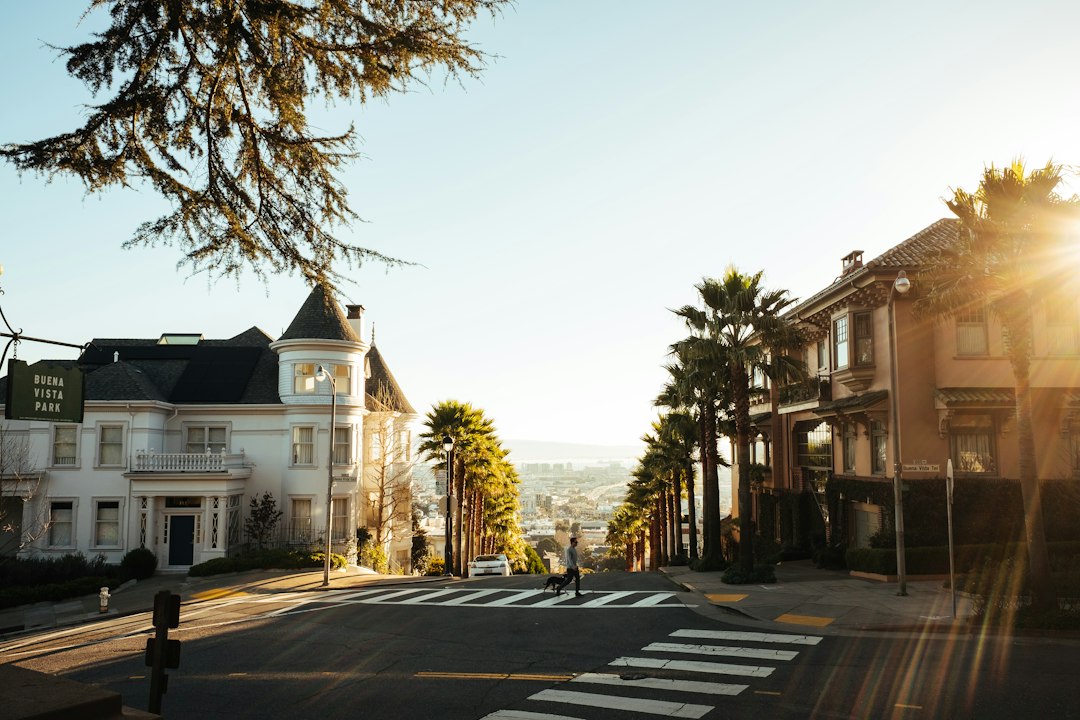
San Francisco’s architectural styles are equally diverse, reflecting its rich history and cultural influences. The city is renowned for its Victorian-era houses, particularly the famous Painted Ladies—colorful row houses that have become an enduring symbol of San Francisco’s charm. These homes showcase intricate detailing and ornate facades that transport visitors back to the late 19th century when the city experienced rapid growth.
In addition to Victorian architecture, San Francisco boasts modern landmarks such as the Golden Gate Bridge, an engineering marvel that spans approximately 1.7 miles across the Golden Gate Strait. This iconic suspension bridge is not only a vital transportation link but also a symbol of innovation and resilience. The Transamerica Pyramid, with its distinctive triangular shape, further exemplifies the city’s modern architectural landscape while serving as a prominent feature of its skyline.
Together, these landmarks create a unique visual identity that captures the essence of San Francisco.
Urban Planning and Infrastructure in Singapore
Singapore’s approach to urban planning is characterized by meticulous foresight and strategic vision. The city-state has adopted a comprehensive planning framework that prioritizes sustainability, livability, and economic growth. The Urban Redevelopment Authority (URA) plays a crucial role in shaping Singapore’s urban landscape through long-term planning initiatives that address housing needs, transportation systems, and green spaces.
One notable aspect of Singapore’s urban planning is its emphasis on mixed-use developments that integrate residential, commercial, and recreational spaces. This approach fosters vibrant communities where residents can live, work, and play within close proximity. Additionally, Singapore’s extensive public transportation network—including buses and the Mass Rapid Transit (MRT) system—ensures efficient connectivity throughout the city while reducing reliance on private vehicles.
The incorporation of green spaces such as parks and nature reserves further enhances the quality of life for residents while promoting environmental sustainability.
Urban Planning and Infrastructure in San Francisco
San Francisco’s urban planning has evolved in response to its unique geographical constraints and historical context. The city’s hilly terrain presents challenges for infrastructure development; however, it has also contributed to its distinctive character. The San Francisco Planning Department is responsible for guiding land use policies and ensuring that development aligns with community needs.
One significant aspect of San Francisco’s urban planning is its focus on preserving historic neighborhoods while accommodating growth. The city has implemented zoning regulations that protect architectural heritage while allowing for new developments that enhance livability. Public transportation plays a vital role in San Francisco’s infrastructure, with options such as cable cars, buses, and BART (Bay Area Rapid Transit) connecting residents to various parts of the city.
Furthermore, initiatives aimed at increasing walkability and bike-friendliness reflect a commitment to sustainable urban living.
Cultural Diversity and Influences in Singapore
Cultural diversity is one of Singapore’s defining features, shaping its identity as a global city. The harmonious coexistence of various ethnic groups—primarily Chinese, Malay, Indian, and Eurasian—has created a rich tapestry of traditions, languages, and cuisines. Festivals such as Chinese New Year, Hari Raya Puasa, Deepavali, and Christmas are celebrated with enthusiasm across communities, showcasing Singapore’s multicultural spirit.
The influence of diverse cultures is evident in Singapore’s culinary scene, where hawker centers offer an array of dishes that reflect different culinary traditions. From Hainanese chicken rice to biryani and laksa, food serves as a unifying force that brings people together. Additionally, cultural institutions such as museums and art galleries promote understanding and appreciation of Singapore’s heritage while fostering creativity among local artists.
Cultural Diversity and Influences in San Francisco
San Francisco is equally celebrated for its cultural diversity, which has been shaped by waves of immigration throughout its history. The city has long been a sanctuary for individuals seeking new opportunities—whether during the Gold Rush or more recent tech booms—resulting in a vibrant mix of cultures from around the world. Neighborhoods like Chinatown stand as testaments to this diversity; it is one of the oldest and largest Chinese communities outside Asia.
The arts scene in San Francisco thrives on this cultural richness; numerous festivals celebrate various heritages throughout the year.
Moreover, organizations dedicated to preserving cultural heritage contribute to an inclusive environment where all voices are heard.
This cultural mosaic not only enriches daily life but also fosters innovation by encouraging collaboration among diverse communities.
Environmental Sustainability Efforts in Singapore
Singapore has emerged as a global leader in environmental sustainability efforts through innovative policies aimed at creating a greener urban environment. The government has implemented initiatives such as the Sustainable Singapore Blueprint, which outlines strategies for reducing carbon emissions while enhancing quality of life for residents. One notable achievement is the extensive network of parks and green spaces integrated into urban planning; this includes initiatives like vertical gardens on skyscrapers that promote biodiversity within densely populated areas.
Additionally, Singapore has invested heavily in water management technologies to address challenges related to water scarcity. The NEWater initiative recycles wastewater into potable water through advanced treatment processes—demonstrating how technology can be harnessed for sustainable resource management. Furthermore, public awareness campaigns encourage residents to adopt eco-friendly practices such as recycling and energy conservation—fostering a culture of sustainability within society.
Environmental Sustainability Efforts in San Francisco
San Francisco has also made significant strides toward environmental sustainability through ambitious policies aimed at reducing waste and promoting renewable energy sources. The city was one of the first in the United States to implement a zero waste goal by 2030—encouraging residents to minimize waste generation through recycling programs and composting initiatives. This commitment reflects an understanding that sustainable practices are essential for preserving natural resources for future generations.
Moreover, San Francisco has embraced renewable energy solutions by investing in solar power installations across public buildings while incentivizing residents to adopt clean energy sources at home. The city’s commitment to public transportation further supports sustainability efforts by reducing reliance on fossil fuels; initiatives like bike-sharing programs promote alternative modes of transport that contribute to cleaner air quality. Through these concerted efforts, San Francisco continues to position itself as an environmentally conscious city committed to creating a sustainable future.
In conclusion, both Singapore and San Francisco exemplify how historical development shapes urban landscapes while fostering cultural diversity and sustainability efforts. Their unique identities reflect rich histories intertwined with modern aspirations—making them dynamic cities that continue to inspire innovation on multiple fronts.
In comparing the vibrant cultures and economic landscapes of Singapore and San Francisco, it’s interesting to explore how both cities have become global hubs for technology and innovation. For a deeper understanding of urban development and its impact on local communities, you can read a related article on urban planning and its challenges in modern cities at this link.
WATCH THIS! 🚨 Chicago’s Fiscal Cliff: Why America’s First City Is About to Fall
FAQs
What are the main differences between Singapore and San Francisco?
Singapore is a sovereign city-state in Southeast Asia known for its strict laws, tropical climate, and status as a global financial hub. San Francisco is a major city in California, USA, known for its tech industry, diverse culture, and temperate climate. The two differ in governance, culture, climate, and economic focus.
How do the climates of Singapore and San Francisco compare?
Singapore has a tropical rainforest climate with high humidity and consistent temperatures year-round, typically around 25-31°C (77-88°F). San Francisco has a Mediterranean climate with mild, wet winters and dry summers, and temperatures ranging from about 10-20°C (50-68°F), often cooler due to coastal fog.
Which city has a higher cost of living, Singapore or San Francisco?
Both cities are known for high living costs, but San Francisco generally ranks higher in housing and overall expenses due to its tech-driven economy and housing shortage. Singapore also has a high cost of living, especially for private housing and imported goods, but offers more government-subsidized housing options.
What languages are commonly spoken in Singapore and San Francisco?
Singapore has four official languages: English, Mandarin, Malay, and Tamil, with English widely used in business and education. San Francisco primarily uses English, with significant communities speaking Spanish, Chinese, and other languages due to its diverse population.
How do public transportation systems in Singapore and San Francisco differ?
Singapore has an extensive, efficient, and clean Mass Rapid Transit (MRT) system complemented by buses and taxis. San Francisco has a mix of public transit options including BART (Bay Area Rapid Transit), Muni buses, streetcars, and ferries, but its system is generally considered less comprehensive than Singapore’s MRT.
What are the major industries in Singapore and San Francisco?
Singapore’s economy is driven by finance, shipping, manufacturing, and technology sectors. San Francisco is a global center for technology and innovation, with many major tech companies headquartered there, alongside finance, tourism, and biotechnology industries.
Is Singapore or San Francisco safer for residents and tourists?
Singapore is widely regarded as one of the safest cities in the world due to strict laws and low crime rates. San Francisco has areas with higher crime rates, though many neighborhoods are safe for residents and tourists. Safety can vary significantly by district in San Francisco.
What cultural attractions can be found in Singapore and San Francisco?
Singapore offers attractions like Marina Bay Sands, Gardens by the Bay, Chinatown, and cultural festivals reflecting its multicultural population. San Francisco is known for landmarks such as the Golden Gate Bridge, Alcatraz Island, Fisherman’s Wharf, and its vibrant arts and music scenes.
How do education systems in Singapore and San Francisco compare?
Singapore’s education system is highly competitive and consistently ranks among the top globally, with a strong emphasis on STEM subjects. San Francisco’s public schools are part of the San Francisco Unified School District, with a range of public and private options, but overall rankings vary widely.
What is the population size of Singapore compared to San Francisco?
Singapore has a population of about 5.6 million people as of recent estimates. San Francisco’s population is approximately 815,000. Singapore is a city-state with a much larger population density, while San Francisco is a single city within a larger metropolitan area.