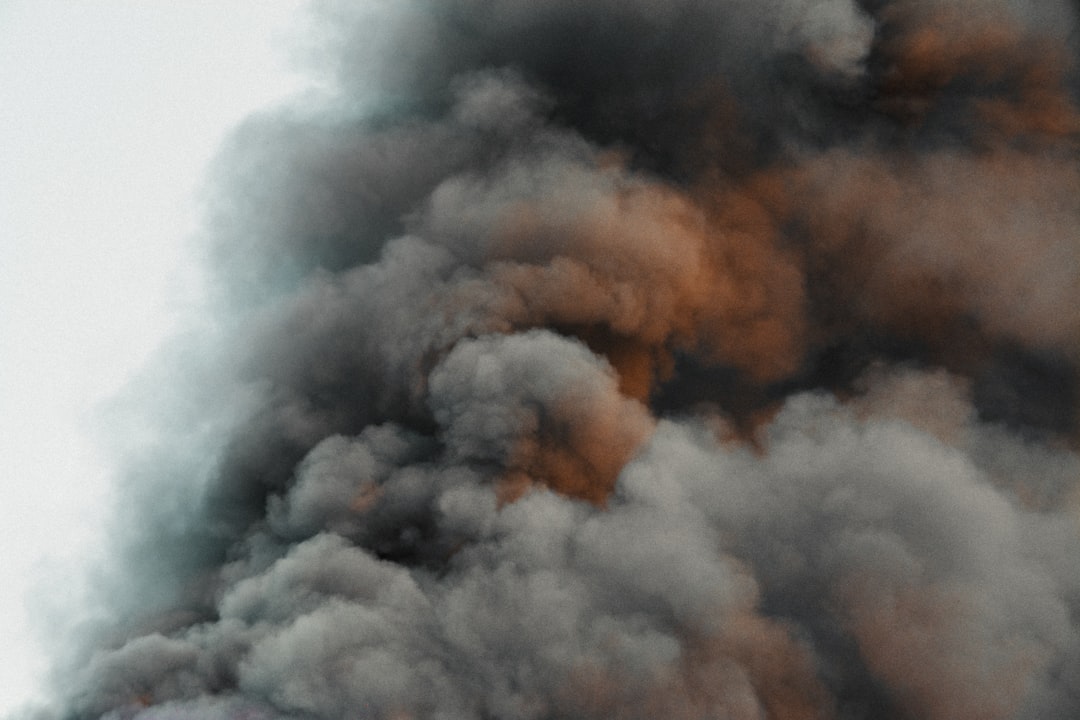
The faint glow of the sun, a celestial beacon that has guided and sustained life on Earth for millennia, began to dim. This was not a gradual fading, a gentle decline into twilight, but a swift and terrifying obscuration. The cause? An unprecedented and catastrophic eruption of volcanic activity, a planetary fever that spewed colossal quantities of ash and aerosols into the atmosphere. This event, later to be documented as “Smoke: The End of the Sun,” plunged the world into an era defined by its absence, an epoch when the sun became a memory, a faded photograph in the collective consciousness of humanity.
The initial stages of the event were characterized by a series of colossal volcanic eruptions, a chorus of subterranean fury that dwarfed anything recorded in human history. These were not mere mountain tantrums; they were the Earth’s violent exhalations, releasing an unimaginable volume of particulate matter into the upper atmosphere.
The Roar of the Mantle
Geologists, who had long monitored restless seismic zones, were caught off guard by the sheer scale and synchronicity of the eruptions. Data streamed in from across the globe, indicating simultaneous activity in multiple supervolcanoes and chains of smaller, yet still potent, vents. The Earth, it seemed, was clearing its throat with a ferocity that shook the very foundations of civilization. Mount Toba, Taupo, Yellowstone – these names, once associated with geological curiosities and potential future threats, became harbingers of immediate and overwhelming change. The sheer volume of ejected material was staggering, an ash cloud of continental proportions.
Aerosols: The Atmospheric Shroud
The material ejected was not merely inert rock and dust. The explosive nature of the eruptions pulverized minerals and released volatile gases, including sulfur dioxide (SO2). Upon entering the stratosphere, SO2 reacted with water vapor to form sulfuric acid droplets. These microscopic spheres, invisible to the naked eye, acted as an army of tiny mirrors, reflecting incoming solar radiation back into space. This was the primary mechanism by which the sun’s light was extinguished, a celestial veil woven from the Earth’s own internal turmoil. The stratospheric reservoir of these aerosols would prove remarkably persistent, a stubborn blanket defying the cleansing winds of the troposphere.
The Domino Effect: Interconnected Systems
The initial eruptions triggered a cascade of secondary geological events. The immense pressure changes in the crust, the shifting tectonic plates, and the atmospheric disturbances all contributed to a fragile global equilibrium. Landslides of unprecedented scale became commonplace, further adding to the atmospheric burden. Ocean currents, altered by the sudden changes in heat distribution, began to exhibit erratic behavior, contributing to extreme weather patterns even before the full onset of the solar dimming. The Earth, in its catastrophic embrace, became a single, interconnected, and increasingly unstable system.
In a thought-provoking article discussing the potential consequences of excessive smoke and pollution, it is suggested that if current trends continue, we may face dire environmental changes that could ultimately lead to the dimming of the sun’s rays. This alarming scenario highlights the urgent need for action to combat air quality issues and protect our planet. For more insights on this critical topic, you can read the full article here: Smoke and Its Impact on Our Environment.
The Descent into Twilight: A World Without Zenith
As the aerosols disseminated across the globe, the sun’s presence began to recede. The familiar warmth and brightness of daylight gave way to an ever-increasing gloom, a perpetual twilight that slowly, insidiously, stole the world as it was known.
The Fading of the Familiar
The transition was not instantaneous, but it was remarkably swift from a geological perspective. Within months, the intensity of direct sunlight was reduced by more than 90 percent in many regions. The vibrant hues of nature dulled, the blues of the sky becoming a muted grey, the greens of vegetation shifting to a somber olive. The sun, once a dominant presence, became a diffused, weak glow behind the perpetual veil, a phantom limb of brightness. Days became indistinguishable from nights, marked only by a subtle, if any, change in luminosity.
The Impact on Photosynthesis: Life’s Engine Stalled
Photosynthesis, the fundamental engine of most life on Earth, relies on sunlight. The drastic reduction in solar radiation crippled this process. Plants, the base of most food webs, began to wither. Leafy canopies, once verdant and lush, turned brown and brittle. Agricultural yields plummeted, leading to widespread famine. The vibrant ecosystems that had thrived for millennia began to unravel, their intricate webs of life fraying under the relentless pressure of insufficient light. The planet’s lungs, its green lungs, began to gasp for breath.
The Psychological Toll: A Deepening Shadow
The absence of sunlight had a profound psychological impact on humanity. Seasonal Affective Disorder (SAD), previously an occasional ailment, became a widespread condition. The loss of natural light, a primal cue for our circadian rhythms, disrupted sleep patterns and led to widespread lethargy, depression, and anxiety. The constant gloom, the lack of clear skies and the bright sun, fostered a sense of despair. The world felt perpetually overcast, both physically and emotionally. The sun’s absence mirrored a growing darkness within the human spirit.
The Reign of Refrigeration: A Cold Embrace
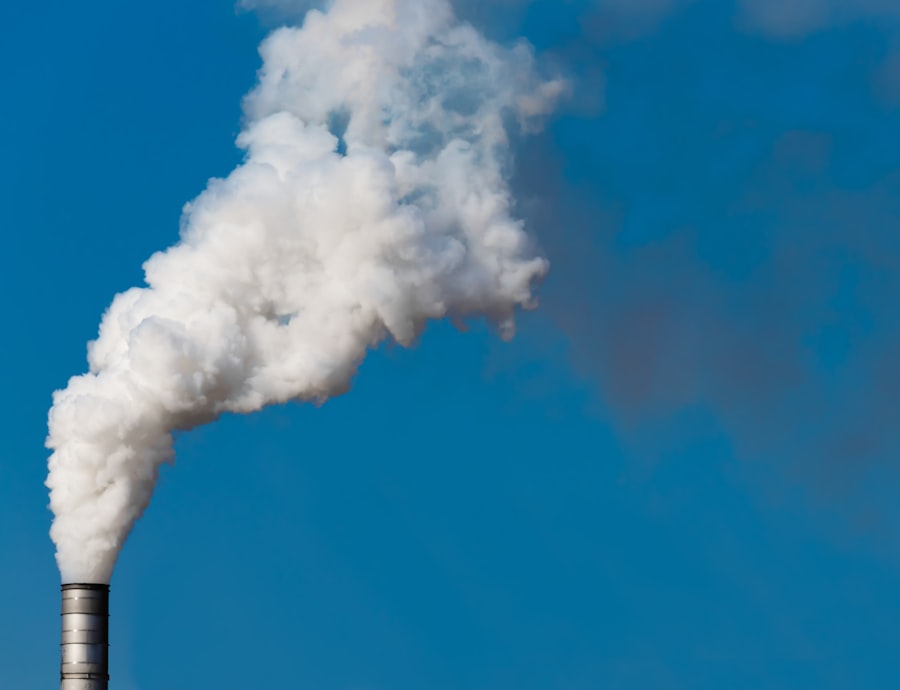
The reduction in solar radiation meant a drastic decrease in the amount of energy reaching the Earth’s surface. The planet began to cool, not with the gradual rhythm of seasons, but with the relentless chill of a planetary fever breaking, leaving behind a profound and lasting cold.
Global Cooling: A Frosty Descent
The immediate and most significant consequence of the atmospheric shroud was a sharp and sustained decrease in global average temperatures. Scientists, painstakingly monitoring weather stations and satellite data, observed a precipitous drop. Within a few years, average temperatures plummeted by several degrees Celsius, rivaling the coldest periods of the last ice age. Regions that had once experienced temperate climates now faced prolonged and brutal winters. The tropics, while still warmer than the poles, experienced a significant amelioration of their heat, a stark contrast to their former sweltering conditions.
The Death of Agriculture: A Harvest of Ice
The agricultural heartlands of the world, dependent on consistent sunlight and predictable growing seasons, were devastated. Frosts became more frequent and severe, killing crops before they could mature. The short growing seasons that remained were insufficient to sustain the vast populations that had once relied on abundant harvests. The food supply chain, already strained by the collapse of ecosystems, fractured completely. This led to widespread starvation, a grim consequence of the planet’s newfound frigidity. The earth, once a fertile womb, became a frozen tomb.
Frozen Landscapes: A World Transformed
As temperatures continued to drop, glaciers and ice sheets began to expand. Arctic and Antarctic ice extended equatorward, engulfing formerly temperate regions. Permafrost, once a stable layer in northern latitudes, began to freeze solid, trapping ancient organic matter in its icy grip. Rivers and lakes, even in once-mild climates, began to freeze for longer periods, disrupting transportation and water access. The familiar landscapes of human habitation became alien, encased in a permanent winter. The world was slowly, inexorably, being put on ice.
Surviving the Shadows: Humanity’s Adaptations

Faced with an existential crisis, humanity, a species characterized by its resilience and ingenuity, was forced to adapt or perish. The strategies employed were diverse, born out of necessity and a deep-seated will to survive.
Subterranean Sanctuaries: The Rise of the Underground
Recognizing the surface as increasingly inhospitable, many communities turned to subterranean living. Existing underground infrastructure, such as subway systems and disused mines, was repurposed and expanded. New bunkers and cities were excavated, offering protection from the extreme cold and the perpetual gloom. These self-contained environments relied on geothermal energy and carefully managed artificial lighting to sustain life. They became cities of shadows, illuminated by the faint glow of electric bulbs rather than the distant memory of the sun.
Artificial Light and Controlled Environments: The Cultivation of Hope
The ability to generate and control light became paramount. Advanced LED technology, powered by renewable energy sources like geothermal, nuclear, and wind, was deployed to mimic the spectrum of sunlight necessary for plant growth. Hydroponic and aeroponic farms flourished in underground and enclosed environments, providing a vital source of nutrition. These controlled ecosystems, meticulously managed, became sanctuaries of green in a world of grey, islands of life in a sea of frost. They represented humanity’s capacity to cultivate hope in the most barren of circumstances.
New Energy Paradigms: Harnessing the Earth’s Inner Fire
With the sun’s energy largely inaccessible, humanity had to find alternative power sources. Geothermal energy, tapping into the Earth’s internal heat, became a cornerstone of survival. Nuclear power, though controversial, was expanded and refined to provide reliable energy for enclosed habitats. Wind power, while limited by atmospheric conditions, contributed to the energy mix in regions where it remained viable. The focus shifted from the celestial to the terrestrial, from the distant sun to the deep, enduring warmth of the planet itself.
In a fascinating exploration of environmental issues, a recent article discusses the alarming effects of smoke on our atmosphere and its potential to obscure sunlight. This phenomenon could lead to drastic changes in climate patterns and impact life on Earth. For more insights into this critical topic, you can read the full article here. Understanding the implications of smoke not only raises awareness but also emphasizes the urgent need for action to protect our planet’s future.
The Long Midnight: A Legacy of Adaptation
| Metric | Description | Value | Unit |
|---|---|---|---|
| Smoke Density | Concentration of smoke particles in the atmosphere | 150 | µg/m³ |
| Solar Radiation Reduction | Percentage decrease in sunlight reaching Earth’s surface | 75 | % |
| Atmospheric Opacity | Measure of how much smoke blocks sunlight | 0.85 | Opacity Index (0-1) |
| Temperature Drop | Average global temperature decrease due to smoke | 5 | °C |
| Duration of Smoke Presence | Estimated time smoke remains in atmosphere | 3 | Years |
| Sunlight Blockage | Fraction of sunlight blocked by smoke | 0.9 | Fraction (0-1) |
“Smoke: The End of the Sun” was not a singular event with a defined conclusion but a paradigm shift that redefined existence. The adaptation of humanity and the altered state of the planet marked the dawn of the Long Midnight, an era defined by its unique challenges and profound transformations.
The Evolution of Human Society: Culture in the Gloom
Human societies restructured around the new realities. Communities became more insular, focused on self-sufficiency and resource management. The concept of day and night, tied to the sun’s cycle, faded in importance, replaced by the rhythms of artificial light cycles within habitats. New forms of art and entertainment emerged, reflecting the altered sensory experiences and psychological landscape. Storytelling, music, and visual arts explored themes of loss, resilience, and the enduring memory of sunlight. The human spirit, though tested, proved capable of finding new expressions even in the deepest shadows.
The Resilience of Life: New Forms in the Cold
While many species perished, life, in its persistent and adaptive way, found new avenues. Some organisms, particularly those thriving in deep-sea hydrothermal vents or within the Earth’s crust, remained largely unaffected. Others, particularly microbes, adapted to the cold and low-light conditions, forming new symbiotic relationships or evolving novel metabolic pathways. The long-term ecological consequences were irreversible, but the enduring capacity for life to adapt and persist was a testament to nature’s unyielding drive. The planet, though scarred, continued to harbor life, albeit in forms that would have been unrecognizable to previous generations.
The Memory of Light: A Whispered Legend
For generations born into the Long Midnight, the sun was a concept, a legend whispered by elders or depicted in ancient texts and images. The warmth, the brilliance, the very essence of sunlight became a mythic entity, a symbol of a lost paradise. While technological advancements allowed for the mimicry of light and warmth, the profound, visceral experience of the sun’s unfiltered embrace remained a cherished, unattainable memory. The legacy of “Smoke: The End of the Sun” was a world forever changed, a testament to the fragility of our planetary systems and the extraordinary resilience of life when faced with the ultimate darkness. The sun, no longer a constant, became a precious artifact of memory, a reminder of what had been lost and a quiet ambition for what might, one day, be reclaimed.
FAQs
What is the concept behind “smoke that will end the sun”?
The phrase “smoke that will end the sun” typically refers to a hypothetical or metaphorical scenario where smoke or particulate matter in the atmosphere becomes so dense that it blocks sunlight, potentially leading to significant environmental and climatic effects.
Can smoke actually block out the sun completely?
While smoke can significantly reduce sunlight and visibility, completely blocking out the sun is extremely rare and would require an enormous amount of particulate matter suspended in the atmosphere, such as from massive wildfires or volcanic eruptions.
What are the environmental impacts of dense smoke in the atmosphere?
Dense smoke can lead to reduced air quality, health problems for living beings, decreased photosynthesis in plants due to less sunlight, and potential cooling effects on the Earth’s surface by reflecting sunlight away.
Has there been any historical event where smoke significantly affected sunlight?
Yes, events like the 1815 eruption of Mount Tambora caused the “Year Without a Summer,” where volcanic ash and smoke led to global temperature drops and reduced sunlight, affecting agriculture and weather patterns.
Is it possible for smoke to permanently end the sun’s visibility?
No, it is not possible for smoke to permanently block the sun. Atmospheric particles eventually settle or disperse, and the sun’s light will return. Permanent blockage would require an ongoing, massive source of smoke or particles, which is not feasible on a global scale.