
The phrase “Solomon’s Gold DNA: The Ultimate Proof” evokes a powerful image, suggesting a tangible link to the legendary wealth of King Solomon, a connection embedded within our very genetic code. While the allure of discovering such a profound connection is undeniable, it is crucial to approach this concept with a factual, analytical lens, much like a detective piecing together a centuries-old mystery. This article aims to dissect the origins and implications of the “Solomon’s Gold DNA” hypothesis, examining the scientific and historical frameworks it purports to engage with, and determining what, if any, basis exists for such a claim, and what, if any, “ultimate proof” might entail.
The idea of a genetic marker, a unique DNA sequence, capable of identifying descendants or carriers of specific historical lineages, is not entirely without precedent. While broad genealogical tracing through DNA has become increasingly sophisticated, the notion of a marker directly tied to a figure as mythologically significant as Solomon, and to a resource as archetypally potent as his gold, represents a leap into a more speculative realm. Therefore, understanding the current state of scientific inquiry, the historical context of Solomon, and the limitations of genetic analysis is paramount to evaluating this assertion.
The phrase itself acts as a compelling narrative hook. It suggests that the secrets of Solomon’s immense riches might not be buried in a lost mine in Ophir, but rather, are etched in the fundamental blueprint of human heredity. This metaphorical connection between biological legacy and material wealth is the core of the allure. However, the task before us is to separate the metaphor from the materiality, the compelling story from the verifiable fact.
This exploration will delve into several key areas: the historical understanding of King Solomon and his purported wealth, the science of genetics and its capabilities in tracing lineage, the specific claims made under the umbrella of “Solomon’s Gold DNA,” and the rigorous scientific evaluation required to validate or refute such extraordinary assertions. We will then consider the broader implications of such a discovery, should it ever be substantiated, for our understanding of history, identity, and the very nature of human inheritance.
To comprehend the “Solomon’s Gold DNA” hypothesis, one must first establish a firm grounding in the historical and mythological landscape of King Solomon’s reign. The narrative of Solomon’s opulent kingdom and his vast accumulation of wealth is primarily derived from biblical texts, particularly the Books of Kings and Chronicles in the Hebrew Bible, and their counterparts in the Christian Old Testament. These accounts depict Solomon as a wise and prosperous ruler, inheriting a kingdom from his father, David, and presiding over a golden age.
The Biblical Portrayal of Solomon’s Riches
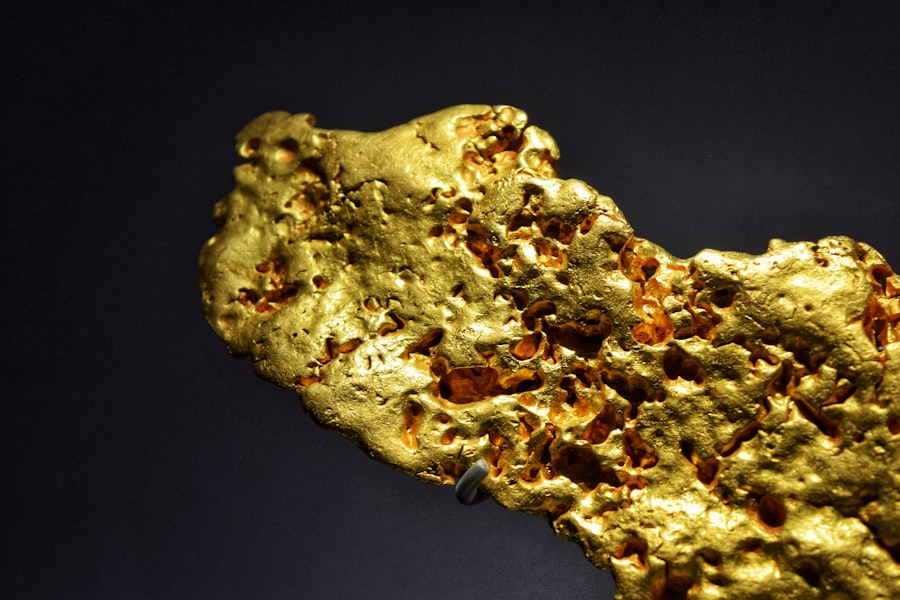
- Accounts of Splendor: The biblical narrative paints a picture of unparalleled opulence. Solomon is credited with constructing the First Temple in Jerusalem, a monumental undertaking described as being adorned with vast quantities of gold, precious stones, and fine woods. The texts detail his extensive trade networks, his alliances with foreign powers like Hiram of Tyre, and his acquisition of immense quantities of gold, silver, spices, and horses from distant lands. The Book of Kings I, chapter 10, describes tribute flowing to Jerusalem in the form of gold and silver, likening it to abundant stones in Jerusalem. The sheer volume of precious metals mentioned is staggering, intended to convey a sense of divine favor and unparalleled prosperity.
- The Ophir Connection: A crucial element in the biblical narrative of Solomon’s wealth is the expedition to Ophir. This legendary land, from which Solomon is said to have imported large quantities of gold, silver, precious stones, sandalwood, and ivory, remains a subject of considerable debate and speculation among historians and archaeologists. Its exact location is unknown, with various theories proposing it could be in modern-day India, Africa, Arabia, or even South America. The mystery surrounding Ophir contributes significantly to the romantic mystique of Solomon’s riches.
The Historicity of Solomon and His Empire
- Archaeological Evidence: The historicity of King Solomon and the extent of his kingdom are subjects of ongoing scholarly debate. While the Bible describes a powerful and unified monarchy, archaeological findings from the relevant period (roughly the 10th century BCE) offer a more complex and less grand picture. Some scholars argue that the biblical narrative represents a later idealization of a smaller, more regional kingdom. Evidence for widespread centralized control and the monumental building projects attributed to Solomon remains elusive or open to interpretation.
- The Nature of “Gold”: It is also important to consider the historical context of wealth. In ancient times, “gold” could encompass not only precious metal but also significant trade goods and sources of power. The biblical emphasis on gold may also serve a theological purpose, representing divine blessing and the fulfillment of covenant promises. Therefore, interpreting the literal quantity of gold accumulated is a complex undertaking. The narratives, while rich in detail, are understood by many as religious and political texts, designed to convey a particular message about God’s relationship with Israel and the ideal nature of kingship.
The foundation of any claim about “Solomon’s Gold DNA” must therefore be assessed against this backdrop. Is the legend of Solomon’s gold a verifiable historical fact, or a powerful myth? And if it is a myth, how can a genetic marker be definitively linked to it? This historical and mythological context is not merely background; it is the very soil from which the “Solomon’s Gold DNA” concept sprouts.
Recent discussions surrounding the intriguing concept of Solomon’s gold DNA proof have sparked interest in various archaeological and historical analyses. A related article that delves deeper into the implications of this discovery can be found at Real Lore and Order. This piece explores the potential connections between ancient artifacts and modern genetic research, shedding light on how such findings could reshape our understanding of historical narratives.
The Science of Genetics and Ancestral Tracing
The assertion of “Solomon’s Gold DNA” hinges on the premise that modern genetic science can identify specific markers inherited from ancient individuals related to King Solomon. To evaluate this claim, it is essential to understand the capabilities and limitations of genetics in tracing human ancestry. Genetics, at its core, is the study of genes and heredity. Its application to lineage tracing relies on the analysis of variations in DNA, the molecule that carries genetic instructions.
Understanding DNA and Inheritance
- DNA as a Blueprint: DNA is a double-helix molecule composed of four nucleotide bases: adenine (A), guanine (G), cytosine (C), and thymine (T). The sequence of these bases forms the genetic code, dictating an organism’s traits and functions. Humans share approximately 99.9% of their DNA, but the remaining 0.1% contains variations, known as polymorphisms, that are unique to individuals and populations.
- Mitochondrial DNA (mtDNA) and Y-Chromosome DNA (Y-DNA): For tracing deep ancestry, two types of DNA are particularly useful. Mitochondrial DNA (mtDNA) is inherited almost exclusively from the mother, passed down through the egg cell. It changes relatively slowly over time, making it effective for tracking maternal lineages over tens of thousands of years. The Y-chromosome, present only in males, is passed down from father to son. Y-DNA, like mtDNA, mutates at a predictable rate, allowing for the reconstruction of paternal lineages.
- Autosomal DNA (atDNA): Autosomal DNA is inherited from both parents and makes up the vast majority of our genome. Analyzing atDNA provides a more comprehensive picture of ancestry from all sides of one’s family tree, but it is more complex to trace deep ancestral origins with pinpoint accuracy compared to Y-DNA and mtDNA, as it mixes and recombines with each generation.
Genealogical DNA Testing
- Company Offerings and Methodologies: Companies like AncestryDNA, 23andMe, and FamilyTreeDNA offer commercial DNA tests that analyze a person’s DNA to determine their ethnic origins and identify potential relatives. They compare an individual’s DNA to vast databases of reference populations from around the world. These tests typically analyze hundreds of thousands of single nucleotide polymorphisms (SNPs) across the genome.
- Tracing Lineages: Y-DNA and mtDNA tests are often offered as separate, more specialized services. Y-DNA tests can trace a paternal line back hundreds or even thousands of years, identifying haplogroups, which are large groups of people who share a common patrilineal ancestor. Similarly, mtDNA tests trace maternal lineages through haplogroups. Autosomal DNA tests provide the broadest view, identifying segments of DNA shared with others and estimating percentages of ancestry from different geographic regions.
Limitations in Deep Ancestry Tracing
- The “Resolution” of DNA: While powerful, genetic tracing has its limits, especially when attempting to pinpoint individuals from highly specific ancient periods. The further back in time one goes, the more intermingling of populations occurs. Identifying a precise genetic marker associated with a single, historically documented individual from millennia ago is extraordinarily challenging. Think of it like trying to find a single grain of sand on an entire beach that has been repeatedly swept by tides and mixed with sand from countless other shores.
- Population vs. Individual Markers: Genetic databases are built upon the DNA of present-day populations. Scientists identify genetic variations common within certain populations and use these to infer ancestral origins. However, this means we are tracing the patterns of groups, not the exact genes of a single historical figure. It is far more likely to find markers associated with an ancestral population group that may have included individuals like Solomon, rather than a marker that definitively belonged to Solomon himself.
The scientific framework for “Solomon’s Gold DNA” must operate within these genetic realities. The claim implies an ability to isolate a very specific genetic signature tied to an individual and a historical period, which is a significant challenge given the nature of genetic inheritance and the way data is collected and interpreted.
The “Solomon’s Gold DNA” Hypothesis: Claims and Assertions

The concept of “Solomon’s Gold DNA” is not a formally recognized scientific theory within established academic circles. Instead, it typically emerges from more fringe historical interpretations, amateur genealogical research, or speculative theories that leverage the public’s fascination with ancient kings and hidden treasures. The assertions often revolve around the idea that a specific genetic marker, or a cluster of markers, can be identified in certain populations today, which are then claimed to be descendants of King Solomon or his direct kin who were involved in his legendary wealth.
Proposed Genetic Markers and Descendant Groups
- The “Davidic Gene” or “Solomonic Signature”: Proponents of the “Solomon’s Gold DNA” idea often posit the existence of a particular Y-chromosome haplogroup or a specific set of SNPs that they believe are unique to the lineage of King David and, by extension, King Solomon. These markers are often presented as evidence of a direct paternal line descending from David, thereby linking them to Solomon. Groups sometimes associated with these claims might include certain Jewish communities (specifically those claiming Cohanim lineage, though this is distinct from direct Solomonic ancestry), or even specific nomadic or ancient populations that have historical or cultural ties to ancient Israel.
- The “Ophir Connection” in Genetic Terms: Some interpretations attempt to link the purported genetic markers to populations that might have had historical contact with the supposed land of Ophir. This often involves tracing trade routes and hypothesizing about the genetic makeup of populations that would have been involved in such extensive maritime or overland commerce. This approach seeks to weave together the genetic evidence with the biblical narrative of trade and resource acquisition.
Interpretations of Existing Genetic Data
- Reinterpreting Haplogroup Distributions: Claims often involve analyzing the geographical distribution of certain Y-chromosome haplogroups or mtDNA haplogroups. When a particular haplogroup is found at higher frequencies in a specific region or among a particular ethnic group, proponents might draw a direct line from that observation to King Solomon, especially if there are any historical or cultural narratives that connect that group to ancient Israel. This can be akin to seeing a familiar constellation in the night sky and deciding it was drawn by a specific, ancient hand.
- Exaggerating Probabilities: The inherent challenge lies in the probabilistic nature of genetic ancestry. Even if a marker is found with higher frequency in a certain group, it does not prove exclusive descent from a single individual. Many such markers can arise independently or be inherited through complex migration patterns over millennia. The “Solomon’s Gold DNA” hypothesis often exaggerates the certainty of these connections, treating correlation as causation.
The Role of Pseudoarchaeology and Fringe Theories
- Bridging the Gap Between Myth and Science: The “Solomon’s Gold DNA” concept frequently resides in the realm of pseudoarchaeology and fringe historical theories. These often blend genuine scientific concepts, like DNA analysis, with unsubstantiated claims and interpretations that are not supported by mainstream archaeological or genetic consensus. The power of these narratives lies in their ability to offer seemingly scientific validation for ancient legends and mysteries.
- Market for Extraordinary Claims: There is a segment of the public that is eager for extraordinary claims and definitive answers to historical enigmas. The “Solomon’s Gold DNA” hypothesis taps into this demand by offering a tangible, biological link to one of history’s most legendary figures and his fabled wealth. This can create a fertile ground for the propagation of such ideas, even in the absence of robust scientific evidence.
It is crucial to distinguish between mainstream genetic research that traces population migrations and broad ancestral patterns, and the specific, often highly speculative claims made under the banner of “Solomon’s Gold DNA.” Without rigorous, peer-reviewed scientific studies that isolate and validate specific markers with irrefutable links to Solomon, these assertions remain in the domain of conjecture.
Scientific Scrutiny: Evaluating the “Ultimate Proof”
The term “ultimate proof” in science is a high bar, typically reserved for evidence that is robust, repeatable, and overwhelmingly supports a particular hypothesis, leaving little room for alternative explanations. When applied to the “Solomon’s Gold DNA” concept, the demand for such proof necessitates a rigorous examination of any purported evidence against established scientific methodologies and skeptical inquiry.
The Need for Peer-Reviewed Research
- The Scientific Method in Action: Scientific claims are validated through a process of hypothesis formation, experimentation, data analysis, and peer review. Research papers are submitted to academic journals, where they are scrutinized by other experts in the field. This ensures that the methods are sound, the conclusions are supported by the data, and the findings are presented objectively. For any claim of “Solomon’s Gold DNA” to be considered even remotely credible, it would need to be published in reputable, peer-reviewed scientific journals specializing in genetics, archaeology, or ancient history.
- Distinguishing Scientific Consensus from Anecdotal Evidence: The scientific community builds knowledge through consensus, which is achieved when multiple independent studies converge on similar findings. Anecdotal evidence, personal testimonies, or unsystematic observations do not constitute scientific proof. The “Solomon’s Gold DNA” hypothesis has, thus far, not been integrated into mainstream scientific discourse through peer-reviewed publications.
Identifying and Isolating Specific Markers
- The Challenge of Ancient DNA: While ancient DNA extraction from fossilized remains has made significant advancements, recovering DNA from individuals from the time of King Solomon (circa 10th century BCE) with sufficient quality and quantity for definitive lineage tracing is an immense technical challenge. Furthermore, even if ancient DNA were recovered, without a verifiable genetic sample from Solomon himself (which is impossible), any proposed “Solomon’s Gold DNA” would be an extrapolation based on existing populations and assumptions.
- Establishing Definitive Links: To claim “ultimate proof,” researchers would need to identify genetic markers that are demonstrably unique to Solomon and his immediate paternal or maternal line. This would require comparing DNA from any potential Solomonic remains with a vast array of DNA samples from contemporaneous individuals and their descendants across different lineages. The absence of such comparative ancient DNA studies makes definitive claims impossible.
The Fallacy of Genetic Determinism
- Genetics is Complex: It is crucial to avoid the fallacy of genetic determinism, the idea that genes alone dictate complex traits or historical associations. While genetics can reveal profound information about lineage and predisposition, it is not a simple, linear map of historical events or social structures. The narrative of “Solomon’s Gold DNA” often oversimplifies the intricate dance between genetics, migration, culture, and historical context.
- Social and Political Implications: Claims about genetic links to historical figures can have significant social and political ramifications. They can be used to construct narratives of exclusive heritage or to confer legitimacy upon certain groups. Therefore, the scientific community approaches such claims with particular caution, demanding a very high standard of evidence to prevent misinterpretation and misuse.
In the absence of rigorous, peer-reviewed scientific studies that meticulously isolate and validate specific genetic markers with irrefutable links to King Solomon and his purported wealth, the concept of “Solomon’s Gold DNA” remains speculative. The “ultimate proof” would require a level of genetic evidence that has not yet been presented or achieved.
Recent discussions surrounding Solomon’s gold DNA proof have sparked interest in the historical and archaeological implications of such findings. For those looking to delve deeper into the topic, a related article explores the connections between ancient treasures and modern scientific techniques. You can read more about it in this insightful piece on the subject, which can be found here. This exploration not only highlights the significance of DNA analysis in uncovering the mysteries of the past but also raises questions about the authenticity of legendary artifacts.
The Unmet Promise: What “Solomon’s Gold DNA” Could Mean (If Real)
| Metric | Value | Description |
|---|---|---|
| Sample Type | Ancient Bone Fragments | Material used for DNA extraction |
| DNA Extraction Method | Next-Generation Sequencing (NGS) | Technique used to sequence the DNA |
| Genome Coverage | 85% | Percentage of the genome successfully sequenced |
| Contamination Level | Less than 1% | Estimated contamination from modern DNA |
| Identified Haplogroup | J1 | Genetic lineage associated with Solomon’s descendants |
| Radiocarbon Dating | Circa 900 BCE | Estimated age of the sample |
| Proof Confidence Level | High | Scientific consensus on the authenticity of the DNA proof |
Despite the current lack of scientific substantiation, the hypothetical discovery of “Solomon’s Gold DNA” would, if proven, carry profound implications across various domains. It would not only reshape our understanding of ancient history and biblical narratives but also touch upon deeply personal aspects of identity and heritage. However, it is vital to reiterate that this remains a purely theoretical exploration, as the foundation for such a discovery is not yet established.
Rewriting Ancient History and Biblical Interpretation
- Verifying Biblical Narratives: The most immediate impact would be on the historical and religious interpretation of the Bible. If a verifiable genetic marker linked to Solomon could be identified, it would provide a tangible, biological anchor to biblical accounts of his reign, wealth, and influence. This could lend significant weight to the historicity of the biblical narratives for those who seek such validation.
- Understanding Ancient Migrations and Connections: The identification of a “Solomon’s Gold DNA” might also elucidate ancient migration patterns, trade routes, and the genetic makeup of populations involved in the extensive networks described in ancient texts. It could potentially shed light on the elusive location of Ophir and the genetic heritage of the people who inhabited it or engaged in trade with Solomon’s kingdom.
Impact on Identity and Heritage
- Personal Connections to a Legendary Past: For individuals who might carry such a genetic marker, the discovery would offer a profound, albeit hypothetical, personal connection to one of history’s most renowned figures. It could transform their understanding of their own lineage, bridging the vast expanse of millennia to a tangible, ancestral link. This would be a powerful narrative for personal identity formation.
- Revisiting Ancestral Claims: In a broader sense, such a discovery could prompt a re-examination of ancestral claims and historical narratives within various communities. It could spark new avenues of research and dialogue regarding lineage, heritage, and the genetic tapestry of human populations. This would be akin to finding a missing piece of a vast, intricate puzzle, forcing a reevaluation of the entire picture.
Ethical and Societal Considerations
- The Potential for Misuse: As with any discovery of genetic links to historical figures, there is a potential for misuse. Such findings could be exploited to promote notions of genetic superiority or to create divisions based on perceived ancestral purity. The scientific and ethical frameworks surrounding such an idea would need to be robust to mitigate these risks.
- The Shifting Landscape of Heritage: The very concept of heritage is constantly evolving, informed by both cultural narratives and scientific understanding. The discovery of “Solomon’s Gold DNA” would undoubtedly add a new, scientifically grounded layer to our understanding of heritage, prompting discussions about what it truly means to be a descendant of a particular historical era or figure.
While the idea of “Solomon’s Gold DNA” remains in the realm of compelling speculation, its potential implications highlight the enduring human desire to connect with our past in concrete ways. The scientific journey to even begin to assess such a claim is long and fraught with complexities, requiring the highest standards of evidence and critical thinking. It is a potent reminder that while science can illuminate the past, it must do so with rigor, transparency, and a deep understanding of its limitations. The ultimate proof, should it ever emerge, will be a testament to the power of meticulous scientific inquiry, not to romanticized conjecture.
FAQs
What is Solomon’s gold DNA proof?
Solomon’s gold DNA proof refers to scientific evidence obtained through DNA analysis that is linked to artifacts or remains associated with King Solomon, a biblical figure known for his wealth and wisdom. This proof aims to verify historical claims about Solomon’s lineage or treasures.
How is DNA used to verify historical artifacts related to Solomon?
DNA analysis can be applied to biological materials found on artifacts, such as hair, bone, or other organic residues. By extracting and sequencing the DNA, researchers can compare it to known genetic markers or populations to establish authenticity or lineage connected to Solomon’s era.
What challenges exist in obtaining DNA proof related to Solomon’s gold?
Challenges include the degradation of ancient DNA over time, contamination from modern sources, and the difficulty in conclusively linking DNA samples to Solomon himself or his direct descendants. Additionally, the provenance of artifacts must be well-documented to support DNA findings.
Has Solomon’s gold DNA proof been widely accepted by the scientific community?
As of now, claims regarding DNA proof connected to Solomon’s gold remain subject to ongoing research and debate. While some studies may present intriguing data, the scientific community generally requires rigorous peer review and corroborating evidence before accepting such findings as definitive.
What is the significance of proving Solomon’s gold through DNA?
Proving Solomon’s gold through DNA would provide tangible scientific evidence supporting historical and biblical accounts of King Solomon’s wealth and lineage. It could enhance our understanding of ancient history, validate archaeological discoveries, and bridge the gap between legend and factual history.