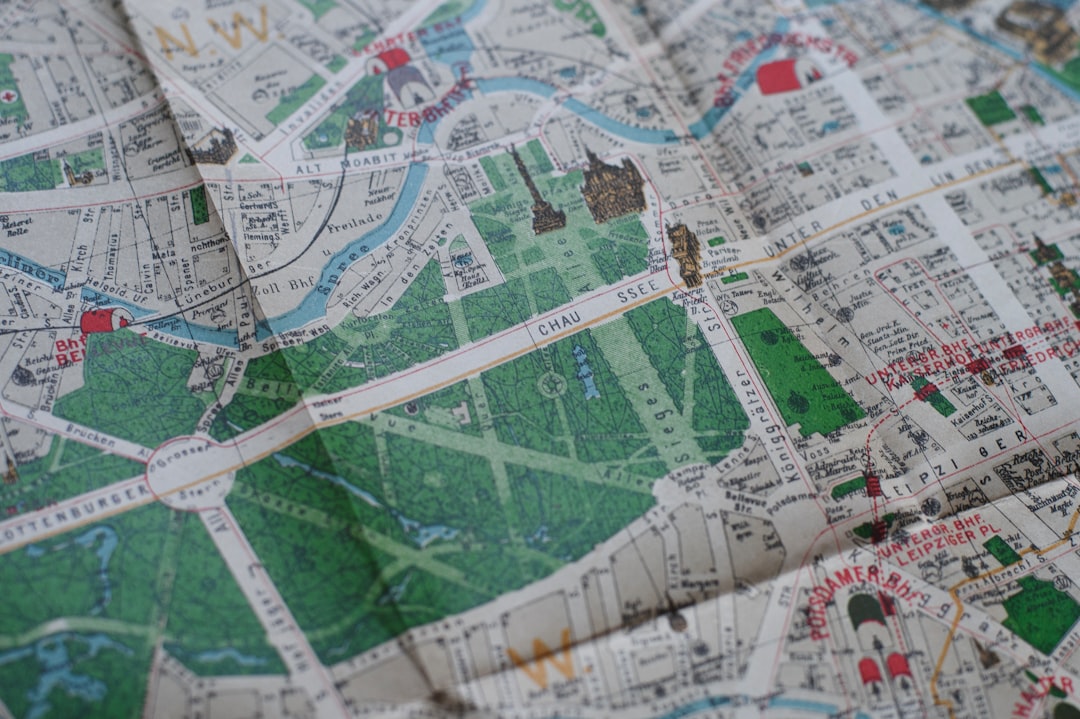
State cartographic monopolies refer to the control that governments exert over the production, distribution, and use of maps and geographic information. This control can manifest in various forms, including the regulation of mapping agencies, the restriction of data access, and the enforcement of intellectual property rights. Such monopolies often arise from the belief that accurate geographic information is vital for national interests, including security, economic development, and public safety.
By centralizing mapping efforts, states aim to ensure that the information disseminated is reliable and serves the public good. The implications of state cartographic monopolies extend beyond mere control over maps. They can influence how citizens perceive their environment and interact with it.
For instance, when a government monopolizes mapping data, it can shape narratives about territory, resources, and even identity. This control can lead to a skewed representation of reality, where certain areas are highlighted while others are marginalized or omitted entirely. As a result, understanding state cartographic monopolies is crucial for grasping the broader implications of geographic information systems (GIS) in society.
Key Takeaways
- State cartographic monopolies centralize control over map production and distribution, influencing national security and information access.
- Historical mapping control reflects political power dynamics and has evolved with technological advancements.
- Controversies arise from restricted access, ethical concerns, and challenges posed by private sector involvement.
- Technology plays a dual role by enabling both tighter state control and increased public access to mapping data.
- Promoting transparency and collaboration between state and private sectors is key to balancing security and open access.
The History of Mapping Control
The history of mapping control is as old as cartography itself. From ancient civilizations that created rudimentary maps to modern states employing sophisticated satellite imagery, the desire to control geographic information has been a constant theme. In many cases, early maps were tools of power, used by empires to assert dominance over territories and peoples.
The Treaty of Tordesillas in 1494, which divided the New World between Spain and Portugal, exemplifies how mapping was intertwined with colonial ambitions and territorial claims. As technology advanced, so did the methods of mapping control. The advent of printing in the 15th century allowed for the mass production of maps, but it also led to conflicts over intellectual property and accuracy.
Governments began to recognize the strategic importance of maps during wars, leading to increased regulation and oversight. The establishment of national mapping agencies in the 19th and 20th centuries marked a significant shift toward state control over cartographic information. These agencies were tasked with producing accurate maps for military and civilian use, further entrenching the state’s role in mapping.
The Impact of State Cartographic Monopolies

The impact of state cartographic monopolies is multifaceted, affecting various sectors such as urban planning, environmental management, and disaster response. By controlling access to geographic data, states can influence how resources are allocated and how communities are developed. For instance, a government may prioritize certain areas for infrastructure development based on its own mapping data, potentially neglecting marginalized communities that lack representation in official maps.
Moreover, state cartographic monopolies can stifle innovation in the private sector. When governments hold exclusive rights to geographic information, private companies may find it challenging to create new products or services that rely on mapping data. This can lead to a lack of competition and reduced opportunities for technological advancement.
In contrast, open access to mapping data can foster collaboration between public and private entities, driving innovation and improving services for citizens.
Challenges and Controversies Surrounding Mapping Control
The challenges surrounding state cartographic monopolies are numerous and complex.
Governments often justify restrictive mapping policies by citing security concerns, arguing that detailed geographic data could be exploited by malicious actors.
However, this rationale can lead to excessive secrecy and hinder transparency, making it difficult for citizens to engage with their environment meaningfully. Controversies also arise from the potential misuse of mapping data for political purposes. Governments may manipulate maps to support specific narratives or agendas, leading to disputes over territorial claims or resource distribution.
For example, maps that omit certain regions or misrepresent borders can exacerbate tensions between neighboring countries or within diverse populations. These controversies highlight the need for ethical considerations in mapping practices and the importance of accountability in state cartographic monopolies.
The Role of Technology in Mapping Control
| Country | State Cartographic Monopoly | Year Established | Primary Agency | Scope of Monopoly | Key Metrics |
|---|---|---|---|---|---|
| France | Institut Géographique National (IGN) | 1940 | IGN | National topographic mapping and geospatial data | Map scale coverage: 1:25,000 to 1:1,000,000; Annual map updates: 5% |
| Russia | Federal Service for State Registration, Cadastre and Cartography (Rosreestr) | 2004 | Rosreestr | Topographic and cadastral mapping | Map scale coverage: 1:10,000 to 1:1,000,000; Digital map database size: 500 TB |
| China | National Administration of Surveying, Mapping and Geoinformation | 1954 | NASMG | National mapping and geospatial information | Annual map production: 10,000+ sheets; GIS data layers: 50+ |
| India | Survey of India | 1767 | Survey of India | Topographic and cadastral mapping | Map scale coverage: 1:25,000 to 1:1,000,000; Annual map updates: 3% |
| United Kingdom | Ordnance Survey | 1791 | Ordnance Survey | National mapping and geospatial data | Map scale coverage: 1:10,000 to 1:250,000; Digital map products: 100+ |
Technology plays a pivotal role in shaping state cartographic monopolies. The rise of Geographic Information Systems (GIS) has revolutionized how maps are created and utilized, allowing for more sophisticated analysis and visualization of spatial data. Governments have increasingly adopted these technologies to enhance their mapping capabilities, leading to more accurate and detailed representations of geographic information.
However, this technological advancement also raises questions about data ownership and access. As states invest in high-tech mapping solutions, they may become more protective of their data, limiting public access under the guise of proprietary rights or national security concerns. This trend can create a digital divide where only certain entities—often those with financial resources—can access advanced mapping tools and data.
Consequently, while technology has the potential to democratize mapping practices, it can also reinforce existing power dynamics if not managed transparently.
International Perspectives on State Cartographic Monopolies
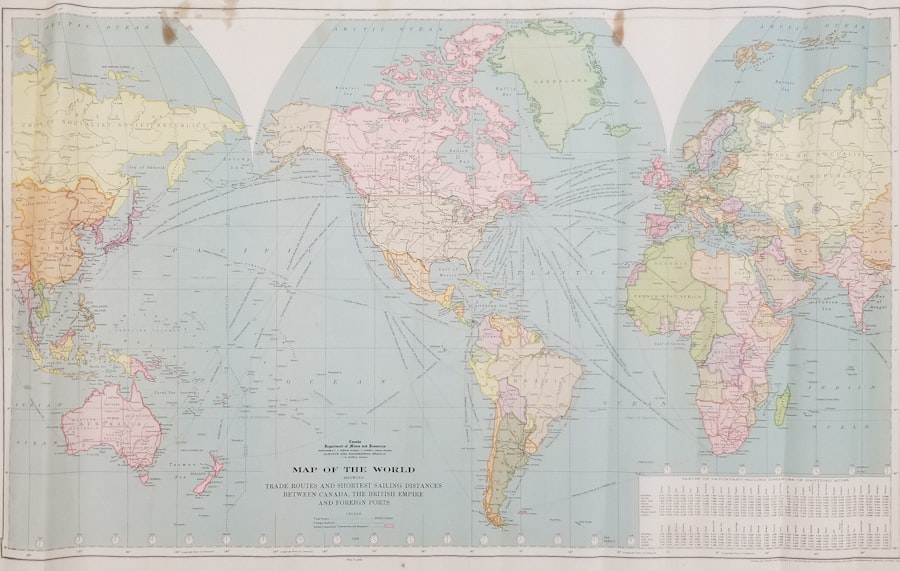
International perspectives on state cartographic monopolies vary significantly based on cultural, political, and economic contexts. In some countries, particularly those with strong democratic traditions, there is a push for open data initiatives that promote transparency and public access to geographic information. These efforts aim to empower citizens by providing them with the tools necessary to engage with their environment critically.
Conversely, in authoritarian regimes or conflict-prone regions, mapping control may be used as a tool for oppression or surveillance. Governments may restrict access to geographic data to maintain power or suppress dissenting voices. In such contexts, international organizations often advocate for open mapping practices as a means of promoting human rights and fostering civic engagement.
The contrasting approaches to state cartographic monopolies highlight the need for a nuanced understanding of how geography intersects with governance on a global scale.
The Future of Mapping Control
The future of mapping control is likely to be shaped by ongoing technological advancements and evolving societal expectations regarding transparency and access to information. As more individuals gain access to smartphones equipped with GPS capabilities and mapping applications, there is potential for grassroots mapping initiatives to emerge. These citizen-led efforts can challenge traditional state monopolies by providing alternative perspectives on geographic information.
However, this democratization of mapping also poses challenges for governments seeking to maintain control over geographic data. As open-source mapping platforms gain popularity, states may need to adapt their policies to accommodate these changes while balancing national security concerns. The future landscape of mapping control will likely involve negotiations between state interests and public demands for transparency and accessibility.
The Legal and Ethical Implications of State Cartographic Monopolies
The legal implications surrounding state cartographic monopolies are complex and often contentious. Intellectual property laws play a significant role in determining who owns geographic data and how it can be used. Governments may assert ownership over maps produced by state agencies while simultaneously restricting access to this information through copyright or licensing agreements.
Ethically, the monopolization of mapping data raises questions about accountability and representation. When governments control geographic information, they hold significant power over how communities are portrayed and understood. This power dynamic necessitates ethical considerations regarding inclusivity and fairness in mapping practices.
Ensuring that diverse voices are represented in cartographic narratives is essential for fostering trust between citizens and their governments.
The Relationship Between Mapping Control and National Security
The relationship between mapping control and national security is a critical aspect of state cartographic monopolies. Governments often argue that controlling geographic information is essential for protecting national interests and preventing potential threats. This rationale can lead to restrictive policies that limit public access to maps and spatial data.
However, this focus on security can create tension between safeguarding national interests and promoting transparency. Citizens have a right to access information about their environment, which is crucial for informed decision-making and civic engagement. Striking a balance between these competing interests is essential for fostering trust between governments and their constituents while ensuring that national security concerns are adequately addressed.
The Role of Private Sector in Mapping Control
The private sector plays an increasingly prominent role in shaping the landscape of mapping control. Companies specializing in geospatial technologies have emerged as key players in providing mapping solutions that complement or compete with government efforts. This dynamic has led to innovative applications of geographic data across various industries, from urban planning to disaster management.
However, the rise of private sector involvement also raises questions about data ownership and accessibility. When private companies control significant portions of geographic information, there is a risk that public interests may be sidelined in favor of profit motives. Ensuring collaboration between public agencies and private entities is essential for creating a balanced approach to mapping control that prioritizes both innovation and public good.
Strategies for Promoting Transparency and Access in Mapping Control
Promoting transparency and access in mapping control requires a multifaceted approach that involves collaboration among governments, civil society organizations, and private sector stakeholders. One effective strategy is the implementation of open data initiatives that encourage governments to share geographic information freely with the public. By making maps and spatial data accessible, governments can empower citizens to engage with their environment actively.
Additionally, fostering partnerships between public agencies and community organizations can enhance local knowledge production through participatory mapping initiatives. These collaborations allow marginalized voices to contribute to cartographic narratives while challenging traditional power dynamics associated with state monopolies. Ultimately, promoting transparency in mapping control is essential for building trust between governments and citizens while ensuring that geographic information serves the public interest rather than merely state agendas.
In conclusion, understanding state cartographic monopolies involves examining their historical roots, contemporary implications, and future trajectories within an increasingly interconnected world. As technology continues to evolve and societal expectations shift toward greater transparency, navigating the complexities surrounding mapping control will be crucial for fostering equitable access to geographic information for all stakeholders involved.
In recent discussions about state cartographic monopolies, it’s essential to consider the implications of government control over mapping resources. A related article that delves into this topic can be found at realloreandorder.
com/sample-page/’>this link, where various aspects of cartographic access and the impact of monopolies on public information are explored. Understanding these dynamics is crucial for fostering a more equitable approach to geographic data dissemination.
WATCH THIS! 🗺️ The Map That Proves Humans Explored Earth 5,000 Years Too Early
FAQs
What is a state cartographic monopoly?
A state cartographic monopoly is a government-controlled system where the production, distribution, and sale of maps and geographic information are exclusively managed or regulated by a state agency or authority.
Why do some countries establish state cartographic monopolies?
Countries may establish state cartographic monopolies to ensure the accuracy, security, and standardization of geographic data, to protect sensitive information, and to maintain control over national mapping resources.
How do state cartographic monopolies affect private map producers?
In countries with state cartographic monopolies, private companies may be restricted or prohibited from producing and selling maps without government authorization, limiting competition and private sector involvement in cartography.
What are the advantages of state cartographic monopolies?
Advantages include centralized control over geographic data, consistent quality and standards, protection of national security interests, and prevention of misinformation or unauthorized use of sensitive geographic information.
What are the disadvantages of state cartographic monopolies?
Disadvantages can include reduced innovation, limited access to diverse mapping products, potential bureaucratic inefficiencies, and restricted availability of geographic information to the public or private sectors.
Are state cartographic monopolies common worldwide?
State cartographic monopolies are more common in certain countries, especially those with strict government controls or security concerns, but many countries have moved towards liberalizing cartographic services and encouraging private sector participation.
How do state cartographic monopolies impact geographic data accessibility?
They can limit public and commercial access to geographic data by controlling distribution and pricing, which may affect research, education, and commercial activities relying on maps and spatial information.
Can state cartographic monopolies coexist with open data initiatives?
While challenging, some governments balance state control with open data policies by releasing certain geographic datasets publicly while retaining control over sensitive or strategic information.
What role do international organizations play regarding state cartographic monopolies?
International organizations may promote standards, encourage data sharing, and support capacity building, but they generally respect national sovereignty over cartographic data and do not interfere with state monopolies.
How has technology influenced state cartographic monopolies?
Advances in digital mapping, satellite imagery, and GPS have increased demand for geographic data, sometimes challenging state monopolies by enabling private and open-source mapping initiatives, though some states maintain strict controls despite technological changes.