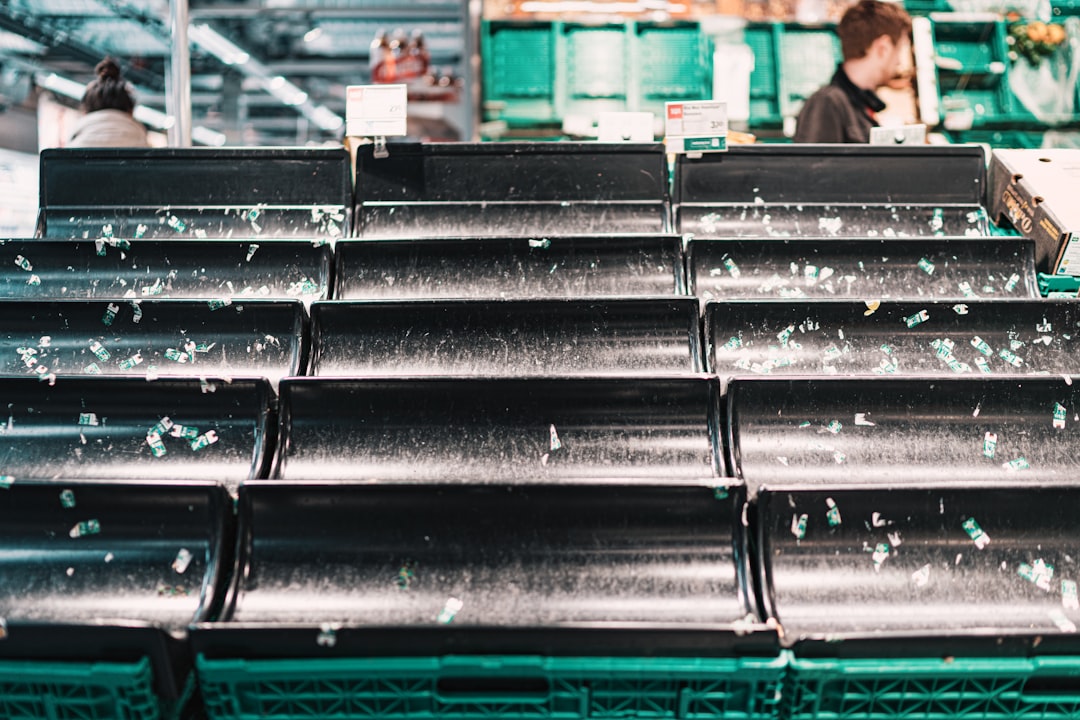
The concept of a “stockpile” often evokes images of doomsday preppers hoarding supplies in a bunker. However, a more nuanced and practical understanding reveals a crucial element of personal and community resilience: the strategic accumulation of emergency supplies for preparedness. This article explores the multifaceted aspects of stockpile strategy, emphasizing its importance in mitigating the impact of unforeseen events and fostering self-sufficiency.
The act of stockpiling, at its core, is a proactive measure designed to bridge the gap between normalcy and the restoration of essential services following a disruptive event. Such events can range from localized power outages and natural disasters like hurricanes, earthquakes, or blizzards, to broader societal disruptions. The rationale is firmly rooted in the recognition of societal vulnerabilities and the limitations of rapid governmental or infrastructural responses in the immediate aftermath of a crisis. Learn more about global trade and its impact on the economy.
The Fragility of Modern Supply Chains
Modern society, while offering unparalleled convenience, is also characterized by highly optimized and interconnected supply chains. This efficiency, however, often comes at the cost of redundancy. A disruption at a single critical node, whether a major transportation hub, a manufacturing facility, or a key distribution center, can ripple through the entire system, leading to widespread shortages of essential goods. Consider the analogy of a spiderweb: remarkably efficient in its design, but a single break can compromise its integrity. A well-considered stockpile acts as a personal buffer against such systemic vulnerabilities.
The Time Lag in Emergency Response
Even the most robust emergency response systems require time to mobilize and reach affected populations. During this critical initial period, individuals and families are largely on their own. A well-stocked pantry and emergency kit provide a lifeline, allowing individuals to sustain themselves without immediate reliance on external aid. This self-sufficiency not only ensures personal well-being but also frees up emergency resources for those in more dire circumstances, implicitly contributing to broader community resilience.
Mitigating Panic and Enhancing Decision-Making
The psychological impact of a crisis can be profound. Uncertainty and scarcity often fuel panic, leading to irrational behavior and exacerbating challenges. Having a pre-established stockpile provides a sense of security and control, allowing individuals to approach difficult situations with a clearer mind. When basic needs are met, mental resources can be directed towards problem-solving, communication, and mutual aid, rather than being consumed by anxieties about survival.
In light of the increasing unpredictability of natural disasters and emergencies, developing a stockpile strategy for emergency supplies has become essential for many households. A related article that delves deeper into effective stockpiling techniques and the importance of preparedness can be found at this link. It offers valuable insights on how to assess your needs, prioritize supplies, and ensure that your stockpile remains effective and up-to-date.
Components of a Comprehensive Stockpile
A truly comprehensive stockpile extends beyond mere food and water. It encompasses a diverse range of items essential for maintaining health, safety, communication, and basic comfort during a prolonged disruption. The specific composition will vary based on individual needs, geographical location, and potential threats, but certain categories remain universally critical.
Food and Water: The Foundation of Survival
Undoubtedly, food and water constitute the most fundamental elements of any emergency stockpile. The human body can only survive a few days without water and a few weeks without food, making these resources paramount.
Water Storage and Purification
For water, the general recommendation is one gallon per person per day for drinking and basic sanitation, aiming for a minimum of a three-day supply, with two weeks being a more robust target. This can be achieved through commercially bottled water, purification tablets, or gravity-fed filtration systems. It is also prudent to consider methods for purifying non-potable water, such as boiling or using chemical treatments, as primary sources may become contaminated.
Non-Perishable Food Items
Food items should be non-perishable, easy to prepare, and require minimal or no cooking. Canned goods (vegetables, fruits, meats, beans), dried fruits, nuts, granola bars, and freeze-dried meals are excellent choices. Consideration should be given to dietary restrictions, allergies, and the nutritional content of stored food. A rotating inventory system, where older items are consumed and replaced with newer ones, ensures freshness and prevents spoilage.
First Aid and Medical Supplies
Beyond basic sustenance, maintaining health and addressing injuries is crucial, especially when professional medical care may be unavailable or overwhelmed.
Essential First Aid Kit Contents
A well-stocked first aid kit should include bandages of various sizes, antiseptic wipes, pain relievers, anti-diarrhea medication, allergy medication, personal prescription medications (with at least a one-week supply, ideally more), and any specialized medical equipment needed for chronic conditions. Consider also including items for managing fevers, such as thermometers and fever reducers.
Hygiene and Sanitation Supplies
Maintaining proper hygiene is vital for preventing the spread of disease, particularly in situations where clean water or waste disposal systems are compromised. Soap, hand sanitizer, wet wipes, feminine hygiene products, garbage bags for waste disposal, and chlorine bleach for sanitizing surfaces are indispensable.
Shelter and Warmth
Depending on the nature of the emergency, maintaining shelter and warmth can be critical for survival and comfort.
Emergency Shelter Options
If evacuation is necessary or homes are rendered uninhabitable, emergency shelter becomes a priority. Tents, tarpaulins, and sturdy blankets can provide temporary protection from the elements. Insulating materials like sleeping bags or thermal blankets are crucial for maintaining body heat in cold environments.
Heating and Lighting Solutions
Power outages are common during emergencies. Flashlights, headlamps, extra batteries, and possibly an alternative lighting source like a hand-crank lantern or solar-powered lights are essential. For heating, non-electric methods such as portable propane heaters (used with extreme caution and ventilation) or solid fuel camping stoves (for cooking) may be considered, depending on local regulations and safety protocols.
Communication and Navigation

In a rapidly evolving emergency, reliable communication and the ability to navigate unfamiliar or damaged terrain are paramount.
Redundant Communication Methods
Reliance solely on cellular networks is precarious, as these systems are often among the first to fail or become overloaded. A battery-powered or hand-crank weather radio with NOAA alerts is indispensable for receiving crucial information. Two-way radios (walkie-talkies) can facilitate communication within a close-knit group. A fully charged power bank or solar charger for mobile devices can extend their utility, but should not be considered a primary communication method.
Maps and Navigation Tools
GPS systems and online maps are excellent in normal circumstances, but can become useless without power or network connectivity. Physical maps of the local area, pre-planned evacuation routes, and a compass are critical for navigation, especially if familiar landmarks are altered or obscured. Knowledge of basic land navigation techniques is also a valuable skill.
Tools and Miscellaneous Essentials
A diverse toolkit and various miscellaneous items can greatly enhance self-sufficiency and problem-solving capabilities during an emergency.
Multi-Purpose Tools
A sturdy multi-tool or a basic toolkit containing a wrench, pliers, screwdriver, and duct tape can be invaluable for minor repairs or improvising solutions. A fixed-blade knife is also a highly versatile tool.
Financial Preparedness
Cash in small denominations should be part of any emergency kit. Electronic payment systems may be non-functional, and ATMs may be inaccessible. Copies of important documents (identification, insurance policies, medical records) stored in a waterproof, fireproof container, both physically and digitally on an encrypted drive, are also crucial.
Comfort and Morale Items
While often overlooked, items that contribute to comfort and morale can significantly impact psychological well-being during stressful times. Books, games, comfort items for children, and even a small supply of favorite treats can provide a much-needed respite and maintain a semblance of normalcy.
When considering a stockpile strategy for emergency supplies, it is essential to stay informed about the best practices and resources available. A related article that offers valuable insights on this topic can be found at Real Lore and Order, where you can explore various tips for effective preparedness. By understanding the importance of a well-thought-out stockpile, you can ensure that you and your loved ones are ready for any unforeseen circumstances.
Establishing and Maintaining Your Stockpile
| Metric | Description | Recommended Value | Notes |
|---|---|---|---|
| Stockpile Duration | Number of days the emergency supplies should last | 14-30 days | Depends on disaster type and response time |
| Water Supply | Amount of water per person per day | 1 gallon (3.8 liters) | Includes drinking and sanitation needs |
| Food Supply | Calories per person per day | 2000-2500 calories | Non-perishable, easy-to-prepare foods preferred |
| Medical Supplies | Basic first aid items per person | 1 kit per 10 people | Includes bandages, antiseptics, pain relievers |
| Sanitation Supplies | Items for hygiene and waste management | 1 kit per person | Includes soap, disinfectants, waste bags |
| Emergency Tools | Essential tools for survival and repair | 1 set per household | Includes flashlight, batteries, multi-tool |
| Storage Conditions | Optimal environment for stockpile preservation | Cool, dry, and dark place | Prevents spoilage and degradation |
| Rotation Frequency | How often supplies should be checked and replaced | Every 6-12 months | Ensures freshness and usability |
Creating a robust stockpile is an ongoing process, not a one-time event. It requires careful planning, regular maintenance, and periodic review to ensure its effectiveness.
Gradual Accumulation and Prioritization
Attempting to acquire all necessary supplies at once can be overwhelming and expensive. A more sustainable approach involves gradual accumulation. Begin with the most critical items – water, non-perishable food, and a basic first aid kit – and then expand systematically. Prioritize based on the most likely threats in your area and your family’s specific needs.
Storage Considerations
Proper storage is crucial for preserving the integrity and shelf life of your supplies. Store items in a cool, dark, dry place, away from extreme temperatures and pests. Canned goods should be stored off the floor to prevent rust. Clearly label all items with their purchase date and expiration date.
Regular Inventory and Rotation
A “first in, first out” (FIFO) system is essential for food and water. As new items are purchased, older items should be moved to the front for consumption, ensuring a continuous rotation and minimizing waste. Regularly inspect all supplies for damage, spoilage, or expiration. Replace batteries annually.
Customization and Adaptability
A generic list of emergency supplies serves as a starting point, but true preparedness involves customization. Consider the unique needs of infants, elderly family members, individuals with disabilities, or pets. The stockpile should also be adaptable to different scenarios, whether sheltering in place or evacuating. Regularly review and update your plan based on changing circumstances, family needs, and emerging threats.
Conclusion
The strategic accumulation of emergency supplies is not an act of cynicism or fear-mongering, but rather a pragmatic exercise in responsible self-reliance. It is an acknowledgment that while society strives for stability, unforeseen disruptions are an inherent part of the human experience. By developing a comprehensive and well-maintained stockpile, individuals and families create a tangible safety net. This buffer, a bulwark against the unexpected, not only safeguards personal well-being but also contributes to the resilience of the broader community, allowing individuals to navigate crises with greater confidence, autonomy, and ultimately, a surer path to recovery.
WATCH THIS! 🌍 GLOBAL TRADE IS A LIE: How Three Chokepoints Control Your Calendar
FAQs
What is a stockpile strategy for emergency supplies?
A stockpile strategy for emergency supplies involves systematically gathering and storing essential items such as food, water, medical supplies, and other necessities to be used during emergencies or disasters. The goal is to ensure preparedness and self-sufficiency when normal supply chains are disrupted.
Why is it important to have a stockpile of emergency supplies?
Having a stockpile of emergency supplies is important because it helps individuals and families survive during unexpected events like natural disasters, power outages, or pandemics. It ensures access to critical resources when stores may be closed or supplies are limited.
What items should be included in an emergency supply stockpile?
An emergency supply stockpile typically includes non-perishable food, clean drinking water, first aid kits, medications, flashlights, batteries, hygiene products, blankets, and tools. The specific items may vary based on individual needs and the types of emergencies anticipated.
How much emergency supplies should one stockpile?
Experts generally recommend having at least a three-day supply of food and water for each person, with some suggesting up to two weeks or more for extended emergencies. The amount depends on factors such as household size, health conditions, and local risks.
How should emergency supplies be stored?
Emergency supplies should be stored in a cool, dry, and easily accessible location. Containers should be sealed to protect against moisture and pests. It is also important to regularly check and rotate supplies to ensure freshness and usability.
How often should emergency supplies be checked or replaced?
Emergency supplies should be reviewed at least twice a year to check expiration dates, replace used or expired items, and update the stockpile based on changing needs or circumstances.
Can stockpiling emergency supplies help during pandemics?
Yes, stockpiling emergency supplies can be particularly helpful during pandemics by reducing the need to leave home frequently, minimizing exposure risk, and ensuring access to necessary items when supply chains are strained.
Is it necessary to have a stockpile if you live in an area with low disaster risk?
While the level of risk varies by location, having a basic emergency supply stockpile is recommended for everyone as emergencies can occur unexpectedly, including power outages, severe weather, or other disruptions.
Are there any guidelines or resources for creating an emergency supply stockpile?
Yes, organizations such as the Federal Emergency Management Agency (FEMA), the Red Cross, and the Centers for Disease Control and Prevention (CDC) provide detailed guidelines and checklists for assembling emergency supply kits tailored to different scenarios.