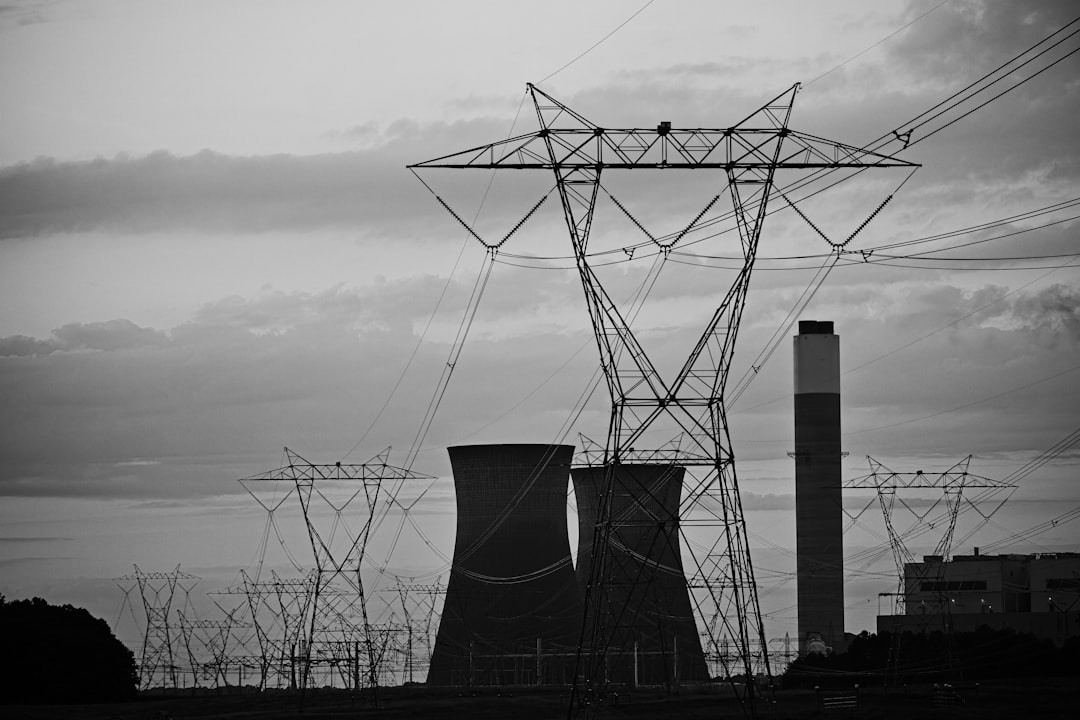
Energy monopolies have long been a significant aspect of the global energy landscape. These occur when a single company or entity controls the production, distribution, and sale of energy within a specific region. This concentration of power typically limits competition, potentially resulting in higher prices and reduced innovation.
Consumers in monopolistic markets often face restricted choices regarding energy providers and options.
Dominant entities may influence regulations and policies to maintain their market position.
This control affects not only pricing structures but also limits the diversity of available energy sources. The implications of energy monopolies extend beyond consumer costs to impact overall market efficiency and technological advancement. Understanding these monopolistic structures is essential for developing effective energy market reforms.
Policies promoting competition and consumer choice can help address the challenges posed by concentrated market power in the energy sector.
Key Takeaways
- Energy monopolies limit competition and innovation in the sector.
- Diversifying and promoting renewable energy sources enhances sustainability.
- Smart grid technology and energy efficiency reduce waste and improve reliability.
- Market reforms and stronger regulations foster competition and protect consumers.
- Supporting community and local energy projects empowers regional energy independence.
Diversifying Energy Sources
Diversifying energy sources is essential for creating a resilient and sustainable energy system. As a consumer, you benefit from a variety of energy options that can help reduce dependence on any single source. By embracing a mix of fossil fuels, nuclear power, and renewables like solar and wind, you can contribute to a more stable energy supply.
This diversification not only enhances energy security but also mitigates the risks associated with price volatility and supply disruptions. When you have access to multiple energy sources, you are less vulnerable to fluctuations in the market. Additionally, diversifying energy sources can lead to environmental benefits.
By incorporating renewable energy into the mix, you can help reduce greenhouse gas emissions and combat climate change. As you become more aware of the environmental impact of your energy choices, you may feel empowered to advocate for policies that support renewable energy development. A diversified energy portfolio not only provides you with more options but also fosters innovation and encourages investment in cleaner technologies.
Promoting Renewable Energy
Promoting renewable energy is crucial for transitioning to a sustainable future. As an individual, you can play a significant role in this movement by supporting policies and initiatives that prioritize clean energy sources. Renewable energy, such as solar, wind, and hydroelectric power, offers numerous advantages over traditional fossil fuels.
These sources are abundant, sustainable, and produce little to no emissions during operation. By advocating for renewable energy, you contribute to reducing air pollution and mitigating climate change. Moreover, investing in renewable energy can lead to job creation and economic growth.
The renewable energy sector has been one of the fastest-growing industries in recent years, providing numerous employment opportunities in manufacturing, installation, and maintenance. By supporting renewable initiatives, you not only help protect the environment but also contribute to local economies. As you become more engaged in promoting renewable energy, you may find that your actions inspire others to join the cause, creating a collective movement toward a cleaner and more sustainable future.
Encouraging Energy Efficiency
Encouraging energy efficiency is another vital aspect of creating a sustainable energy landscape. As a consumer, you have the power to make choices that reduce your energy consumption and lower your utility bills. Simple actions like using energy-efficient appliances, improving insulation in your home, or adopting smart home technologies can significantly decrease your overall energy use.
By prioritizing efficiency, you not only save money but also reduce your carbon footprint. On a larger scale, promoting energy efficiency can lead to substantial benefits for society as a whole. When communities adopt energy-efficient practices, they reduce demand on the grid, which can help prevent blackouts and lower greenhouse gas emissions.
Governments and organizations can support these efforts by implementing programs that incentivize energy-saving measures. As you become more aware of the importance of energy efficiency, you may feel motivated to advocate for policies that promote sustainable practices in your community.
Investing in Smart Grid Technology
| Tactic | Description | Impact on Market | Example Metrics |
|---|---|---|---|
| Price Fixing | Setting artificially high prices to limit competition | Reduced consumer choice, inflated prices | Price increase by 15-30% above competitive rates |
| Exclusive Supply Agreements | Contracts that prevent suppliers from working with competitors | Barriers to entry for new companies | 80% of suppliers locked in exclusive deals |
| Lobbying for Regulatory Barriers | Influencing legislation to create high entry costs | Limits new entrants, maintains monopoly power | Increase in licensing fees by 50% |
| Control of Infrastructure | Owning key transmission and distribution networks | Prevents competitors from accessing customers | 90% of grid infrastructure controlled by monopoly |
| Predatory Pricing | Temporarily lowering prices to drive competitors out | Short-term losses for competitors, long-term market control | Prices reduced by 20% below cost for 6 months |
| Information Suppression | Withholding or manipulating data on energy sources or prices | Consumers and regulators misinformed, less competition | Delayed release of market data by 3 months |
Investing in smart grid technology is essential for modernizing the energy infrastructure and enhancing its efficiency. Smart grids utilize advanced communication and automation technologies to improve the reliability and flexibility of electricity distribution. As a consumer, you stand to benefit from these innovations through improved service quality and reduced outages.
Smart grids enable real-time monitoring of energy consumption, allowing you to make informed decisions about your usage patterns. Furthermore, smart grid technology facilitates the integration of renewable energy sources into the existing grid. By enabling two-way communication between consumers and utilities, smart grids can optimize energy distribution based on demand and supply fluctuations.
This capability not only enhances grid resilience but also empowers you as a consumer to participate actively in managing your energy use. As you embrace smart technologies in your daily life, you contribute to a more efficient and sustainable energy system.
Implementing Energy Market Reforms

Implementing energy market reforms is crucial for fostering competition and ensuring fair pricing for consumers. As an individual navigating the complexities of the energy market, you may find it challenging to understand how pricing structures work or why certain rates are imposed. Reforms aimed at increasing transparency and competition can help demystify these processes and empower you to make informed choices about your energy provider.
Market reforms can also encourage innovation by allowing new entrants to compete with established players. When barriers to entry are lowered, smaller companies can introduce innovative solutions that cater to your needs as a consumer. This increased competition often leads to better services and lower prices.
By advocating for comprehensive market reforms, you contribute to creating an environment where consumers have greater control over their energy choices.
Supporting Community-Owned Energy Projects
Supporting community-owned energy projects is an effective way to promote local sustainability while empowering individuals like yourself. These projects often focus on renewable energy sources such as solar or wind power and are designed to benefit local residents directly. By investing in community-owned initiatives, you help create jobs and stimulate economic growth within your area while reducing reliance on external energy sources.
Moreover, community-owned projects foster a sense of ownership and responsibility among residents. When you participate in local energy initiatives, you become part of a collective effort to create a sustainable future for your community. This involvement not only strengthens social ties but also encourages greater awareness of environmental issues.
As you support these projects, you contribute to building a more resilient local economy while promoting clean energy solutions.
Advocating for Consumer Choice
Advocating for consumer choice is essential in creating a fair and competitive energy market. As a consumer, having the ability to choose your energy provider empowers you to select options that align with your values and preferences. Whether you prioritize cost savings or sustainability, having choices allows you to make informed decisions that reflect your priorities.
Consumer choice also drives competition among providers, leading to better services and lower prices. When companies know they must compete for your business, they are more likely to innovate and improve their offerings. By advocating for policies that promote consumer choice in the energy sector, you contribute to creating an environment where individuals have the power to shape their own energy futures.
Strengthening Regulatory Oversight
Strengthening regulatory oversight is vital for ensuring that the energy market operates fairly and transparently. As a consumer navigating this complex landscape, you rely on regulatory bodies to protect your interests and ensure that companies adhere to ethical practices. Effective oversight helps prevent monopolistic behaviors and ensures that consumers are treated fairly.
Moreover, robust regulatory frameworks can facilitate the transition toward cleaner energy sources by setting clear standards and guidelines for emissions reductions and renewable integration. When regulations are enforced effectively, they create an environment where companies are incentivized to innovate and invest in sustainable practices. By supporting efforts to strengthen regulatory oversight in the energy sector, you contribute to building a fairer market that prioritizes consumer protection and environmental sustainability.
Fostering Competition in the Energy Sector
Fostering competition in the energy sector is essential for driving innovation and improving services for consumers like yourself. When multiple providers compete for your business, they are incentivized to offer better rates and enhanced services. This competition not only benefits consumers through lower prices but also encourages companies to invest in new technologies and sustainable practices.
Additionally, fostering competition can lead to greater transparency in pricing structures and service offerings. As consumers become more informed about their options, they are better equipped to make choices that align with their values and needs. By advocating for policies that promote competition within the energy sector, you play an active role in shaping a market that prioritizes consumer interests while driving progress toward sustainability.
Empowering Local and Regional Energy Initiatives
Empowering local and regional energy initiatives is crucial for building resilient communities that prioritize sustainability. As an individual invested in your community’s future, supporting local projects can lead to significant benefits for both residents and the environment. Local initiatives often focus on renewable energy sources tailored to meet specific community needs while fostering economic growth through job creation.
Moreover, local initiatives encourage community engagement and collaboration among residents. When individuals come together to support shared goals related to energy sustainability, they strengthen social ties while promoting awareness of environmental issues. By empowering local projects through advocacy or participation, you contribute to creating a more sustainable future for your community while enhancing its resilience against external challenges.
In conclusion, navigating the complexities of the energy landscape requires understanding various factors influencing market dynamics and consumer choices.
In the ongoing discussion about energy monopoly suppression tactics, it’s essential to explore various strategies that can be employed to promote competition and protect consumer interests. A related article that delves into these tactics can be found at this link. This resource provides valuable insights into the mechanisms that can be used to challenge monopolistic practices in the energy sector.
FAQs
What is an energy monopoly?
An energy monopoly occurs when a single company or entity controls the majority or entirety of the energy supply within a specific market or region, limiting competition.
What are common tactics used by energy monopolies to suppress competition?
Common tactics include predatory pricing, exclusive contracts, lobbying for restrictive regulations, controlling essential infrastructure, and limiting access to distribution networks.
How do energy monopoly suppression tactics affect consumers?
These tactics can lead to higher prices, reduced innovation, limited choices, and lower quality of service for consumers.
Are energy monopolies legal?
While having a monopoly is not inherently illegal, many countries have antitrust laws and regulations designed to prevent monopolistic practices and promote competition.
What role do governments play in regulating energy monopolies?
Governments often regulate energy markets to prevent abuse of monopoly power, ensure fair pricing, promote competition, and protect consumer interests.
Can energy monopolies impact renewable energy development?
Yes, energy monopolies may suppress renewable energy initiatives to maintain control over traditional energy sources, potentially slowing the transition to cleaner energy.
How can consumers and businesses respond to energy monopoly suppression tactics?
Consumers and businesses can advocate for regulatory reforms, support alternative energy providers, participate in public consultations, and promote transparency in energy markets.
What are some examples of energy monopoly suppression tactics in history?
Examples include exclusive supply agreements that block competitors, lobbying for regulations that favor incumbent providers, and controlling critical infrastructure to limit market entry.
Is deregulation an effective way to combat energy monopolies?
Deregulation can increase competition and reduce monopoly power, but it requires careful implementation to avoid market failures and ensure reliable energy supply.
Where can I find more information about energy monopoly regulations?
Information can be found through government energy departments, regulatory agencies, consumer advocacy groups, and international organizations focused on energy policy.