
The strategic relocation of factory automation represents a complex undertaking with significant implications for operational efficiency, cost structures, and competitive positioning. This process is not merely a logistical exercise but a comprehensive re-evaluation of production paradigms within a new geographical and technological context. Organizations contemplating such a move often initiate it due to a confluence of internal and external factors, ranging from burgeoning market demands to the imperative for technological upgrade.
Relocation projects are typically triggered by a strategic imperative to enhance competitiveness or address limitations of existing facilities. This decision is rarely taken lightly, given the substantial investments in capital, time, and human resources required. Management’s rationale often stems from a thorough analysis of current operational performance against future aspirations. The recent report highlights the impact of [Germany factory closures] on the European economy.
Market Dynamics and Expansion
Globalized markets demand agility. As companies expand into new regions, establishing localized production facilities can significantly reduce lead times and shipping costs. Furthermore, proximity to emerging markets allows for customization of products to local preferences, fostering stronger market penetration. This strategic positioning acts as a forward operating base, enabling quicker response times to shifts in consumer behavior or competitive landscapes. The establishment of localized production can also mitigate the impact of trade barriers and tariffs, a growing concern in an increasingly protectionist global economic environment.
Cost Optimization and Efficiency Gains
Escalating labor costs in established manufacturing hubs often drive businesses to explore lower-cost regions. This is not solely about direct wages but encompasses the entire economic ecosystem, including energy costs, land value, and tax incentives. Automation’s role in this context is paramount; by deploying advanced automated systems, companies can achieve higher throughput with a smaller workforce, thereby capitalizing on both reduced labor expenses and increased production volumes. The relocation becomes a vehicle for implementing these efficiency gains from the ground up, avoiding the constraints of retrofitting dated infrastructure.
Technological Advancement and Obsolescence
Existing facilities may limit the adoption of cutting-edge automation technologies due to their antiquated layout, power supply limitations, or structural integrity. A relocation provides an opportunity to design a factory from first principles, integrating Industry 4.0 concepts from the outset. This includes advanced robotics, artificial intelligence for predictive maintenance, and sophisticated sensor networks. Obsolescence is a silent killer of productivity; by preventing it through forward-thinking design, companies can maintain a technological edge.
Regulatory Compliance and Environmental Considerations
Evolving environmental regulations and stricter compliance standards can necessitate a move. Some older facilities might be prohibitively expensive to upgrade to meet new emissions standards or waste disposal requirements. A new location may offer access to modern infrastructure that supports sustainable manufacturing practices, reducing the company’s environmental footprint and enhancing its brand image. Furthermore, regulatory landscapes vary significantly between jurisdictions; a relocation can be part of a strategy to align operations with more favorable or stable regulatory environments.
In the context of factory automation relocation, an insightful article can be found at Real Lore and Order, which discusses the challenges and strategies involved in moving automated manufacturing systems. This resource provides valuable insights into the logistical considerations, technology integration, and workforce training necessary for a successful transition, making it a must-read for industry professionals navigating similar processes.
The Planning and Design Phase
The success of a factory automation relocation hinges significantly on the meticulousness of its planning and design. This phase resembles the construction of a detailed architectural blueprint, where every component and its interaction are considered prospectively. Errors at this stage can propagate costly delays and inefficiencies throughout the subsequent phases.
Site Selection and Infrastructure Assessment
Choosing the right site is foundational. This involves more than just available land; it necessitates a comprehensive assessment of local infrastructure, including power grids, water supply, transportation networks (roads, rail, ports), and telecommunications. Furthermore, the availability of a skilled talent pool or the potential for training local labor is a crucial human capital consideration. A detailed due diligence process identifies potential bottlenecks and ensures the chosen site can support the intended scale and complexity of automated operations. This due diligence also extends to local zoning laws, access to emergency services, and the political stability of the region.
Automation System Architecture and Layout
The design of the new factory floor must optimize the flow of materials and products through the automated processes. This involves advanced simulation tools to model various layouts and identify the most efficient configurations, minimizing bottlenecks and maximizing throughput. The integration of various automated systems, from robotic assembly lines to automated storage and retrieval systems (AS/RS), requires careful planning to ensure seamless data exchange and coordinated operation. The architecture should also incorporate flexibility for future expansion and technological upgrades, avoiding the pitfalls of rigid, single-purpose designs. The layout is akin to a complex nervous system, where each pathway and connection must be meticulously planned for optimal signal transmission.
Supplier and Vendor Management
Relocating an automated factory involves a multitude of suppliers for machinery, software, components, and services. Effective vendor management is critical to ensure timely delivery, installation, and integration of all new equipment. This often includes establishing robust communication channels, clear contractual agreements, and contingency plans for potential delays or unforeseen issues. Strategic partnerships with key suppliers can also contribute to sharing knowledge and best practices, further streamlining the relocation process. The establishment of strong supplier relationships forms the backbone of the new infrastructure, much like the foundation of a building.
Budgeting and Financial Projections
A comprehensive financial model detailing all costs associated with the relocation – from land acquisition and construction to equipment procurement, installation, and personnel training – is indispensable. This model should also project the anticipated returns on investment, including cost savings, increased production capacity, and enhanced profitability. Contingency funds are crucial to absorb unexpected expenses. Accurate budgeting is the financial compass guiding the entire project, ensuring that the organization remains on a fiscally sound path.
The Execution Phase
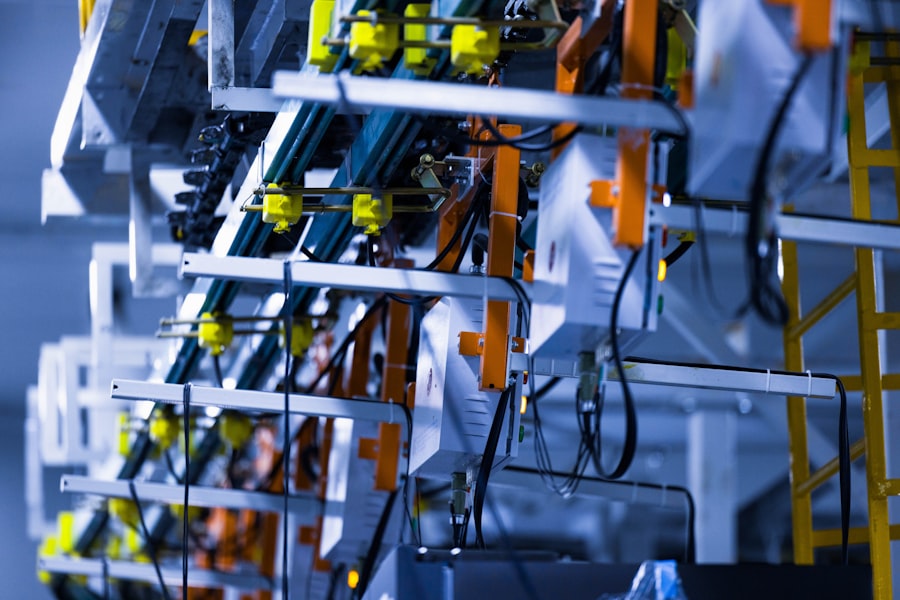
The execution phase transforms the plans and designs into a tangible operational reality. This stage is characterized by intense activity, requiring meticulous coordination and rigorous adherence to schedules.
Decommissioning and Dismantling
The first step in the physical relocation involves decommissioning existing machinery and carefully dismantling it. This process requires specialized skills to ensure that valuable assets are preserved for reinstallation at the new site or for resale. Hazardous materials handling, if present, also requires strict adherence to safety protocols and regulatory guidelines. This phase is much like dismantling a complex clock, where each part must be carefully removed and cataloged to ensure accurate reassembly.
Logistics and Transportation
The physical movement of machinery, components, and raw materials from the old to the new facility represents a significant logistical challenge. This involves coordinating various modes of transport, securing appropriate insurance, and managing complex customs procedures if the relocation crosses international borders. Minimizing transit time and potential damage to equipment are primary concerns. The logistics operation is the circulatory system, ensuring that all vital components reach their destination efficiently and intact.
Installation and Commissioning
Upon arrival at the new site, the automation systems are installed, integrated, and then rigorously tested. This commissioning phase involves fine-tuning software, calibrating sensors, and conducting trial runs to ensure all systems are operating optimally and meeting performance specifications. This critical stage requires a collaborative effort between internal engineering teams and external technical experts. This period is the trial by fire, where theoretical designs meet practical application.
Training and Workforce Development
The introduction of new automation technologies often necessitates a significant investment in workforce training. Employees must be educated on the operation, maintenance, and troubleshooting of the new systems. This can involve both on-site training and off-site specialized courses. For employees whose roles are displaced by automation, reskilling programs are essential to transition them into new positions within the organization or to assist them in finding alternative employment. Investing in human capital ensures that the new automated factory runs smoothly and effectively.
Challenges and Mitigation Strategies
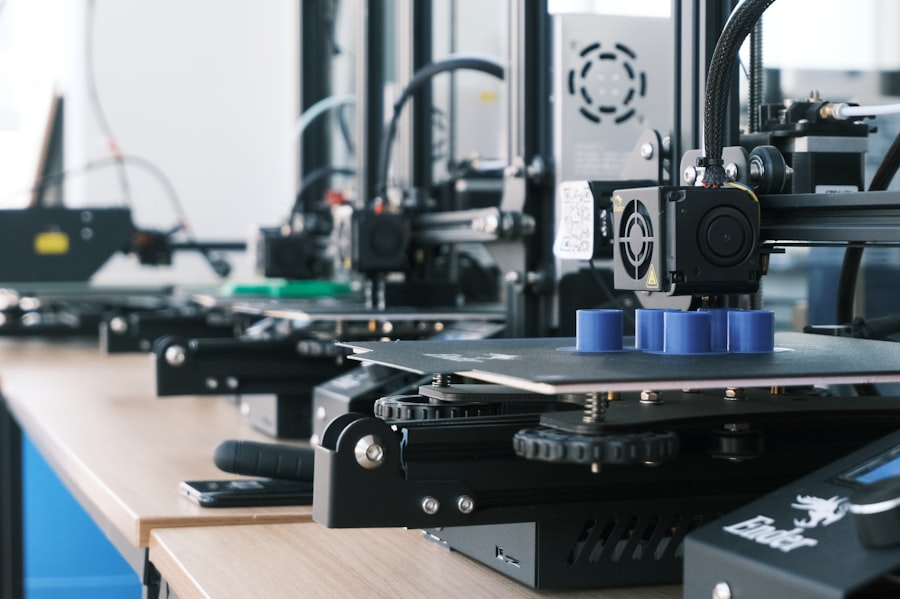
Relocation projects are inherently fraught with challenges, ranging from unforeseen technical issues to human resource complexities. Proactive identification and mitigation strategies are paramount to maintaining project timelines and budgets.
Technical Glitches and Integration Issues
New automation systems, despite rigorous planning, can encounter unexpected technical problems during integration and commissioning. These can range from software incompatibilities to mechanical failures. Robust testing protocols, redundant systems, and readily available technical support from vendors are crucial mitigation strategies. An agile problem-solving approach, where small issues are addressed quickly before escalating, is vital.
Supply Chain Disruptions
The intricate web of a global supply chain is susceptible to disruptions, which can have cascading effects on production schedules. Geopolitical instability, natural disasters, or supplier insolvency can all impede the flow of critical components. Diversifying suppliers, maintaining buffer stocks of essential materials, and establishing clear communication channels with suppliers are effective countermeasures.
Employee Resistance and Morale
Relocation can be disruptive for employees, potentially leading to anxiety about job security, changes in work environment, or the need to acquire new skills. Open and transparent communication from management about the rationale for the relocation, job security assurances, and opportunities for retraining can significantly mitigate resistance and maintain morale. Employee involvement in the planning process, where appropriate, can also foster a sense of ownership.
Regulatory and Legal Compliance
Navigating the complex landscape of international and local regulations can be daunting. This includes environmental permits, labor laws, and import/export restrictions. Engaging legal experts with specific knowledge of the target region is essential to ensure full compliance and avoid costly penalties or operational stoppages.
As companies increasingly seek to optimize their operations, the topic of factory automation relocation has gained significant attention. A recent article discusses the various factors influencing this trend, including cost efficiency and technological advancements. For those interested in exploring this subject further, you can read more about it in this insightful piece on factory automation strategies. Understanding these dynamics can help businesses make informed decisions about their manufacturing processes and locations. To delve deeper, check out the article here: factory automation strategies.
The Post-Relocation Phase
| Metric | Description | Typical Values | Impact on Factory Automation Relocation |
|---|---|---|---|
| Relocation Time | Duration required to move automation equipment to a new site | 2 weeks – 3 months | Longer times increase downtime and production loss |
| Equipment Downtime | Period when machines are non-operational during relocation | 1 day – 4 weeks | Directly affects production capacity and delivery schedules |
| Reinstallation Accuracy | Precision in setting up automation systems post-relocation | 95% – 99.9% | Higher accuracy reduces errors and improves efficiency |
| Cost of Relocation | Expenses related to moving and reinstalling automation systems | Varies widely based on scale and distance | Major factor in decision-making for relocation feasibility |
| Training Time | Time needed to train staff on relocated automation systems | 1 day – 2 weeks | Impacts speed of resuming full production capacity |
| System Compatibility | Degree to which relocated automation integrates with new facility | High to Low | Low compatibility may require additional modifications |
| Risk of Damage | Probability of equipment damage during relocation | Low to Moderate | Damage can cause delays and increased costs |
Once the new automated factory is fully operational, the focus shifts to optimization, continuous improvement, and realizing the full strategic benefits of the relocation. This stage is not an end but a new beginning for the organization.
Performance Monitoring and Evaluation
Continuous monitoring of key performance indicators (KPIs) is critical to assess the effectiveness of the new automated operations. This includes metrics such as production output, waste reduction, energy consumption, and product quality. Regular evaluation against predefined benchmarks allows for identification of areas requiring further optimization. This ongoing evaluation acts as a diagnostic tool, constantly checking the pulse of the new operations.
Continuous Improvement and Optimization
The relocated factory should be viewed as a living system, subject to continuous refinement. This involves regularly reviewing processes, equipment, and software to identify opportunities for further efficiency gains, cost reductions, and enhanced product quality. Lean manufacturing principles and Six Sigma methodologies can be powerfully applied in this context. The pursuit of continuous improvement ensures that the competitive advantage gained through relocation is sustained and expanded.
Scalability and Future Expansion
A well-planned relocation should incorporate considerations for future growth. The design of the new facility should allow for easy expansion of production capacity or the introduction of new product lines without requiring a complete overhaul. This inherent scalability provides long-term flexibility and responsiveness to evolving market demands. This forward-looking design ensures that the factory can evolve with the company’s ambitions.
Knowledge Transfer and Best Practices
Documenting the lessons learned during the relocation process, both successes and challenges, is vital for future projects. This knowledge transfer can inform subsequent operational changes or further expansion plans, creating a reusable framework for strategic initiatives. Sharing best practices across the organization fosters a culture of continuous learning and improvement.
In conclusion, the relocation of factory automation is a multi-faceted process demanding strategic foresight, meticulous planning, and robust execution. It is an investment that, when managed effectively, can yield significant returns in terms of increased efficiency, reduced costs, enhanced competitiveness, and a stronger foundation for future growth. Through careful navigation of its numerous phases and challenges, organizations can harness the transformative power of this strategic undertaking.
WATCH THIS 🔴 SHOCKING: Why Germany’s Factory Exodus Is Permanent (Not Temporary)
FAQs
What is factory automation relocation?
Factory automation relocation refers to the process of moving automated manufacturing systems, including machinery, robotics, and control systems, from one facility to another. This can involve dismantling, transporting, and reinstalling equipment to maintain or improve production efficiency.
Why do companies relocate factory automation systems?
Companies may relocate factory automation systems to optimize production capacity, reduce operational costs, access new markets, upgrade facilities, or consolidate manufacturing operations. Relocation can also be driven by strategic business decisions such as mergers or changes in supply chain logistics.
What are the key challenges in factory automation relocation?
Key challenges include ensuring minimal downtime during the move, safely handling sensitive and complex equipment, maintaining system calibration and integration, managing logistics, and retraining staff at the new location. Proper planning and expert involvement are critical to address these challenges.
How long does a typical factory automation relocation take?
The duration varies widely depending on the size and complexity of the automation systems, distance between locations, and preparation level. It can range from a few weeks to several months, including planning, dismantling, transport, installation, and testing phases.
What steps are involved in relocating factory automation?
The process generally includes assessment and planning, documentation of existing systems, careful dismantling and labeling of equipment, secure transportation, reinstallation and integration at the new site, system testing, and staff training to ensure smooth resumption of production.