The Suez Canal, a man-made waterway slicing through the desert, has long served as a vital artery for global commerce, a shortcut that saves ships navigating the treacherous journey around Africa. However, recent events in the Red Sea and the canal itself have cast a long shadow over this crucial shipping lane, disrupting supply chains and injecting uncertainty into international trade. This article will delve into the multifaceted impacts of these disruptions, examining their origins and consequences across various sectors.
The Suez Canal, inaugurated in 1869, connects the Mediterranean Sea to the Indian Ocean via the Red Sea, facilitating the passage of approximately 12% of global trade volume. Its strategic importance cannot be overstated, serving as a critical nexus for energy, manufactured goods, and raw materials. The ability of the canal to accommodate the ever-increasing size of modern container ships has been meticulously managed, with ongoing expansion projects designed to enhance its capacity and efficiency. Learn more about global trade and its impact on the economy.
Historical Precedents of Disruption
The Suez Canal has experienced closures and disruptions throughout its history, demonstrating its vulnerability to political instability and unforeseen incidents.
- The Suez Crisis (1956): A geopolitical dispute led to the canal’s closure, forcing ships to undertake the longer and more expensive route around the Cape of Good Hope. This event underscored the canal’s susceptibility to international conflicts.
- The Six-Day War (1967): The canal was closed for eight years following the conflict, leading to significant economic ramifications and a re-evaluation of global shipping routes.
- The Ever Given Incident (2021): The grounding of a large container ship, the MV Ever Given, blocked the canal for six days, causing a colossal traffic jam and highlighting the inherent fragility of this narrow passage. This incident served as a stark reminder of how a single unforeseen event can trigger a cascade of disruptions across the globe.
Modern-Day Congestion and Capacity Challenges
Even without external interventions, the Suez Canal faces inherent challenges related to its capacity and the sheer volume of traffic it handles.
- Increased Vessel Size: The advent of ultra-large container vessels (ULCVs) puts pressure on the canal’s dimensions and pilotage capabilities. These behemoths, while efficient in cargo carriage, leave little margin for error within the confined waterway.
- Traffic Management Complexities: Directing a continuous stream of vessels through the canal requires sophisticated traffic management systems, experienced pilots, and responsive emergency services. Any deviation from precise scheduling or unforeseen incidents can quickly lead to bottlenecks.
- Environmental Factors: Sandstorms and adverse weather conditions can temporarily restrict visibility and navigation, contributing to delays and increasing the risk of incidents.
The recent shipping delays in the Suez Canal have been exacerbated by a series of attacks in the Red Sea, raising concerns about maritime security and global trade. These incidents have not only disrupted supply chains but also highlighted the vulnerabilities of key shipping routes. For a deeper understanding of the implications of these developments, you can read more in the related article found here: Suez Canal Shipping Delays and Red Sea Attacks.
The Eruption of Red Sea Attacks
The recent escalation of attacks on commercial shipping in the Red Sea, primarily perpetrated by Houthi rebels in Yemen, has introduced a new and perilous dimension to the challenges facing the Suez Canal. These attacks, often involving missiles and drones, have effectively transformed a bustling maritime highway into a zone of heightened risk.
Origins and Motivations of the Attacks
The Houthi attacks are framed by their perpetrators as a response to the ongoing conflict in Gaza and a demonstration of solidarity with the Palestinian cause.
- Gaza Conflict Link: The Houthis explicitly state their actions are aimed at ships with perceived links to Israel, the United States, or the United Kingdom, exerting pressure on these nations.
- Strategic Leverage: By targeting international shipping, the Houthis aim to elevate their international profile and demonstrate their capacity to disrupt global trade, thereby gaining leverage in regional conflicts.
- Asymmetrical Warfare: The use of relatively inexpensive drones and missiles against vastly more valuable commercial vessels represents a classic example of asymmetrical warfare, designed to inflict disproportionate economic damage.
The Human Cost and Safety Concerns
Beyond the immediate economic implications, the Red Sea attacks pose significant threats to the lives and safety of seafarers.
- Crew Trauma: Seafarers operating in the Red Sea face immense psychological stress and the constant threat of attack, impacting their well-being and mental health.
- Risk of Casualties: While many attacks have resulted in property damage, the potential for loss of life is ever-present, reminding us that behind every container are human beings navigating dangerous waters.
- Increased Insurance Premiums for Seafarers: The heightened risk environment has led to increased insurance costs for shipping companies, reflecting the premium placed on protecting human lives in a war zone.
Impact on Global Shipping Routes and Costs
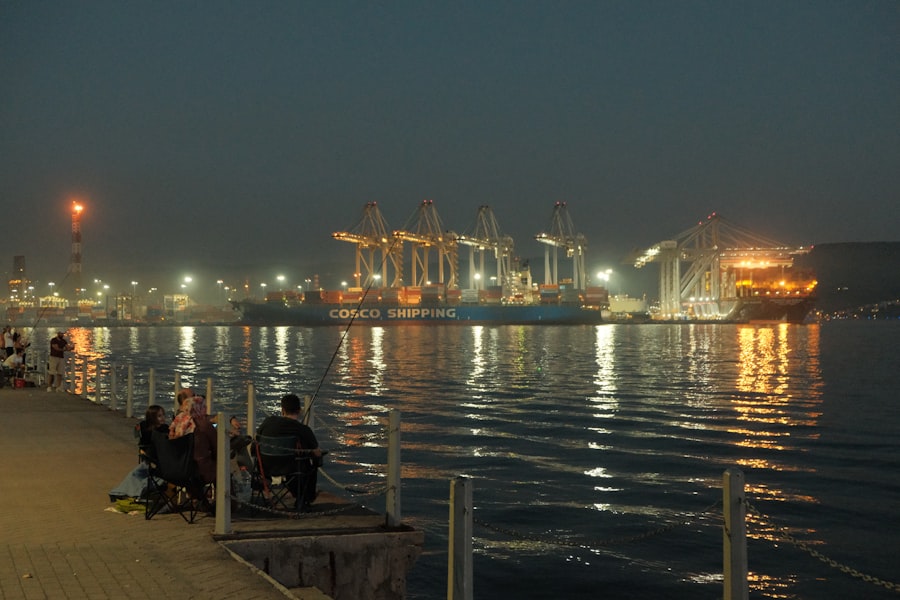
The dual pressures of Suez Canal delays and Red Sea attacks have forced a significant re-evaluation of established shipping routes, leading to widespread ramifications for global transit times and operational costs. The intricate web of global supply chains, accustomed to the efficiency of the Suez Canal, is now grappling with substantial disruptions.
Diversion to the Cape of Good Hope
As a direct consequence of the Red Sea insecurity, many shipping companies have made the difficult decision to reroute their vessels around the Cape of Good Hope, a journey that adds considerable time and expense.
- Increased Transit Time: This alternative route adds approximately 7-14 days to a typical journey between Asia and Europe, effectively extending the shipping calendar and delaying delivery schedules.
- Higher Fuel Consumption: The longer distance naturally translates to significantly higher fuel consumption, increasing operational costs for shipping companies and ultimately affecting consumer prices.
- Elevated Shipping Rates: The combination of increased transit time, fuel costs, and insurance premiums has led to a surge in freight rates, impacting the profitability of businesses and the affordability of goods.
Supply Chain Disruptions and Lead Times
The rerouting of vessels has created a domino effect throughout global supply chains, stretching lead times and introducing a new layer of complexity.
- Delayed Deliveries: Consumers and businesses are experiencing longer waiting times for goods, ranging from electronics and apparel to industrial components and raw materials.
- Inventory Management Challenges: Companies reliant on “just-in-time” inventory systems are particularly vulnerable, as extended lead times necessitate larger buffer stocks, incurring additional warehousing costs.
- Production Delays: Manufacturers dependent on timely deliveries of parts and components face potential production slowdowns or even halts, impacting their output and profitability.
Insurance and Security Costs
The heightened risk perception in the Red Sea has significantly driven up insurance premiums for vessels traversing the region, adding another layer of cost to maritime operations.
- War Risk Premiums: Insurers have introduced or substantially increased war risk premiums for passages through the Red Sea, reflecting the elevated threat landscape.
- Increased Security Measures: Some shipping companies are investing in enhanced security measures, including armed guards and protective equipment, further adding to their operational expenditures.
- Impact on Ship Leasing and Charter Rates: The increased risk and operational costs are also influencing ship leasing and charter rates, making it more expensive to hire vessels for international trade.
Economic Ramifications for Industries and Consumers
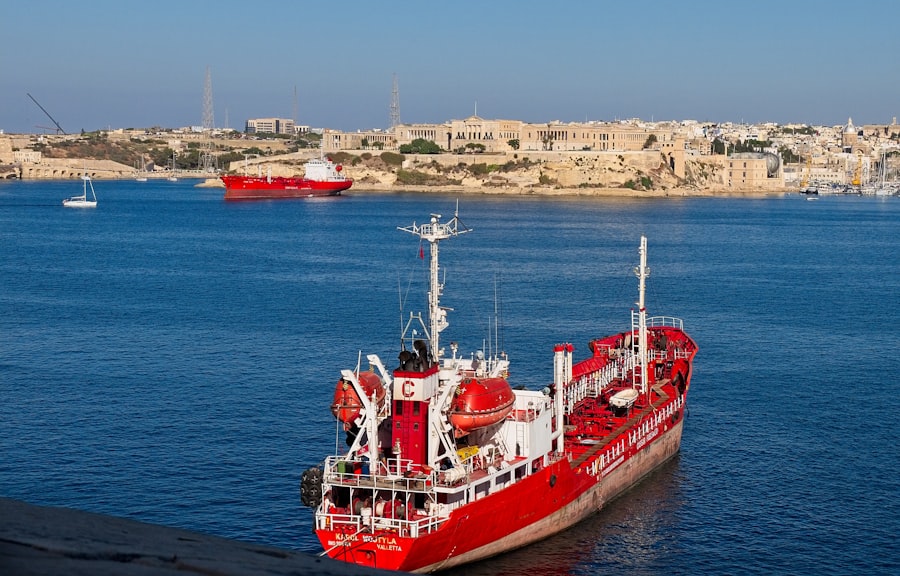
The ripple effect of these shipping disruptions extends far beyond the maritime industry, impacting a wide array of sectors and ultimately translating into higher costs for consumers worldwide. The global economy, already navigating inflationary pressures, now contends with another significant headwind.
Energy Sector Vulnerabilities
The Suez Canal and Red Sea are critical for the transit of significant volumes of oil and liquefied natural gas (LNG), making the energy sector particularly vulnerable to these disruptions.
- Oil Price Volatility: Threats to shipping in the Red Sea can trigger spikes in global oil prices, as market participants factor in the potential for supply disruptions.
- LNG Shipments Rerouting: LNG tankers heading to Europe from the Middle East are also facing rerouting decisions, leading to longer journeys and higher delivery costs for a crucial energy source.
- Impact on Energy Security: For nations heavily reliant on Middle Eastern energy imports, these disruptions raise concerns about energy security and the diversification of supply routes.
Retail and Consumer Goods Impact
The retail sector, characterized by its global supply chains for everything from apparel to electronics, is particularly exposed to the consequences of extended shipping times and increased freight costs.
- Higher Product Prices: Increased shipping costs are often passed on to consumers in the form of higher retail prices, contributing to inflationary pressures.
- Stockouts and Reduced Availability: Delayed shipments can lead to product shortages on store shelves, impacting consumer choice and potentially reducing sales for retailers.
- Shift in Consumer Spending Habits: Sustained price increases and limited availability could lead to shifts in consumer spending habits, favoring locally sourced goods or delaying purchases.
Automotive and Manufacturing Industries
Industries that operate with highly integrated and globalized supply chains, such as the automotive and manufacturing sectors, face substantial challenges due to potential delays in component deliveries.
- “Just-in-Time” System Strain: Manufacturers relying on “just-in-time” inventory management are vulnerable to production line stoppages if critical components are delayed.
- Increased Production Costs: Companies may resort to air freight for urgent components, a significantly more expensive option, thereby increasing overall production costs.
- Diversification of Sourcing: The current disruptions may accelerate efforts by manufacturers to diversify their sourcing strategies, seeking suppliers closer to their production facilities to mitigate future risks.
Recent incidents in the Red Sea have raised concerns about shipping delays in the Suez Canal, with attacks on vessels prompting a reevaluation of maritime security in the region. These disruptions not only affect global trade but also highlight the ongoing risks faced by shipping companies operating in these waters. For a deeper understanding of the implications of these events, you can read more in this insightful article on maritime security challenges and their impact on international shipping at this link.
Future Outlook and Mitigation Strategies
| Metric | Value | Details |
|---|---|---|
| Average Delay Time | 12 hours | Typical delay caused by security checks and rerouting |
| Number of Attacks in Red Sea (2023) | 15 | Reported attacks on commercial vessels near the Red Sea |
| Percentage of Ships Delayed | 30% | Proportion of vessels experiencing delays due to security threats |
| Impact on Global Shipping | 5% increase in transit time | Overall increase in shipping time through Suez Canal route |
| Security Measures Implemented | Enhanced naval patrols | Increased military presence to deter attacks |
| Economic Impact | Significant | Delays contribute to higher shipping costs and supply chain disruptions |
The ongoing challenges in the Suez Canal and Red Sea underscore the imperative for resilience and adaptability in global shipping. While the immediate future remains uncertain, stakeholders are exploring various strategies to mitigate the impact of these disruptions.
Diplomatic and Security Responses
Addressing the root causes of the Red Sea attacks requires a concerted international effort on diplomatic and security fronts.
- International Coalition Naval Presence: Naval forces from various countries have deployed to the Red Sea to protect commercial shipping, but their effectiveness in deterring attacks remains a complex challenge.
- De-escalation Efforts: Diplomatic initiatives aimed at de-escalating regional tensions and achieving a ceasefire in Gaza could potentially alleviate the motivations behind the Houthi attacks.
- Sanctions and Enforcement: International sanctions and their robust enforcement against groups responsible for maritime attacks could serve as a deterrent.
Long-Term Shipping Route Considerations
The current crisis may prompt a more fundamental re-evaluation of global shipping patterns and the over-reliance on single choke points.
- Investment in Alternative Routes: While less efficient for many Asia-Europe routes, enhanced infrastructure along alternative land or sea corridors could be explored for future resilience.
- Arctic Route Potential: As climate change progresses, the long-term viability of Arctic shipping routes becomes a more prominent consideration, although numerous challenges remain.
- Regional Hub Development: Investing in more resilient regional logistics hubs could help buffer the impact of disruptions to major intercontinental routes.
Technological Advancements and Supply Chain Resilience
Technological innovation and strategic supply chain management are crucial in building greater resilience against future shocks.
- Enhanced Visibility and Tracking: Advanced tracking technologies and data analytics can provide greater visibility into shipment locations and potential delays, enabling proactive adjustments.
- AI-Driven Route Optimization: Artificial intelligence algorithms can assist in optimizing shipping routes in dynamic environments, considering multiple variables like cost, time, and security risks.
- Diversified Supplier Bases: Companies are increasingly looking to diversify their supplier bases and incorporate regional sourcing strategies to reduce dependence on single-origin supply lines.
- Digitalization of Logistics: Increased digitalization across the logistics sector, from customs clearance to port operations, can improve efficiency and reduce the impact of unforeseen delays.
Conclusion
The Suez Canal delays and Red Sea attacks are not merely isolated incidents but rather symptoms of a complex and increasingly volatile geopolitical landscape impacting the arteries of global trade. They serve as a powerful reminder to the reader that the seemingly distant interplay of international conflicts and maritime security can have profound and immediate consequences on prices, product availability, and the economic well-being of nations worldwide. The global shipping industry, having navigated the treacherous waters of the COVID-19 pandemic, now faces another formidable test of its resilience. The path forward demands a multi-pronged approach encompassing diplomatic engagement, enhanced security measures, and a renewed commitment to building more robust and adaptable supply chains, ensuring that the critical lifelines of global commerce can continue to flow, albeit sometimes along a longer and more arduous path.
WATCH THIS! 🌍 GLOBAL TRADE IS A LIE: How Three Chokepoints Control Your Calendar
FAQs
What caused the shipping delays in the Suez Canal?
Shipping delays in the Suez Canal were primarily caused by attacks in the Red Sea, which disrupted maritime traffic and raised security concerns for vessels transiting the area.
Where is the Suez Canal located?
The Suez Canal is an artificial waterway in Egypt, connecting the Mediterranean Sea to the Red Sea, providing a crucial shipping route between Europe and Asia.
What types of attacks occurred in the Red Sea affecting shipping?
The attacks involved hostile actions against commercial vessels, including missile strikes and other forms of aggression, which threatened the safety of ships and crews navigating the Red Sea near the Suez Canal.
How do these attacks impact global shipping and trade?
Attacks in the Red Sea can cause significant delays in shipping schedules, increase insurance costs, and disrupt the supply chain by delaying the delivery of goods passing through the Suez Canal, a vital global trade artery.
What measures are being taken to address the security threats in the Red Sea?
Authorities and international maritime organizations have increased naval patrols, enhanced surveillance, and implemented stricter security protocols to protect vessels and ensure safe passage through the Red Sea and the Suez Canal.
Are there alternative routes to the Suez Canal for shipping?
Yes, alternative routes include sailing around the Cape of Good Hope at the southern tip of Africa, but these routes are longer and more costly, making the Suez Canal the preferred passage for most shipping.
How long have the shipping delays been occurring?
The delays began following the recent attacks in the Red Sea, with the exact duration depending on the ongoing security situation and the effectiveness of response measures.
Who is responsible for managing the Suez Canal?
The Suez Canal is managed and operated by the Suez Canal Authority, an Egyptian state-owned entity responsible for the canal’s maintenance, security, and operations.
What types of ships are most affected by the delays?
All types of vessels using the Suez Canal, including container ships, oil tankers, bulk carriers, and passenger ships, can be affected by delays caused by security threats in the Red Sea.
How can shipping companies mitigate risks associated with Red Sea attacks?
Shipping companies can mitigate risks by rerouting vessels, enhancing onboard security measures, coordinating with naval forces for protection, and staying informed about the latest security advisories in the region.