
The global supply chain, a complex tapestry of interconnected processes, has recently experienced a series of disruptions that have culminated in a widespread inventory crisis. This article examines the multifaceted nature of this collapse, exploring the contributing factors, its immediate and long-term consequences, and potential strategies for remediation. Readers are encouraged to consider the intricate web of dependencies that underpin modern commerce.
The contemporary supply chain, operating primarily on lean manufacturing and just-in-time principles, was inherently vulnerable to systemic shocks. A confluence of unprecedented events, akin to a series of dominoes falling, initiated the current crisis. Learn more about global trade and its impact on the economy.
Pandemic-Induced Production Halt
The initial and perhaps most significant catalyst was the global response to the COVID-19 pandemic. As nations implemented lockdowns and businesses temporarily ceased operations, a ripple effect permeated the manufacturing sector.
Factory Closures and Workforce Shortages
Many manufacturing hubs, particularly in East Asia, experienced prolonged factory closures. This directly curtailed production output, creating an immediate deficit in goods ranging from electronics to automotive components. Concurrently, labor shortages arose due to health concerns, quarantine measures, and shifts in workforce availability, further impeding the resumption of full operational capacity.
Shifting Consumer Demand Patterns
The pandemic also dramatically altered consumer behavior. A surge in demand for home-based goods, such as electronics, home improvement supplies, and e-commerce-driven products, contrasted sharply with a decline in demand for services and non-essential items. This rapid shift, often unpredictable in both scale and duration, overwhelmed existing production and distribution networks.
Geopolitical Tensions and Trade Barriers
Beyond the pandemic, a landscape of simmering geopolitical tensions and escalating trade disputes has further exacerbated supply chain fragility.
Tariffs and Protectionist Policies
The imposition of tariffs and other protectionist trade policies by various nations has introduced friction into international commerce. Companies have faced increased costs and logistical hurdles in moving goods across borders, leading to re-evaluation of sourcing strategies and, in some cases, outright disruption of established supply lines.
Regional Conflicts and Instability
Localized conflicts and political instability in key manufacturing or transit regions have also contributed to the crisis. These events can disrupt shipping routes, deter investment, and create an unpredictable environment for international trade, forcing companies to seek alternative, often less efficient, pathways.
The ongoing supply chain collapse has led to an unprecedented inventory crisis, affecting businesses and consumers alike. For a deeper understanding of the complexities surrounding this issue, you can read a related article that explores the various factors contributing to the current state of supply chains and potential solutions. Check it out here: Supply Chain Insights.
The Manifestation of Scarcity: Empty Shelves and Rising Prices
The cumulative effect of these disruptions has been a palpable scarcity of goods, manifesting in both physical and economic terms. This scarcity is not merely an inconvenience; it represents a fundamental challenge to the efficiency and affordability of modern consumption.
Inventory Depletion and Backlogs
Across numerous industries, inventory levels have plummeted to historical lows. The just-in-time approach, once lauded for its efficiency in minimizing warehousing costs, proved to be a double-edged sword when faced with sustained disruptions.
Critical Component Shortages
Perhaps the most widely publicized aspect of this crisis is the shortage of critical components, particularly semiconductors. These tiny, yet essential, devices are integral to a vast array of modern products, from automobiles to washing machines. Their scarcity has crippled production in diverse sectors, leading to significant delays and price increases. Readers will be familiar with the “chip shortage” as a recurring theme in news reports.
Protracted Delivery Times
The inability to replenish inventory at a sufficient pace has resulted in unprecedented delivery times. Consumers and businesses alike are experiencing extended waits for ordered goods, impacting project timelines and daily operations. This prolonged lead time acts as a bottleneck, amplifying the effects of initial production shortfalls.
Inflationary Pressures and Cost Increases
The fundamental economic principle of supply and demand dictates that when supply diminishes relative to demand, prices tend to rise. The current inventory crisis offers a stark illustration of this principle.
Increased Transportation Costs
The pressure on logistics networks, coupled with rising fuel prices and labor shortages in the transportation sector, has led to a significant increase in shipping costs. The cost of moving a single container, a metric often used as a bellwether for global trade, has sometimes quadrupled or quintupled on key routes. These escalating costs are inevitably passed on to the consumer.
Raw Material Price Volatility
The scarcity of finished goods is often preceded by volatility in the price of raw materials. Disruptions in extraction, processing, and transportation of commodities have made securing essential inputs more expensive and less predictable, creating a domino effect up the value chain.
The Ripple Effect: Socioeconomic Consequences
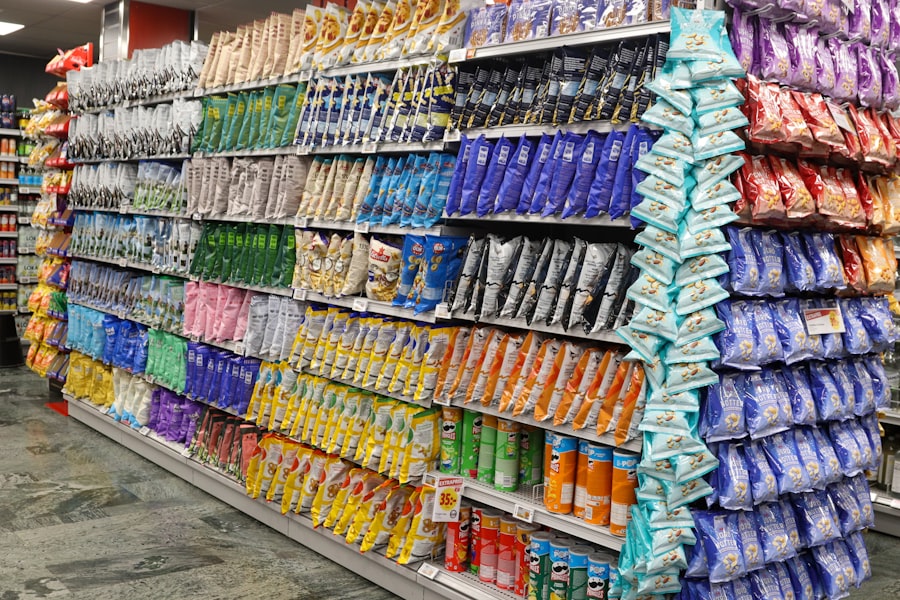
The supply chain crisis extends far beyond the immediate concerns of businesses and consumers; it has profound socioeconomic ramifications that permeate various aspects of society.
Impact on Small and Medium-Sized Enterprises (SMEs)
While large corporations possess greater resources and leverage to navigate such disruptions, SMEs are often disproportionately affected. Their smaller purchasing power and limited capacity for risk mitigation make them particularly vulnerable.
Disrupted Business Operations
Many SMEs rely on a consistent flow of inventory to sustain their operations. Reduced access to essential supplies can force temporary closures, limit product offerings, or even lead to permanent business failure. This erosion of the SME sector has implications for local economies and employment.
Reduced Competitive Advantage
Without the ability to secure inventory at competitive prices or within reasonable timelines, SMEs can struggle to compete with larger entities that may have preferential access or established long-term contracts with suppliers. This creates an uneven playing field that can stifle innovation and market diversity.
Consumer Frustration and Economic Inequality
The everyday impact on consumers is multifaceted, ranging from mere inconvenience to significant economic hardship.
Limited Product Availability
Consumers frequently encounter empty shelves or “out of stock” notifications, leading to frustration and the inability to purchase desired items. This can be particularly impactful for essential goods, creating a sense of insecurity.
Disproportionate Impact on Lower-Income Households
Inflationary pressures, driven by supply shortages, disproportionately affect lower-income households. As the cost of basic necessities rises, a larger percentage of their disposable income is consumed, potentially leading to increased financial strain and a widening of economic inequality.
Strategic Responses and Mitigation Efforts

In response to the pervasive nature of the crisis, governments, businesses, and international organizations are actively pursuing a range of strategies to mitigate the immediate impacts and foster long-term resilience.
Diversification of Supply Sources
A key lesson learned from the crisis is the inherent risk of over-reliance on a single or limited number of suppliers or geographic regions. Diversification is emerging as a cornerstone of future supply chain design.
Nearshoring and Friend-shoring Initiatives
Many companies are exploring “nearshoring,” moving production closer to their consumer markets, and “friend-shoring,” sourcing from geopolitically aligned nations. While potentially increasing production costs, these strategies aim to reduce transit times and mitigate geopolitical risks, acting as a buffer against future shocks.
Multi-Vendor Strategies
Instead of relying on a single vendor for critical components, businesses are increasingly adopting multi-vendor strategies. This redundancy, while requiring more complex management, offers a safety net in the event of disruption to any individual supplier.
Investment in Resilient Infrastructure and Technology
Modernizing and digitizing supply chain infrastructure is crucial for enhancing adaptability and responsiveness.
Port Modernization and Logistics Upgrades
Bottlenecks at ports and in transportation networks have been starkly exposed. Investments in port modernization, automation, and enhanced intermodal logistics are essential to improve the speed and efficiency of freight movement.
AI and Data Analytics for Predictive Insights
Leveraging artificial intelligence and data analytics can provide valuable predictive insights into potential disruptions. By analyzing global economic indicators, weather patterns, geopolitical developments, and demand fluctuations, businesses can proactively adjust their supply chain strategies, rather than reactively responding to crises.
The ongoing supply chain collapse has led to a significant inventory crisis that many businesses are struggling to navigate. As companies grapple with delays and shortages, understanding the root causes becomes essential for recovery. A related article that delves deeper into these challenges can be found here, where it explores the intricate dynamics of supply chain disruptions and their impact on inventory management. This insightful piece offers valuable perspectives for those looking to mitigate the effects of the current crisis and adapt to the evolving landscape. For more information, you can read the article at this link.
The Path Forward: Towards a More Robust Future
| Metric | Description | Value | Unit | Time Period |
|---|---|---|---|---|
| Inventory Turnover Ratio | Number of times inventory is sold and replaced over a period | 3.2 | Times per year | 2023 |
| Average Lead Time | Time taken from order placement to delivery | 45 | Days | 2023 Q1 |
| Backorder Rate | Percentage of orders delayed due to stock unavailability | 18 | % | 2023 Q2 |
| Stockout Frequency | Number of stockout events per month | 12 | Events | 2023 |
| Warehouse Capacity Utilization | Percentage of warehouse space currently used | 92 | % | 2023 |
| Supplier On-Time Delivery Rate | Percentage of deliveries received on or before scheduled date | 68 | % | 2023 Q2 |
| Inventory Holding Costs | Costs associated with storing unsold goods | 120 | Units per month | 2023 |
| Demand Forecast Accuracy | Accuracy of predicted demand versus actual sales | 74 | % | 2023 |
The current inventory crisis serves as a powerful reminder of the fragility of contemporary global commerce. It necessitates a fundamental re-evaluation of supply chain design and management, moving beyond an exclusive focus on cost efficiency towards a more holistic approach that prioritizes resilience and adaptability.
Rebuilding Trust and Collaboration
The interconnectedness of the global supply chain means that no single entity can fully address these challenges in isolation. Enhanced collaboration and trust among governments, industries, and international bodies are paramount.
Public-Private Partnerships
Collaborative efforts between the public and private sectors can facilitate infrastructure development, information sharing, and the creation of standardized protocols for crisis response. This synergy can lead to more coherent and effective mitigation strategies.
International Cooperation on Trade Policies
Harmonizing trade policies and fostering international agreements that promote open and fair trade can help reduce friction and enhance the predictability of global commerce, creating a more stable environment for supply chains.
Rethinking Just-in-Time Principles
While “just-in-time” revolutionized manufacturing efficiency, its limitations in an era of unpredictable global shocks have become apparent. A recalibration of inventory management strategies is likely necessary.
Embracing “Just-in-Case” Reserves
Businesses may need to incorporate a “just-in-case” philosophy, maintaining strategic reserves of critical components or finished goods, even if it entails higher carrying costs. This buffer can provide crucial breathing room during periods of significant disruption. Readers should consider this as a trade-off between efficiency and security.
End-to-End Visibility and Transparency
Achieving true end-to-end visibility across the entire supply chain, from raw materials to final consumer, is a significant undertaking but offers unparalleled insight. This transparency allows for earlier detection of potential disruptions and more informed decision-making, transforming the supply chain from an opaque pipeline into a transparent network.
The supply chain collapse and resultant inventory crisis are not merely temporary inconveniences; they represent a transformational challenge with far-reaching implications. By understanding the underlying causes, acknowledging the socioeconomic ramifications, and proactively implementing adaptive strategies, stakeholders can work towards building a more resilient and sustainable global trading system. The future of global commerce hinges on this collective endeavor.
WATCH THIS! 🌍 GLOBAL TRADE IS A LIE: How Three Chokepoints Control Your Calendar
FAQs
What is a supply chain collapse?
A supply chain collapse refers to a significant disruption or breakdown in the processes involved in producing and delivering goods and services. This can result from various factors such as natural disasters, geopolitical tensions, labor shortages, or logistical failures, leading to delays, shortages, and increased costs.
What causes an inventory crisis in supply chains?
An inventory crisis occurs when there is either an excess or shortage of stock due to mismanagement, inaccurate demand forecasting, supply disruptions, or sudden changes in consumer behavior. Causes include production delays, transportation issues, supplier insolvency, and unexpected spikes or drops in demand.
How does a supply chain collapse affect inventory levels?
A supply chain collapse can lead to inventory shortages, causing stockouts and lost sales, or excess inventory if demand suddenly drops or supply is overestimated. Both scenarios disrupt normal business operations and can increase holding costs or reduce customer satisfaction.
What industries are most vulnerable to supply chain collapse and inventory crises?
Industries heavily reliant on just-in-time inventory and global suppliers, such as automotive, electronics, retail, and pharmaceuticals, are particularly vulnerable. These sectors often face challenges in quickly adapting to supply chain disruptions.
What are common signs of an impending supply chain collapse?
Signs include prolonged delivery delays, increased transportation costs, supplier communication breakdowns, inventory imbalances, and frequent production stoppages. Early detection helps companies mitigate risks and adjust strategies accordingly.
How can companies prevent or mitigate supply chain collapse and inventory crises?
Companies can diversify suppliers, increase inventory buffers, invest in supply chain visibility technologies, improve demand forecasting, and develop contingency plans. Building resilient and flexible supply chains is key to minimizing the impact of disruptions.
What role does technology play in managing supply chain and inventory crises?
Technology such as AI-driven analytics, real-time tracking, and automated inventory management systems enhances visibility, improves forecasting accuracy, and enables faster response to disruptions, helping to prevent or reduce the severity of supply chain collapses and inventory crises.
What are the economic impacts of a supply chain collapse and inventory crisis?
These events can lead to increased costs for businesses, reduced product availability, inflationary pressures, lost revenue, and negative effects on employment. They can also disrupt global trade and economic stability.
How long does it typically take to recover from a supply chain collapse?
Recovery time varies depending on the severity and cause of the collapse, industry, and company preparedness. It can range from weeks to several months or even years for complex global supply chains to fully stabilize.
Can government policies influence supply chain stability?
Yes, government policies such as trade regulations, tariffs, infrastructure investments, and emergency response measures can significantly impact supply chain resilience and inventory management, either positively or negatively.