
In the intricate web of modern supply chains, the concept of a single point of failure (SPoF) emerges as a critical concern for businesses across various industries. A single point of failure refers to any component or process within a supply chain that, if disrupted, could halt operations or significantly impair performance. This vulnerability can stem from various sources, including reliance on a sole supplier, dependence on a specific transportation route, or even the use of a particular technology.
As global markets become increasingly interconnected, the ramifications of such vulnerabilities can be profound, affecting not only individual companies but also entire industries and economies. The importance of recognizing and addressing single points of failure cannot be overstated.
The consequences of failing to identify and mitigate these risks can lead to financial losses, reputational damage, and a loss of customer trust. Therefore, understanding the dynamics of supply chain vulnerabilities is essential for organizations aiming to thrive in today’s fast-paced business environment.
Key Takeaways
- Single points of failure in the supply chain can have significant impacts on business operations and continuity.
- Understanding the risks associated with single points of failure is crucial for effective supply chain management.
- Case studies provide valuable insights into the real-world consequences of single points of failure in the supply chain.
- Identifying single points of failure is the first step towards mitigating risks and building resilience in the supply chain.
- Collaboration with suppliers and partners, leveraging technology, and implementing redundancy are key strategies for addressing single points of failure in the supply chain.
Understanding the Risks Associated with Single Points of Failure in the Supply Chain
The risks associated with single points of failure in the supply chain are multifaceted and can manifest in various ways. One of the most significant risks is operational disruption. When a critical supplier experiences a delay or a natural disaster strikes a key transportation route, the entire supply chain can be thrown into disarray.
This disruption can lead to production halts, missed deadlines, and ultimately, dissatisfied customers. Furthermore, the ripple effects of such disruptions can extend beyond immediate operational challenges, impacting relationships with stakeholders and eroding market share. Another risk tied to single points of failure is financial exposure.
Companies that rely heavily on a single supplier or logistics provider may find themselves vulnerable to price fluctuations or sudden increases in costs. If that supplier faces financial difficulties or goes out of business, the repercussions can be severe. Organizations may be forced to scramble for alternatives, often at higher prices or with longer lead times.
This financial strain can hinder growth initiatives and limit a company’s ability to invest in innovation or expansion.
Case Studies of Supply Chain Single Point of Failure
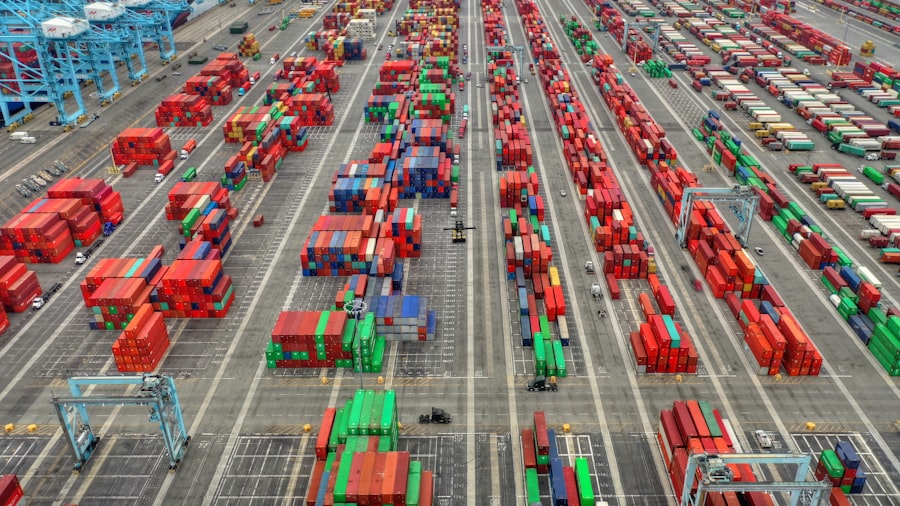
Examining real-world examples of supply chain single points of failure provides valuable insights into the potential consequences of these vulnerabilities. One notable case is that of a major automotive manufacturer that relied on a single supplier for a critical component used in its vehicles. When that supplier faced an unexpected factory shutdown due to equipment failure, production lines came to a standstill.
The manufacturer was unable to meet customer demand, leading to significant revenue losses and damage to its reputation in the market. Another illustrative case involves a global electronics company that depended on a specific shipping route for its products. When a natural disaster struck and disrupted operations at a key port, the company faced delays in delivering its products to retailers worldwide.
The inability to fulfill orders not only resulted in lost sales but also strained relationships with partners and customers who expected timely deliveries. These examples underscore the importance of identifying and addressing single points of failure before they escalate into larger crises.
The Impact of Single Point of Failure on Business Operations and Continuity
| Impact of Single Point of Failure on Business Operations and Continuity |
|---|
| 1. Downtime |
| 2. Loss of Revenue |
| 3. Decreased Productivity |
| 4. Damage to Reputation |
| 5. Legal and Compliance Issues |
| 6. Customer Dissatisfaction |
| 7. Increased Risk of Data Loss |
The impact of single points of failure on business operations can be profound and far-reaching. When a critical component fails, it can lead to immediate operational challenges that disrupt production schedules and delay product launches. This disruption can create a cascading effect throughout the supply chain, as downstream partners struggle to adapt to the sudden changes.
The inability to maintain consistent operations can result in lost revenue opportunities and diminished market competitiveness. Moreover, the long-term implications of single points of failure extend beyond immediate operational disruptions. Companies may find themselves facing increased scrutiny from stakeholders, including investors and customers, who demand transparency and accountability in supply chain management.
A history of disruptions can tarnish a company’s reputation and erode customer loyalty, making it difficult to recover even after the immediate crisis has been resolved. Therefore, addressing single points of failure is not just about maintaining operational continuity; it is also about safeguarding the long-term viability and reputation of the business.
Identifying Single Points of Failure in the Supply Chain
Identifying single points of failure within a supply chain requires a comprehensive analysis of all components and processes involved in delivering products or services. Organizations must conduct thorough risk assessments that evaluate each link in the supply chain, from raw material sourcing to final delivery. This assessment should include an examination of suppliers, transportation routes, technology systems, and any other factors that could contribute to vulnerabilities.
One effective approach to identifying single points of failure is through mapping the supply chain visually. By creating detailed flowcharts or diagrams that illustrate how materials and information move through the system, organizations can pinpoint areas where reliance on a single source exists. Additionally, engaging with stakeholders across the supply chain can provide valuable insights into potential risks that may not be immediately apparent through data analysis alone.
Strategies for Mitigating Single Point of Failure Risks in the Supply Chain
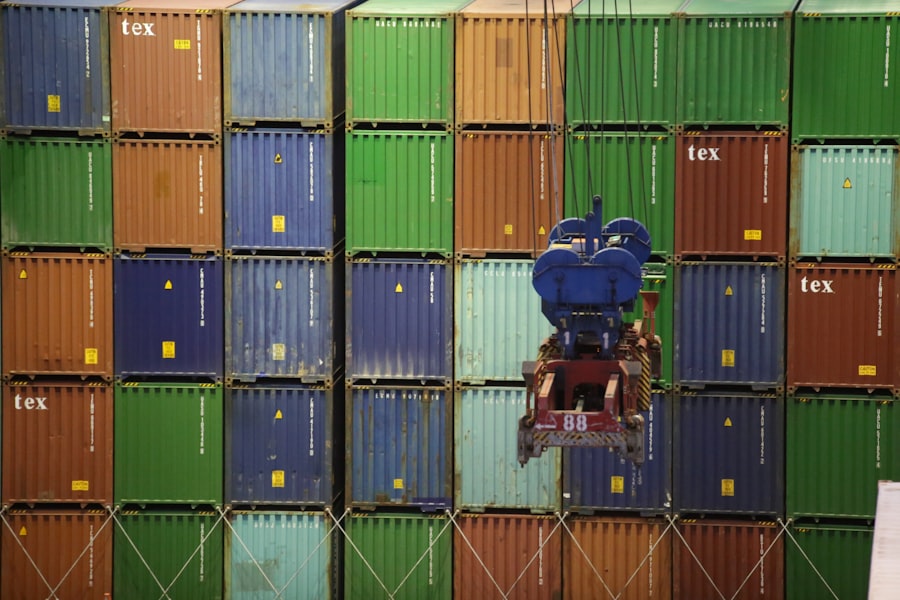
Once single points of failure have been identified, organizations must develop strategies to mitigate these risks effectively. Diversification is one of the most common approaches; by sourcing materials or components from multiple suppliers rather than relying on a single source, companies can reduce their vulnerability to disruptions. This strategy not only enhances resilience but also fosters healthy competition among suppliers, potentially leading to better pricing and service levels.
Another strategy involves building strong relationships with suppliers and partners. By fostering open communication and collaboration, organizations can gain insights into their suppliers’ capabilities and challenges. This proactive approach allows companies to anticipate potential disruptions and work together with their partners to develop contingency plans.
Additionally, investing in supplier development programs can enhance the capabilities of key partners, further reducing reliance on any single entity.
Implementing Redundancy and Backup Plans in the Supply Chain
Implementing redundancy within the supply chain is another effective strategy for addressing single points of failure. Redundancy involves creating alternative pathways or backup systems that can be activated in case of disruption. For instance, companies may establish secondary suppliers for critical components or develop alternative transportation routes to ensure continuity in case primary options become unavailable.
Organizations should consider implementing cloud-based solutions that allow for data access and management from multiple locations. This approach ensures that even if one system fails, operations can continue seamlessly from another platform.
Regular testing and updating of these backup plans are essential to ensure their effectiveness when needed.
Leveraging Technology to Address Single Point of Failure in the Supply Chain
Technology plays a pivotal role in addressing single points of failure within the supply chain. Advanced analytics tools can help organizations monitor their supply chains in real-time, providing insights into potential vulnerabilities before they escalate into crises. By leveraging data analytics, companies can identify trends and patterns that may indicate emerging risks, allowing them to take proactive measures.
Moreover, technologies such as blockchain can enhance transparency and traceability within supply chains. By creating an immutable record of transactions and movements, blockchain technology enables organizations to track products from origin to destination. This visibility allows companies to quickly identify potential disruptions and respond effectively by rerouting shipments or sourcing alternative suppliers.
Collaborating with Suppliers and Partners to Minimize Single Point of Failure Risks
Collaboration with suppliers and partners is essential for minimizing risks associated with single points of failure in the supply chain. By fostering strong relationships built on trust and open communication, organizations can work together to identify potential vulnerabilities and develop joint strategies for risk mitigation. Collaborative planning sessions can help align goals and expectations while ensuring that all parties are prepared for potential disruptions.
Additionally, engaging suppliers in risk management discussions can lead to innovative solutions that benefit both parties. For example, suppliers may have insights into alternative sourcing options or logistics strategies that could enhance resilience within the supply chain. By leveraging each other’s strengths and expertise, organizations can create a more robust supply chain capable of weathering disruptions.
The Role of Risk Management and Contingency Planning in Addressing Single Point of Failure
Risk management and contingency planning are integral components of addressing single points of failure within the supply chain. Organizations must establish comprehensive risk management frameworks that identify potential threats and outline strategies for mitigating those risks effectively. This framework should include regular assessments and updates to ensure it remains relevant in an ever-changing business landscape.
Contingency planning involves developing detailed action plans that outline specific steps to take in response to identified risks. These plans should include clear roles and responsibilities for team members, communication protocols for stakeholders, and predefined metrics for evaluating success during a disruption. By having well-defined contingency plans in place, organizations can respond swiftly and effectively when faced with unexpected challenges.
Building Resilience in the Supply Chain through Effective Single Point of Failure Management
In conclusion, managing single points of failure within the supply chain is essential for building resilience in today’s complex business environment. Organizations must recognize the risks associated with these vulnerabilities and take proactive steps to identify, mitigate, and manage them effectively. By implementing strategies such as diversification, redundancy, collaboration with partners, leveraging technology, and establishing robust risk management frameworks, businesses can enhance their ability to withstand disruptions.
Ultimately, fostering resilience within the supply chain not only protects against immediate operational challenges but also positions organizations for long-term success in an increasingly competitive marketplace. As businesses continue to navigate uncertainties and complexities, effective management of single points of failure will remain a critical factor in ensuring operational continuity and maintaining customer trust.
In today’s interconnected global economy, the concept of a single point of failure in supply chains has become increasingly critical. A single point of failure refers to a part of a system that, if it fails, will stop the entire system from working. This vulnerability can lead to significant disruptions, as seen in recent global events that have highlighted the fragility of supply chains. For a deeper understanding of how these vulnerabilities can impact businesses and strategies to mitigate such risks, you can explore a related article on this topic by visiting this page. This article delves into the intricacies of supply chain management and offers insights into building more resilient systems.
WATCH THIS! They Can Shut Down Your World Overnight. This Is The Choke Point Controlling Everything!
FAQs
What is a supply chain single point of failure?
A supply chain single point of failure refers to a critical component or process within a supply chain that, if disrupted, can significantly impact the entire supply chain’s ability to function effectively.
What are some examples of supply chain single points of failure?
Examples of supply chain single points of failure include a sole supplier for a critical component, a single transportation route for goods, or a single manufacturing facility responsible for a majority of production.
What are the risks associated with supply chain single points of failure?
The risks associated with supply chain single points of failure include increased vulnerability to disruptions, potential delays in production and delivery, increased costs, and potential damage to a company’s reputation.
How can companies mitigate the risks of supply chain single points of failure?
Companies can mitigate the risks of supply chain single points of failure by diversifying suppliers, transportation routes, and production facilities, implementing contingency plans, and investing in technology to improve supply chain visibility and resilience.
What are the potential impacts of supply chain single points of failure on businesses?
The potential impacts of supply chain single points of failure on businesses include decreased productivity, increased costs, loss of revenue, and potential damage to customer relationships.