
In an era marked by rapid technological advancement and unprecedented environmental challenges, the wisdom of ancient cultures offers invaluable insights into sustainable living. Ancient wisdom encompasses the knowledge, practices, and philosophies developed over centuries by various civilizations, often rooted in a deep understanding of nature and the interconnectedness of all life forms. This body of knowledge is not merely historical; it serves as a guiding light for contemporary societies grappling with the pressing issues of climate change, resource depletion, and ecological degradation.
By revisiting these time-honored practices, modern society can glean lessons that promote harmony with the environment and foster resilience in the face of adversity. The teachings of ancient cultures emphasize a symbiotic relationship with the earth, advocating for stewardship rather than exploitation. This perspective is particularly relevant today, as humanity confronts the consequences of industrialization and environmental neglect.
By integrating ancient wisdom into contemporary practices, individuals and communities can cultivate a more sustainable future. The journey toward this integration begins with an understanding of the current environmental crisis and the lessons that history has to offer.
Key Takeaways
- Ancient wisdom holds valuable knowledge for addressing climate change
- Indigenous cultures offer important insights into living in harmony with nature
- Traditional farming and agriculture techniques can help mitigate the impact of climate change
- Utilizing natural resources sustainably is crucial for long-term resilience
- Embracing traditional knowledge while integrating modern technology is key for surviving climate change
Understanding the Impact of Climate Change
Climate change represents one of the most significant challenges facing humanity in the 21st century. The rise in global temperatures, shifting weather patterns, and increasing frequency of extreme weather events are all manifestations of this crisis. These changes threaten not only natural ecosystems but also human livelihoods, food security, and health.
The urgency to address climate change has never been more pronounced, as its effects are felt across the globe, from rising sea levels that endanger coastal communities to droughts that devastate agricultural production. The impact of climate change is multifaceted, affecting various sectors and populations differently. Vulnerable communities, particularly in developing regions, often bear the brunt of these changes despite contributing the least to greenhouse gas emissions.
Understanding these disparities is crucial for developing equitable solutions that address both environmental and social justice. As societies strive to mitigate climate change and adapt to its consequences, they must consider the lessons learned from ancient wisdom, which can provide a framework for resilience and sustainability.
Learning from Indigenous Cultures

Indigenous cultures around the world have long practiced sustainable living, guided by a profound respect for nature and an understanding of ecological balance. These communities possess a wealth of knowledge about local ecosystems, biodiversity, and sustainable resource management that has been passed down through generations. Their practices often reflect a holistic worldview that recognizes the interdependence of all living beings and the importance of maintaining harmony within ecosystems.
By studying indigenous cultures, modern society can uncover strategies for sustainable living that have stood the test of time. For instance, many indigenous peoples employ rotational farming techniques that allow land to rest and regenerate, promoting soil health and biodiversity. Additionally, their traditional ecological knowledge encompasses methods for managing water resources, preserving native plant species, and fostering resilient agricultural systems.
Embracing these practices not only honors indigenous wisdom but also provides practical solutions to contemporary environmental challenges.
Traditional Farming and Agriculture Techniques
| Technique | Advantages | Disadvantages |
|---|---|---|
| Polyculture | Enhanced biodiversity, natural pest control | Requires more labor and management |
| Agroforestry | Improved soil fertility, carbon sequestration | Takes time to establish, initial investment |
| Composting | Recycles organic waste, enriches soil | Requires space and time for decomposition |
| Crop Rotation | Reduces soil erosion, pest and disease control | Needs careful planning and monitoring |
Traditional farming techniques offer a wealth of knowledge that can enhance modern agricultural practices while promoting sustainability. Many ancient agricultural systems were designed to work in harmony with local ecosystems, utilizing methods such as polyculture, agroforestry, and organic farming. These techniques prioritize biodiversity and soil health, reducing reliance on chemical fertilizers and pesticides that can harm the environment.
For example, polyculture involves growing multiple crops in the same space, which can lead to increased resilience against pests and diseases while enhancing soil fertility. Agroforestry combines agriculture with forestry practices, creating diverse landscapes that support wildlife and improve carbon sequestration. By integrating these traditional methods into contemporary agriculture, farmers can cultivate more resilient systems capable of withstanding the impacts of climate change while ensuring food security for future generations.
Utilizing Natural Resources
The sustainable utilization of natural resources is a cornerstone of ancient wisdom that remains relevant today. Many traditional societies have developed practices that prioritize conservation and responsible management of resources such as water, forests, and minerals. These practices often stem from a deep understanding of local ecosystems and a recognition of the finite nature of resources.
For instance, traditional water management techniques such as rainwater harvesting and contour farming have been employed by various cultures to maximize water efficiency while minimizing erosion. Similarly, sustainable forestry practices involve selective logging and replanting efforts that ensure forest health while providing necessary resources for communities. By adopting these time-tested approaches, modern societies can work towards a more sustainable relationship with their natural resources, reducing waste and promoting ecological balance.
Building Sustainable Communities
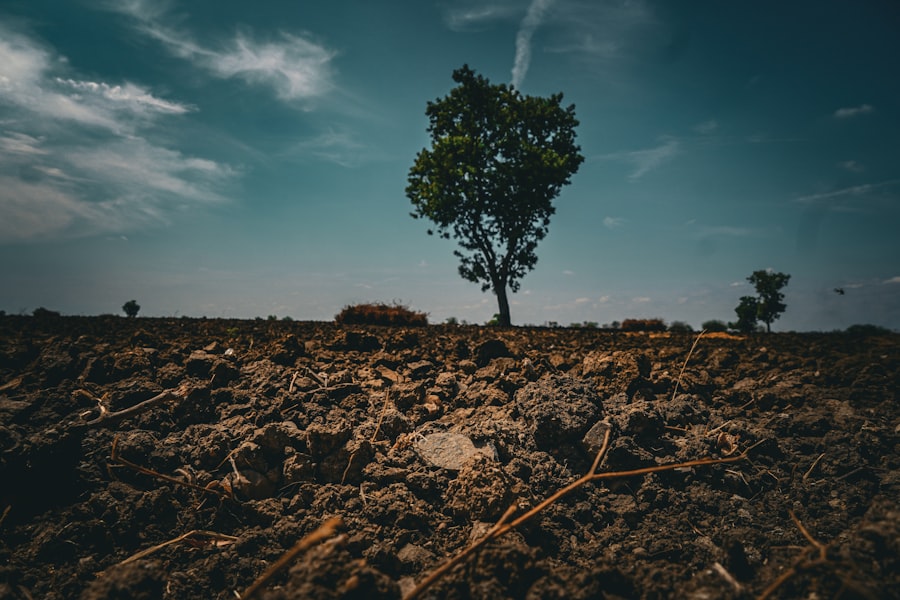
The concept of sustainable communities is rooted in the principles of social equity, economic viability, and environmental stewardship. Ancient wisdom emphasizes the importance of community cohesion and collective responsibility in fostering resilience against environmental challenges. Many traditional societies operated on principles of cooperation and mutual support, ensuring that resources were shared equitably among community members.
Building sustainable communities today requires a similar approach—one that prioritizes inclusivity and collaboration. By engaging local populations in decision-making processes and encouraging community-led initiatives, societies can create environments that are not only environmentally sustainable but also socially just. This involves integrating traditional knowledge with modern practices to develop solutions tailored to local contexts while fostering a sense of belonging and shared purpose among community members.
Resilience and Adaptation Strategies
Resilience in the face of climate change is essential for both individuals and communities. Ancient wisdom offers valuable insights into adaptation strategies that have allowed societies to thrive despite environmental fluctuations. Many traditional cultures have developed adaptive practices that enable them to respond effectively to changing conditions, whether through crop diversification or seasonal migration patterns.
For example, indigenous peoples often possess intricate knowledge about local weather patterns and ecological changes, allowing them to adjust their agricultural practices accordingly. This adaptability is crucial in an era where climate variability is becoming increasingly pronounced. By learning from these adaptive strategies, modern societies can enhance their resilience to climate impacts while fostering a culture of innovation and flexibility in response to environmental challenges.
Preserving Biodiversity
Biodiversity is essential for maintaining healthy ecosystems and ensuring food security. Ancient wisdom recognizes the intrinsic value of biodiversity and promotes practices that protect diverse species and habitats. Many traditional cultures have developed methods for conserving native plants and animals, often viewing them as integral components of their cultural identity.
Preserving biodiversity requires a multifaceted approach that includes habitat restoration, sustainable land use practices, and community engagement in conservation efforts. By integrating traditional ecological knowledge with modern conservation strategies, societies can create effective frameworks for protecting biodiversity while promoting sustainable development. This holistic approach not only safeguards ecosystems but also enhances community resilience by ensuring access to diverse resources.
Embracing Traditional Knowledge
Embracing traditional knowledge is crucial for addressing contemporary environmental challenges effectively.
By valuing and incorporating traditional knowledge into modern frameworks, societies can create more inclusive approaches to sustainability.
Collaboration between indigenous communities and scientific institutions can lead to innovative solutions that draw on both traditional wisdom and modern research. For instance, integrating indigenous land management practices with contemporary conservation efforts can enhance ecosystem health while respecting cultural traditions. Recognizing the value of traditional knowledge fosters mutual respect between cultures and promotes a more holistic understanding of sustainability.
Integrating Modern Technology with Ancient Wisdom
The integration of modern technology with ancient wisdom presents an opportunity for innovative solutions to pressing environmental issues. While ancient practices offer valuable insights into sustainability, modern technology can enhance efficiency and scalability in implementing these practices. For example, precision agriculture technologies can optimize resource use while minimizing environmental impact when combined with traditional farming techniques.
Moreover, advancements in renewable energy technologies align with ancient principles of sustainability by harnessing natural resources without depleting them. Solar panels and wind turbines can be deployed in ways that respect local ecosystems while providing clean energy solutions for communities. By bridging the gap between ancient wisdom and modern innovation, societies can develop comprehensive strategies that address climate change while promoting ecological integrity.
Embracing a Holistic Approach to Surviving Climate Change
In conclusion, embracing ancient wisdom offers a holistic approach to surviving climate change that prioritizes sustainability, resilience, and community well-being. The lessons learned from traditional cultures provide invaluable insights into resource management, biodiversity preservation, and adaptive strategies that can inform contemporary practices.
As humanity faces unprecedented environmental challenges, it is imperative to recognize the interconnectedness of all life forms and the importance of stewardship over exploitation. By honoring ancient wisdom while embracing innovation, individuals and communities can work together to create resilient systems capable of thriving in an ever-changing world. Ultimately, this holistic approach not only addresses climate change but also fosters a deeper connection between people and the planet they inhabit—a connection rooted in respect, understanding, and shared responsibility for future generations.
In exploring strategies to survive climate change, it’s fascinating to consider how ancient civilizations adapted to their environments. An intriguing article that delves into this topic can be found on Real Lore and Order, which discusses various historical approaches to environmental challenges. For more insights, you can read the full article by visiting this link. This resource provides a comprehensive look at how past societies managed to thrive despite the climatic adversities they faced, offering valuable lessons for our current and future efforts to combat climate change.
WATCH THIS! 😕They Buried the Truth: How Ancient Elites Hid a Climate Collapse.
FAQs
What is climate change?
Climate change refers to significant and long-term changes in the Earth’s climate, including temperature, precipitation, and wind patterns. These changes are largely attributed to human activities, such as the burning of fossil fuels and deforestation, which release greenhouse gases into the atmosphere.
How does climate change impact ancient civilizations?
Climate change can have a profound impact on ancient civilizations, affecting their food and water supply, infrastructure, and overall way of life. For example, changes in temperature and precipitation patterns can lead to droughts, floods, and crop failures, which can destabilize societies and lead to conflict.
What are some strategies ancient civilizations used to survive climate change?
Ancient civilizations employed a variety of strategies to adapt to and survive climate change, including developing sophisticated irrigation systems, diversifying their food sources, and building resilient infrastructure. They also relied on traditional knowledge and practices to cope with changing environmental conditions.
What can we learn from ancient civilizations about surviving climate change?
Studying how ancient civilizations adapted to climate change can provide valuable insights into sustainable and resilient practices that can be applied to modern-day challenges. By understanding how past societies coped with environmental changes, we can better prepare for and mitigate the impacts of climate change today.
How can modern societies apply ancient survival strategies to climate change?
Modern societies can learn from ancient survival strategies by incorporating traditional knowledge, sustainable agricultural practices, and resilient infrastructure into their adaptation and mitigation efforts. This may involve integrating indigenous wisdom and practices with modern technologies and innovations.