
Tech Giant Secures Strategic Minerals Procurement
A prominent technology corporation, herein referred to as “InnovateCorp,” has recently finalized a series of significant agreements to secure its supply chain for critical minerals. This strategic move, announced in a terse press release, signals a profound shift in the company’s approach to resource acquisition, moving beyond a purely transactional model to one focused on long-term partnership and direct engagement with mining entities and resource-rich nations. The implications of these deals are far-reaching, potentially reshaping the competitive landscape for advanced electronics and renewable energy technologies.
The company’s proactive stance in securing these vital raw materials underscores a growing industry-wide recognition of the fragility inherent in global supply chains. For years, the technology sector has operated on a “just-in-time” model, relying on a complex web of international suppliers to deliver components precisely when needed. However, recent geopolitical shifts, pandemics, and natural disasters have exposed the vulnerabilities of this system, akin to building a magnificent skyscraper on a foundation of shifting sands. InnovateCorp’s latest initiatives are designed to fortify that foundation.
The insatiable appetite of the modern technological landscape for specific raw materials has been a defining characteristic of the 21st century. Innovations in consumer electronics, electric vehicles, and renewable energy infrastructure are all heavily reliant on a core set of minerals that are becoming increasingly scarce or are concentrated in specific geographic regions. Understanding the nature and scale of this demand is crucial to appreciating the significance of InnovateCorp’s procurement strategy.
Lithium: The Power Behind the Electric Revolution
Lithium, often referred to as “white gold” in the context of battery technology, is perhaps the most emblematic of these critical minerals. The exponential growth of the electric vehicle (EV) market, coupled with the proliferation of portable electronic devices, has placed an unprecedented demand on lithium reserves.
Extraction Challenges and Environmental Footprint
The extraction of lithium is not without its complexities. Brine extraction, a common method in regions like the Atacama Desert, involves pumping underground salt-rich water to the surface and allowing it to evaporate in large ponds. This process is water-intensive and can have significant local environmental impacts. Hard-rock mining, the other primary method, involves traditional open-pit or underground mining techniques, which also present environmental considerations.InnovateCorp’s agreements likely include provisions for responsible sourcing and environmental stewardship, aiming to mitigate these concerns and build a more sustainable supply.
Geopolitical Concentration and Price Volatility
A significant portion of the world’s lithium reserves are concentrated in a few countries, leading to geopolitical sensitivities and susceptibility to price fluctuations. This concentration acts as a choke point in the supply chain, and any disruption, whether political or logistical, can send shockwaves through the market.
Cobalt: An Indispensable Component in High-Energy Batteries
Cobalt is another mineral of immense strategic importance, particularly for the performance and longevity of high-energy density batteries powering EVs and advanced electronics. Its unique electrochemical properties make it a nearly indispensable element in current battery chemistries.
Ethical Sourcing Concerns
The Democratic Republic of Congo (DRC) is the world’s largest producer of cobalt. However, the artisanal mining sector in the DRC has been a focal point of international concern due to allegations of child labor, unsafe working conditions, and human rights abuses.Tech giants, including InnovateCorp, are under increasing pressure from consumers, investors, and regulators to demonstrate ethical sourcing practices.
Technological Advancements and Potential Substitutes
Research into alternative battery chemistries is ongoing, with a focus on reducing or eliminating cobalt content. However, widespread adoption of these alternatives is still some way off. In the interim, securing reliable and ethically sourced cobalt remains a paramount objective for companies like InnovateCorp.
Rare Earth Elements: The Unsung Heroes of Modern Technology
Rare Earth Elements (REEs) are a group of seventeen elements essential for a vast array of modern technologies, from powerful magnets in wind turbines and electric motors to catalysts in petroleum refining and components in advanced defense systems. Despite their name, most REEs are not particularly rare but are difficult and expensive to mine and process due to their dispersed nature and complex, often environmentally damaging, extraction methods.
Dominance of a Single Producer
China currently dominates the global supply of REEs, a situation that has been a significant concern for many nations and technology-dependent economies. This dominance has led to fears of supply manipulation and strategic vulnerability.
InnovateCorp’s Diversification Strategy
Securing access to REEs from sources outside of China is a strategic imperative for many technology companies aiming to de-risk their supply chains. InnovateCorp’s procurement efforts likely include investments in or partnerships with emerging REE projects in other countries, signaling a commitment to diversifying away from single-source dependencies.
In recent discussions surrounding the procurement of strategic minerals by tech giants, it is essential to consider the implications of resource acquisition on a global scale. A related article that delves into the complexities of resource management and environmental impact can be found at this link. This piece explores the intersection of technology, resource scarcity, and the geopolitical landscape, shedding light on how these factors influence corporate strategies in securing essential materials for future innovations.
Innovations in Mining and Refining Technologies
The challenges associated with extracting and processing these critical minerals are not solely geopolitical; they are also deeply rooted in the technological limitations and environmental impacts of traditional mining methods. InnovateCorp’s strategic mineral procurement extends beyond simply signing purchase orders; it likely involves a vested interest in fostering innovation within the mining sector itself.
Greener Extraction Techniques
The environmental strain of conventional mining operations, particularly water usage and waste generation, is a growing concern. Companies are increasingly looking for and supporting the development of more sustainable extraction techniques.
Bioleaching and Hydrometallurgy
Innovations in bioleaching, which uses microorganisms to extract metals, and advanced hydrometallurgical processes are showing promise in reducing the environmental footprint of mineral extraction. These methods often require less energy and generate fewer hazardous byproducts compared to traditional pyrometallurgical techniques. InnovateCorp’s involvement could include direct funding for research and development or preferential purchasing agreements with companies employing these greener technologies.
In-Situ Recovery (ISR)
For certain minerals, particularly uranium and some types of copper, In-Situ Recovery (ISR) offers a less disruptive method of extraction. This process involves injecting a lixiviant (a liquid that dissolves the target mineral) into the ore body underground and then pumping the pregnant solution to the surface for processing.
As tech giants increasingly focus on securing their supply chains, the procurement of strategic minerals has become a critical area of interest. Companies are investing heavily to ensure access to essential resources that power their innovations, which is vital in a rapidly evolving market. This trend is not only reshaping the tech landscape but also influencing global economic strategies. For more insights on how these developments can impact financial stability, you can read a related article on safeguarding wealth against hyperinflation.
Advanced Processing and Recycling
The efficient processing of mined ores into usable materials is another area ripe for innovation. Furthermore, the concept of a circular economy, with a strong emphasis on recycling, is gaining traction as a means to reduce reliance on primary extraction.
Enhanced Mineral Separation
Developing more efficient and less chemical-intensive methods for separating valuable minerals from waste rock is crucial. Technologies like advanced sensor-based sorting and flotation techniques can significantly improve recovery rates and reduce the volume of tailings.
Urban Mining and Circular Economy Initiatives
The vast quantities of strategic minerals embedded within discarded electronics (e-waste) represent a significant untapped resource. InnovateCorp’s procurement strategy could encompass investments in or partnerships with e-waste recycling facilities that employ advanced techniques to recover valuable metals, effectively turning discarded devices into a new source of raw materials, a concept akin to prospecting in urban landscapes.
Geopolitical Implications and Supply Chain Resilience
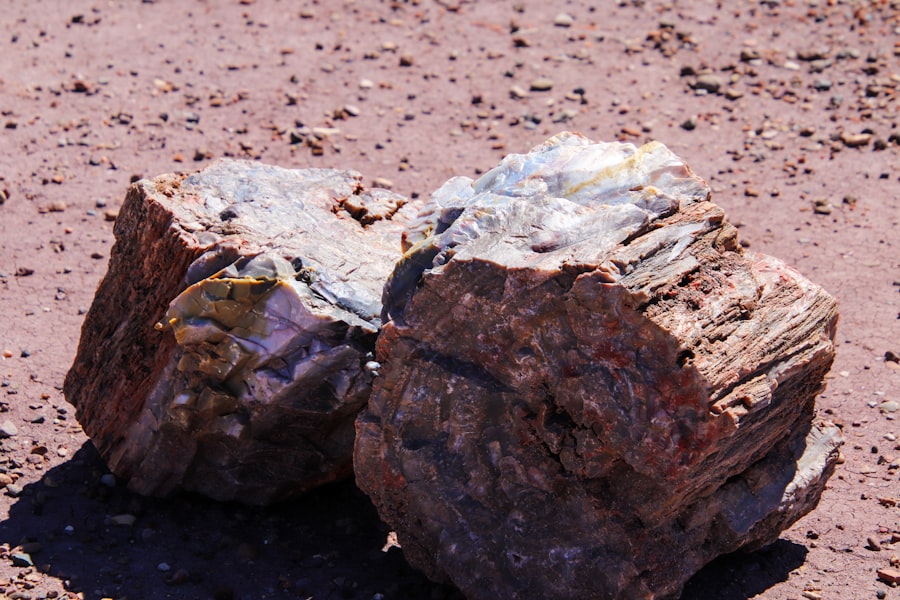
The global distribution of strategic mineral reserves is uneven, creating inherent geopolitical dependencies. InnovateCorp’s strategic procurement of these minerals is not merely an economic decision; it is a calculated maneuver within the complex arena of international relations and global trade.
Reducing Dependency on Single Nations
The concentration of critical mineral supply chains in a limited number of countries, notably China for rare earth elements and the DRC for cobalt, presents a significant risk. InnovateCorp’s diversified agreements are a direct response to this vulnerability, aiming to build a more robust and less politically susceptible supply pipeline.
Partnering with Emerging Producers
Engaging with and supporting emerging mining projects in politically stable regions or nations committed to resource diversification is a key facet of this strategy. This not only secures supply but also helps to foster geopolitical stability and economic development in new regions.
Collaborative Diplomacy and International Agreements
InnovateCorp’s actions can also be seen as a form of quiet diplomacy, encouraging international cooperation on resource management and supply chain security. By establishing partnerships, these companies can influence mining standards and ethical practices on a global scale.
The Role of National Security and Economic Competitiveness
The access to and control over strategic minerals are increasingly viewed as matters of national security and economic competitiveness for many countries. Technology companies, as major consumers of these materials, play a pivotal role in this dynamic.
Supporting Domestic Mining Initiatives
In some instances, InnovateCorp might be supporting domestic mining initiatives or research into new mineral deposits within its home country or allied nations. This aligns with broader national strategies to reduce reliance on foreign adversaries for critical resources.
Innovation Ecosystems and Industrial Policy
The availability of key minerals directly impacts the ability of a nation to foster an advanced industrial ecosystem. InnovateCorp’s procurement efforts can therefore be viewed as contributing to broader industrial policy objectives by ensuring the foundational materials for future technological growth are readily accessible.
The Long-Term Strategic Vision
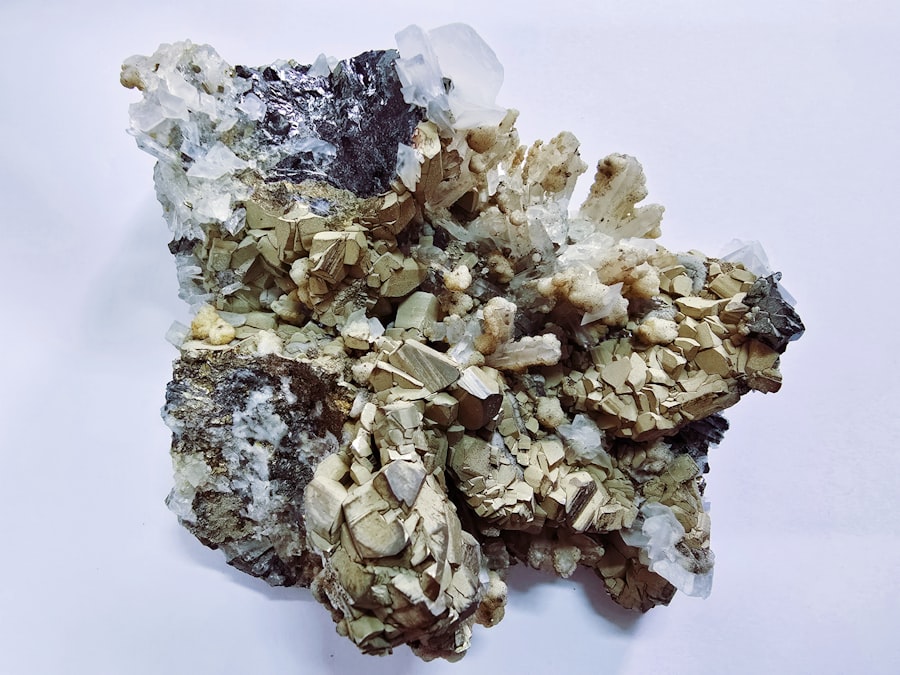
InnovateCorp’s recent procurement agreements are not simply reactive measures to address short-term supply shortages. Instead, they represent a calculated and forward-looking strategy designed to secure the company’s long-term viability and competitive edge in a rapidly evolving technological landscape.
Securing Future Innovation Pipelines
The pace of technological advancement is relentless. New generations of electronics, more efficient renewable energy sources, and revolutionary computing paradigms will undoubtedly require new materials and greater quantities of existing ones.
Investing in Research and Development of New Technologies
By securing the raw materials, InnovateCorp is also implicitly investing in the future development of technologies that will rely on these resources. This could include next-generation battery chemistries, advanced semiconductor materials, or novel display technologies.
Future-Proofing the Product Roadmap
These procurement agreements act as a bulwark against potential future supply shocks, allowing InnovateCorp to maintain its production schedules and continue to innovate without being hampered by the availability or price of essential components, effectively insulating its innovation pipeline from external turbulence.
Building Strategic Partnerships Beyond Transactions
The shift from a purely transactional approach to a partnership-based model with mining companies and governments signifies a deeper integration of InnovateCorp into the global resource landscape. This is akin to moving from being a mere customer at the market to becoming a shareholder in the farm.
Joint Ventures and Equity Stakes
It is plausible that these agreements involve more than just purchase orders. Joint ventures, equity stakes in mining operations, or long-term supply contracts that include clauses for price stability and guaranteed volumes are likely components.
Collaborative Risk Management and Resource Development
By forging these deeper relationships, InnovateCorp can participate in the planning and development of new resource projects, sharing both the risks and rewards. This collaborative approach can accelerate the development of crucial mineral deposits and ensure their responsible extraction and processing, thereby creating a more predictable and reliable path for future supply. This strategic foresight allows the company to navigate the ever-shifting tides of the global resource market with greater confidence.
FAQs
What are strategic minerals and why are they important to tech giants?
Strategic minerals are natural resources essential for manufacturing high-tech products such as smartphones, electric vehicles, and renewable energy systems. They are critical because they enable the production of advanced technologies and are often limited in supply or concentrated in specific geographic regions.
Which strategic minerals are most commonly procured by tech giants?
Tech giants commonly procure minerals such as lithium, cobalt, rare earth elements, nickel, and copper. These minerals are vital for batteries, semiconductors, magnets, and other components used in electronic devices and clean energy technologies.
How do tech companies secure their supply of strategic minerals?
Tech companies secure their supply through direct investments in mining operations, forming partnerships with mining companies, entering long-term supply contracts, and investing in recycling and alternative material research to reduce dependency on scarce minerals.
What challenges do tech giants face in procuring strategic minerals?
Challenges include geopolitical risks, supply chain disruptions, environmental and social concerns related to mining practices, price volatility, and regulatory restrictions. Ensuring ethical sourcing and sustainability is also a significant concern.
How does the procurement of strategic minerals impact global markets and sustainability?
The procurement of strategic minerals influences global markets by affecting prices and trade dynamics. It also raises sustainability issues, as mining can lead to environmental degradation and social conflicts. Tech giants are increasingly focusing on responsible sourcing and investing in sustainable mining practices to mitigate these impacts.