
The hum of ancient commerce, though long silenced, echoes through the archaeological record. The Ancient World’s Global Trade Networks were not merely conduits of goods; they were intricate tapestries woven from human endeavor, ambition, and the relentless pursuit of necessity and luxury. These networks, far from being simple exchanges in isolated marketplaces, represented a sophisticated and far-reaching system that bound distant civilizations together, shaping their economies, cultures, and even their political landscapes. To understand the ancient world is, in many ways, to understand the flow of goods and ideas across vast distances.
The oceans and seas were the great highways of the ancient world, vast blue canvases upon which the ships of merchants plied their trades. These maritime routes, often perilous and demanding, represented the most efficient and volume-efficient means of transporting bulky commodities across significant distances. The development of seafaring technology, from the humble reed boat to the more robust merchant galleys, was intrinsically linked to the expansion and sophistication of these trade networks. The Mediterranean Sea, in particular, served as a central nexus, a shimmering pearl around which many of these arteries flowed.
The Mediterranean: A Cradle of Exchange
For millennia, the Mediterranean was the beating heart of global trade. Its relatively calm waters and numerous islands facilitated regular voyages, connecting the burgeoning civilizations of Egypt, the Levant, Greece, and Rome. Trade in the Mediterranean was not a static phenomenon; it ebbed and flowed with the rise and fall of empires and the innovations in shipbuilding and navigation.
Early Maritime Networks: The Bronze Age and Beyond
During the Bronze Age, the Minoan civilization on Crete, and later the Mycenaeans on mainland Greece, established sophisticated maritime trade networks. They navigated the Aegean Sea and ventured further afield, exchanging their distinctive pottery, olive oil, and wine for metals like copper and tin from the Balkans and Cyprus, and even exotic goods from the Near East. The iconic Uluburun shipwreck, discovered off the coast of Turkey, provides a vivid snapshot of this era’s extensive trade, carrying a cargo of copper ingots, tin, Canaanite jars, ivory, and even amber from the Baltic.
The Phoenician Dominance
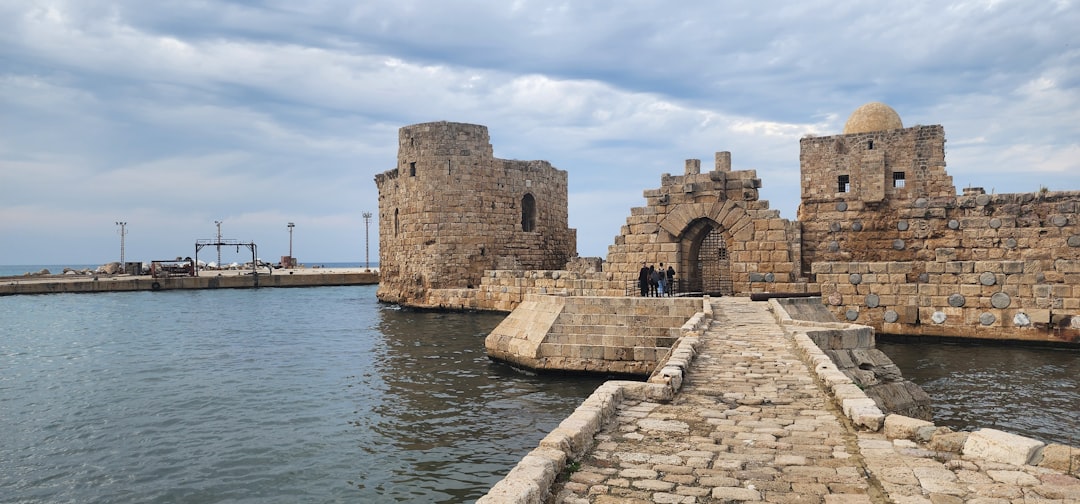
The Phoenicians, renowned mariners and traders from the Levant, were instrumental in expanding Mediterranean trade circuits. Their city-states, such as Tyre and Sidon, became entrepreneurial hubs, establishing colonies and trading posts across the Mediterranean, most notably Carthage in North Africa. They traded in a range of commodities, including timber from Lebanon, fine textiles dyed with Tyrian purple, and manufactured goods. Their innovative alphabet, a phonetic script, became a cornerstone of literacy and communication, facilitating smoother commercial transactions.
Greek and Roman Hegemony
The Greeks, inspired by Phoenician enterprise, soon established their own extensive network. From the Black Sea to the Pillars of Hercules (the Strait of Gibraltar), Greek colonies acted as vital trading posts, disseminating Greek pottery, wine, and olives while importing grain, metals, and slaves. The Hellenistic period, following Alexander the Great’s conquests, further intensified these exchanges, creating a more interconnected Mediterranean world. The Roman Empire, with its Pax Romana, brought an unprecedented level of stability and infrastructure to the region. Roman galleys, along with merchant vessels, transported vast quantities of grain from Egypt and North Africa to feed the insatiable appetite of Rome, along with wine, olive oil, textiles, and luxury goods from across its vast dominion.
Beyond the Mediterranean: Connecting to the Wider World
The Mediterranean was not an isolated trading bloc. Maritime routes extended outwards, forging connections to regions far beyond its shores, acting as springboards for intercontinental commerce.
Amber Routes to the Baltic
One of the most remarkable long-distance connections was the passage of amber from the Baltic Sea southwards. This precious fossilized resin, highly prized for its beauty and believed to possess mystical properties, was traded through a complex series of overland and riverine routes, often culminating in southern European markets. Evidence of Baltic amber found in Roman Egypt and even further east attests to the incredible reach of these ancient trade networks.
The Red Sea and the Indian Ocean
The Red Sea, particularly during the Ptolemaic and Roman periods, became a significant gateway to the Indian Ocean. From Egyptian ports like Myos Hormos and Berenice, ships ventured into the Arabian Sea, connecting with the burgeoning trade of India, Arabia, and even East Africa. This facilitated the exchange of spices, precious stones, textiles, and exotic animals that found their way into the markets of the Roman Empire and beyond.
Ancient world global trade networks played a crucial role in shaping civilizations and facilitating cultural exchanges across vast distances. For a deeper understanding of how these networks operated and their impact on societies, you can explore the article available at Real Lore and Order, which delves into the intricacies of trade routes, the goods exchanged, and the connections forged between diverse cultures throughout history.
The Silk Road: A Legend in Motion
While maritime routes facilitated the bulk movement of goods, the overland routes, collectively known as the Silk Road, represented a more complex, multi-stage system of exchange that became legendary. This network was not a single, paved highway, but rather a mosaic of interconnected pathways, bustling caravan stops, and a testament to human endurance and the desire for the exotic.
The Genesis of the Silk Road
The concept of the Silk Road is often attributed to the Han Dynasty in China, roughly from the 2nd century BCE onwards. The desire for Western horses, capable of improving their cavalry, initiated a westward push by Chinese expeditions, which in turn opened up trade relationships. While named for the highly sought-after Chinese silk, this route was a conduit for a vast array of goods.
East to West: The Flow of Luxury and Necessity
From China, silk was the primary export, a material so highly valued in the West that its trade became synonymous with the entire network. However, other goods also traveled west, including porcelain, jade, spices, and paper. Travelers and merchants traversing these routes also carried with them cultural ideas, religious beliefs (most notably Buddhism), and technological innovations.
West to East: The Flow of Precious Metals and New Goods
From the West, particularly from the Roman Empire and its eastern provinces, came gold, silver, glassware, wool, linen, and horses. The demand for these goods, especially for precious metals to finance the purchase of silk, was a powerful engine driving the Silk Road’s activity. The routes served as arteries of cultural diffusion, allowing for the transmission of artistic styles, philosophical ideas, and scientific knowledge.
The Stages of Exchange: A Collaborative Effort
The Silk Road was not a continuous, single journey undertaken by one merchant. Instead, it was a series of interlinked segments, with goods changing hands multiple times. This decentralized nature allowed for the participation of numerous peoples and empires along the route.
The Role of Central Asian Intermediaries
Peoples of Central Asia, such as the Sogdians, were masters of caravan trade, acting as crucial intermediaries. They controlled key oasis towns and mountain passes, facilitating the movement of goods and providing vital services to travelers, including protection and supplies. Their entrepreneurial spirit and linguistic skills were indispensable to the functioning of this vast network.
Empires as Patrons and Obstacles
The stability or instability of empires along the Silk Road had a profound impact on trade. Empires like the Han, Tang, and Roman, when strong, provided a degree of security and maintained infrastructure, encouraging greater trade. Conversely, periods of fragmentation and conflict could disrupt these crucial supply lines, making trade more dangerous and expensive. The control of strategic points, such as the Tarim Basin and the Pamir Mountains, was vital for those who wished to profit from this trade.
Overland Terrestrial Networks: Rivers and Roads
Beyond the grand arteries of the sea and the legendary Silk Road, a dense web of overland terrestrial networks crisscrossed continents. These consisted of intricate river systems, meticulously constructed roads, and well-trodden paths that facilitated local, regional, and sometimes long-distance trade. These routes, often overlooked in favor of more dramatic maritime or overland routes, formed the essential connective tissue of ancient economies.
River Systems: The Lifeblood of Inland Trade
Large river systems were the natural highways of many ancient civilizations, offering a more predictable and often less arduous means of transport than overland travel, especially for heavy goods. Navigating these waterways allowed for the efficient movement of agricultural produce, building materials, and manufactured goods.
The Nile: Egypt’s Lifeline
The Nile River was more than just a source of water and fertile land for ancient Egypt; it was its primary transportation and communication artery. Large barges carried stone for monumental construction, grain from the fertile Delta to the capital, and goods for trade with regions further south along the river and even out to the Mediterranean. The predictable inundation of the Nile also meant that its banks were easily accessible for loading and unloading.
The Tigris and Euphrates: Mesopotamia’s Arteries
In Mesopotamia, the Tigris and Euphrates rivers played a similar role, connecting the city-states of Sumer, Akkad, and Babylon. Boats of various sizes plied these waters, transporting grains, bitumen, pottery, and timber. The control and maintenance of irrigation canals connected to these rivers also indirectly facilitated trade by ensuring agricultural surpluses.
The Indus and Ganges: India’s Inland Pathways
In the Indian subcontinent, the Indus and Ganges river systems served as crucial corridors for internal trade. Their navigability allowed for the transport of goods between inland cities and coastal ports, facilitating the exchange of agricultural products, textiles, and metals. The Harappan civilization, for instance, utilized riverine trade extensively.
Constructed Roads and Ancient Pathways
While less glamorous than magnificent highways, ancient roads and pathways were the backbone of overland commerce, connecting communities and enabling the movement of smaller, high-value goods and people.
The Roman Road Network: Engineering for Empire and Commerce
The Roman Empire’s legacy of road construction is unparalleled in the ancient world. These meticulously engineered roads, built with durability and strategic military purpose in mind, also became vital arteries for trade. They facilitated the rapid movement of goods, merchants, and information across the vast empire, connecting provincial markets to Rome and beyond. Milestones marked distances, and stopping points (mansiones) provided amenities for travelers.
Persian Royal Roads: Facilitating Imperial Control and Trade
The Achaemenid Persian Empire, prior to the Romans, also developed an impressive road system, most notably the Royal Road, which stretched over 1,600 miles from Susa to Sardis. This network was designed to facilitate communication and troop movement for the empire, but it also undeniably stimulated trade by providing a safe and efficient means of overland travel. Relay stations with fresh horses and provisions allowed for swift communication and travel, benefiting merchants as well.
Local and Regional Pathways
Beyond these grand imperial networks, countless local and regional pathways, often marked by generations of foot traffic, connected villages, towns, and smaller market centers. These were the veins and capillaries of the ancient economic system, ensuring the flow of essential goods within communities and acting as feeders into larger trade routes.
The Exchange of Innovations and Ideas: Beyond Material Goods
The movement of goods along these ancient trade networks was inextricably linked to the movement of ideas, technologies, and cultural practices. These intangible exchanges, often subtle and gradual, were as impactful, if not more so, than the tangible commodities traded. Trade routes were not just conveyors of silk and spices; they were also vectors of innovation and cultural diffusion, shaping the very fabric of civilization.
Technological Transfer: From Irrigation to Metallurgy
Technological advancements, whether in agriculture, construction, or warfare, traveled along these networks. The diffusion of irrigation techniques from Mesopotamia to Egypt, or the spread of metallurgical knowledge from the Near East to Europe, demonstrates how trade routes acted as conduits for practical knowledge. The wheel, for instance, spread across vast distances, transforming transportation and industry.
Religious and Philosophical Diffusion: The Spread of Beliefs
The Silk Road, in particular, played a pivotal role in the transmission of religious and philosophical ideas. Buddhism, originating in India, spread eastward along these routes to Central Asia and China, transforming the religious landscape of East Asia. Similarly, Hellenistic philosophical ideas and artistic styles permeated the East following Alexander the Great’s conquests, leaving their mark on local cultures. The exchange of religious texts and practices was a common feature of interactions between diverse peoples.
Artistic and Architectural Influences: A Melting Pot of Styles
The interaction of different cultures, facilitated by trade, led to a rich cross-pollination of artistic and architectural styles. Greek influence can be seen in Gandhara art in modern-day Pakistan and Afghanistan, a product of the intersection of Hellenistic culture with Buddhist themes. Roman architectural styles, such as the arch and the dome, found their way into buildings across the empire and beyond. The movement of artisans and craftsmen also contributed to this diffusion.
The Spread of Literacy and Language
The need for clear communication in trade spurred the development and spread of alphabets and writing systems. The Phoenician alphabet, as mentioned, was a foundational step that influenced Greek, Etruscan, and eventually Latin alphabets. The standardization of weights, measures, and currencies also facilitated commercial transactions and reflected a growing interconnectedness. The existence of bilingual inscriptions and the adoption of loanwords in different languages are testaments to these linguistic exchanges.
Ancient global trade networks played a crucial role in shaping civilizations and facilitating cultural exchanges across vast distances. For a deeper understanding of how these networks influenced economies and societies, you can explore a related article that delves into the intricacies of trade routes and their impact on ancient cultures. This insightful piece can be found here, offering a comprehensive look at the connections that linked diverse regions of the ancient world.
Challenges and Risks: The Darker Side of Ancient Trade
| Trade Network | Time Period | Key Regions Connected | Main Goods Traded | Significance |
|---|---|---|---|---|
| Silk Road | 2nd century BCE – 14th century CE | China, Central Asia, Middle East, Europe | Silk, spices, precious metals, textiles, ideas | Facilitated cultural exchange and economic integration across Eurasia |
| Incense Route | 3rd millennium BCE – 2nd century CE | Southern Arabia, Egypt, Mediterranean | Frankincense, myrrh, spices | Supported religious rituals and luxury markets in the Mediterranean |
| Amber Road | 16th century BCE – 1st century CE | Baltic Sea, Central Europe, Mediterranean | Amber, metals, salt | Connected Northern Europe with Mediterranean civilizations |
| Trans-Saharan Trade | 1st century CE – 16th century CE | West Africa, North Africa, Mediterranean | Gold, salt, slaves, ivory | Enabled wealth accumulation and spread of Islam in West Africa |
| Maritime Spice Route | 1st century BCE – 15th century CE | India, Southeast Asia, Middle East, East Africa | Spices, textiles, precious stones | Boosted economic prosperity and cultural exchanges in Indian Ocean basin |
While the picture of ancient trade is often painted with broad strokes of ambitious voyages and bustling marketplaces, it is crucial to acknowledge the inherent challenges and risks that underscored these ventures. The success of trade was a precarious balance against a multitude of dangers, from natural hazards to human conflict.
Piracy and Banditry: The Constant Threat
The vastness of maritime routes and the relative isolation of overland paths made them fertile ground for piracy and banditry. Ships traversing the Mediterranean or the Indian Ocean were vulnerable to attacks by organized groups seeking to plunder their valuable cargo. Similarly, caravans on the Silk Road or other overland routes often faced threats from bandits who preyed on vulnerable travelers, demanding tolls or outright robbery. The need for escorts and defensive measures was a constant concern for merchants.
Natural Disasters and Environmental Factors
The forces of nature presented a formidable challenge to ancient traders. Unpredictable storms at sea could easily wreck ships, leading to the loss of cargo and lives. Overland, extreme weather conditions, such as sandstorms in desert regions or harsh winters in mountainous territories, could halt caravans for extended periods, leading to shortages and delays. Navigational inaccuracies, due to rudimentary instruments, also played a significant role.
Political Instability and War
The outbreak of war or periods of political instability could severely disrupt trade networks. Empires that had previously guaranteed safe passage might collapse, leaving routes exposed to raiders. Wars between states could lead to the closure of borders, the imposition of heavy tariffs, or the outright confiscation of goods. The economic consequences of conflict were felt far beyond the battlefield, impacting distant markets and suppliers.
Disease and Epidemics: The Silent Traveler
Trade routes, while facilitating the exchange of goods, also served as vectors for the spread of diseases. The movement of people and animals across vast distances could carry pathogens, leading to devastating epidemics that could cripple populations and economies. The Black Death, though primarily a medieval phenomenon, had roots in earlier patterns of disease transmission along trade routes, demonstrating the enduring vulnerability.
The Cost of Logistics and Personnel
The operation of ancient trade networks involved significant logistical challenges and personnel costs. Maintaining fleets of ships or large caravans required substantial investment in construction, maintenance, and skilled labor. Sailors, pilots, camel drivers, guards, and merchants themselves all represented costs that needed to be factored into the price of goods. The need for specialized knowledge, such as navigation or animal husbandry, also added to these expenses.
The ancient world’s global trade networks were a testament to human ingenuity and the enduring desire for connection and prosperity. They were far more than simple exchanges of commodities; they were complex, dynamic systems that facilitated the transmission of culture, technology, and ideas, shaping the world in profound and lasting ways. While the ships may have long since vanished from the waves and the caravans from the dusty plains, the echoes of their journeys continue to resonate, reminding us of the deep and historical interconnectedness of our globalized present.
STOP: Why They Erased 50 Impossible Inventions From Your Textbooks
FAQs
What were ancient world global trade networks?
Ancient world global trade networks were systems of trade routes and exchanges that connected different civilizations across continents, allowing the movement of goods, ideas, and culture between regions such as Asia, Africa, Europe, and the Middle East.
Which civilizations were involved in ancient global trade networks?
Key civilizations involved included the Mesopotamians, Egyptians, Indus Valley people, Chinese, Persians, Greeks, Romans, and later the Arab traders. These groups traded goods like silk, spices, precious metals, textiles, and ceramics.
What were some major trade routes in the ancient world?
Major ancient trade routes included the Silk Road connecting China to the Mediterranean, the Incense Route in the Arabian Peninsula, the Trans-Saharan trade routes in Africa, and maritime routes across the Indian Ocean linking East Africa, the Middle East, India, and Southeast Asia.
What types of goods were commonly traded in ancient global networks?
Commonly traded goods included silk, spices, gold, silver, ivory, precious stones, textiles, ceramics, glassware, and luxury items such as incense and perfumes.
How did ancient trade networks impact societies?
Ancient trade networks facilitated cultural exchange, technological diffusion, economic growth, and the spread of religions and ideas. They helped build wealth for trading cities and empires and contributed to the development of more complex societies.