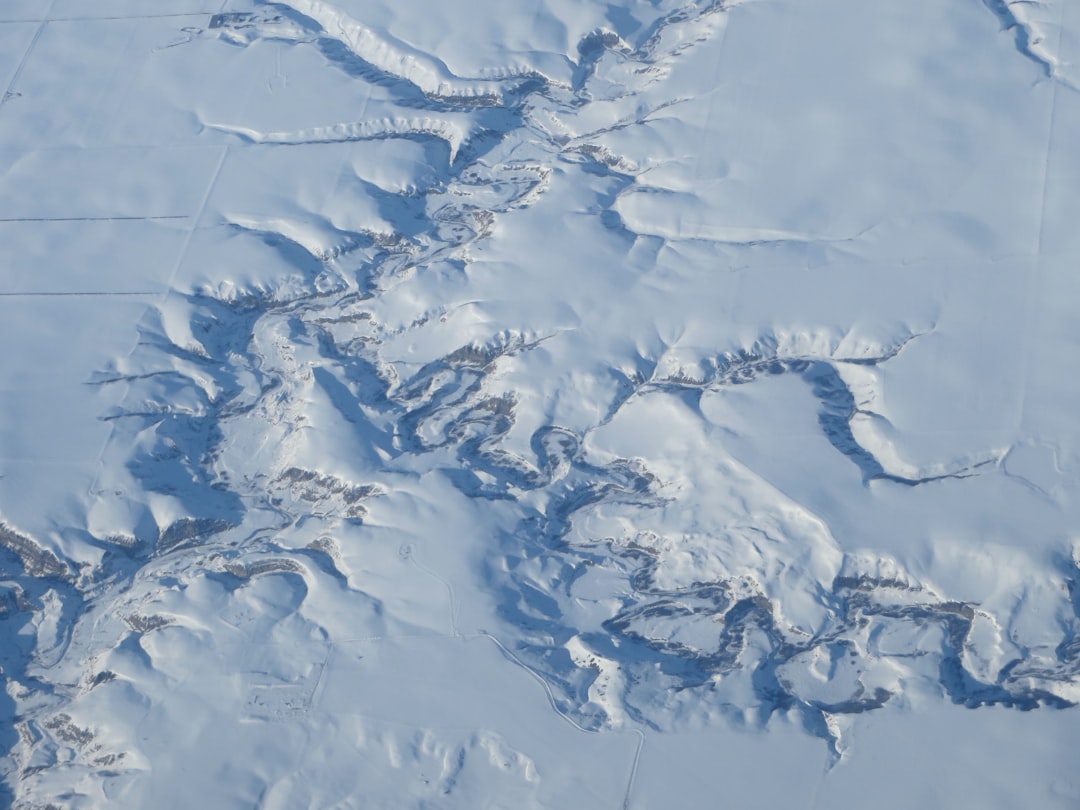
The Arctic, a vast and frozen expanse, is undergoing a profound transformation. As global temperatures rise, driven by human activity, its icy armor is receding, revealing new territories and pathways. This rapid thaw has ignited a silent but escalating geopolitical struggle: the Arctic Map Erasure and its attendant resource wars. The region, once a remote and largely inaccessible frontier, is now a focal point of international attention, a canvas upon which competing claims and ambitions are being redrawn. The implications of this dramatic shift are far-reaching, threatening to destabilize the existing international order and usher in an era of intensified conflict.
Retreating Ice, Expanding Ambitions
For millennia, the Arctic Ocean was primarily characterized by its thick, multi-year ice cover. This frozen expanse acted as a natural barrier, limiting navigation, exploration, and access to the seabed’s potential wealth. Traditional international law, particularly the United Nations Convention on the Law of the Sea (UNCLOS), was largely developed with temperate or more accessible oceanic regions in mind. The Arctic’s unique glacial nature presented a complex legal landscape, with established principles needing to be adapted to new physical realities. However, the accelerating rate of ice melt is fundamentally altering these calculations. As ice retreats, previously inaccessible areas are becoming navigable for longer periods. This opens up new shipping routes, such as the Northern Sea Route and the Northwest Passage, dramatically reducing transit times between Asia and Europe. Simultaneously, the thawing ice exposes the seabed, revealing geological formations that are suspected to hold vast reserves of oil, natural gas, and critical minerals. These potential economic windfalls are a powerful lure, intensifying the desire of Arctic and non-Arctic states alike to assert their territorial and resource claims. The very lines on maps, once seemingly fixed by immutable ice, are now becoming fluid, subject to reinterpretation and contestation.
The Legal Limbo of Unclaimed Territories
While states have established territorial boundaries within their claimed Exclusive Economic Zones (EEZs) and continental shelves, the Arctic Ocean presents unique challenges. Under UNCLOS, coastal states can claim an extended continental shelf up to 200 nautical miles from their coast, or further if the natural prolongation of their landmass extends beyond this limit. However, proving such an extension requires extensive geoscientific data, a process that is both time-consuming and expensive. Several Arctic nations are actively engaged in submitting claims to the Commission on the Limits of the Continental Shelf (CLCS) to delineate these extended boundaries. The CLCS, an expert body, then reviews these submissions, but its recommendations are not legally binding, and disputes can still arise between states regarding overlapping claims. Furthermore, vast swathes of the Arctic Ocean lie beyond the 200-nautical-mile EEZ of any single nation, falling under the legal regime of the High Seas. While the High Seas are generally considered the common heritage of all humankind, the emerging resource potential in these areas is creating a new impetus for states to seek to assert greater control, often through interpretations of existing international law or by pushing the boundaries of customary practices. The absence of universally agreed-upon definitive boundaries in some of these emerging areas creates a legal vacuum, fertile ground for future disputes.
Shifting Arctic Governance Structures
The Arctic Council, established in 1996, has long been the primary intergovernmental forum for cooperation on Arctic issues among the eight Arctic states (Canada, Denmark/Greenland, Finland, Iceland, Norway, Russia, Sweden, and the United States) and indigenous peoples’ organizations. Its mandate focuses on sustainable development and environmental protection, largely avoiding issues of military security and resource competition. However, the accelerating pace of change and the increasing stakes are straining the Council’s established norms. While the Council provides a crucial platform for dialogue, its consensus-based decision-making and limited mandate mean it is ill-equipped to address the burgeoning resource competition and potential military implications. The emergence of new shipping routes and potential resource discoveries outside of national jurisdiction also raises questions about the future governance of these areas. Discussions are beginning to emerge, albeit tentatively, about the potential need for new frameworks or the expansion of existing ones to manage the complexities of a more accessible and economically significant Arctic. The effectiveness and future relevance of the Arctic Council in this new reality remain a significant question.
The issue of Arctic map erasure and the ensuing resource wars is intricately linked to the broader implications of geomorphological changes in the region. As climate change accelerates, the melting ice reveals untapped resources, sparking conflicts among nations vying for control. For a deeper understanding of the geological factors at play, you can explore the article titled “Unraveling the Mysteries of Geomorphology,” which discusses how these changes impact both the environment and geopolitical dynamics. For more information, visit here.
The Scramble for Subsurface Riches
Untapped Reserves of Fossil Fuels
The Arctic is estimated to hold a significant percentage of the world’s undiscovered conventional oil and natural gas resources. These reserves, locked away for millennia by ice and extreme cold, are now within technological reach, albeit with considerable environmental risk and logistical challenges. The economic incentives for exploiting these resources are substantial, driven by global energy demand and the desire for energy independence by various nations. Russia, with its vast Arctic coastline and extensive experience in Arctic resource extraction, is particularly focused on developing its offshore hydrocarbon potential. Norway and the United States (through Alaska) also possess significant Arctic energy reserves. This pursuit of fossil fuels, however, runs counter to global climate mitigation efforts. The extraction and potential consumption of these Arctic resources could have a substantial impact on greenhouse gas emissions, exacerbating the very problem that is opening up the region. The environmental footprint of such operations, in one of the planet’s most sensitive ecosystems, is a major concern, with the risk of spills and pollution posing a severe threat to the delicate Arctic environment and its indigenous populations.
The Growing Demand for Critical Minerals
Beyond oil and gas, the Arctic seabed and landmasses are believed to contain substantial deposits of critical minerals essential for modern technologies, including rare earth elements, platinum group metals, and base metals. The global demand for these minerals is projected to increase significantly in the coming decades, driven by the renewable energy sector, electronics, and defense industries. Nations are increasingly seeking to secure reliable and diversified sources of these strategically important materials. Canada, Greenland, and Russia are among the countries with significant known or suspected mineral deposits in their Arctic territories. The potential for economic prosperity through mineral extraction is a powerful driver for state investment in exploration and mining infrastructure. However, the environmental impact of large-scale mining operations in the Arctic is a pressing concern, with the potential for landscape disruption, water contamination, and habitat destruction. Furthermore, the geopolitical implications of controlling access to these critical mineral supply chains are significant, potentially leading to new dependencies and rivalries.
The Ethics of Arctic Resource Exploitation
The pursuit of Arctic resources is not merely an economic or geopolitical calculation; it is also an ethical dilemma. Indigenous communities have inhabited the Arctic for millennia, developing deep cultural and spiritual connections to the land and sea. Their traditional livelihoods, often subsistence-based, are intrinsically linked to the health of the Arctic environment. The rapid industrialization and potential environmental degradation associated with resource extraction pose a serious threat to their way of life, cultural practices, and inherent rights. Many indigenous groups have voiced strong opposition to unchecked resource development, advocating for their right to free, prior, and informed consent and for the protection of their ancestral territories. The question of who benefits from Arctic resource wealth and who bears the burden of its environmental consequences is central to this ethical debate. The international community, and particularly the Arctic states, face the moral imperative of balancing economic opportunities with the fundamental rights and well-being of Arctic indigenous peoples and the imperative to protect the unique and fragile Arctic ecosystem.
The New Arctic Maritime Silk Road
Navigable Pathways Open Up
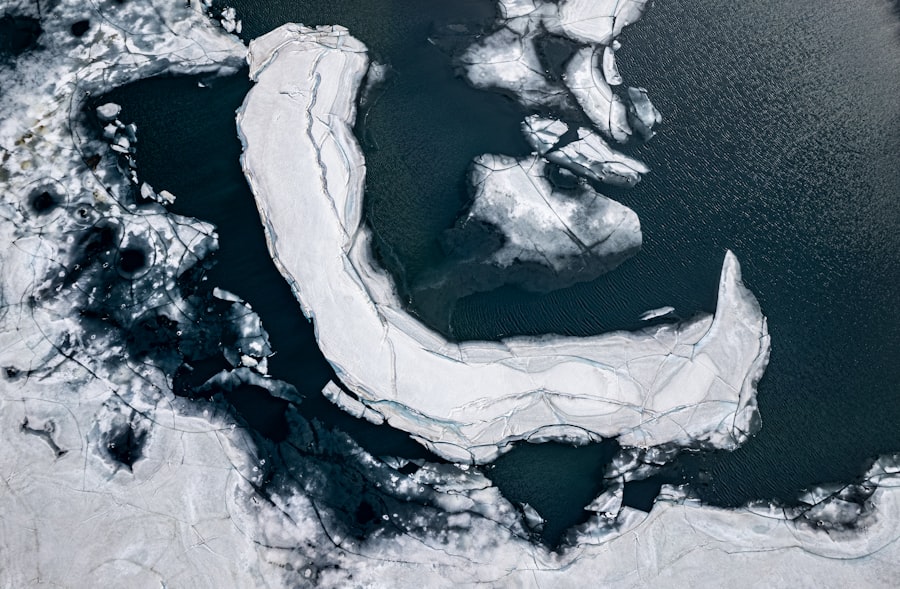
The progressive melting of Arctic sea ice is creating increasingly viable shipping routes across the top of the world. The Northern Sea Route (NSR) along Russia’s northern coast and the Northwest Passage (NWP) through the Canadian Arctic Archipelago are becoming more accessible for longer periods each year. These routes offer a significant reduction in transit times compared to traditional passages through the Suez or Panama Canals, making them attractive for global trade. For nations in East Asia, particularly China, the development of the NSR as a “Polar Silk Road” holds significant strategic and economic implications. It offers a faster and potentially cheaper way to transport goods to European markets, bypassing longer and more potentially volatile routes. Russia, leveraging its territorial control over the NSR, sees it as an opportunity to boost its economic influence and control over Arctic shipping.
Geopolitical Control and Competition
The increased use of these Arctic shipping lanes is not simply a matter of logistics; it is also a question of geopolitical control. Russia asserts administrative authority over the NSR, requiring permits for passage and providing escort services for icebreakers. This assertion of control has been met with skepticism and concern from some Western nations, who argue that the NSR should be governed by international maritime law applicable to international straits. The United States, in particular, has questioned Russia’s claims of sovereignty and has advocated for greater freedom of navigation. The NWP, while geographically part of Canada’s internal waters according to Canadian law, is viewed by the United States and other countries as an international strait. The differing interpretations of legal status create potential friction points. As traffic increases, the potential for incidents, disputes over salvage, and the need for search and rescue operations will also rise, further highlighting the importance of clear governance and operational frameworks.
Environmental Risks and Emerging Infrastructure
The environmental risks associated with increased shipping in the Arctic are substantial. The Arctic Ocean is a pristine environment with fragile ecosystems highly susceptible to pollution. The potential for oil spills, ballast water discharge introducing invasive species, and increased underwater noise pollution are serious concerns. The limited infrastructure for navigation, search and rescue, and environmental response in the Arctic further exacerbates these risks. While some investment is being made in developing ports, icebreaker capacity, and communication networks, it is often insufficient to meet the projected increase in traffic. The development of the Northern Sea Route, in particular, has seen significant investment from Russia, driven by both economic and strategic considerations. However, the environmental implications of this rapid development, especially in the context of global climate change, remain a critical area of concern and a potential source of international friction.
The Militarization of the Arctic
Increased Military Presence and Posturing
As the Arctic becomes more accessible and its strategic importance grows, there has been a discernible increase in military activity by Arctic nations. Russia has been particularly active in rebuilding and expanding its military infrastructure in the Arctic, a region it views as a core strategic area. This includes reactivating Soviet-era bases, developing new naval and air bases, and increasing its fleet of ice-capable vessels. NATO members, including the United States, Canada, and Norway, have also increased their military presence, conducting more exercises, deploying additional assets, and enhancing their surveillance capabilities. This heightened military activity is driven by a complex mix of factors, including the perceived need to secure territorial claims, protect energy and shipping routes, and project power in a strategically vital region. The increasing assertiveness of Russia in the Arctic is a significant concern for Western nations, who view it as a potential challenge to regional stability.
Escalating Defense Expenditures and Capabilities
The rising geopolitical tensions in the Arctic have led to a proportional increase in defense expenditures by Arctic states. Investments are being made in advanced ice-capable naval vessels, submarines, long-range bombers, and sophisticated surveillance and reconnaissance systems designed to operate in harsh Arctic conditions. The development of hypersonic weapons and other advanced military technologies with Arctic applications is also a growing area of focus. This arms race, however subtle, is contributing to a climate of increased suspicion and potential for miscalculation. The absence of robust arms control agreements specific to the Arctic region further amplifies these concerns. The potential for accidents, unintended escalations, and the blurring lines between civilian and military activities in the region add layers of complexity to the evolving security landscape. The focus on military preparedness, while understandable in the current geopolitical climate, risks diverting resources from crucial areas of scientific research and environmental protection, further undermining the long-term sustainability of the region.
The Risk of Accidental Escalation and Miscalculation
The increased proximity of military forces, coupled with the harsh and often unpredictable Arctic environment, raises the risk of accidental escalations or miscalculations. Incidents involving military aircraft or vessels, navigational errors, or communication breakdowns could quickly spiral out of control, especially in the absence of well-established de-escalation protocols. The vastness of the region, with its limited communication infrastructure and sparse population, also complicates crisis management. The potential for a localized incident to trigger a wider geopolitical crisis is a significant concern. The lack of a strong, overarching security framework specifically designed for the Arctic amplifies this risk. While cooperation on search and rescue and environmental emergencies does exist, it is often overshadowed by the growing military competition. The focus on military solutions to perceived security threats risks undermining the very stability that Arctic states claim to be seeking.
The ongoing discussions surrounding Arctic map erasure and the ensuing resource wars highlight the complexities of territorial claims and geopolitical tensions in resource-rich regions. A related article that delves into the implications of such conflicts is available at Iraq’s Fragmentation: A Looming Crisis, which explores how similar dynamics of fragmentation and competition for resources can lead to instability and conflict in various parts of the world. Understanding these parallels can provide valuable insights into the potential future of Arctic governance and international relations.
The Looming Resource Wars
| Country | Arctic Map Erasure | Resource Wars |
|---|---|---|
| United States | Increasing interest in Arctic shipping routes | Competition for oil and gas reserves |
| Russia | Claiming vast areas of the Arctic Ocean | Strategic control over Northern Sea Route |
| Canada | Asserting sovereignty over the Northwest Passage | Disputes over potential mineral resources |
| Norway | Expanding presence in the Arctic region | Focus on oil and gas exploration |
Competition Intensifies as Ice Recedes
The convergence of receding ice, expanding economic opportunities, and a changing geopolitical landscape is creating a volatile mix that points towards intensified competition, potentially bordering on conflict. The Arctic Ocean’s potential wealth of hydrocarbons and critical minerals, coupled with the strategic advantage of new shipping routes, is acting as a powerful magnet for state ambition. As nations perceive these resources and pathways as vital to their future economic prosperity and security, they are increasingly willing to assert their claims and defend their perceived interests. This competition is not confined to diplomatic channels; it is manifesting in increased military deployments, heightened surveillance, and a reluctance to engage in broad international agreements that might limit perceived opportunities. The legal ambiguities surrounding extended continental shelf claims and the status of international straits in the Arctic only serve to exacerbate this competition, creating a fertile ground for potential disputes.
Overlapping Claims and Contentious Boundaries
The potential for overlapping maritime claims and contentious boundaries represents a significant flashpoint in the Arctic. Several Arctic states have submitted or are in the process of submitting claims to the Commission on the Limits of the Continental Shelf (CLCS) for extensions beyond their 200-nautical-mile EEZs. These claims, particularly in areas where they may overlap, could lead to protracted legal and political disputes. Even within established EEZs, the assertion of sovereign rights over resources and navigation can be a source of friction, especially if interpreted in ways that restrict the passage of other nations’ vessels. The international legal framework for the Arctic, while providing a basis for governance, is being stretched and tested by the unprecedented changes occurring in the region. The lack of universally agreed-upon resolutions for all Arctic territorial issues creates a persistent risk of conflict.
The Global Ramifications of Arctic Instability
Instability in the Arctic would have far-reaching global ramifications. A conflict or significant dispute in the region could disrupt global energy and commodity markets, impacting economies worldwide. The disruption of vital shipping routes could have a cascading effect on international trade. Furthermore, a militarized Arctic could create new theaters of conflict, further straining global security. The long-term environmental consequences of unchecked resource exploitation and potential conflict in such a sensitive ecosystem are also a profound global concern. The Arctic is a critical component of the Earth’s climate system, and its degradation would have severe consequences for global weather patterns and sea levels. The transformation of the Arctic from a remote, frozen frontier to a contested geopolitical prize represents a significant challenge to international cooperation and the pursuit of global peace and stability. Addressing this looming crisis requires a commitment to diplomacy, adherence to international law, and a recognition of the interconnectedness of environmental protection and geopolitical security.
FAQs
What is the Arctic map erasure?
The Arctic map erasure refers to the melting of the Arctic ice, which is causing the once-frozen region to become more accessible. This has led to disputes over territorial claims and the potential for resource extraction.
What are resource wars in the Arctic?
Resource wars in the Arctic refer to the competition among countries for access to the region’s natural resources, including oil, gas, minerals, and fish. As the ice melts, these resources are becoming more accessible, leading to increased geopolitical tensions.
Which countries are involved in the Arctic resource wars?
Countries with Arctic territory, such as Russia, Canada, the United States, Norway, and Denmark (via Greenland), are involved in the Arctic resource wars. Other countries, including China, are also seeking to assert their interests in the region.
What are the potential environmental impacts of the Arctic map erasure and resource wars?
The potential environmental impacts of the Arctic map erasure and resource wars include increased pollution from resource extraction, habitat destruction for wildlife, and the potential for oil spills in the fragile Arctic ecosystem.
What is being done to address the challenges posed by the Arctic map erasure and resource wars?
Efforts are being made to establish international agreements and regulations for the sustainable management of Arctic resources. Additionally, scientific research and environmental monitoring are being conducted to better understand and mitigate the impacts of the changing Arctic landscape.