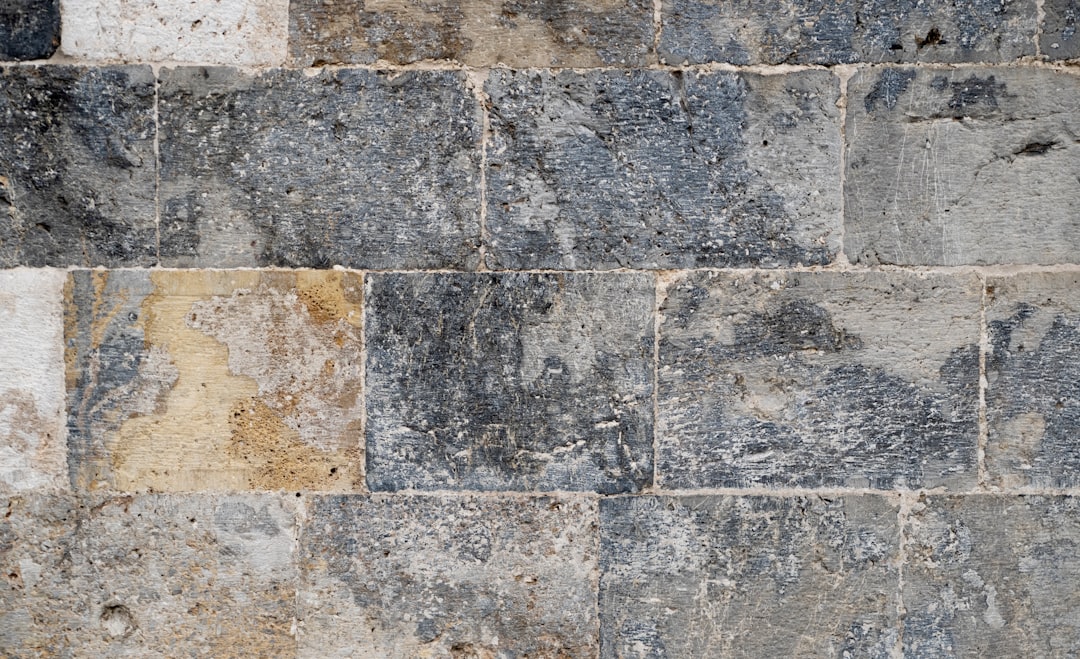
Precision stonework represents a remarkable intersection of artistry and engineering, showcasing the extraordinary skills of ancient craftsmen who shaped the very foundations of civilization. This meticulous craft, which dates back thousands of years, involved not only the physical manipulation of stone but also a deep understanding of geometry, materials, and the environment. The ability to create structures that have withstood the test of time speaks volumes about the ingenuity and dedication of those who practiced this art.
From the grand pyramids of Egypt to the intricate temples of Greece, precision stonework has left an indelible mark on human history. The significance of precision stonework extends beyond mere aesthetics; it embodies the cultural and technological advancements of its time. Each chiseled block and carefully placed stone tells a story of human ambition, creativity, and the desire to leave a lasting legacy.
As societies evolved, so too did their approaches to stonework, reflecting changes in beliefs, technologies, and artistic expressions. Understanding the nuances of this craft provides valuable insights into the civilizations that produced these monumental works and their enduring impact on contemporary architecture.
Key Takeaways
- Precision stonework is a crucial aspect of ancient architecture, requiring advanced tools and techniques.
- Geometry and mathematics played a significant role in achieving precision in ancient stonework.
- The importance of precision in ancient architecture is evident in the durability and longevity of structures.
- Examples of precision stonework can be found in ancient structures such as the pyramids and Stonehenge.
- The legacy of precision stonework continues to influence modern architecture and cultural art forms.
Tools and Techniques Used in Ancient Stonework
The tools and techniques employed by ancient stonemasons were as diverse as the cultures that created them. In many cases, these artisans relied on simple yet effective tools made from materials readily available in their environment. Hammerstones, chisels, and wedges were among the primary implements used to shape and carve stone.
The hammerstone, often made from harder rock, was used to strike chisels or directly chip away at the stone surface. This rudimentary yet effective method allowed stonemasons to achieve remarkable precision in their work. In addition to basic tools, ancient craftsmen developed sophisticated techniques for quarrying and transporting stone.
For instance, the Egyptians utilized sledges and lubricated pathways to move massive blocks from quarries to construction sites. They also employed levers and ramps to lift heavy stones into place, demonstrating an impressive understanding of physics and mechanics. These methods not only facilitated the construction of monumental structures but also highlighted the ingenuity of ancient engineers who overcame significant logistical challenges.
The Role of Geometry and Mathematics in Stonework

Geometry and mathematics played a crucial role in the art of stonework, guiding stonemasons in their quest for precision. Ancient builders understood the importance of proportions, angles, and symmetry in creating aesthetically pleasing and structurally sound designs. The use of geometric principles allowed them to achieve harmony in their constructions, ensuring that each element fit seamlessly into the overall composition.
For example, the Parthenon in Athens exemplifies the application of mathematical ratios, with its columns and entablatures meticulously designed to create an illusion of perfection. Moreover, stonemasons often employed advanced mathematical concepts such as the golden ratio and Pythagorean theorem in their work. These principles not only enhanced the visual appeal of structures but also contributed to their stability and durability.
The careful calculations involved in laying out a building’s foundation or determining the curvature of an arch demonstrate the sophisticated understanding that ancient craftsmen possessed regarding geometry’s role in architecture.
The Importance of Precision in Ancient Architecture
| Aspect | Importance |
|---|---|
| Alignment | Ensuring precise alignment of architectural elements for structural stability and aesthetic appeal. |
| Proportions | Using precise proportions to create harmonious and visually pleasing architectural designs. |
| Measurement | Accurate measurement of materials and dimensions to ensure proper construction and functionality. |
| Symbolism | Utilizing precision to convey symbolic meanings and cultural significance through architectural elements. |
Precision was paramount in ancient architecture, as even minor errors could compromise the integrity of a structure.
This attention to detail was particularly vital in monumental constructions such as temples, pyramids, and fortifications, where structural stability was essential for longevity.
Furthermore, precision in stonework was often seen as a reflection of a civilization’s values and beliefs. In many cultures, the act of creating a perfectly aligned structure was not merely a technical achievement but also a spiritual endeavor. The alignment of buildings with celestial bodies or cardinal directions often held significant meaning, reinforcing the connection between architecture and cosmology.
Thus, precision became a means of expressing cultural identity and aspirations through architectural forms.
Examples of Precision Stonework in Ancient Structures
Throughout history, numerous examples of precision stonework stand as testaments to the skill and artistry of ancient craftsmen. The Great Pyramid of Giza is perhaps one of the most iconic examples, showcasing an extraordinary level of precision in its construction. Built with over two million limestone blocks, each weighing several tons, the pyramid’s alignment with true north is so accurate that it remains a subject of fascination for archaeologists and historians alike.
Another remarkable example is the Inca city of Machu Picchu, where stonemasons employed a technique known as ashlar masonry. This method involved cutting stones so precisely that they fit together without the need for mortar. The resulting structures have endured centuries of weathering and seismic activity, demonstrating both the skill of Inca craftsmen and their understanding of local geology.
Such examples highlight how precision stonework not only served functional purposes but also conveyed cultural significance through architectural expression.
The Symbolism and Meaning Behind Precision Stonework

Precision stonework often carried profound symbolism within ancient cultures, serving as a medium through which societal values and beliefs were expressed. In many civilizations, monumental structures were not merely functional; they were imbued with spiritual significance. For instance, temples dedicated to deities were constructed with meticulous care to reflect divine order and harmony.
The precision with which these buildings were crafted symbolized humanity’s desire to connect with the divine and create spaces that honored higher powers. Additionally, precision in stonework could signify power and authority. Rulers often commissioned grand structures as a means of demonstrating their strength and legitimacy.
The careful alignment and intricate detailing found in royal tombs or palaces conveyed messages about the ruler’s divine right to govern and their connection to ancestral lineage. Thus, precision stonework became a powerful tool for communicating cultural narratives and reinforcing social hierarchies.
Challenges Faced by Ancient Stonemasons
Despite their remarkable skills, ancient stonemasons faced numerous challenges in their craft. One significant obstacle was the sheer scale of many projects, which required extensive planning and coordination among large teams of workers. Quarrying massive stones from remote locations posed logistical difficulties, as did transporting them over long distances without modern machinery.
The physical demands of working with heavy materials also took a toll on laborers, necessitating careful management to ensure safety and efficiency. Moreover, environmental factors played a crucial role in shaping the outcomes of stonework projects. Weather conditions could impact both quarrying operations and construction timelines.
Rain could soften soil or create mudslides that hindered transportation routes, while extreme temperatures could affect the integrity of certain stones during cutting or placement. Stonemasons had to adapt their techniques to accommodate these challenges while maintaining their commitment to precision.
The Legacy of Precision Stonework in Modern Architecture
The legacy of precision stonework continues to resonate in modern architecture, influencing contemporary design principles and construction techniques. Many architects draw inspiration from ancient practices, incorporating elements such as symmetry, proportion, and meticulous craftsmanship into their work. The revival of traditional stone masonry techniques reflects a growing appreciation for artisanal skills that prioritize quality over quantity.
Furthermore, advancements in technology have allowed modern builders to achieve levels of precision that were previously unimaginable. Computer-aided design (CAD) software enables architects to create intricate designs with exact specifications, while laser-cutting technology allows for precise stone shaping that mirrors ancient methods. This fusion of traditional craftsmanship with modern innovation ensures that the spirit of precision stonework endures in contemporary architectural practices.
Preservation and Restoration of Ancient Stonework
Preserving ancient stonework is essential for maintaining cultural heritage and historical integrity. As time takes its toll on these structures, conservation efforts become increasingly important to prevent deterioration caused by environmental factors or human activity. Restoration projects often involve meticulous documentation and analysis to ensure that any interventions respect the original craftsmanship while addressing structural concerns.
Modern preservation techniques may include cleaning surfaces using gentle methods that do not damage the stone or employing advanced materials that mimic original substances for repairs. Additionally, public awareness campaigns aim to educate communities about the significance of preserving these historical sites for future generations. By fostering appreciation for ancient stonework, societies can ensure that these remarkable achievements continue to inspire awe and admiration.
The Influence of Precision Stonework on Art and Culture
The influence of precision stonework extends beyond architecture; it has permeated various aspects of art and culture throughout history. Many artists have drawn inspiration from the intricate patterns and forms found in ancient stone structures, incorporating similar motifs into their own works. The interplay between light and shadow created by precisely cut stones has inspired painters and sculptors alike to explore themes of depth and dimension.
Moreover, precision stonework has played a role in shaping cultural identity within communities. The craftsmanship associated with specific styles or techniques often becomes emblematic of a particular region or civilization. As such, these artistic expressions contribute to a sense of belonging and pride among individuals who identify with their cultural heritage.
The Future of Precision Stonework in Archaeology and Architecture
Looking ahead, precision stonework is poised to play an increasingly vital role in both archaeology and architecture. As archaeologists continue to uncover ancient sites, understanding the techniques used by stonemasons can provide valuable insights into past societies’ technological capabilities and cultural practices. Advances in imaging technology allow researchers to analyze structures without invasive methods, revealing hidden details about construction techniques.
In architecture, there is a growing movement toward sustainable building practices that prioritize craftsmanship and local materials. This shift aligns with ancient principles of precision stonework that emphasized harmony with nature and community involvement in construction processes. By embracing these values, modern architects can create spaces that honor tradition while addressing contemporary challenges such as environmental sustainability.
In conclusion, precision stonework remains a testament to human ingenuity and creativity throughout history.
Precision stonework in ancient times is a fascinating subject that showcases the incredible skills and techniques developed by early civilizations. The ability to carve and fit stones with such accuracy has long intrigued historians and archaeologists alike. For those interested in exploring this topic further, a related article can be found on the Real Lore and Order website. This article delves into the methods and tools used by ancient stone masons, providing insights into their remarkable craftsmanship. To read more about this intriguing aspect of ancient history, visit the article by clicking here.
WATCH THIS! 👀 History Is Hiding 50 Impossible Inventions
FAQs
What is precision stonework in ancient times?
Precision stonework in ancient times refers to the highly skilled and precise techniques used by ancient civilizations to cut, shape, and fit stones together to create structures such as temples, pyramids, and other architectural marvels.
Which ancient civilizations were known for their precision stonework?
Several ancient civilizations were known for their precision stonework, including the Egyptians, Greeks, Romans, and Incas. Each of these civilizations developed their own unique techniques for working with stone.
What tools and techniques were used for precision stonework in ancient times?
Ancient stonemasons used a variety of tools and techniques to achieve precision stonework, including chisels, hammers, saws, and drills. They also employed methods such as quarrying, shaping, and fitting stones together with remarkable accuracy.
What are some examples of precision stonework in ancient times?
Examples of precision stonework in ancient times include the construction of the Great Pyramid of Giza in Egypt, the Parthenon in Greece, the Colosseum in Rome, and the stone walls of Sacsayhuaman in Peru. These structures showcase the incredible skill and precision of ancient stonemasons.
Why was precision stonework important in ancient times?
Precision stonework was important in ancient times because it allowed civilizations to create durable and impressive structures that served as religious, political, and cultural centers. The precision and craftsmanship of these structures also reflected the power and sophistication of the societies that built them.