
The Buried Inventions: Legally Hidden Tech
The landscape of technological advancement is rarely a straightforward path, clearly marked with unveilings and public demonstrations. Instead, it often resembles a vast, intricate map where certain innovations are deliberately obscured, their existence known only to a select few, or perhaps even to no one at all. These are the “buried inventions,” technologies that, for a variety of strategic, legal, or proprietary reasons, remain hidden from the public eye, existing in a state of intentional technological twilight. This article delves into the phenomenon of legally hidden tech, exploring the mechanisms, motivations, and implications of inventions that, while potentially transformative, are kept under wraps.
While many might envision hidden technology as the domain of shadowy figures and clandestine operations, the reality is that legal frameworks provide a robust, and often entirely legitimate, scaffolding for keeping inventions secret. These provisions are not designed for malevolent purposes, but rather to protect intellectual property and foster innovation within competitive markets.
The Power of Patents and Trade Secrets
At the forefront of legally sanctioned secrecy lies the patent system. When an inventor patents an idea, they are granted a temporary monopoly on its use and exploitation in exchange for making the details of their invention publicly available. However, what often goes unsaid is the strategic advantage of timing and the selective disclosure aspect. An applicant can choose to allow a patent to expire without ever having fully commercialized the invention, effectively “burying” it in the public domain without ever having to reveal its full practical application. This can occur if the market landscape changes, or if the invention is superseded by a more commercially viable alternative developed concurrently.
More directly, the concept of a trade secret offers a potent route to keeping technology hidden. Unlike patents, which require public disclosure, trade secrets protect proprietary information that provides a business with a competitive edge. This can encompass manufacturing processes, formulas, algorithms, customer lists, or even entire technological designs. The key here is that the information is not generally known and that the owner takes reasonable steps to keep it secret. Think of a famously guarded recipe; the ingredients might be theoretically known, but the precise proportions, techniques, and subtle nuances are the closely protected secret that makes it unique. Companies invest heavily in safeguarding these secrets, employing non-disclosure agreements (NDAs), restricted access protocols, and sophisticated digital security measures. When these measures are successful, the technology remains a hidden engine of value, never hitting the open market in its true form.
Provisional Patents and the Art of Delay
Provisional patent applications, often overlooked by the casual observer, represent another important tool in the arsenal of hidden technology. A provisional patent application establishes an early filing date for an invention but does not mature into an issued patent unless a formal non-provisional application is filed within twelve months. This period provides inventors with a significant window of opportunity to develop their invention further, test its market viability, or explore potential licensing agreements, all without the immediate obligation of public disclosure that accompanies a full patent application. During this twelve-month period, the invention can remain in a state of carefully managed secrecy. This is akin to planting a seed and allowing it to germinate in the dark before deciding when and where to reveal its sprout. It affords a crucial buffer to refine the innovation and assess its potential impact before the world at large becomes aware of its existence, effectively allowing for a period of “buried” development.
Confidentiality Agreements and Strategic Partnerships
Beyond formal intellectual property protections, the ubiquitous use of confidentiality and non-disclosure agreements (NDAs) plays a crucial role in the ecosystem of hidden technology. When companies collaborate, share sensitive information with potential investors, or engage research institutions, NDAs become the legal linchpin of secrecy. These legally binding contracts ensure that any disclosed information remains confidential, preventing its unauthorized dissemination. This is particularly relevant in areas like joint research ventures or when a company is seeking funding for a nascent technology. The potential investor or partner is granted access to the inner workings of the innovation, but under strict contractual obligations of silence. Without these agreements, no significant collaborative innovation involving proprietary information would be possible, as the risk of exposure would be too great. It’s the quiet handshake that solidifies trust and allows complex technological ideas to be shared and developed without fear of replication.
In exploring the intriguing world of buried inventions that have been legally hidden from public knowledge, one can find a wealth of information in the article titled “The Secrets of Buried Innovations” on Real Lore and Order. This article delves into various inventions that, for legal or strategic reasons, have remained obscured from mainstream awareness, shedding light on the implications of such secrecy. To read more about these fascinating hidden innovations, visit The Secrets of Buried Innovations.
Motivations Behind Technological Seclusion
The decision to keep a technology hidden is rarely arbitrary. It is usually driven by a confluence of strategic business imperatives, risk mitigation, and a desire to maintain a competitive advantage. Understanding these motivations is key to grasping the significance of legally hidden tech.
Maintaining Competitive Edge and Market Dominance
Perhaps the most compelling reason for concealing technological breakthroughs is the desire to maintain a significant competitive advantage. In rapidly evolving industries, being the first to market with a truly novel solution can lead to substantial market share and profitability. If a company possesses a game-changing technology but reveals it prematurely, competitors could have sufficient time to develop countermeasures, replicate the technology, or even launch similar products, thus eroding the originator’s first-mover advantage. Think of a chess grandmaster meticulously planning their moves, keeping their ultimate strategy concealed until the opportune moment to strike. By keeping their advanced technology under wraps, a company can leverage it for a period of unparalleled market dominance, reaping the rewards before rivals can even begin to understand the blueprint. This allows them to build a strong brand, establish customer loyalty, and solidify their position as an industry leader.
Avoiding Premature Obsolescence and Market Unreadiness
Conversely, sometimes the decision to bury technology stems from the recognition that the market is not yet ready to embrace it, or that the invention itself is on the cusp of being superseded by an even more advanced iteration. Launching a groundbreaking technology too early can be akin to releasing a novel into a world that hasn’t yet developed the literacy to appreciate it. The infrastructure might not exist, consumer understanding may be lacking, or the technology might be inherently unstable or expensive to produce at scale. In such scenarios, it is often more prudent to refine the technology, develop supporting ecosystems, or await a more receptive market climate. This can also involve a strategic decision to allow existing, less advanced technologies to run their course before introducing a disruptive innovation. It’s a calculated waiting game, ensuring that when the technology is finally unveiled, it lands with maximum impact, not as an undercooked experiment.
Protecting Against Patent Litigation and Infringement
The legal landscape surrounding intellectual property can be a minefield of potential litigation. Companies may choose to keep certain technologies hidden to avoid attracting the attention of patent trolls or to prevent competitors from seeking to invalidate their patents. If a technology is publicly known and its patent is readily accessible, it becomes an easier target for legal challenges. By keeping innovations as trade secrets, companies retain a level of control over who knows what and when. This can also empower them to pursue infringement cases more effectively, as the nature and extent of the infringement might be less immediately apparent to the infringing party. It’s a defensive strategy, akin to a fortress that doesn’t reveal its full arsenal until absolutely necessary, preserving its strategic advantage by maintaining an element of surprise and ambiguity for potential adversaries.
Facilitating Research and Development Cycles
The process of developing truly innovative technology is often iterative and fraught with uncertainty. Companies may opt to keep early-stage research and development (R&D) projects under wraps to allow their teams the freedom to experiment, fail, and pivot without the pressure of public scrutiny or the risk of revealing unfinished or unproven concepts. The iterative nature of innovation means that many ideas are explored, some are abandoned, and others evolve significantly before reaching a stage of commercial viability. Publicizing these early, often messy, stages could damage reputation, alert competitors to research directions, and create unrealistic expectations. Therefore, maintaining secrecy during the R&D phase is crucial for fostering a truly innovative environment, allowing ideas to gestate and mature organically. It’s like tending a garden, where the planting, nurturing, and early growth happen behind a protective fence, free from prying eyes.
Manifestations of Hidden Tech in Various Sectors
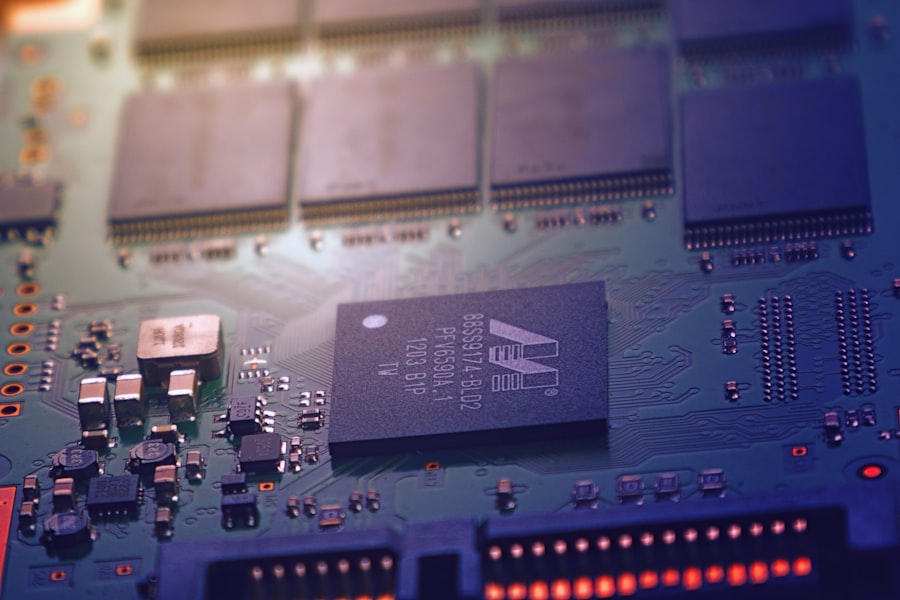
Legally hidden technology is not confined to a single industry; its presence can be observed across a diverse range of sectors, each with its unique reasons for maintaining secrecy.
The Black Box of Software and Algorithms
In the realm of software development, a significant portion of technological advancement remains hidden within proprietary algorithms and codebases. While software products are readily available, their underlying logic, the intricate algorithms that drive their functionality, and the data processing techniques employed are often closely guarded trade secrets. Companies invest enormous resources in developing sophisticated AI models, machine learning algorithms, and data analysis tools, and these are rarely disclosed in their entirety. The “black box” nature of many advanced software systems is a testament to this. Users interact with the interface, but the complex computational engine driving it remains a mystery, a deliberately concealed marvel of engineering. This opacity serves to protect significant investments in R&D and prevents direct replication of the core intellectual property.
Advanced Materials and Proprietary Formulations
The development of novel materials and proprietary chemical formulations also frequently involves keeping technological secrets. Companies that pioneer new alloys, advanced composites, specialized polymers, or groundbreaking drug formulations often rely on trade secrets to protect their innovations. The specific composition, manufacturing processes, and treatment methods can be incredibly difficult to reverse-engineer, offering a potent form of protection. Think of the secret formula for a certain type of high-performance steel or the precise blend of ingredients in a revolutionary adhesive; these are the recipes that define a company’s product and competitive advantage, and they are often protected with the utmost diligence. The public might see the finished product – a lighter airplane wing, a more durable smartphone screen – but the intricate science behind its creation remains a closely guarded secret.
Military and Defense Technologies
It is widely understood that military and defense sectors are significant repositories of hidden technology. National security imperatives necessitate the classification of numerous advancements in areas such as weaponry, radar systems, stealth technology, cyber warfare capabilities, and surveillance. These technologies are deliberately kept secret to maintain a strategic advantage over potential adversaries and to safeguard national interests. The development of these powerful tools is often shrouded in secrecy, with only the most essential personnel having access to the full scope of their capabilities. While the public may be aware of general advancements, the precise engineering, operational parameters, and underlying scientific principles remain classified. This is perhaps the most universally understood category of legally hidden tech, driven by the highest stakes imaginable.
Biotechnology and Pharmaceutical Research
The biotechnology and pharmaceutical industries are characterized by extensive research and development cycles, high regulatory hurdles, and immense investment. Companies in this sector frequently utilize trade secrets and strategic patenting to protect their discoveries. The precise genetic engineering techniques used to develop novel therapies, the specific molecular targets identified for drug development, and the complex manufacturing processes for biological drugs are often kept confidential. While a drug’s efficacy and general mechanism of action may become public knowledge upon approval, the intricate details of its creation and the underlying research that led to its discovery can remain hidden. This allows companies to recover their substantial R&D costs and maintain a competitive edge in a field where breakthroughs can be life-altering.
Challenges and Ethical Considerations

While legally hidden tech is a legitimate business practice, its existence raises pertinent questions regarding transparency, accessibility, and the broader impact on technological progress.
The Double-Edged Sword of Secrecy: Innovation vs. Accessibility
The very essence of legally hidden tech presents a fundamental tension: the protection of private innovation versus the collective benefit of shared knowledge. On one hand, the promise of exclusive commercial advantage incentivizes investment in research and development, driving innovation forward. This incubation period of secrecy allows for robust development and the creation of truly groundbreaking technologies. However, when these inventions remain permanently concealed, or are only selectively unveiled, it can stifle broader scientific progress and limit the potential for others to build upon or adapt them. Imagine a brilliant scientist discovering a cure for a major disease but choosing to keep it a secret for years to gain a monopoly; while they might be financially rewarded, the delay in widespread application has profound ethical consequences. This creates a paradox where the engine of innovation, fueled by secrecy, can also become a barrier to its own wider dissemination.
The “Not Invented Here” Syndrome and Stagnation
When companies hoard their technological advancements, it can, paradoxically, contribute to a phenomenon known as the “Not Invented Here” (NIH) syndrome on a larger scale. If too much crucial technology remains proprietary and inaccessible, other researchers and developers might become discouraged from exploring similar avenues or may be forced to reinvent the wheel. This can lead to a slower pace of overall technological evolution and a lack of cross-pollination of ideas between different entities. The scientific community thrives on the sharing and building upon of existing knowledge. When significant pieces of that knowledge are deliberately kept out of reach, the collective progress of humanity is inevitably impacted. It’s like having a vast library where the most influential books are locked away in private collections.
Accessibility and Equity in Technological Advancement
The concentration of powerful technologies in the hands of a few, due to their hidden nature, also raises concerns about accessibility and equity. If life-changing technologies, such as advanced medical treatments or sustainable energy solutions, are kept secret for commercial reasons, it can exacerbate existing inequalities. Those who can afford access, or whose economic interests align with the rights holder, may benefit, while others are left behind. This raises questions about whether certain innovations, particularly those with broad societal benefits, should be subject to different disclosure requirements or facilitated accessibility mechanisms. The societal impact of a hidden invention can be profound, and the question of who benefits from this concealment is a critical ethical consideration.
Throughout history, numerous inventions have been buried or legally hidden from public knowledge, often due to patents or corporate secrecy. These concealed innovations can sometimes resurface, leading to fascinating discoveries about what could have been. For an intriguing exploration of this topic, you can read more in the article on buried inventions that have shaped our world in unexpected ways. Understanding the reasons behind these hidden gems can provide insight into the complexities of innovation and intellectual property.
The Future of Hidden Technology
| Metric | Description | Typical Range | Legal Considerations |
|---|---|---|---|
| Number of Buried Inventions | Count of inventions intentionally kept secret and not publicly disclosed | Varies widely by industry and company | Must comply with trade secret laws and patent regulations |
| Duration of Secrecy | Length of time an invention remains undisclosed | Indefinite, as long as secrecy is maintained | Trade secrets can last indefinitely; patents require disclosure |
| Legal Protection Type | Method used to protect the invention (e.g., trade secret, patent) | Trade secret, patent, or combination | Trade secrets require confidentiality; patents require disclosure |
| Risk of Infringement | Likelihood that others independently develop or discover the invention | Low to high depending on industry and invention uniqueness | Trade secret protection lost if invention is independently discovered |
| Cost of Maintaining Secrecy | Expenses related to legal, security, and operational measures | Varies; can be significant for complex inventions | Costs must be balanced against potential benefits of secrecy |
As technology continues to advance at an unprecedented pace, the landscape of legally hidden tech is likely to evolve in tandem. New legal strategies, cryptographic advancements, and evolving business models will undoubtedly shape how and why technological innovations are kept out of public view.
The Rise of Decentralized and Encrypted Technologies
The increasing adoption of decentralized technologies, such as blockchain, and the widespread use of advanced encryption methods are poised to influence the future of hidden technology. While the intention of blockchain is often to promote transparency, the underlying algorithms and private keys can represent highly valuable and carefully guarded intellectual property. Furthermore, the ability to encrypt data and intellectual property at an unprecedented level offers new avenues for securing proprietary information without necessarily revealing its core functionality. This can lead to a future where the existence of a technology might be known, but its inner workings remain even more deeply buried and virtually inaccessible, even to those with significant technical expertise. It is a sophisticated digital vault, protecting the most valuable intellectual treasures.
Evolving Legal Interpretations and Global Trade Implications
As technology becomes increasingly globalized, the legal frameworks governing intellectual property and trade secrets will continue to be tested and reinterpreted. International agreements, patent laws in different jurisdictions, and the enforcement of trade secret protections all play a role in determining how and where technologies can be legally hidden. Disputes over intellectual property theft, the challenges of enforcing trade secrets across borders, and the emergence of new legal doctrines are all factors that will shape the future of hidden technology. The global marketplace is a complex web, and the rules governing what can be hidden and how it is protected are constantly being refined.
The Specter of Unforeseen Consequences and Ethical Frameworks
The continuous development of legally hidden technology also necessitates a proactive approach to considering its potential unforeseen consequences. As technologies become more powerful and integrated into society, their concealment can lead to unexpected risks, from security vulnerabilities to societal disruptions. This underscores the growing importance of developing robust ethical frameworks and regulatory oversight mechanisms that can adapt to the evolving nature of concealed innovation. The ongoing dialogue between innovation, legality, and societal well-being will be crucial in navigating the challenges posed by the persistent presence of legally hidden tech in our increasingly technologically driven world. It is a dynamic interplay between ingenuity and accountability, a constant negotiation to ensure that the progress of human endeavor serves the greater good.
FAQs
What does the term “buried inventions” mean?
“Buried inventions” refer to innovations or patents that are intentionally kept hidden or not publicly disclosed, often for strategic, legal, or competitive reasons.
Why would someone legally hide an invention?
Inventors or companies may legally hide inventions to maintain a competitive advantage, protect trade secrets, avoid revealing sensitive information, or delay public disclosure until a more favorable time.
Is it legal to keep an invention hidden instead of patenting it?
Yes, it is legal to keep an invention as a trade secret without filing a patent, provided the information is not publicly disclosed and reasonable measures are taken to maintain its confidentiality.
How long can an invention remain legally hidden?
An invention can remain legally hidden indefinitely as a trade secret, as long as it is not disclosed publicly and efforts are made to keep it confidential. Unlike patents, trade secrets do not have a fixed expiration date.
What are the risks of burying an invention instead of patenting it?
The main risks include the possibility of someone else independently inventing and patenting the same idea, loss of legal protection if the secret is leaked, and challenges in enforcing rights without a patent.