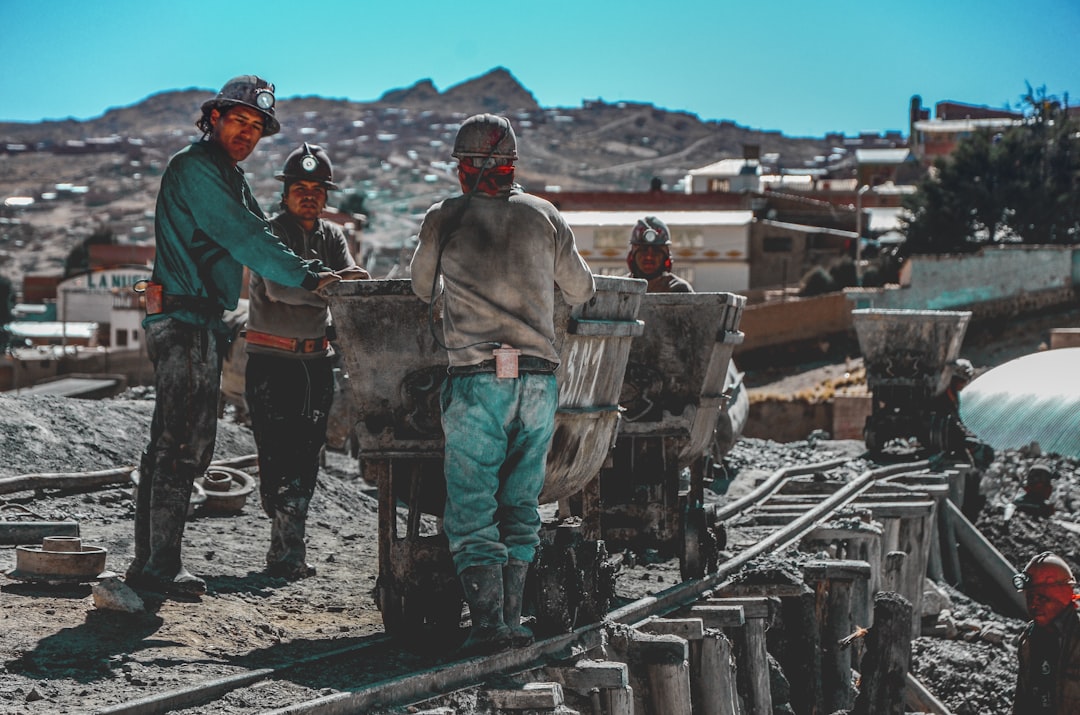
Relocating communities situated near sand mining operations presents a multifaceted challenge, demanding a comprehensive understanding of social, economic, environmental, and ethical considerations. This process, often necessitated by the adverse impacts of mining or the need to expand operations, is a delicate balancing act that attempts to reconcile development goals with human rights and community well-being.
The primary drivers behind the relocation of sand mining communities are varied, ranging from environmental degradation to economic imperatives. Understanding these root causes is crucial for developing effective and equitable relocation strategies. Learn about the environmental impacts of sand mining in this informative video.
Environmental Degradation and Safety Concerns
Sand mining, particularly when unregulated or poorly managed, can lead to severe environmental degradation. This degradation directly threatens the safety and livelihoods of nearby communities.
Erosion and Land Instability
Excessive sand extraction can destabilize riverbanks and coastal areas, leading to increased erosion. For communities living in proximity, this translates into a heightened risk of landslides, sinkholes, and the loss of agricultural land. The very ground beneath their homes can, in essence, begin to dissolve, making their residences precarious.
Water Quality and Supply Disruption
Mining operations often alter hydrological patterns. This can result in the depletion of groundwater resources, contamination of surface water with sediment and pollutants, and a general decline in water quality. Communities reliant on these water sources for drinking, irrigation, and sanitation face significant health risks and livelihood disruptions. Imagine a life-sustaining artery, suddenly choked with debris.
Biodiversity Loss and Ecosystem Damage
The removal of sand fundamentally alters ecosystems. This can destroy habitats for aquatic life, birds, and other animals, leading to a loss of biodiversity. Local communities, often intricately linked to these ecosystems for food, medicine, and cultural practices, experience a direct loss of natural capital.
Increased Risk of Flooding
In some instances, sand mining can deepen riverbeds or alter natural flow paths, paradoxically increasing the risk of flooding in downstream communities. The protective barriers that rivers naturally form can be undermined, leaving communities vulnerable to nature’s wrath.
Economic and Developmental Pressures
Beyond environmental concerns, economic and developmental pressures frequently serve as catalysts for relocation. These often pit local community interests against broader regional or national development agendas.
Expansion of Mining Operations
As demand for construction materials grows, mining companies often seek to expand their operations. If communities are situated directly within these Expansion zones, relocation becomes a seemingly unavoidable consequence for the continuation of resource extraction.
Infrastructure Development
Large-scale infrastructure projects, such as dams, roads, or industrial zones, may be planned in areas currently occupied by sand mining communities. These projects, often deemed essential for national development, necessitate the clearing of land, leading to displacement.
Resource Scarcity and Competition
In some regions, population growth and increasing demand for sand can lead to more intensive mining practices, pushing operations closer to established communities. This intensifies the pressure on available land and resources, making existing settlements appear as obstacles to further extraction.
Sand mining has become a contentious issue, particularly in communities where the extraction process leads to significant displacement and relocation of residents. A related article that delves into the complexities of this situation can be found at this link. It explores the socio-economic impacts of sand mining on local populations and highlights the challenges faced by those forced to relocate due to the industry’s expansion.
The Complexities of Relocation
The process of relocating communities is rarely straightforward. It is a labyrinth of social, economic, and psychological challenges that demands meticulous planning and empathetic execution.
Social and Cultural Disruption
Relocation often tears at the fabric of community life, severing established social networks and disrupting deeply ingrained cultural practices.
Loss of Livelihoods and Economic Stability
Many sand mining communities have developed a reliance on the existing landscape for their livelihoods, be it through fishing, farming, or informal economic activities tied to the local environment. Relocation often means a complete disruption of these established modes of income generation, pushing families into economic precarity. Finding new economic pathways for displaced families is akin to asking a seasoned sailor to navigate entirely new waters without a map.
Erosion of Social Structures and Networks
Communities are more than just a collection of individuals; they are intricate webs of relationships, support systems, and shared histories. Relocation shatters these networks, leading to social isolation, a sense of loss, and a weakening of community cohesion. The familiar faces and helping hands are suddenly gone, leaving behind an emotional void.
Psychological Trauma and Stress
The experience of forced displacement can induce significant psychological trauma. Loss of home, community, and livelihood contributes to feelings of anxiety, depression, and disorientation. The emotional cost is often overlooked but profoundly impacting.
Disruption of Cultural and Spiritual Ties
Many communities hold deep cultural and spiritual connections to their land, ancestral sites, and natural environment. Relocation can sever these ties, leading to a profound sense of loss of identity and cultural heritage. It’s like uprooting an ancient tree, rich with generations of stories, and expecting it to thrive in barren soil.
Economic and Financial Burdens
The financial implications of relocation are substantial, impacting both the affected communities and the entities responsible for the displacement.
Compensation and Resettlement Costs
Determining fair and adequate compensation for lost land, property, and livelihoods is a contentious issue. The costs associated with acquiring new land, constructing new homes, and providing infrastructure in resettlement sites can be enormous, often exceeding initial estimates.
Loss of Intangible Assets
Beyond tangible assets, communities lose access to common resources like fishing grounds, pastures, or foraging areas. Quantifying the economic value of these intangible assets and providing appropriate compensation is notoriously difficult.
Economic Disparity and Equity Concerns
Relocation programs, if not carefully managed, can exacerbate existing economic disparities or create new ones. Ensuring that all affected individuals and families receive equitable treatment and opportunities for economic recovery is a significant challenge.
Legal and Governance Challenges
The legal and governance frameworks surrounding relocation are frequently complex and can be a source of conflict and injustice.
Land Tenure and Property Rights
In many sand mining areas, informal land tenure systems or customary rights prevail. Documenting and legally recognizing these rights for compensation purposes can be a major hurdle, leaving many vulnerable to exploitation.
Participatory Planning and Consent
Ensuring genuine participation of affected communities in the relocation planning process and obtaining their free, prior, and informed consent is an ethical imperative and a legal requirement in many jurisdictions. However, power imbalances can often undermine true participation.
Monitoring and Enforcement of Agreements
Even when relocation agreements are established, ensuring their effective monitoring and enforcement is a persistent challenge. Without robust oversight, promises can go unfulfilled, and communities can be left in precarious situations.
Strategies for Equitable Relocation
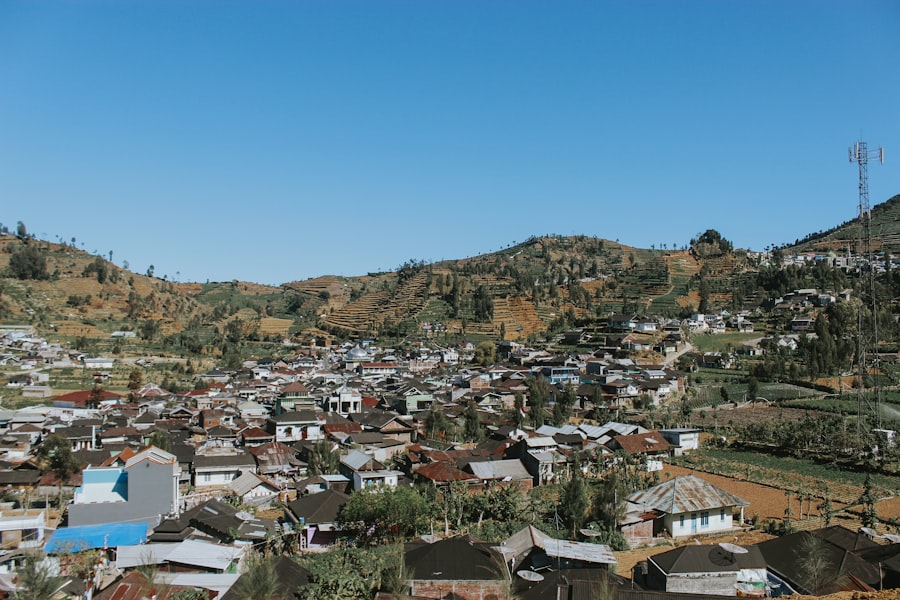
Addressing the challenges of relocating sand mining communities requires a multi-pronged approach rooted in principles of human rights, social justice, and sustainable development.
Comprehensive Impact Assessments
Before any relocation is contemplated, thorough and independent social, economic, and environmental impact assessments are essential. These assessments should extend beyond the immediate mining area to understand the broader implications of displacement.
Baseline Data Collection
Accurate baseline data on the affected community’s demographics, livelihoods, land tenure, social structures, and cultural practices is critical for informed decision-making and for measuring the success of relocation efforts.
Risk Mitigation and Alternatives
The assessments should explore all possible alternatives to relocation, including modifying mining plans or technological solutions. If relocation is deemed unavoidable, the assessments should identify and propose strategies to mitigate negative impacts.
Participatory Planning and Community Engagement
Meaningful engagement with affected communities is paramount throughout the entire relocation process. This is not merely a formality but a fundamental right and a crucial element for success.
Free, Prior, and Informed Consent (FPIC)
The principle of FPIC must be upheld, meaning communities have the right to give or withhold consent for relocation after being fully informed of all potential impacts and alternatives. This is the cornerstone of ethical relocation.
Community-Led Solutions
Empowering communities to actively participate in designing their new settlements, selecting new livelihood opportunities, and shaping their future can significantly enhance the success and sustainability of relocation. Communities are not passive recipients but agents of their own destiny.
Transparent Communication
Clear, consistent, and culturally appropriate communication channels must be established to keep communities informed about all aspects of the relocation process, including timelines, compensation, and support services.
Fair Compensation and Livelihood Restoration
Adequate compensation and robust livelihood restoration programs are non-negotiable components of equitable relocation. It’s not just about replacing what’s lost, but about building resilient futures.
Valuing Tangible and Intangible Assets
Compensation must cover not only the market value of tangible assets like land and homes but also account for the loss of common property resources, access to services, and the disruption of social networks.
Skills Training and Economic Diversification
Relocation programs should include comprehensive skills training, access to credit, and support for establishing new businesses or diversified livelihood strategies in the resettlement areas. This empowers individuals to rebuild their economic lives.
Social Protection Measures
For vulnerable groups within the relocated communities, social protection measures such as temporary income support or food assistance may be necessary to bridge the transition period and prevent undue hardship.
Sustainable Resettlement Sites
The new resettlement sites must be carefully planned and developed to ensure long-term sustainability and provide a better quality of life for the relocated communities.
Adequate Infrastructure and Services
New settlements should be provisioned with essential infrastructure, including access to clean water, sanitation, electricity, roads, schools, and healthcare facilities. These are not luxuries but fundamental human rights.
Environmental Sustainability
The environmental impact of new settlements must be carefully considered, ensuring sustainable land use, waste management, and protection of natural resources in the new location.
Integration into Regional Development Plans
Resettlement sites should be integrated into broader regional development plans to ensure access to markets, employment opportunities, and social amenities, preventing them from becoming isolated enclaves.
Conclusion
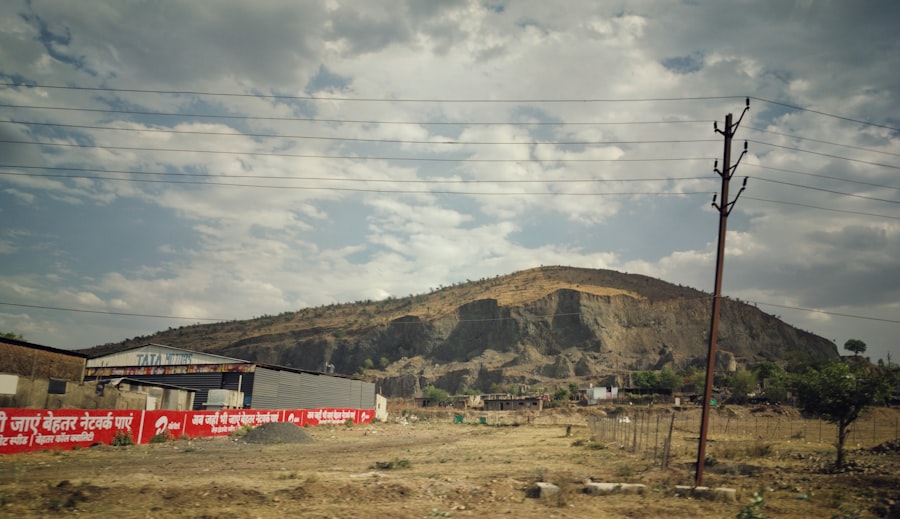
The relocation of sand mining communities is a profound societal undertaking. When approached with careful planning, genuine community engagement, and a steadfast commitment to human rights, it can, paradoxically, offer an opportunity for communities to build more resilient and sustainable futures. However, without these fundamental tenets, relocation can inflict deep and lasting harm, leaving behind a legacy of injustice and hardship. It is a test of our collective ability to balance resource extraction with human dignity, and one that requires us to see communities not as obstacles, but as integral partners in the journey towards sustainable development.
WATCH THIS! 🏗️ SAND MINING MAFIA: The $70 Billion Crime Wave Destroying Rivers & Killing Journalists
FAQs
What is sand mining?
Sand mining is the process of extracting sand from beaches, riverbeds, or other natural sources for use in construction, manufacturing, and other industries.
Why does sand mining lead to community displacement?
Sand mining can lead to community displacement because it often requires large areas of land, which may be inhabited by local communities. The environmental degradation and changes to the landscape caused by mining can also make the area uninhabitable.
What are the common impacts of sand mining on local communities?
Common impacts include loss of homes and livelihoods, environmental degradation, reduced access to clean water, increased flooding, and social conflicts.
How are communities typically relocated due to sand mining?
Communities are usually relocated through government or company-led resettlement programs, which may involve compensation, provision of new housing, and support for rebuilding livelihoods.
Are there legal protections for communities affected by sand mining?
Many countries have laws and regulations aimed at protecting communities from forced displacement and ensuring fair compensation, but enforcement and effectiveness vary widely.
What measures can reduce the negative effects of sand mining on communities?
Measures include sustainable mining practices, community consultation and participation, environmental impact assessments, fair compensation, and development of alternative livelihoods.
Is sand mining displacement a global issue?
Yes, sand mining displacement affects communities worldwide, particularly in regions with high demand for construction materials and weak regulatory frameworks.
What alternatives exist to reduce the need for sand mining?
Alternatives include using recycled construction materials, manufactured sand, and promoting sustainable construction practices to reduce reliance on natural sand.