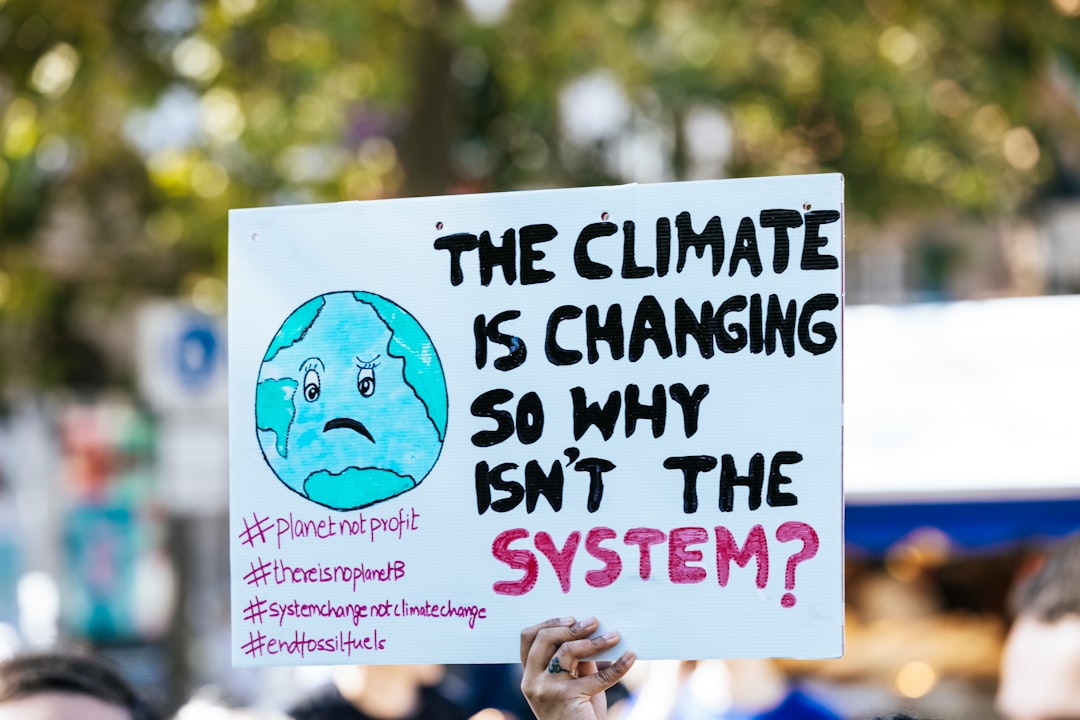
The Climate Change Chronicles serves as a poignant exploration of one of the most pressing issues facing humanity today: climate change. This documentary delves into the multifaceted nature of climate change, examining its causes, effects, and the urgent need for action. Through a combination of scientific data, personal stories, and expert interviews, the film paints a vivid picture of a world grappling with the consequences of environmental neglect.
It aims not only to inform but also to inspire viewers to take an active role in combating this global crisis. As the narrative unfolds, The Climate Change Chronicles emphasizes the interconnectedness of human activity and the natural world. It highlights how individual choices and collective actions can either exacerbate or mitigate the effects of climate change.
By weaving together personal anecdotes with hard-hitting statistics, the documentary seeks to engage audiences on an emotional level, urging them to reflect on their own impact on the planet. In doing so, it sets the stage for a deeper understanding of the complexities surrounding climate change and the urgent need for a unified response.
Key Takeaways
- The Climate Change Chronicles provides a comprehensive exploration of the impact of human activity on Earth’s climate.
- Natural factors also play a significant role in climate change, as highlighted in the documentary.
- The historical context of climate change is examined to provide a deeper understanding of the current environmental challenges.
- The consequences of climate change on ecosystems are thoroughly analyzed, emphasizing the urgent need for action.
- The documentary delves into extreme weather events, rising sea levels, and the effects of climate change on wildlife to illustrate the severity of the situation.
The Impact of Human Activity on Earth’s Climate
Human activity has been identified as a primary driver of climate change, with industrialization, deforestation, and fossil fuel consumption playing significant roles. The documentary illustrates how the burning of coal, oil, and natural gas releases vast amounts of carbon dioxide into the atmosphere, leading to a greenhouse effect that traps heat and alters weather patterns. This process has accelerated over the past century, resulting in unprecedented changes to the Earth’s climate system.
The film presents compelling evidence that links human actions directly to rising global temperatures, showcasing how urbanization and agricultural practices contribute to this alarming trend. Moreover, The Climate Change Chronicles emphasizes the socio-economic implications of these environmental changes. Vulnerable communities often bear the brunt of climate-related disasters, facing food insecurity, displacement, and health risks.
The documentary highlights personal stories from individuals who have experienced firsthand the devastating effects of climate change, such as farmers struggling with droughts or families displaced by floods. By putting a human face on these statistics, the film underscores the urgent need for systemic change and collective responsibility in addressing climate issues.
The Role of Natural Factors in Climate Change
While human activity is a significant contributor to climate change, natural factors also play a crucial role in shaping the Earth’s climate. The documentary explores phenomena such as volcanic eruptions, solar radiation variations, and ocean currents that can influence global temperatures and weather patterns. For instance, volcanic eruptions can release large quantities of ash and gases into the atmosphere, temporarily cooling the planet by blocking sunlight.
Similarly, changes in solar output can lead to fluctuations in climate over extended periods. However, The Climate Change Chronicles makes it clear that while natural factors can contribute to climate variability, they cannot account for the rapid changes observed in recent decades.
This nuanced understanding reinforces the urgency of addressing anthropogenic climate change while acknowledging the complexity of Earth’s climate system.
The Historical Context of Climate Change
| Time Period | Key Events |
|---|---|
| Pre-Industrial Era | Little human impact on climate, natural climate variability |
| Industrial Revolution | Rapid increase in greenhouse gas emissions, significant human impact on climate |
| 20th Century | Acceleration of global warming, scientific recognition of human-caused climate change |
| 21st Century | Continued rise in global temperatures, increased frequency of extreme weather events |
To fully grasp the current climate crisis, it is essential to understand its historical context. The documentary traces the evolution of climate science from early observations of weather patterns to modern-day climate modeling. It highlights key milestones in scientific research that have shaped our understanding of climate change, including the discovery of greenhouse gases and their role in warming the planet.
Furthermore, the film delves into past civilizations that faced environmental challenges due to climate shifts. It examines how societies such as the Maya and the Ancestral Puebloans experienced collapse in part due to prolonged droughts and resource depletion.
These historical examples serve as cautionary tales, illustrating that failure to adapt to changing environmental conditions can have dire consequences. By drawing parallels between past and present, the documentary emphasizes the importance of learning from history as humanity navigates its current climate crisis.
The Consequences of Climate Change on Ecosystems
The consequences of climate change extend far beyond human communities; they profoundly impact ecosystems around the globe. The documentary showcases various habitats—from coral reefs to temperate forests—demonstrating how rising temperatures and shifting weather patterns disrupt delicate ecological balances. For instance, coral bleaching events caused by warmer ocean temperatures threaten marine biodiversity and fisheries that millions rely on for sustenance.
In addition to direct impacts on species and habitats, The Climate Change Chronicles highlights how altered ecosystems can lead to cascading effects throughout food webs. Changes in plant phenology can affect pollinators, while shifts in predator-prey dynamics can disrupt entire ecosystems. By illustrating these interconnected relationships, the documentary underscores the urgency of protecting biodiversity as a means of fostering resilience against climate change.
The Documentary’s Exploration of Extreme Weather Events
Extreme weather events have become increasingly common as a result of climate change, and The Climate Change Chronicles does not shy away from showcasing their devastating impacts. From hurricanes and wildfires to heatwaves and floods, the film presents harrowing accounts from individuals who have experienced these disasters firsthand. It emphasizes how such events are not merely isolated incidents but rather part of a broader pattern linked to a warming planet.
The documentary also examines the economic toll of extreme weather events on communities and infrastructure. It highlights how recovery efforts can strain local resources and exacerbate existing inequalities. By weaving together personal narratives with statistical data on disaster frequency and intensity, The Climate Change Chronicles paints a stark picture of a world increasingly vulnerable to climatic extremes.
This exploration serves as a powerful reminder that addressing climate change is not just an environmental issue; it is also a matter of social justice and equity.
The Documentary’s Examination of Rising Sea Levels
Rising sea levels represent one of the most tangible consequences of climate change, and The Climate Change Chronicles dedicates significant attention to this pressing issue. As polar ice melts and ocean waters expand due to warming temperatures, coastal communities face an existential threat. The film features interviews with residents from low-lying areas who share their fears about losing their homes and livelihoods to encroaching waters.
The documentary also explores potential solutions for mitigating the impacts of rising sea levels, such as managed retreat and innovative engineering projects designed to protect vulnerable coastlines. By presenting both the challenges and potential responses to this crisis, The Climate Change Chronicles encourages viewers to consider proactive measures that can be taken at local and global levels. This examination serves as a call to action for policymakers and citizens alike to prioritize coastal resilience in their climate strategies.
The Documentary’s Analysis of the Effects of Climate Change on Wildlife
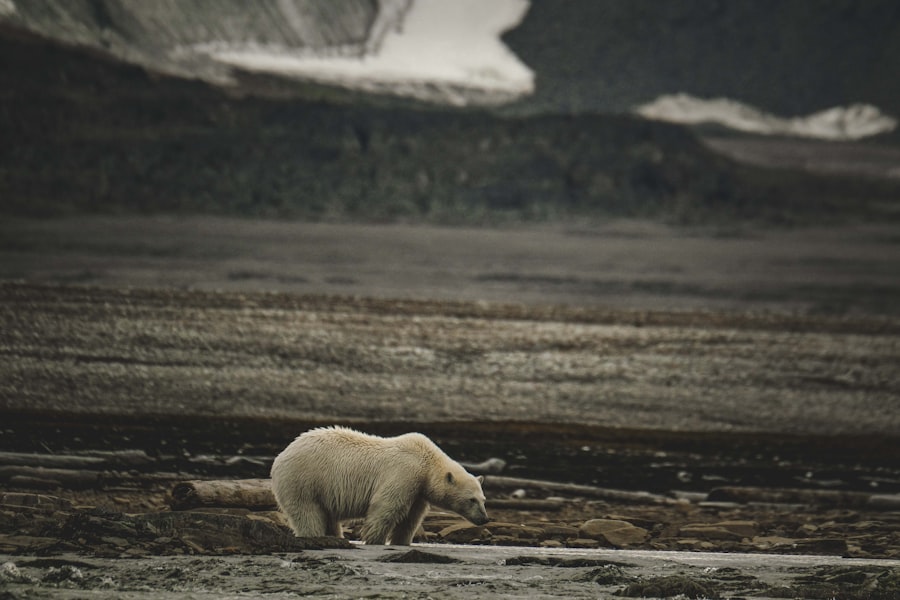
Wildlife is not immune to the effects of climate change; in fact, many species are facing unprecedented challenges as their habitats shift or disappear altogether. The Climate Change Chronicles highlights various case studies that illustrate how changing climates impact animal behavior, migration patterns, and reproductive cycles. For example, polar bears are struggling to find adequate hunting grounds as sea ice diminishes, while migratory birds are arriving at their destinations out of sync with food availability due to altered seasonal cues.
The film also addresses the concept of extinction risk associated with climate change. As habitats become inhospitable or fragmented due to rising temperatures and human encroachment, many species face an uncertain future. By showcasing both iconic animals and lesser-known species at risk, The Climate Change Chronicles underscores the importance of biodiversity conservation as part of broader climate action efforts.
The Importance of Addressing Climate Change for Future Generations
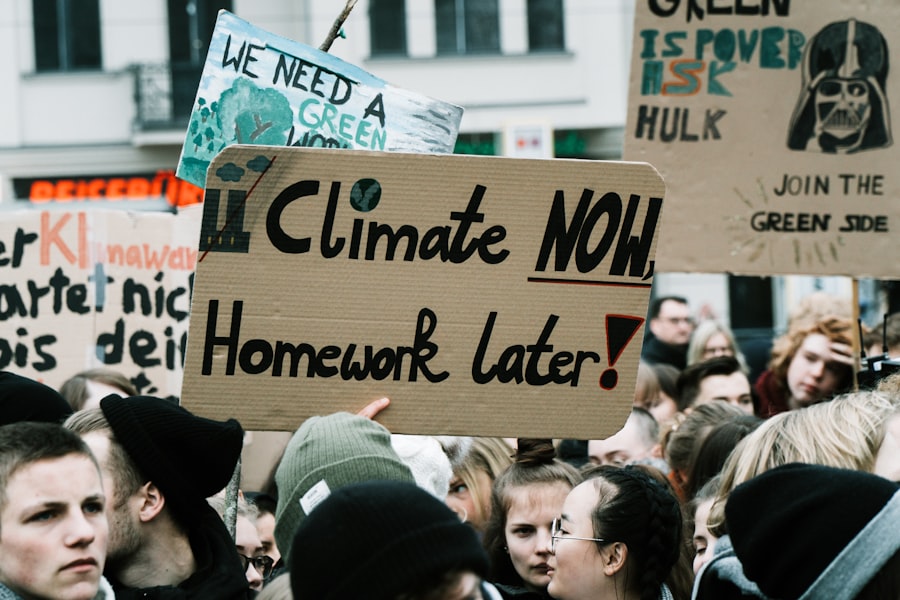
The urgency of addressing climate change extends beyond immediate concerns; it is fundamentally about safeguarding the future for generations yet unborn. The documentary emphasizes that today’s decisions will shape the world that future generations inherit. By highlighting stories from young activists advocating for climate justice, The Climate Change Chronicles illustrates how youth are mobilizing to demand action from leaders who hold power over environmental policies.
Moreover, the film underscores that addressing climate change is not merely an environmental imperative but also a moral obligation. It calls upon viewers to consider their role in creating a sustainable future—one where clean air, water, and thriving ecosystems are preserved for those who come after us. This forward-looking perspective serves as a rallying cry for collective action across all sectors of society.
The Call to Action in The Climate Change Chronicles
The Climate Change Chronicles culminates in a powerful call to action, urging viewers to engage with climate issues on both personal and systemic levels. It emphasizes that individual choices—such as reducing waste, conserving energy, and supporting sustainable practices—can collectively lead to significant change when adopted widely. Additionally, the documentary advocates for political engagement, encouraging citizens to hold their leaders accountable for implementing effective climate policies.
The film also highlights successful grassroots movements that have emerged around the world in response to climate challenges. By showcasing examples of communities coming together to advocate for renewable energy initiatives or conservation efforts, The Climate Change Chronicles inspires hope that collective action can lead to meaningful progress. This call to action serves as a reminder that everyone has a role to play in addressing climate change—whether through advocacy, education, or lifestyle changes.
The Hope for a Sustainable Future
In conclusion, The Climate Change Chronicles offers both a sobering assessment of the current state of our planet and a hopeful vision for what is possible when individuals come together for a common cause. While the challenges posed by climate change are daunting, the documentary emphasizes that solutions exist—ranging from technological innovations to community-driven initiatives aimed at fostering sustainability. Ultimately, hope lies in humanity’s capacity for resilience and adaptation.
By learning from past mistakes and embracing new ways of thinking about our relationship with nature, society can pave the way toward a sustainable future where both people and ecosystems thrive. As viewers reflect on the insights presented throughout The Climate Change Chronicles, they are left with an empowering message: it is not too late to act; every effort counts in building a better world for generations to come.
In exploring the intricate history of climate change, a compelling documentary sheds light on the pivotal moments and figures that have shaped our understanding of this global issue. For those interested in delving deeper into the historical context and narratives surrounding climate change, a related article can be found on Real Lore and Order. This article provides additional insights and complements the documentary by offering a broader perspective on the environmental challenges and milestones throughout history. To read more, visit the article by clicking here.
WATCH THIS! 😕They Buried the Truth: How Ancient Elites Hid a Climate Collapse.
FAQs
What is a documentary on climate change history?
A documentary on climate change history is a film or video production that explores the historical events, scientific research, and societal impacts related to climate change. It typically includes interviews with experts, archival footage, and data visualization to provide a comprehensive overview of the topic.
What are the key elements of a documentary on climate change history?
Key elements of a documentary on climate change history may include the examination of historical climate data, the evolution of scientific understanding of climate change, the impact of human activities on the environment, and the response of governments and organizations to address climate change.
Why are documentaries on climate change history important?
Documentaries on climate change history are important because they help to educate and raise awareness about the causes and effects of climate change. They provide a platform for experts to share their knowledge and insights, and they can inspire action and advocacy for environmental conservation and sustainability.
What are some examples of documentaries on climate change history?
Examples of documentaries on climate change history include “An Inconvenient Truth” featuring former Vice President Al Gore, “Before the Flood” featuring Leonardo DiCaprio, “Chasing Ice” documenting the effects of melting glaciers, and “The 11th Hour” featuring a variety of experts discussing environmental issues.
Where can I watch documentaries on climate change history?
Documentaries on climate change history can be found on streaming platforms such as Netflix, Amazon Prime, and Hulu, as well as on dedicated documentary websites and through educational institutions and environmental organizations. They may also be available for purchase or rental on DVD or Blu-ray.