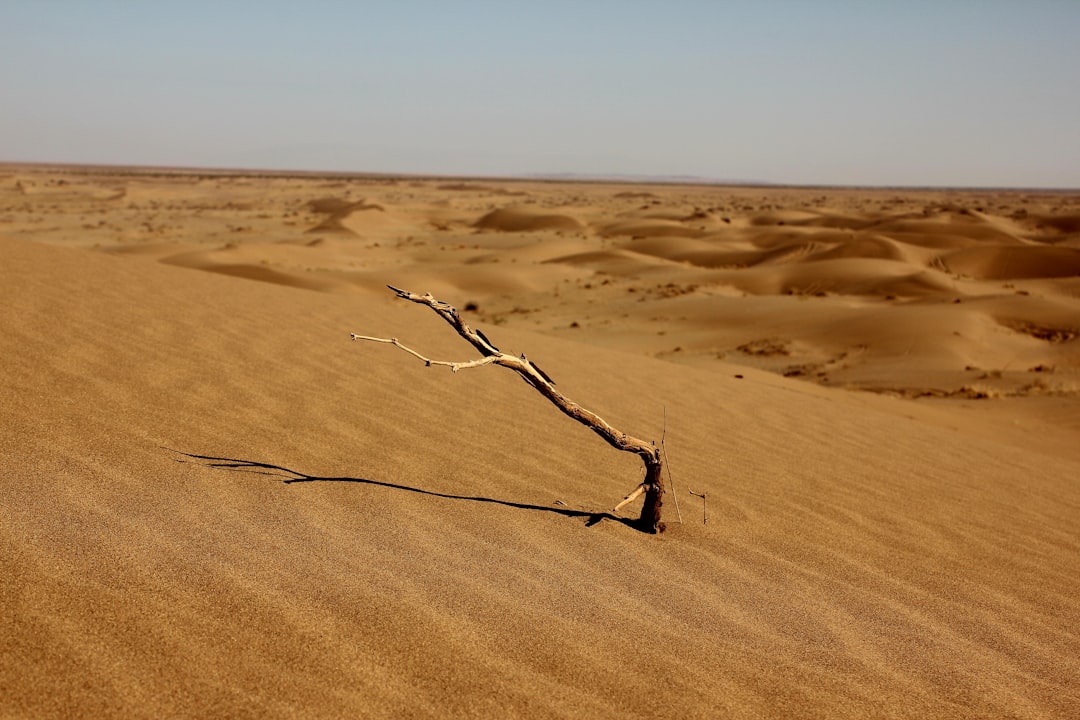
The climate crisis represents a multifaceted global challenge, the implications of which extend far beyond environmental degradation, encompassing potential threats to the very foundations of human civilization. This article explores the nexus between escalating climate change and the prospect of civilizational collapse, examining various pathways through which such a collapse could manifest. By adopting a factual and analytical approach, drawing parallels to historical precedent, and dissecting the interconnectedness of global systems, this analysis aims to illuminate the severity of the situation without recourse to hyperbole.
The scientific community overwhelmingly concurs that the Earth’s climate is undergoing rapid and unprecedented warming, primarily driven by anthropogenic emissions of greenhouse gases. The Intergovernmental Panel on Climate Change (IPCC), the leading international body for assessing climate change, has consistently reported a clear upward trend in global average temperatures, with the most recent reports indicating a direct causal link to human activities. This warming trend is not merely an abstract statistical anomaly; its impacts are already being observed across various Earth systems.
Rising Global Temperatures and Extreme Weather Events
One of the most evident manifestations of climate change is the consistent rise in global average surface temperatures. This warming amplifies the frequency and intensity of extreme weather events. Heatwaves, once considered rare occurrences, are becoming more common and prolonged, leading to increased mortality rates, agricultural losses, and wildfire risks. For instance, the 2003 European heatwave is estimated to have caused tens of thousands of deaths, and similar events have become more frequent since, illustrating a clear pattern of escalation.
Furthermore, changes in atmospheric energy content are contributing to more powerful storms, including hurricanes and typhoons, which are exhibiting increased rainfall intensity and stronger wind speeds. Imagine the atmosphere as a balloon being overinflated; the inherent pressure increases, making it more susceptible to bursting with greater force. Similarly, warmer oceans provide more energy for these cyclonic systems, increasing their destructive potential. Droughts, on the other hand, are becoming more widespread and enduring in many regions, threatening water security and agricultural productivity. The prolonged drought experienced in the Horn of Africa over recent years, leading to widespread food insecurity, serves as a stark reminder of these profound impacts. Conversely, some regions are experiencing an increase in heavy precipitation events, leading to more frequent and severe flooding, as seen in recent events across parts of Asia and Europe.
Sea Level Rise and Ocean Acidification
The warming climate is also driving significant changes in the world’s oceans. Thermal expansion of seawater, coupled with the melting of glaciers and ice sheets, is leading to a steady rise in global sea levels. This phenomenon poses a direct threat to coastal communities worldwide, increasing the risk of inundation, erosion, and saltwater intrusion into freshwater sources. Consider the Maldives, a low-lying island nation, which faces an existential threat from rising sea levels, akin to a sandcastle slowly being swallowed by the incoming tide.
Concurrently, the oceans are absorbing a substantial portion of the excess carbon dioxide from the atmosphere, leading to a process known as ocean acidification. This chemical change reduces the pH of seawater, making it more acidic. Ocean acidification has profound implications for marine ecosystems, particularly for organisms that rely on calcium carbonate to build their shells and skeletons, such as corals and shellfish. The Great Barrier Reef, a UNESCO World Heritage site, has already experienced extensive bleaching events, serving as a powerful visual metaphor for the silent, corrosive threat posed by ocean acidification.
Recent discussions surrounding climate-driven civilizational collapse patterns have gained traction, particularly in light of various studies that explore the historical precedents of societal decline due to environmental factors. For a deeper understanding of these dynamics, you can refer to an insightful article that examines the interplay between climate change and societal resilience. This article provides a comprehensive analysis of how past civilizations have responded to environmental stressors and the lessons we can learn for the future. To read more, visit this article.
Pathways to Civilizational Collapse
The concept of civilizational collapse, while often associated with catastrophic Hollywood scenarios, can be understood as a protracted decline in the complexity, stability, and carrying capacity of a society, leading to a significant loss of population, political fragmentation, and technological regression. Climate change can act as a potent catalyst for such a decline, operating through several interconnected pathways.
Agricultural Collapse and Food Insecurity
Human civilization is fundamentally reliant on a stable and productive agricultural system. Climate change directly threatens this foundation through various mechanisms. Altered precipitation patterns, increased frequency of extreme weather events, and changes in growing seasons can significantly reduce crop yields and livestock productivity. For example, prolonged droughts can decimate harvests, while increased flooding can destroy agricultural infrastructure and fertile topsoil.
Simultaneously, the geographic range of agricultural pests and diseases is expanding due to warmer temperatures, further jeopardizing food production. Imagine attempting to grow crops in a garden where the weather is increasingly unpredictable and destructive, and new pests appear annually. The cumulative effect of these pressures could lead to widespread food shortages, price spikes, and escalating food insecurity, particularly in already vulnerable regions. Historically, famines have been significant drivers of social unrest and political instability, and a globally orchestrated food crisis could trigger cascading failures across interconnected societies.
Resource Scarcity and Conflict Amplification
Climate change is also exacerbating existing resource scarcities and creating new ones, which can act as powerful amplifiers of conflict. Water, a fundamental requirement for all life, is becoming increasingly scarce in many regions due to altered hydrological cycles and melting glaciers. Competition over dwindling freshwater resources can ignite local, regional, and even international disputes. Consider the Nile River Basin, where multiple nations rely on its waters; climate-induced reductions in flow could escalate existing tensions.
Furthermore, the displacement of populations due to climate impacts, such as sea-level rise or desertification, can lead to increased competition for land and resources in recipient areas. These “climate refugees” could number in the hundreds of millions, creating unprecedented humanitarian challenges and contributing to social fragmentation and instability. When communities are forced to abandon their homes and livelihoods, the social fabric unravels, and the likelihood of conflict increases dramatically.
Economic Disruption and Systemic Shocks
The economic ramifications of climate change are vast and far-reaching, with the potential to trigger systemic shocks that undermine global financial stability. The costs associated with repairing infrastructure damaged by extreme weather events, adapting to new environmental conditions, and mitigating greenhouse gas emissions are enormous. Insurance markets are already struggling to cope with the escalating financial burden of climate-related disasters, leading to rising premiums and, in some cases, the withdrawal of coverage from high-risk areas.
Moreover, the disruption of supply chains due to climate impacts can have ripple effects across global industries. A severe drought in a major agricultural region, for instance, can impact food prices worldwide and affect industries that rely on agricultural products as inputs. The collapse of key industries or entire economic sectors due to climate constraints or adaptation failures could lead to mass unemployment, widespread poverty, and a significant reduction in societal capacity to respond to further crises.
Social Instability and Political Fragmentation
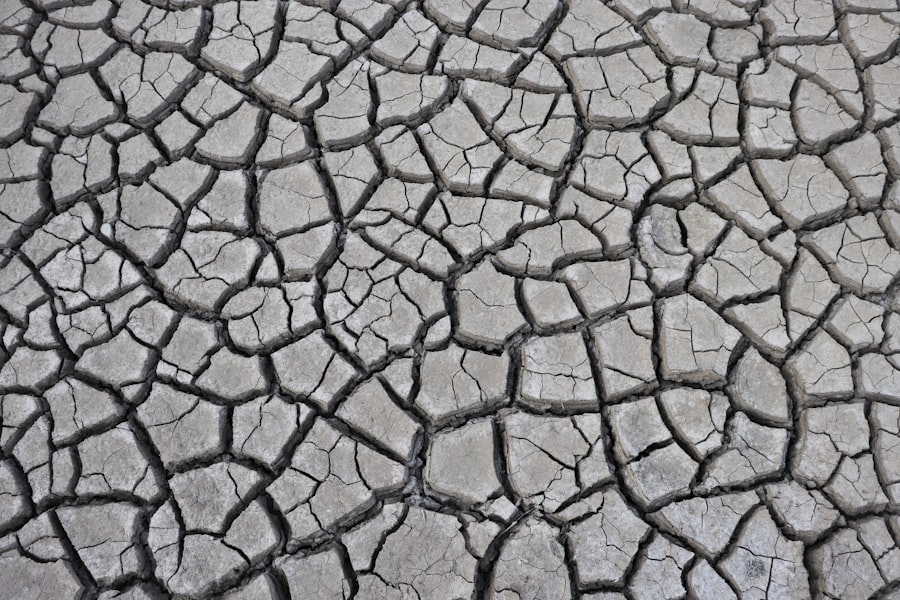
The compounding pressures of agricultural collapse, resource scarcity, and economic disruption have the potential to severely erode social cohesion and foster political instability. When basic needs are not met, and communities perceive a failure of governance, discontent metastasizes.
Mass Migration and Urban Overload
As significant portions of the planet become uninhabitable or economically unviable due to climate change, mass internal and international migration will accelerate. This movement of populations places immense strain on existing urban infrastructure and social services in receiving areas. Cities, already facing challenges related to urbanization, may become overwhelmed, struggling to provide housing, sanitation, healthcare, and employment for burgeoning populations.
The influx of migrants, particularly across diverse cultural and socio-economic lines, can also fuel xenophobia and social tensions. Imagine a single lifeboat attempting to accommodate an ever-increasing number of survivors from a sinking ship; the resources become strained, and the potential for conflict over those limited resources increases. This can lead to the breakdown of social order, increased crime rates, and the rise of extremist political movements that exploit existing anxieties.
Erosion of Trust and Governance Capacity
Effective governance relies on the trust of its citizens and the capacity of its institutions to address societal challenges. The perceived failure of governments to adequately address the climate crisis, or to mitigate its impacts on their populations, can lead to a profound erosion of trust in political systems. When citizens feel abandoned or neglected by their leaders, the legitimacy of the state itself is undermined.
Furthermore, the sheer scale and complexity of the climate crisis can overwhelm even well-established governance structures. Decision-making processes can slow, resources can be misallocated, and long-term planning can be sacrificed for short-term crisis management. This diminishing governance capacity makes societies more vulnerable to further shocks and less capable of coordinating the collective action necessary to avert collapse. Political fragmentation, where states weaken or disintegrate, and non-state actors gain power in areas abandoned by functional governments, represents a significant risk.
The Interconnectedness of Global Systems
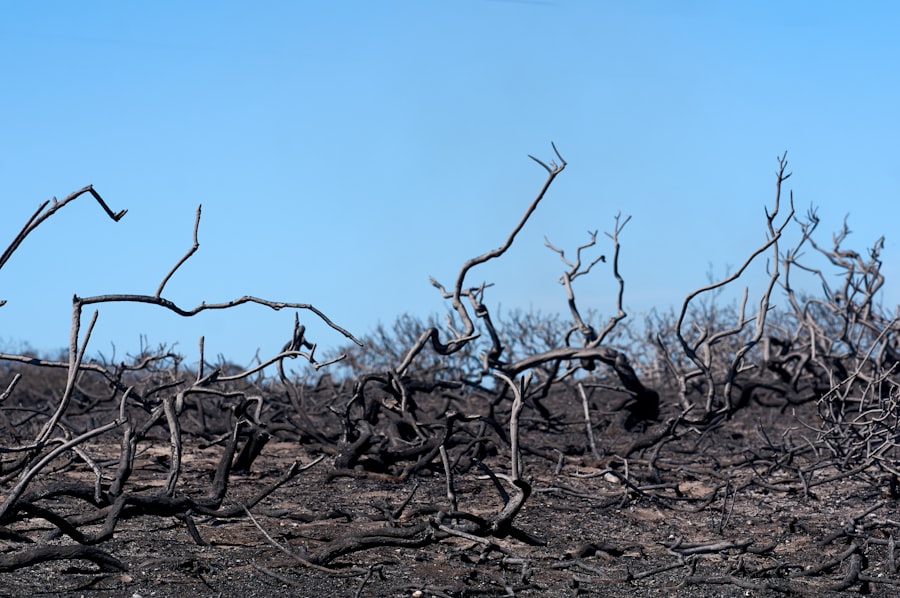
One of the critical lessons to draw from the climate crisis is the profound interconnectedness of global systems. No nation exists in isolation; our societies are interwoven through intricate networks of trade, finance, communication, and environmental dependencies. A disruption in one part of this global tapestry can propagate rapidly, leading to cascading failures elsewhere.
Supply Chain Vulnerabilities and Systemic Risk
The globalized economy, while offering efficiencies, has also created significant vulnerabilities. Long and complex supply chains, often optimized for cost rather than resilience, are highly susceptible to climate-induced disruptions. A flood in one region can halt the production of a critical component, impacting industries halfway across the globe. A severe drought affecting a key agricultural exporter can send shockwaves through global food markets.
Consider the metaphor of a spiderweb: if one strand breaks, the integrity of the entire web is weakened, and continuous breaks can lead to its complete collapse. The more interconnected and specialized our global systems become, the more susceptible they are to systemic risk, where the failure of one component can trigger a cascade of failures across the entire system. This interconnectedness means that even nations relatively insulated from the direct impacts of climate change could still suffer catastrophic consequences due to disruptions elsewhere.
Feedback Loops and Tipping Points
The Earth’s climate system itself is characterized by complex feedback loops, some of which can amplify warming and accelerate the pace of climate change. For example, the melting of Arctic sea ice reduces the Earth’s albedo (reflectivity), leading to more solar radiation being absorbed by the darker ocean, which in turn leads to further melting—a positive feedback loop. Similarly, the thawing of permafrost releases vast quantities of methane, a potent greenhouse gas, further intensifying warming.
These feedback loops raise concerns about “tipping points,” thresholds beyond which certain irreversible changes in the climate system become inevitable, even if greenhouse gas emissions are subsequently reduced. For instance, the collapse of major ice sheets or the dieback of the Amazon rainforest could trigger profound and irreversible shifts in global climate patterns. Crossing such tipping points could accelerate the pathways to civilizational collapse beyond our capacity to adapt or mitigate.
Recent studies have highlighted the alarming patterns of climate-driven civilizational collapse, emphasizing how environmental stressors can lead to societal breakdowns. For a deeper understanding of these dynamics, you can explore a related article that discusses historical examples and contemporary implications. This insightful piece examines the intricate relationship between climate change and societal resilience, shedding light on the lessons we can learn from the past. To read more about this critical issue, visit this article.
Adaptation, Mitigation, and Response
| Collapse Pattern | Climate Driver | Time Period | Region | Key Metrics | Impact on Civilization |
|---|---|---|---|---|---|
| Late Bronze Age Collapse | Severe drought and cooling | circa 1200 BCE | Eastern Mediterranean | Temperature drop ~1-2°C, multi-year droughts, crop failures | City abandonment, trade disruption, loss of writing systems |
| Classic Maya Collapse | Prolonged drought | circa 800-900 CE | Yucatán Peninsula | Decadal droughts lasting 20-40 years, reduced rainfall by 30% | Population decline, political fragmentation, urban abandonment |
| Medieval Warm Period to Little Ice Age Transition | Rapid cooling and climate variability | 1300-1850 CE | Europe and North America | Temperature drop ~1°C, increased storm frequency, crop failures | Famine, social unrest, economic decline |
| Ancient Mesopotamian Collapse | Severe drought and salinization | circa 2200 BCE | Mesopotamia | Reduced river flow, drought lasting decades, soil degradation | City abandonment, loss of centralized control |
| Indus Valley Decline | Monsoon weakening and drought | circa 1900 BCE | South Asia | Monsoon rainfall decrease by 20-30%, river drying | Urban decline, migration, loss of trade networks |
While the prospect of civilizational collapse is a severe one, it is crucial to emphasize that it is not an inevitable outcome. Human agency and collective action still hold the potential to alter the current trajectory. A multifaceted approach encompassing both aggressive mitigation and strategic adaptation is imperative.
Decarbonization and Sustainable Practices
The most fundamental response to the climate crisis is the rapid and comprehensive decarbonization of the global economy. This involves transitioning away from fossil fuels towards renewable energy sources, improving energy efficiency across all sectors, and developing carbon capture and storage technologies. Investing in sustainable land use practices, such as reforestation and responsible agricultural techniques, can also play a vital role in sequestering carbon and enhancing ecological resilience.
This transition requires unprecedented international cooperation, technological innovation, and significant investments. It is akin to changing the course of a colossal supertanker; it requires foresight, immense effort, and a sustained commitment. Delaying this transition only increases the magnitude of the challenge and the severity of the consequences.
Building Resilience and Adaptive Capacity
Alongside mitigation efforts, societies must prioritize building resilience and adapting to the climate changes that are already underway and those that are unavoidable. This includes developing climate-resilient infrastructure, such as sea walls and improved drainage systems, investing in early warning systems for extreme weather events, and diversifying agricultural practices to cope with changing conditions.
Furthermore, fostering social cohesion, strengthening governance institutions, and investing in education and public health are crucial for enhancing a society’s adaptive capacity. A resilient society is one that can absorb shocks, adapt to change, and recover effectively, much like a flexible reed that bends with the wind rather than breaking. This proactive approach to adaptation can help cushion the blows of climate change and prevent localized disruptions from spiraling into systemic breakdowns.
The climate crisis poses an existential threat, capable of unraveling the intricate tapestry of human civilization. The pathways to collapse are numerous and interconnected, touching upon every aspect of societal function, from food security and economic stability to social cohesion and political order. However, knowledge of these pathways empowers informed action. By understanding the gravity of the situation and the interconnectedness of our global systems, humanity can, with concerted effort and unprecedented cooperation, still steer away from the precipice of civilizational collapse, not merely reacting to the storms but charting a new, sustainable course.

SHOCKING: 50 Artifacts That Prove History Was Erased
FAQs
What is meant by climate-driven civilizational collapse?
Climate-driven civilizational collapse refers to the breakdown or significant decline of societies and civilizations primarily due to environmental changes caused by climate factors such as prolonged droughts, rising temperatures, sea-level rise, and extreme weather events.
Which historical civilizations have experienced collapse linked to climate change?
Several historical civilizations, including the Maya, the Akkadian Empire, and the Ancestral Puebloans, have shown evidence of collapse or significant decline associated with climate shifts such as droughts and cooling periods.
What are common patterns observed in climate-driven collapses?
Common patterns include resource scarcity (especially water and food), social unrest, migration, economic decline, and weakened political structures, often triggered or exacerbated by prolonged adverse climate conditions.
How do scientists study climate-driven collapse patterns?
Researchers use a combination of paleoclimate data (like ice cores, tree rings, and sediment records), archaeological evidence, historical records, and climate modeling to understand how past climate changes impacted civilizations.
Can understanding past climate-driven collapses help prevent future societal failures?
Yes, studying past collapses provides valuable insights into vulnerabilities and resilience strategies, helping modern societies develop adaptive measures to mitigate risks associated with current and future climate change.